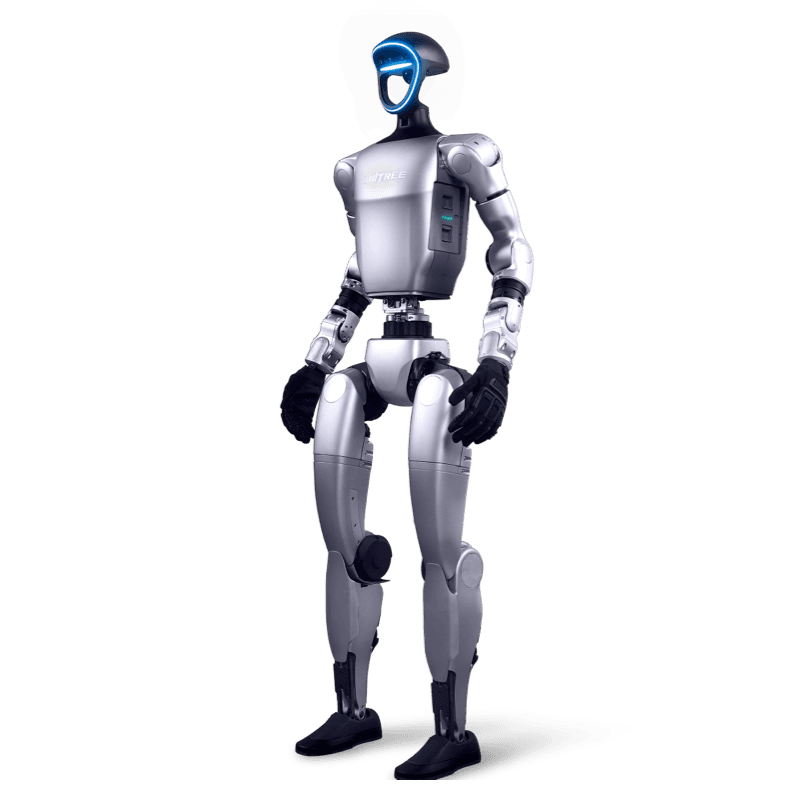
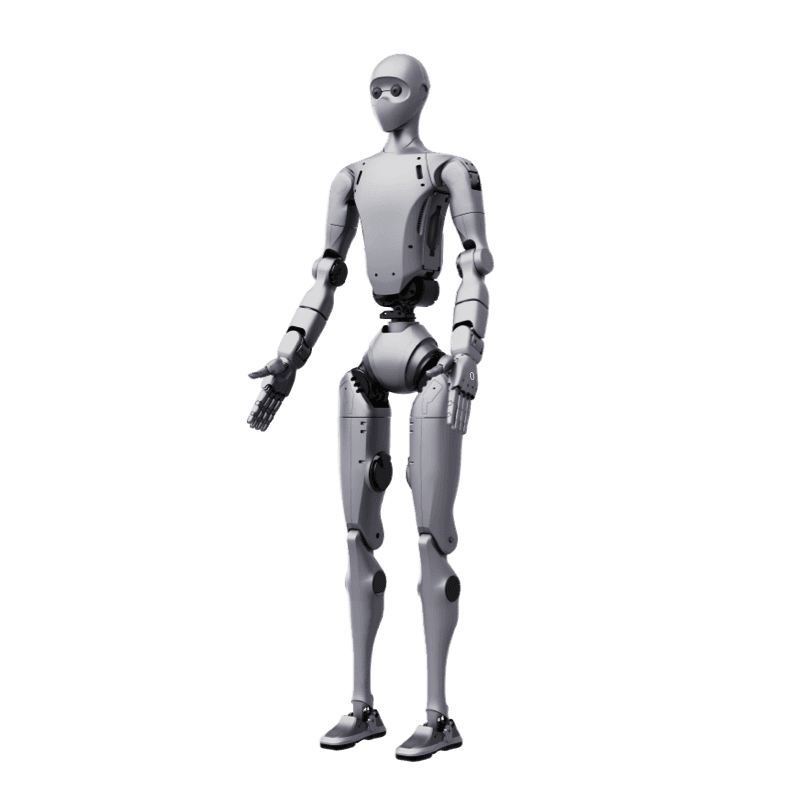
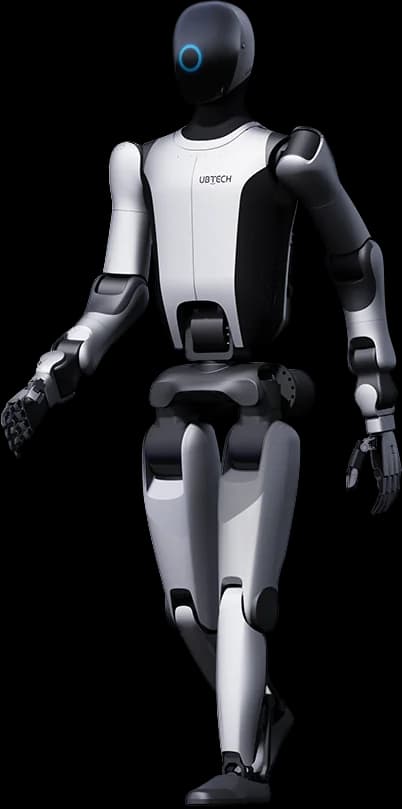
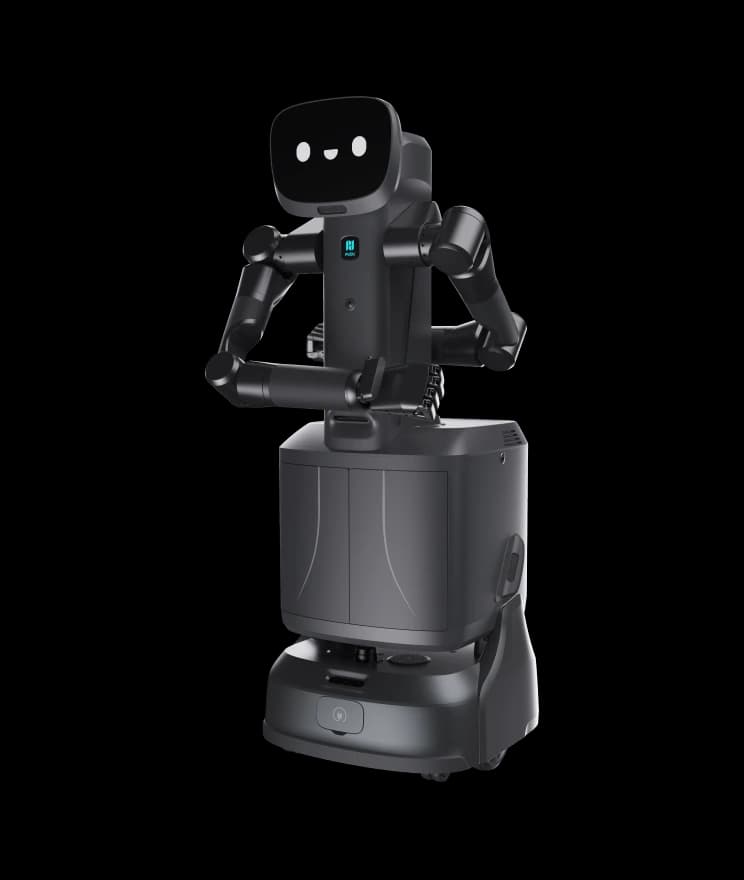
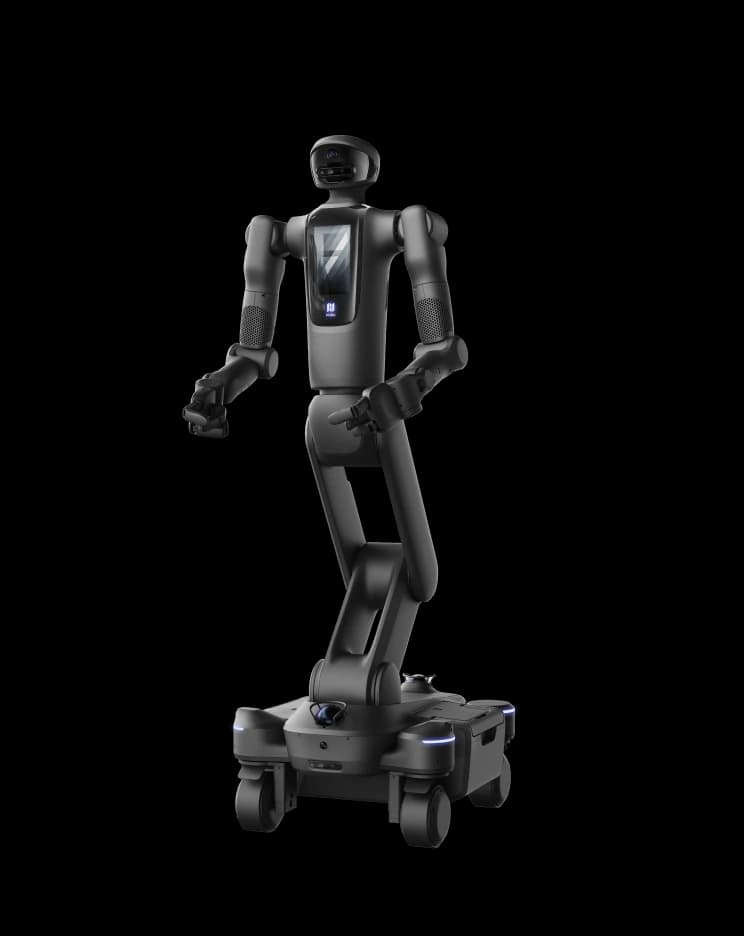
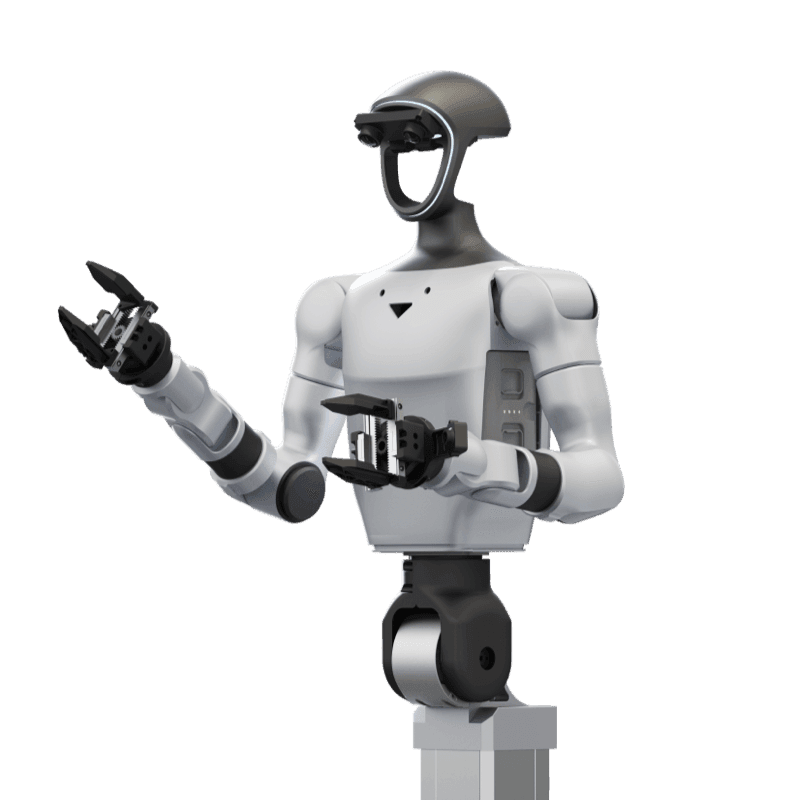
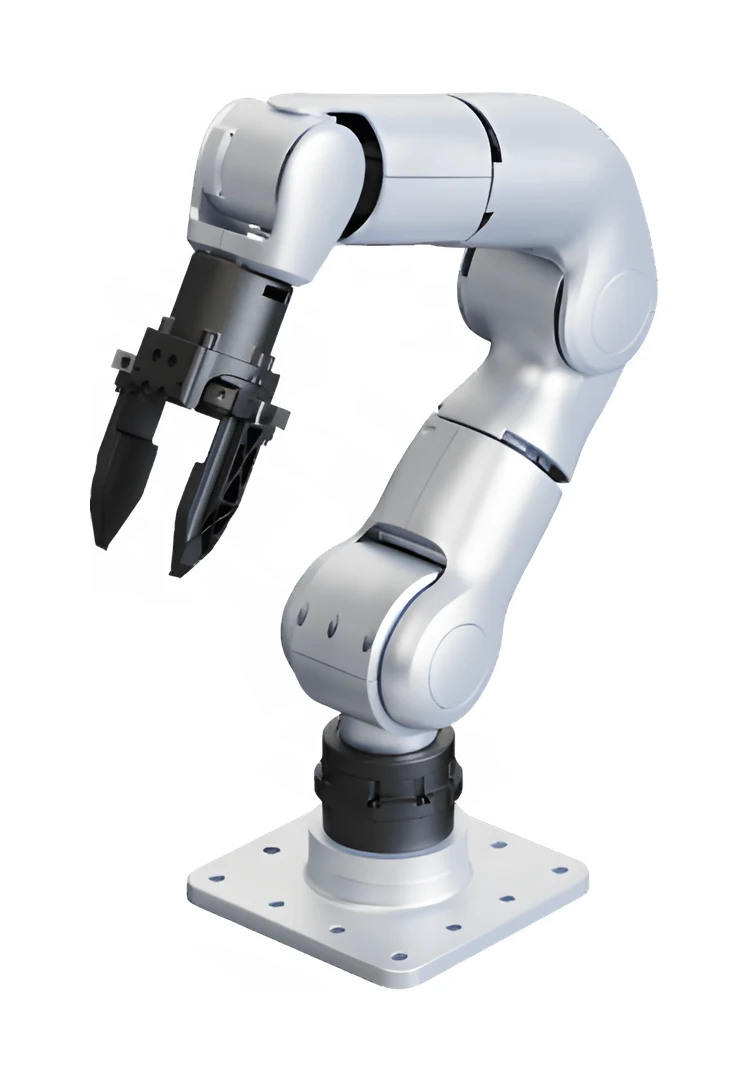
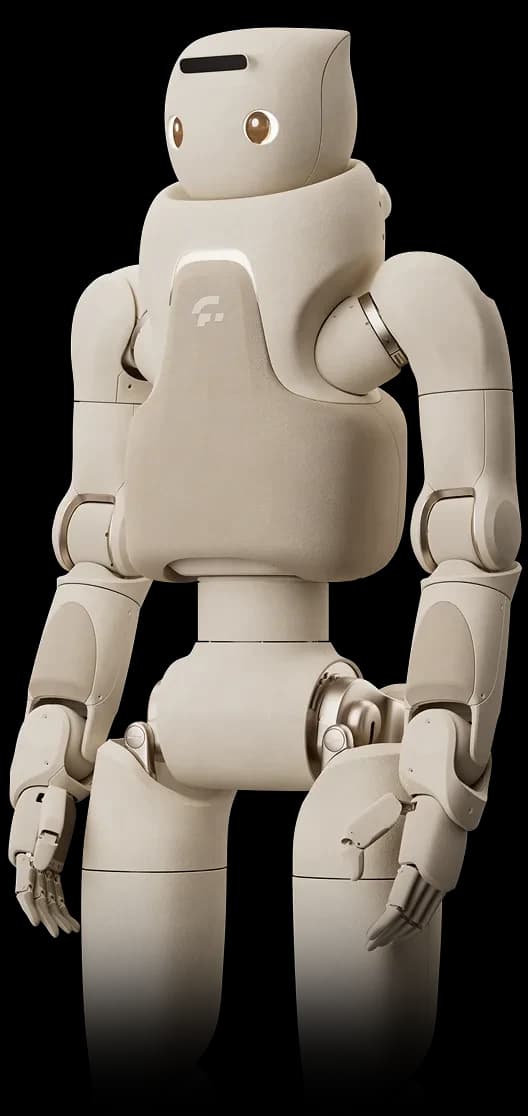
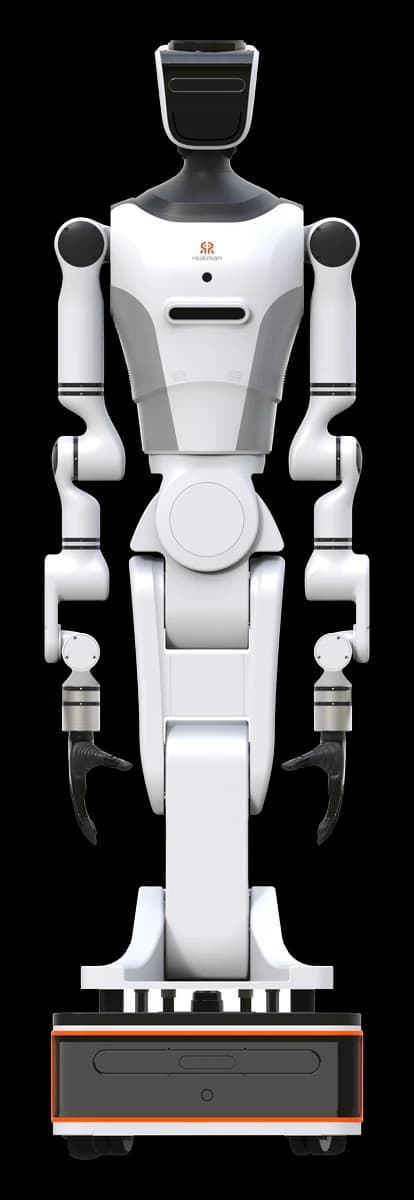
The UBTECH Cruzr S2 is a full-size humanoid on a wheeled base: 176 cm tall, 44 degrees of freedom and a 2 m/s moving speed. A symmetrical body design with bidirectional bending lets it rotate ±170 degrees within 0.8 metre passages.
Read moreShow less
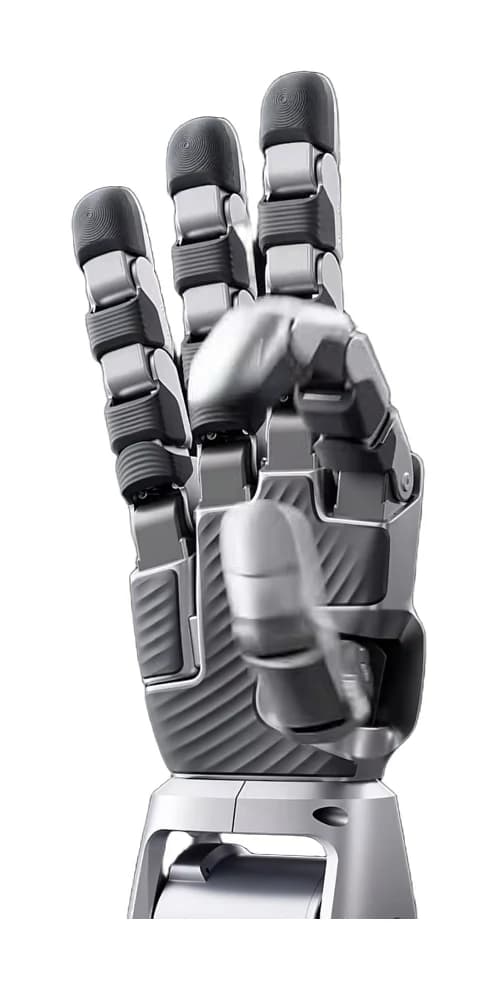
The waist provides +90 to -35 degrees of pitch and a 0-40 cm lifting stroke, letting the robot handle a 15 kg payload across a 0-1.8 m workspace. Fourth-generation industrial dexterous hands offer 11 degrees of freedom, a six-zone tactile sensor array, a 7.5 kg single-hand grasp and a 1 kg finger grasp. Powered by a sim-to-real embodied intelligence data system, sub-millimetre manipulation is claimed in sorting, component assembly and other operations.
Enterprise supply · specification support · integration engineering
1/5
Overview
The UBTECH Cruzr S2 is a full-size humanoid robot on a wheeled base. We supply UBTECH platforms to corporate projects in Turkey through enterprise supply, commissioning and technical integration. Configuration, delivery terms and investment are set by corporate quotation.
The published figures are 176 cm of height, 44 degrees of freedom and a 2 m/s moving speed. A symmetrical body design with bidirectional bending lets the robot rotate ±170 degrees within 0.8 metre passages; since warehouse shelf gaps and store aisles are usually around that width, it is a decisive design decision.
The waist provides +90 to -35 degrees of pitch and a 0-40 cm lifting stroke. That stroke extends the workspace to between 0 and 1.8 metres, letting one robot target both a box at floor level and a part on an upper shelf. The dual arms carry 15 kg together.
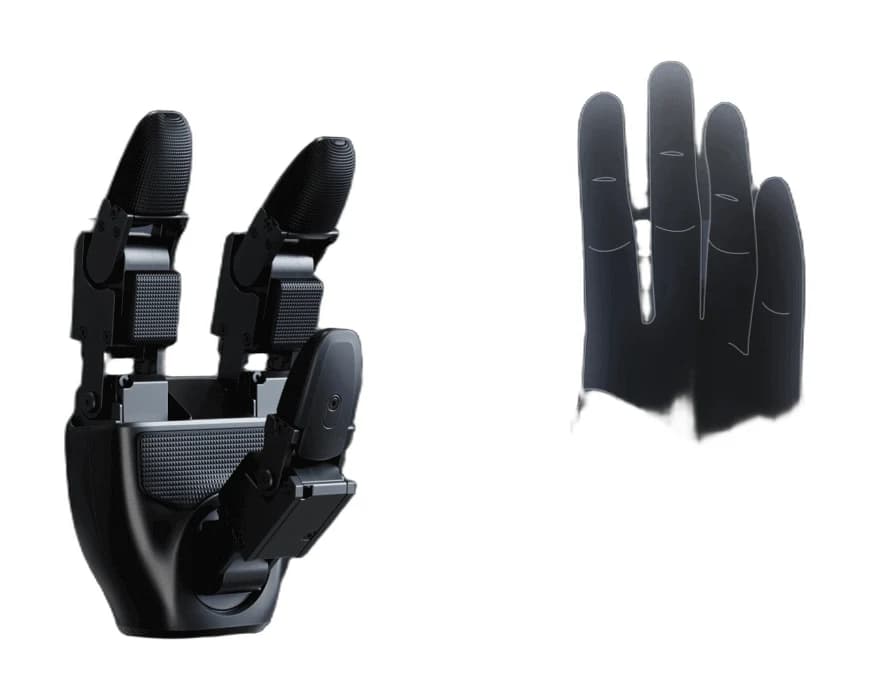
Fourth-generation industrial dexterous hands offer 11 degrees of freedom, a six-zone tactile sensor array, a 7.5 kg single-hand grasp and a 1 kg finger grasp. Sub-millimetre manipulation in sorting and component assembly through a sim-to-real embodied intelligence data system.
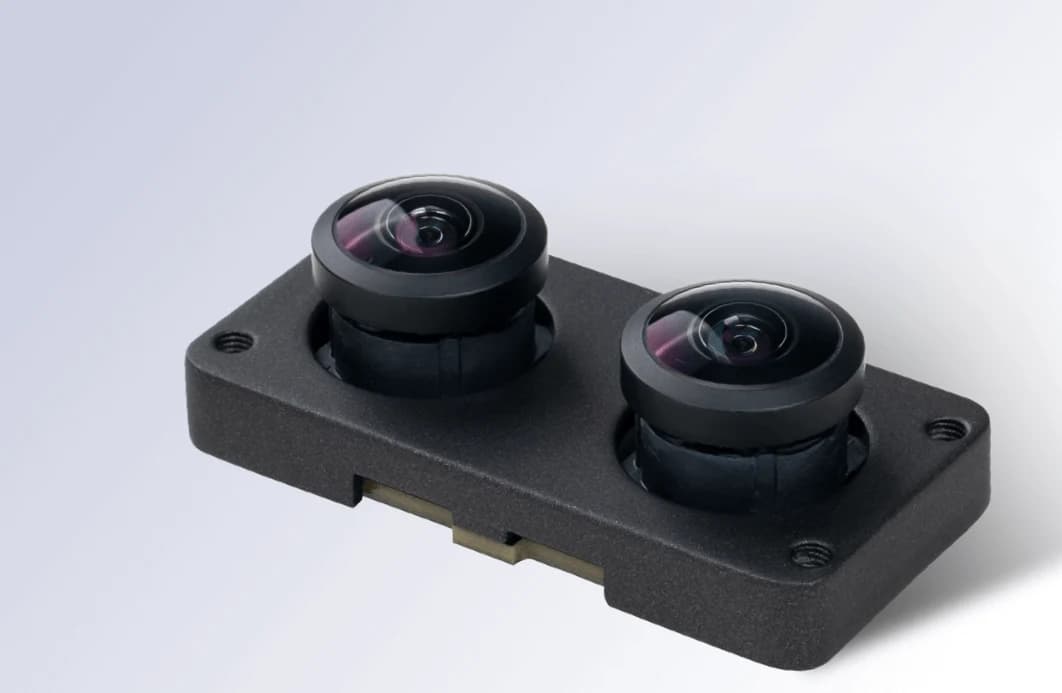
On perception it uses human-eye binocular stereo vision. For interaction there is voice communication through a large language model, a 4-inch circular facial display, a four-microphone array and two speakers. The body is built from rigid-flex heterogeneous composite, aerospace-grade aluminium alloy, a 3D printed primary frame and 3D knitted fibre.
Tap the cover to play; sound and loading start only on click.
UBTECH Cruzr S2 product video
Use Cases
The use cases the manufacturer defines for the UBTECH Cruzr S2.
01Mall and retail
02Performance and events
Key Advantages
A Body That Turns in a Narrow Passage
The Cruzr S2's symmetrical body design and bidirectional bending let it rotate ±170 degrees within 0.8 metre passages.
That is a decisive constraint in warehouse and store aisles: shelf gaps are usually under a metre, and a robot that cannot turn has to back out the way it came in.
Bidirectional bending means the body can flex both ways, so it can change orientation instead of turning.
A Forty Centimetre Lifting Stroke
The 0-40 cm lifting stroke at the waist lets the robot raise and lower its body, extending the workspace to between 0 and 1.8 metres.
On a fixed-height robot, reach is bounded by arm length: it must bend to pick off the floor and be tall enough for an upper shelf, and both cannot hold at once.
The lifting stroke resolves that dilemma; one robot can target both a box at floor level and a shelf at 1.8 metres.
The Sub-Millimetre Manipulation Claim
The robot the fourth-generation industrial dexterous hands, driven by a sim-to-real embodied intelligence data system, achieve sub-millimetre manipulation in sorting, component assembly and multi-scenario grasping.
The hands carry 11 degrees of freedom and a six-zone tactile sensor array, with a stated 7.5 kg single-hand and 1 kg finger grasp.
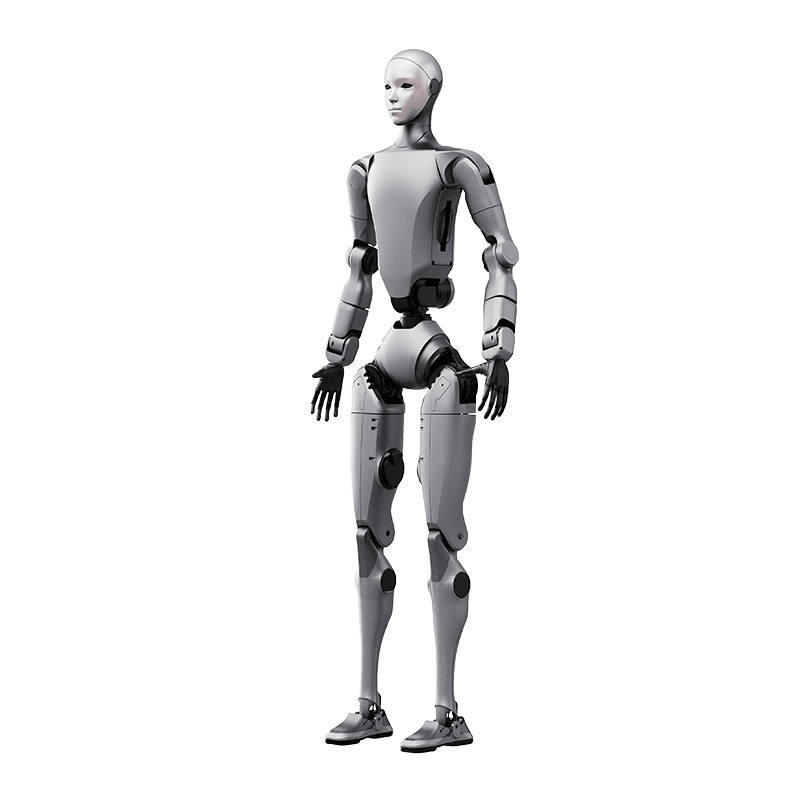
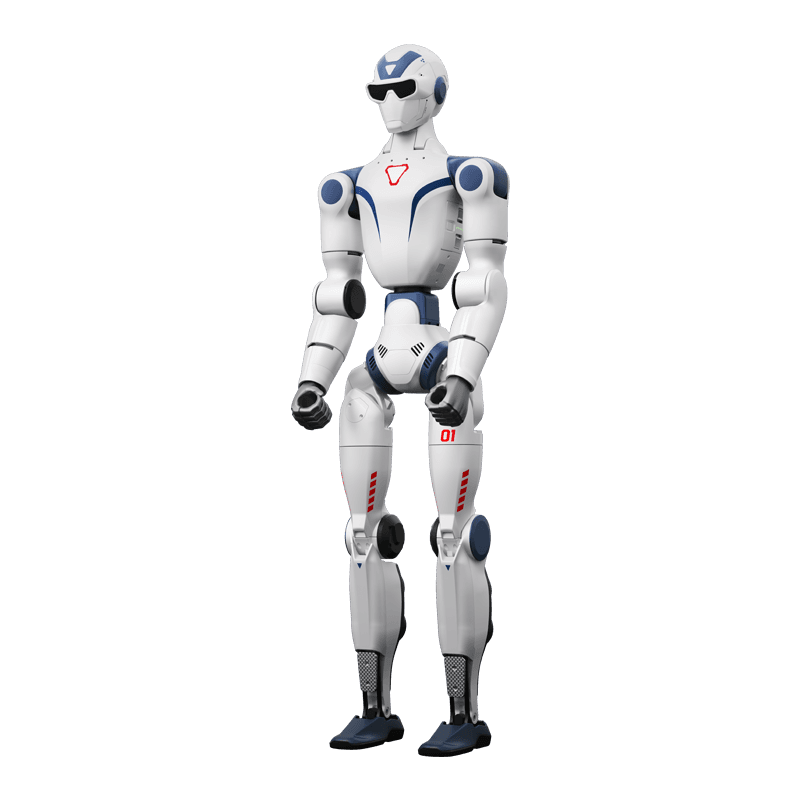
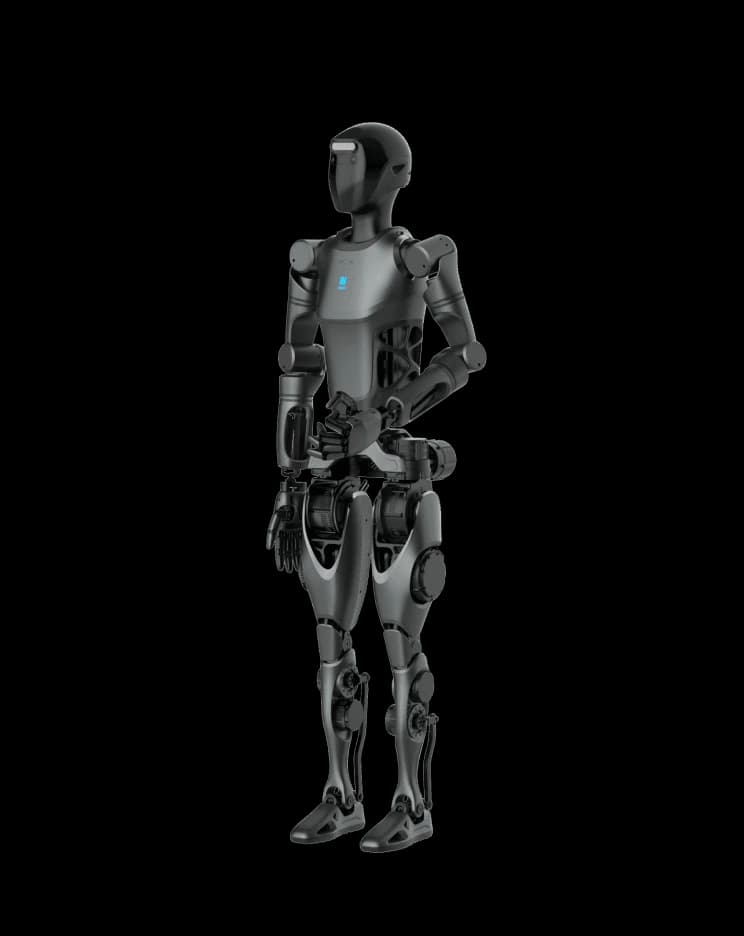
The UBTECH Cruzr S2 up close
4 images; tap to enlarge.
Technical Specifications
18 values in 5 categories; data published by the manufacturer.
Size and weight
Dimensions (standing)
176 cm tall
Lift height
0-40cm lifting range
Motion and performance
Payload
15 kg
Arm payload
15
Maximum speed
2 m/s
Minimum path clearance
Rotates ±170° within 0.8m passages
General structure
Mobility form
A humanoid body on a wheeled base rotating ±170 degrees within a 0.8 m passage
Degrees of freedom
44; 11 per dexterous hand
End effector
Two fourth-generation industrial dexterous hands with 11 degrees of freedom each
Materials
Rigid-flex heterogeneous composite, aerospace-grade aluminium alloy, a 3D printed primary frame and 3D knitted high-elastic fibre
Manufacturer note
It rotates ±170 degrees on the spot within a 0.8 m passage; a 0-0.4 m waist lifting range lets it handle 15 kg across a 0-1.8 m workspace.
DoF layout
Forty-four degrees of freedom; the fourth-generation industrial dexterous hand carries 11 degrees of freedom and a six-zone tactile sensor array
Structure and materials
176 cm tall with a symmetrical body and bidirectional bending, ±170 degrees of waist rotation, +90 to -35 degrees of pitch, a 0-40 cm lifting stroke and a 0-1.8 m workspace
Joint module
Anthropomorphic dual arms carrying 15 kg together, with a 7.5 kg single-hand grasp
Size and weight
Dimensions (standing)
176 cm tall
Lift height
0-40cm lifting range
Motion and performance
Payload
15 kg
Arm payload
15
Maximum speed
2 m/s
Minimum path clearance
Rotates ±170° within 0.8m passages
Sensors and connectivity
Sensors
Two fish-eye cameras and two RGB cameras in the head (pure RGB binocular stereo vision); one RGBD at the front of the chest; two six-axis force sensors at the wrists; one radar at the front and one at the rear of the wheeled base plus one RGBD at the front
Interaction
One LED screen, one microphone and two speakers
Software and development
Processor
A sim-to-real embodied intelligence data system is described.
Software features
Human-eye binocular stereo vision perception; voice interaction through a large language model, a 4-inch circular facial display, a four-microphone array and two speakers
Sources and documents
Verified on the manufacturer page on 18 September 2026.
Technical Analysis of a Wheeled HumanoidDesign decisions, comparison table and evaluation
Why Wheels, Why a Humanoid Body
The Cruzr S2 shares the same height (176 cm), the same waist pitch range and the same fourth-generation hands as the bipedal Walker S2; the difference is the base. A wheeled base gains two things: energy efficiency and stability. A walking robot spends energy continuously to hold balance while a wheeled one does not, and the risk of toppling is low. What is lost is stairs and uneven ground. For a robot working on flat floors indoors that trade is usually right, and the reason the Cruzr S2's 44 degrees of freedom fall below the Walker S2's 52 is that the base replaces the legs.
Who Else Is in the Class
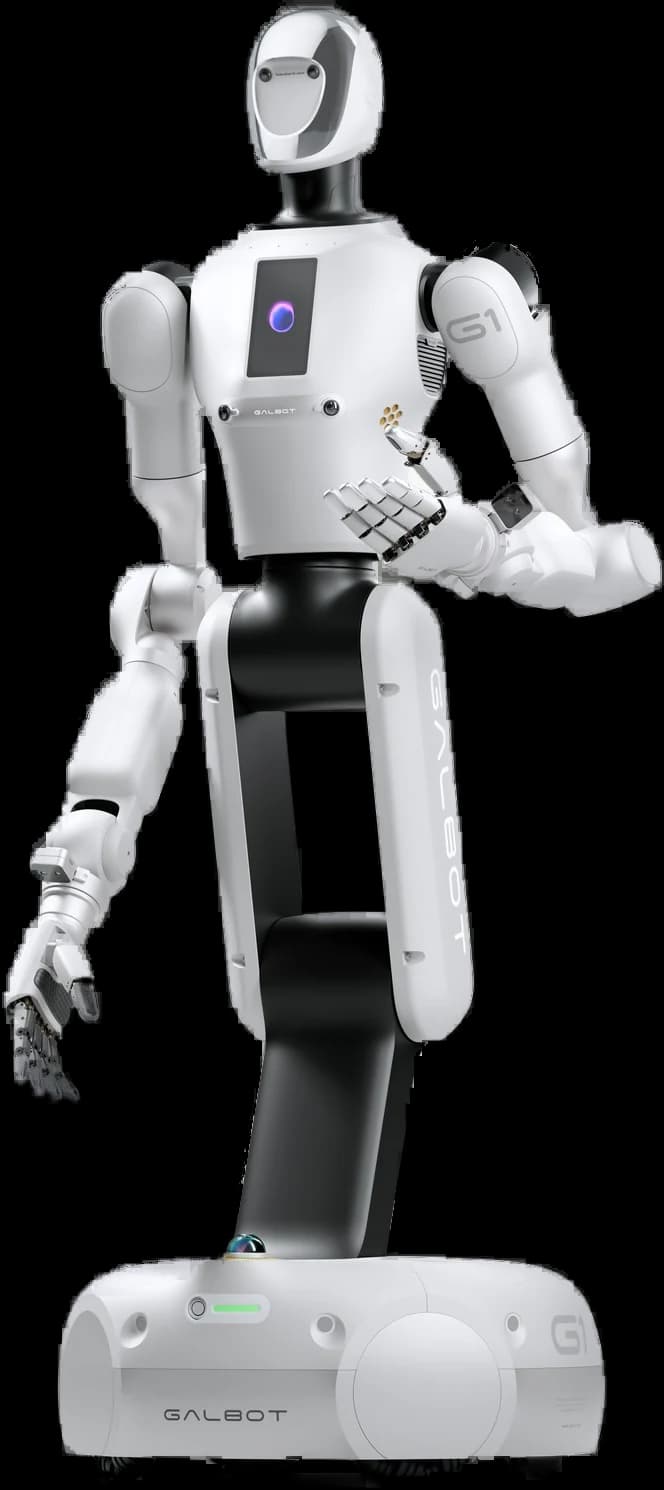
The closest comparison is the Galbot S1 and G1. The Galbot G1 states 1730 mm, 92.5 kg, 21 degrees of freedom and a 10 kg dual-arm payload, with a 650 mm lifting stroke giving a 0-2100 mm workspace. The Cruzr S2 offers more degrees of freedom (44) and a higher payload (15 kg) but a shorter lifting stroke (400 mm) and a narrower workspace (0-1.8 m). Galbot also publishes its weight, battery, protection rating and runtime; the Cruzr S2 does not.
The Cruzr S2 Against Wheeled Dual-Arm Robots
Feature
UBTECH Cruzr S2
Galbot G1
Galbot S1
Height
176 cm
1730 mm
1793 mm
Weight
-
92.5 kg
320 kg
Degrees of freedom
44
21
21 (excluding base and end effectors)
Dual-arm payload
15 kg
10 kg
50 kg
Lifting stroke
0-40 cm
650 mm
-
Workspace
0-1.8 m
0-2100 mm
2390 mm vertical
Sourcing in Turkey
Enterprise supply
Sourcing enquiry
Sourcing enquiry
Engineering Assessment
The Cruzr S2 is a coherent package in the wheeled humanoid class: rotating ±170 degrees within a 0.8 metre passage is the mark of a design aimed at warehouse and store aisles, and the 40 cm lifting stroke makes picking from both floor and shelf possible with one robot. The fourth-generation hands (11 degrees of freedom, a six-zone tactile array) sit above the class on manipulation. The Galbot models in the same class publish those figures, which leaves the direct comparison one-sided.
Purchasing support
Supply model
Supply to Turkey is planned per project; import, delivery and commissioning scope are itemised in the quote.
Pre-sales assessment
Site and mission focused technical feasibility; specification and administrative process support.
Robotic system costs are optimised according to the selected hardware platform, additional sensor and payload configurations, and the integration scenarios specific to your site. Share your requirements and our engineering team will prepare a feasibility report and a pro forma quotation tailored to your organisation.
Supply and delivery scheduling backed directly by the manufacturer
Site- and mission-focused technical feasibility and simulation
Turnkey hardware, software and mission integration
Advisory on corporate tenders, specifications and administrative processes
The most common questions about the UBTECH Cruzr S2.
Can the UBTECH Cruzr S2 be bought in Turkey?
We deliver UBTECH hardware to corporate projects through enterprise supply, commissioning and engineering support. Investment is set by corporate quotation against configuration, quantity and delivery terms. With organizations evaluating a dual-arm robot for warehousing, retail or in-plant handling we discuss the sourcing route and timeline per project. For service and delivery robots orderable in Turkey today, the Pudu Robotics family is worth considering.
What is the difference between the Cruzr S2 and the Walker S2?
Both stand 176 cm and share the same waist pitch range (+90 to -35 degrees) and the same fourth-generation dexterous hands (11 degrees of freedom, 7.5 kg single-hand grasp). The difference is the base: the Walker S2 walks on two legs with 52 degrees of freedom, while the Cruzr S2 sits on a wheeled base with 44. Wheels gain energy efficiency and stability and give up stairs and uneven ground. The Cruzr S2 can also change its height through a 0-40 cm lifting stroke.
Can it work in a narrow aisle?
The robot a symmetrical body design with bidirectional bending lets the robot rotate ±170 degrees within 0.8 metre passages. Warehouse shelf gaps and store aisles are usually around that width, so the robot does not have to back out the way it came in.