Skip to content
Robotlar
X-Humanoid

X-Humanoid Tian Yi 2.0

Wheeled Dual-Arm Reception and Patrol Robot

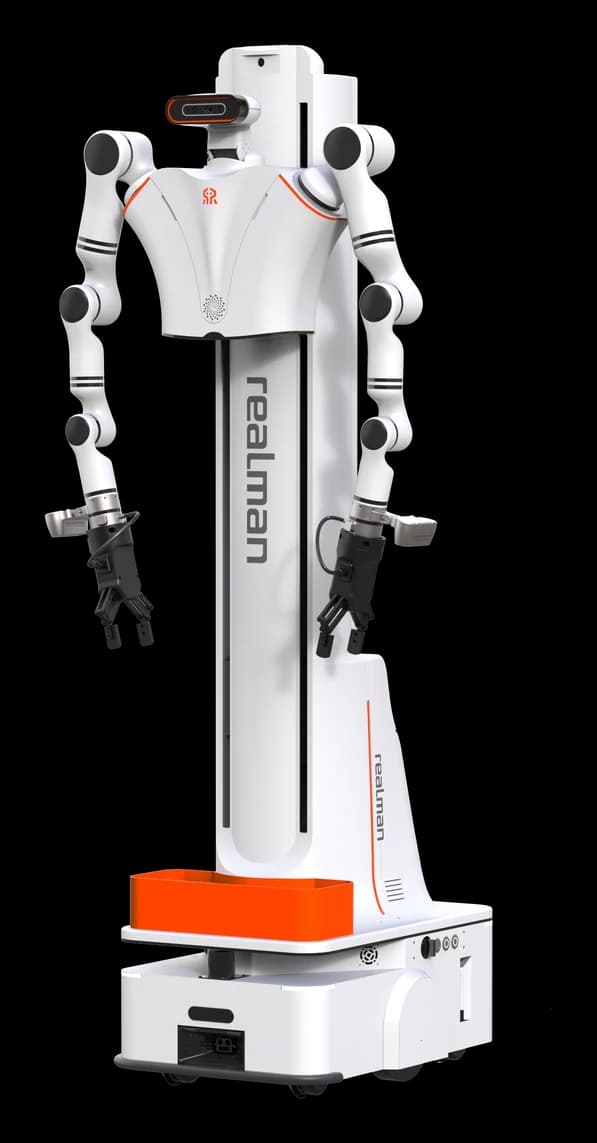
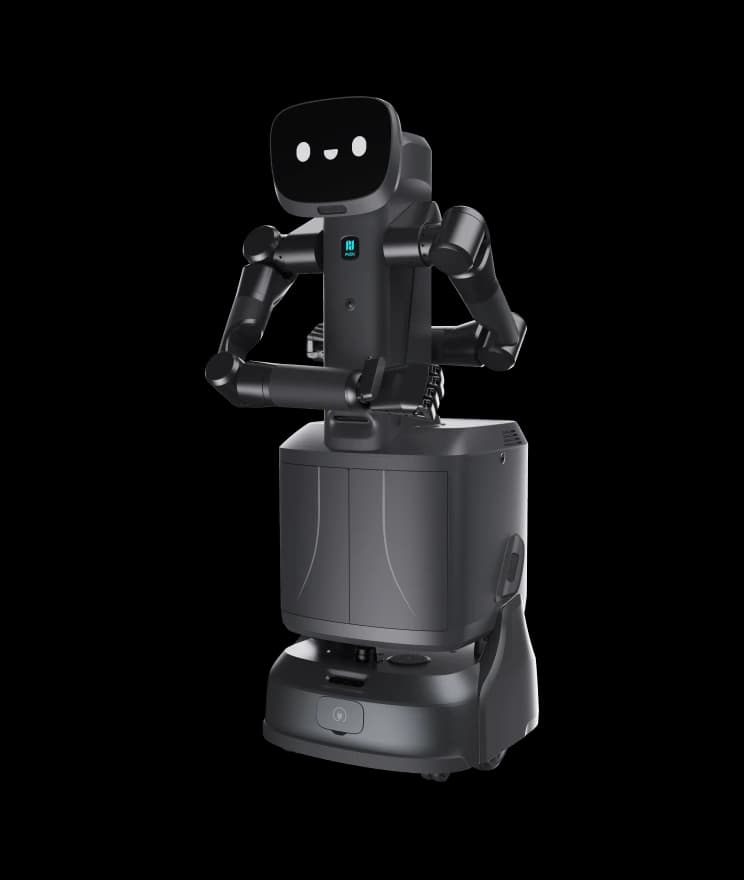
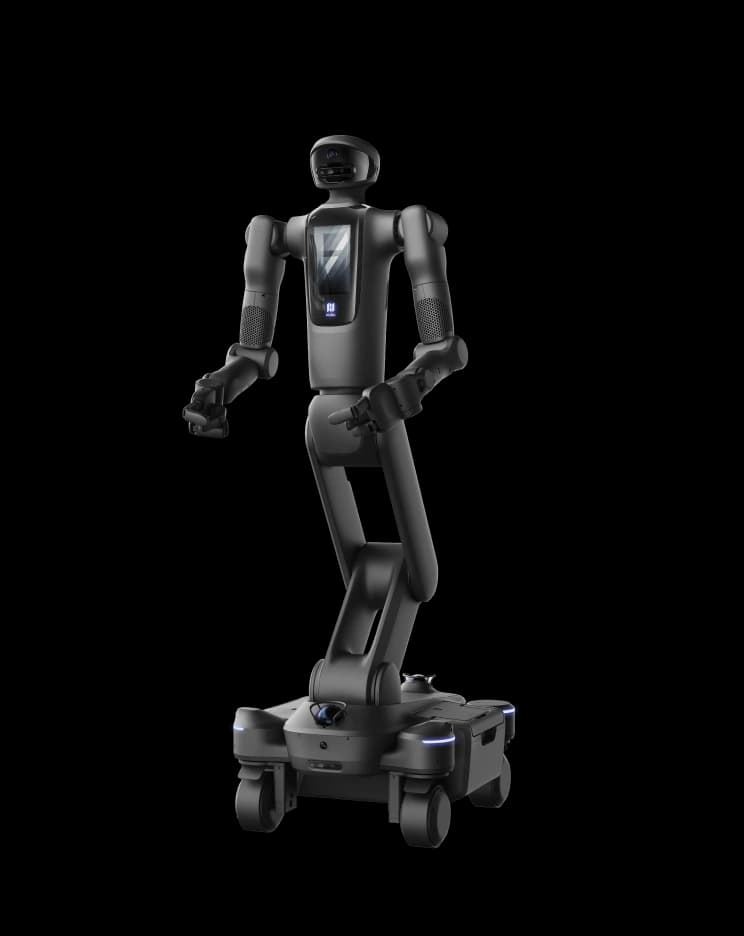
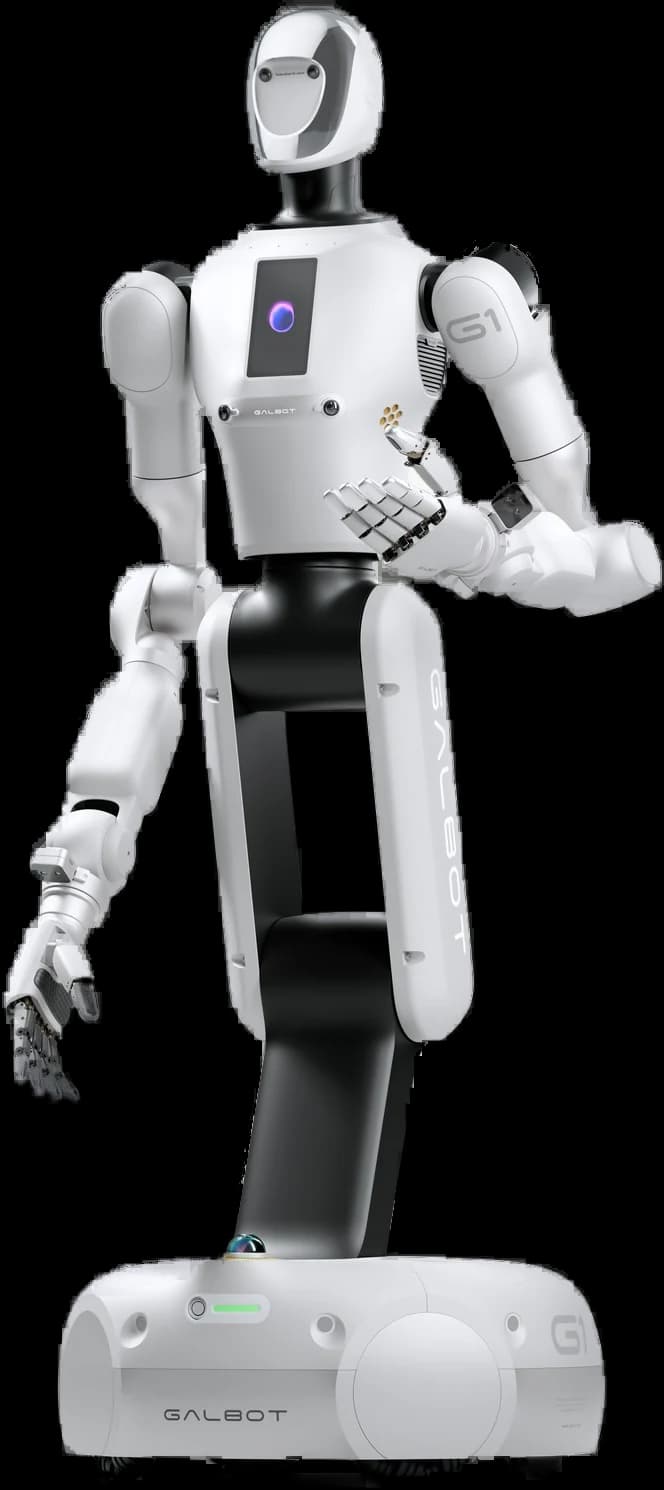
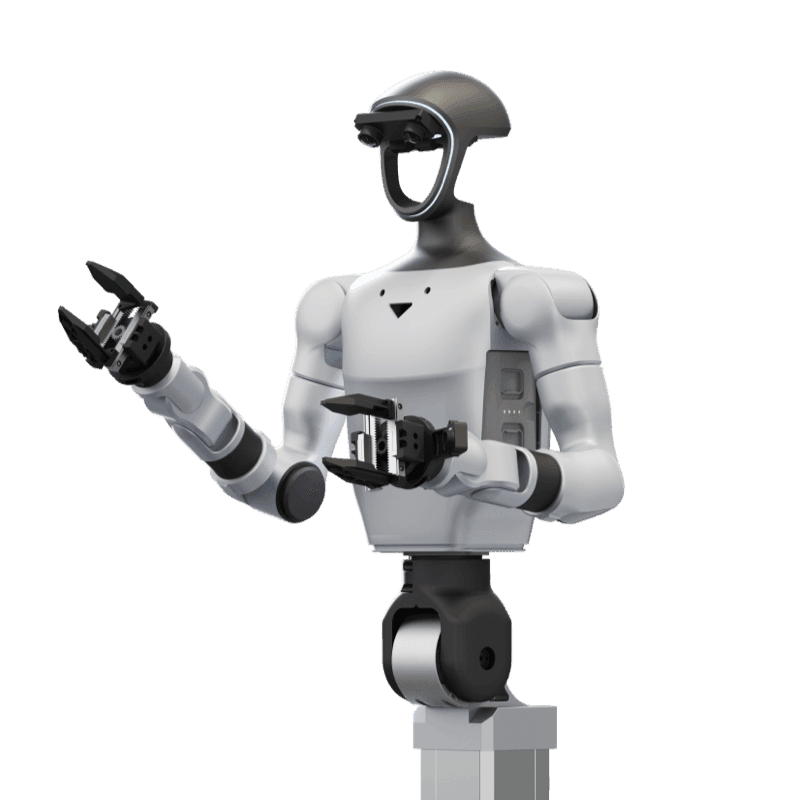
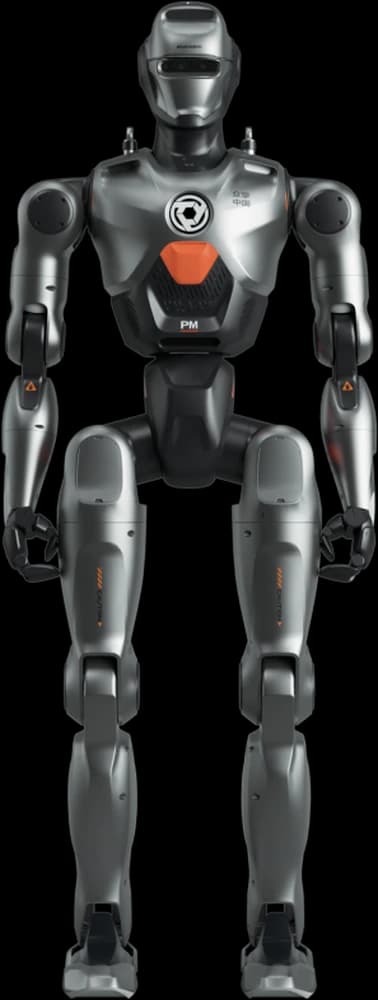
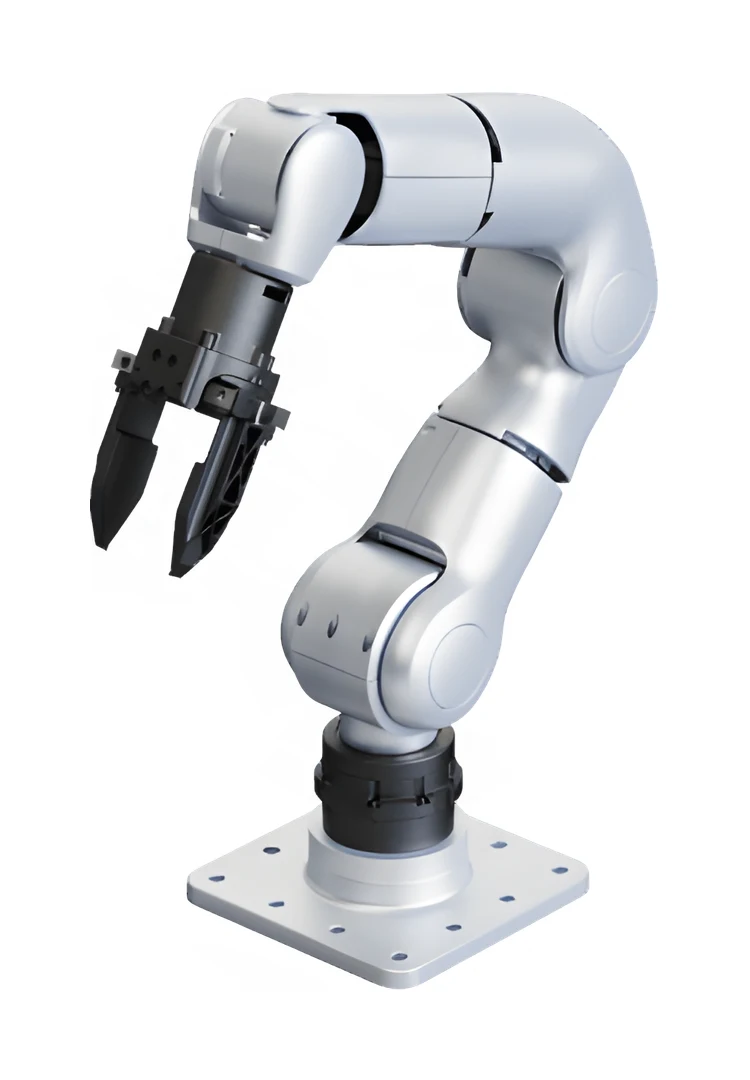
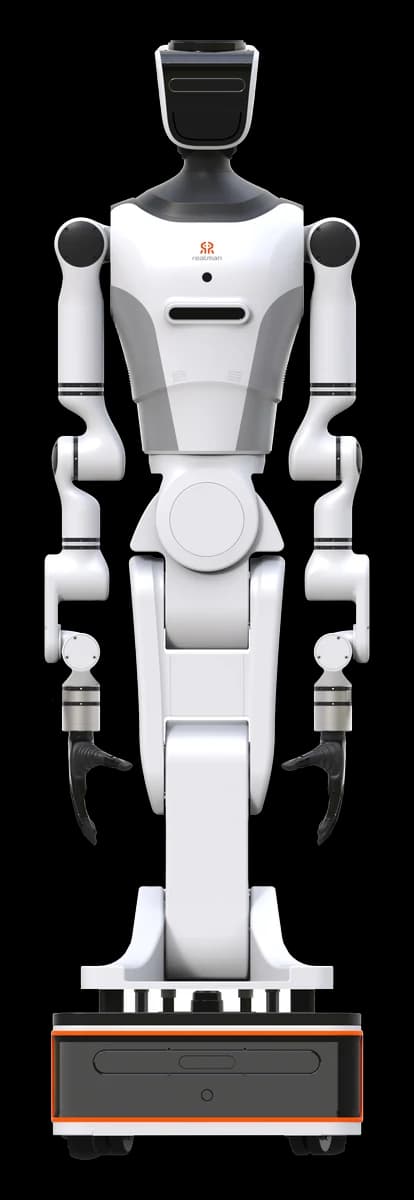
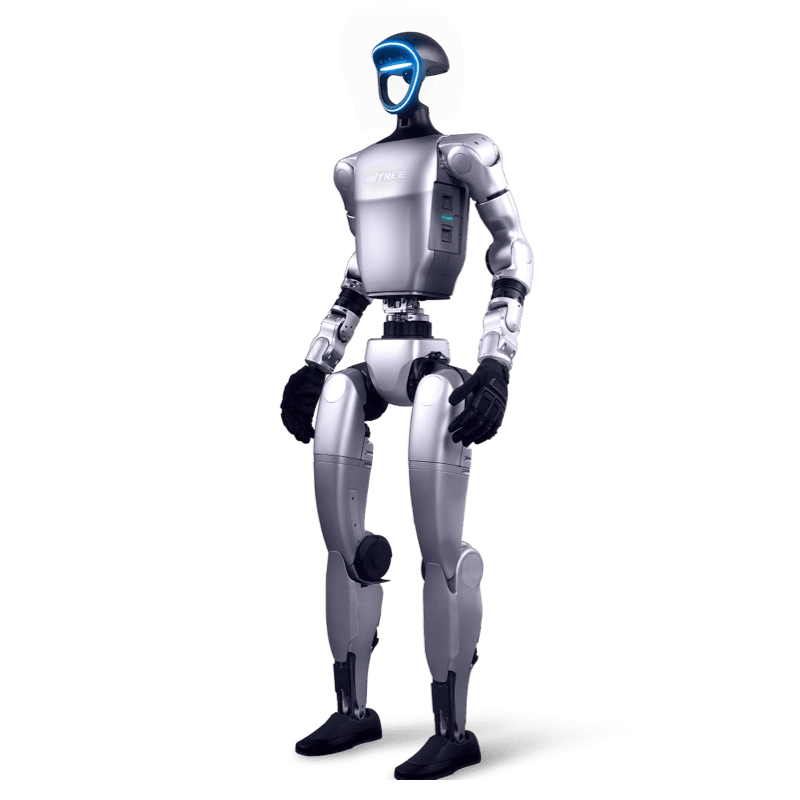
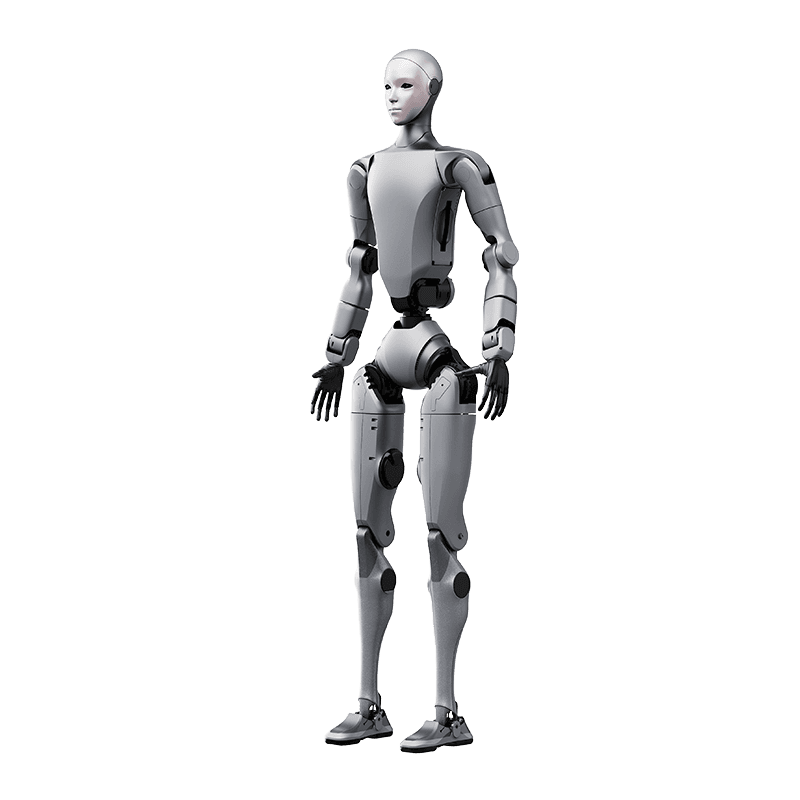
The X-Humanoid Tian Yi 2.0 is a dual-arm service robot that places a humanoid upper body on a wheeled base. Its height adjusts between 130 and 165 cm, it weighs 88.5 kg and carries 35 degrees of freedom: 3 in the head, 7 per arm, 2 in the waist, 2 per leg, 2 in the base and two dexterous hands with 6 degrees of freedom each. It runs 275 TOPS of compute on an NVIDIA Orin AGX 64, with an RGBD and an RGB camera in the head, two RGBD cameras on the base and a single-line LiDAR. It was designed for reception and guiding, patrol and inspection, and autonomous task scenarios, handling work such as pressing lift buttons and swiping cards without modifying the building. Robotlar.org assesses sourcing and alternatives together with organizations that have a Tian Yi requirement.

Height130-165 cmAdjustable
Weight88,5 kgWheeled base
DOF35 DoF7 per arm
Compute275 TOPSOrin AGX 64
Runtime2 saat+15 Ah 48 V
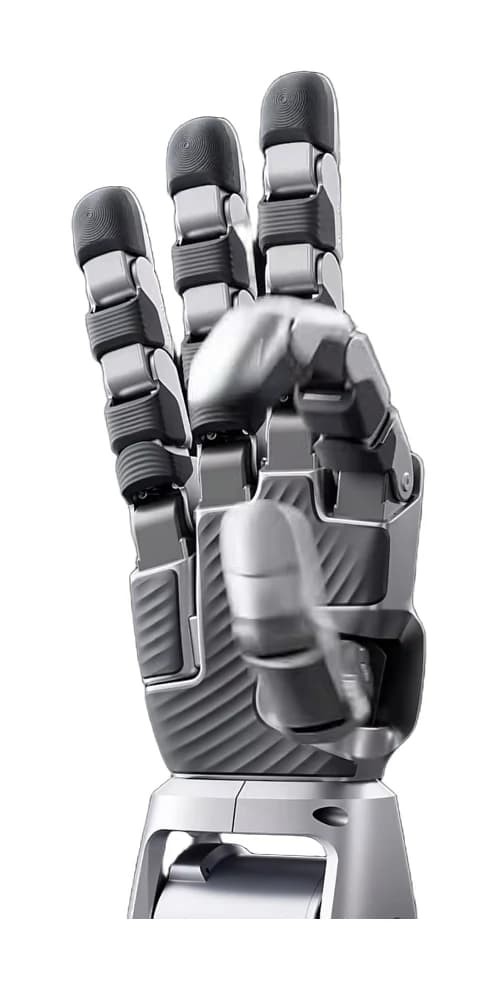
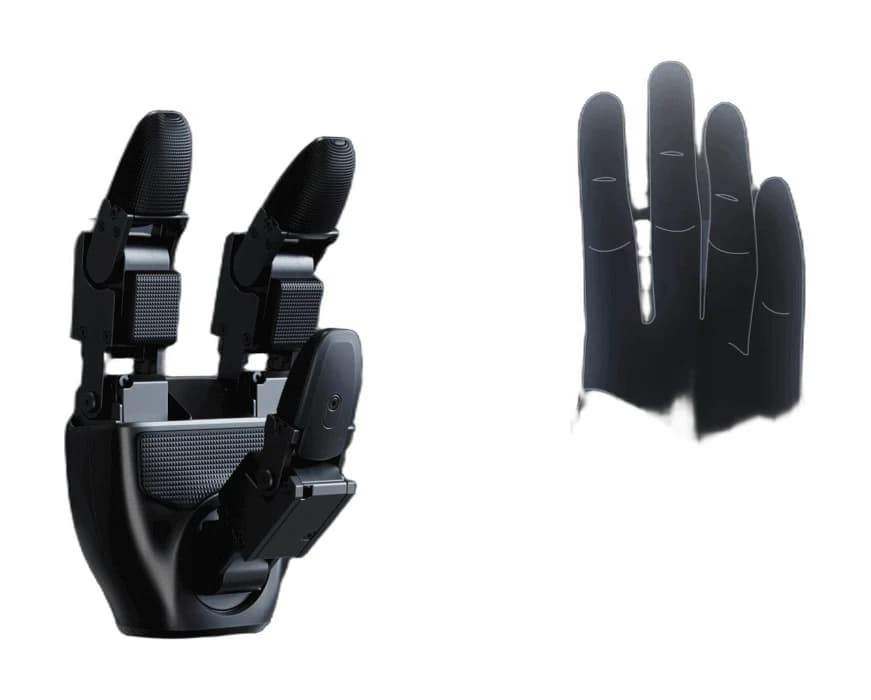
Dexterous Hand6 DoF ×2Force controlled

PRICE

Project quote

Configuration, delivery schedule and investment figure are set by project scope. From your specification we prepare the supply plan from the manufacturer line and the integration scope.

Enterprise supply · specification support · integration engineering

Overview

The X-Humanoid Tian Yi 2.0 is the wheeled dual-arm service robot from the Beijing Humanoid Robot Innovation Center. By placing a humanoid upper body on a wheeled base, it aims to work with interfaces designed for people without taking on the risk of bipedal walking.

Hardware highlights: an adjustable height between 130 and 165 cm, 88.5 kg, and more than two hours of operation on a 15 Ah 48 V battery. There are 35 degrees of freedom in total: head 3, 7 per arm, waist 2, 2 per leg, base 2 and two dexterous hands with 6 degrees of freedom each. Compute is 275 TOPS on an NVIDIA Orin AGX 64. The perception package consists of an RGBD and an RGB camera in the head, two RGBD cameras on the base, a single-line LiDAR, four linear microphones and visible light with thermal infrared recognition.

The software runs on Ubuntu 22.04 with a ROS 1 control layer. Control rates differ by task: the whole-body bus between 500 Hz and 1 kHz, the robotic arm above 200 Hz, the dexterous hand at 20 Hz and the RGBD camera at 30 Hz. Remote operation goes through VR or a cockpit interface.

For organizations with a Tian Yi 2.0 requirement we assess sourcing, timing and the alternatives deliverable today transparently.

QUOTE

Per project scope

Get a Quote

Guided Tours and Conversations

The robot provides reception, guidance and tour commentary based on the organization's own knowledge base. Voice interaction is low latency: it answers in under a second, can be interrupted and accepts follow-up questions. An emotion-aware language model recognises the user's gestures and facial expressions, initiates interaction on its own and answers with full-body motion.

Patrol and Inspection

A wheeled-arm body that combines multimodal perception with embodied manipulation skills, designed for patrol and inspection duties in offices, factories and industrial sites. Visible light recognition and thermal infrared identification work together, and large-scale models let the set of recognised objects be customised at any time.

Patrol and Inspection

Autonomous Action and Lift Use

Using its arms and grippers, the robot identifies lifts through an end-to-end vision-language-action model. It manages lift travel with operations such as pressing buttons and swiping cards, requiring no modification to the building. Coordinated with chassis movement, it independently performs everyday tasks such as transporting items, operating buttons and opening or closing cabinet doors.

Autonomous Action and Lift Use

One Device, Multiple Uses

The humanoid form offers greater universality: different functions come from selecting different software modules on the same hardware. That raises the robot's overall utilisation rate, allowing a pattern such as night patrols and daytime reception duties.

One Device, Multiple Uses

Remote Operation

Through VR equipment or a cockpit interface, an operator can remotely control the robot's base and arms to perform intricate tasks. A single operator can manage several robots, which is how human intervention enters abnormal incidents and emergencies during inspection. The same capability makes it possible to substitute a robot for a person in hazardous environments in specialised industries.

Remote Operation
ROBOT IN ACTION

Tian Yi 2.0; Live Demonstration

ENGINEERING ANALYSIS

Technical Analysis of the Wheeled Base

Why Wheels, Why a Humanoid Upper Body

The Tian Yi 2.0 uses the working envelope of a humanoid upper body without taking on the risk of bipedal walking. A wheeled base is stable and energy-efficient on flat ground, carrying an 88.5 kg body for more than two hours on a 15 Ah 48 V battery. The two 7-degree-of-freedom arms and two 6-degree-of-freedom dexterous hands on the upper body then allow work with interfaces designed for people: lift buttons, card readers and cabinet doors. An adjustable height of 130 to 165 cm covers work at both desk and shelf level.

The Perception Stack and Control Rates

The head carries one RGBD and one RGB camera, the base two RGBD cameras and a single-line LiDAR, with visible light and thermal infrared recognition on top. The thermal channel is what distinguishes it in inspection work, since it reveals a hot spot in an electrical panel. Control rates differ by task: the whole-body bus runs between 500 Hz and 1 kHz, the robotic arm above 200 Hz, the dexterous hand at 20 Hz and the RGBD camera at 30 Hz. The hand staying at 20 Hz points to a design focused on grasping and releasing rather than fine force feedback.

What 275 TOPS Buys

The 275 TOPS on an NVIDIA Orin AGX 64 is enough to run an end-to-end vision-language-action model on the robot, which is what lets the identify-the-lift-and-press-the-button scenario work without a cloud connection. Choosing Ubuntu 22.04 and ROS 1 means compatibility with the existing robotics software ecosystem, though the end of the ROS 1 maintenance schedule should be considered for long-lived installations.

Tian Yi 2.0 Versus Reception and Service Robots

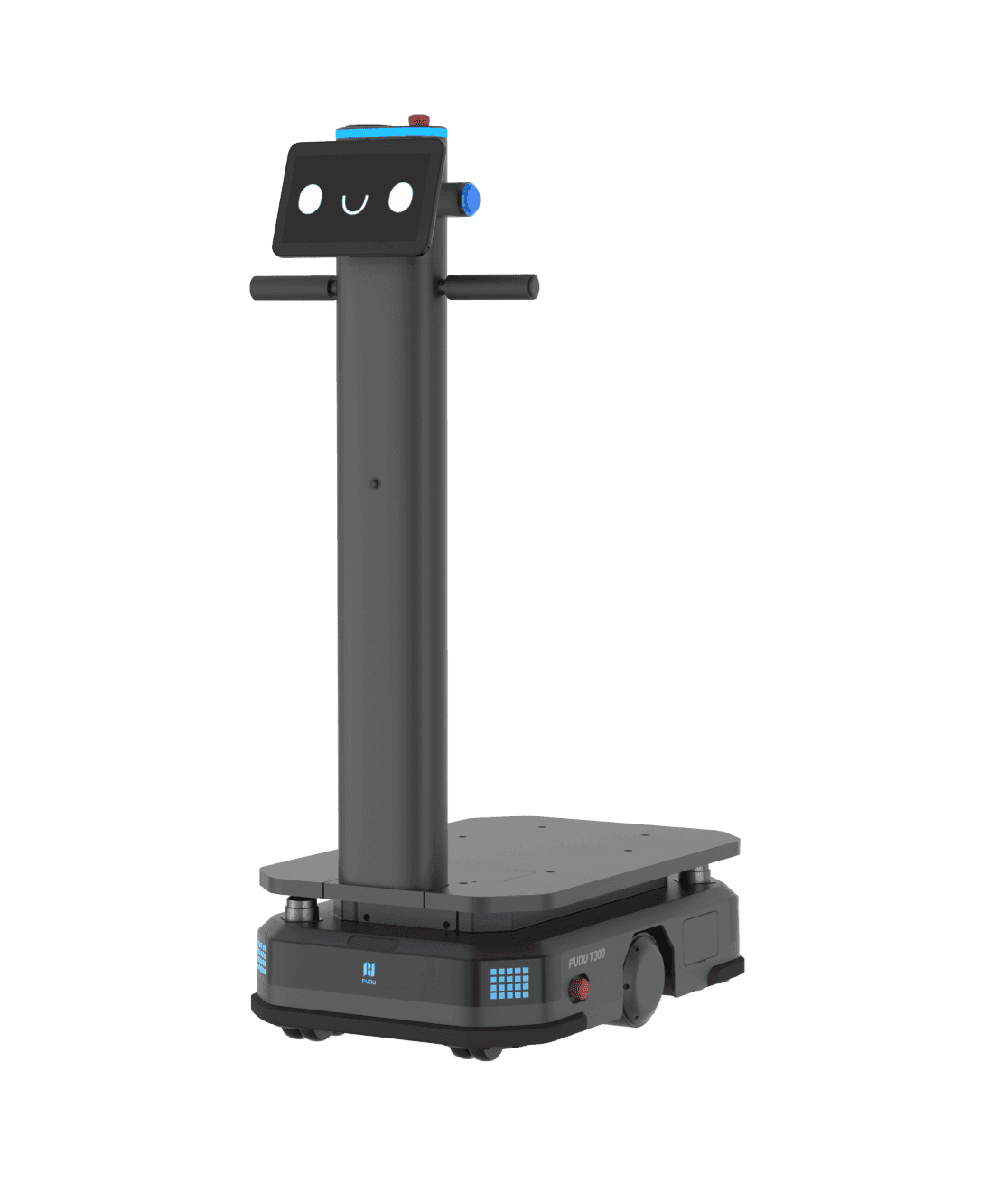
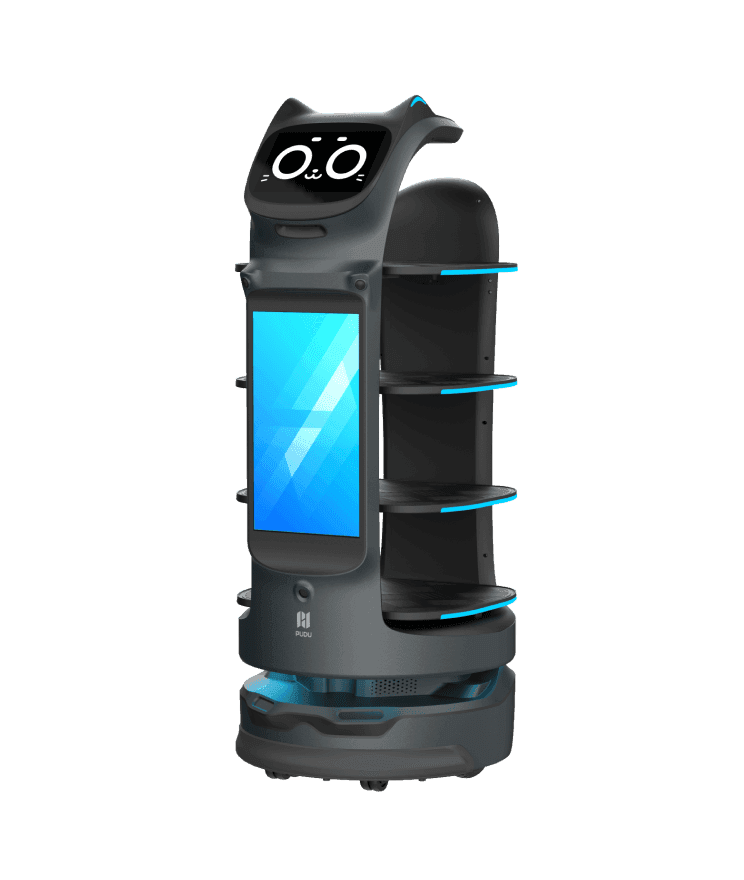
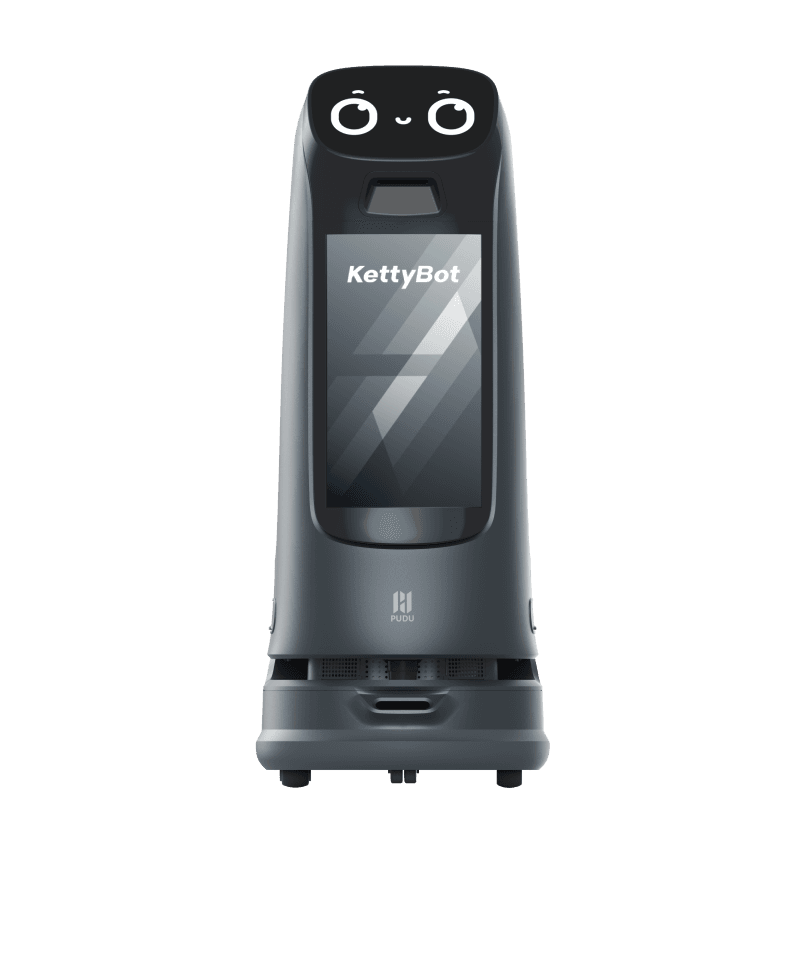
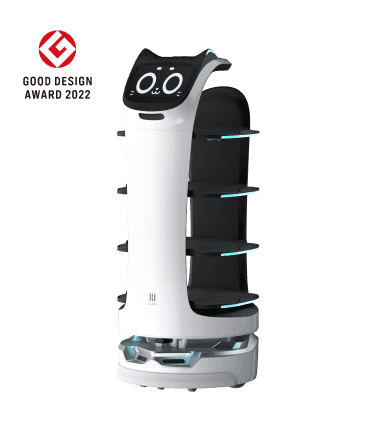
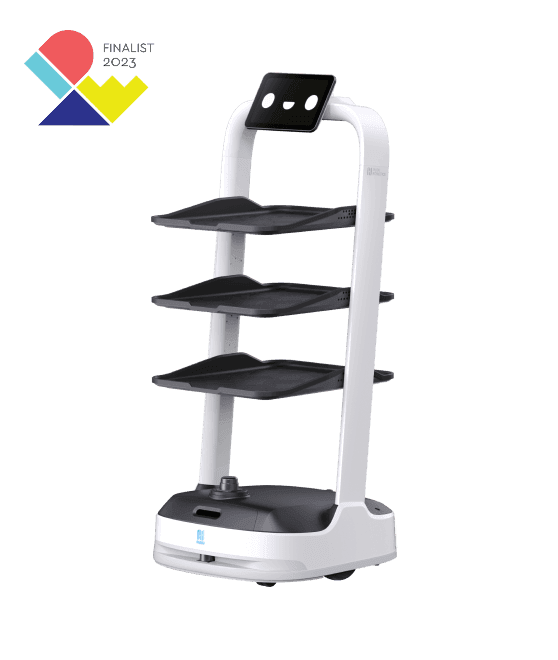
FeatureTian Yi 2.0AgiBot G2Pudu BellaBot
FormWheeled base + humanoid upper bodyWheeled base + dual armWheeled tray robot
Degrees of freedom3525No arms
ComputeOrin AGX 64, 275 TOPS500 TOPS or Jetson T5000Service software
Primary jobReception, patrol, autonomous tasksIndustrial operationServing and transport
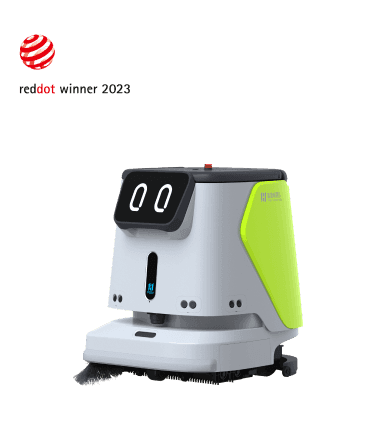
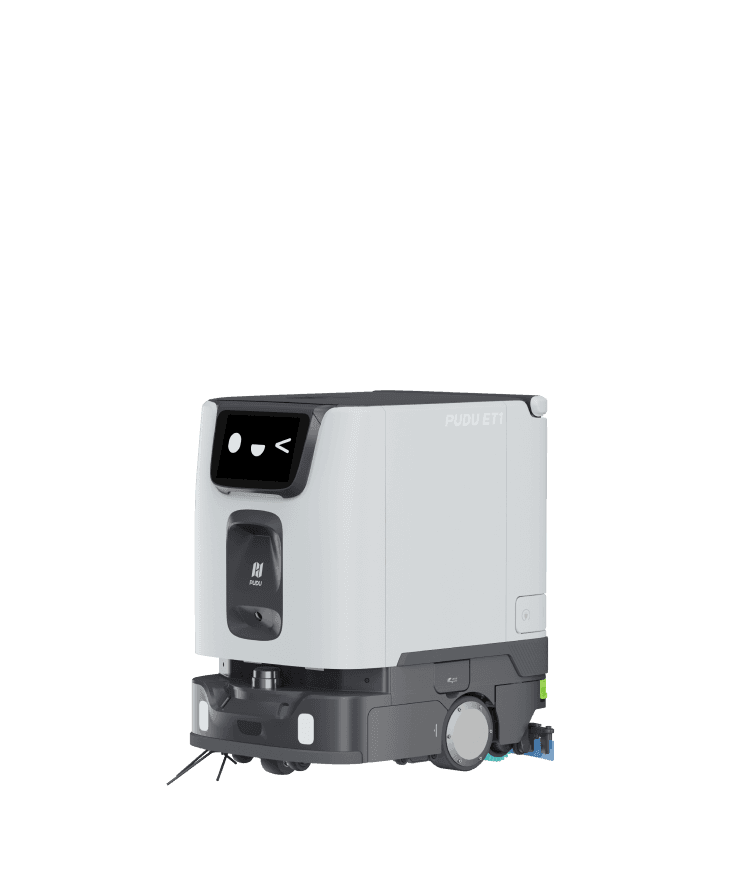
Status in TurkeySourcing enquirySourcing enquiryOrderable
ENGINEERING EVALUATION

Engineering Assessment

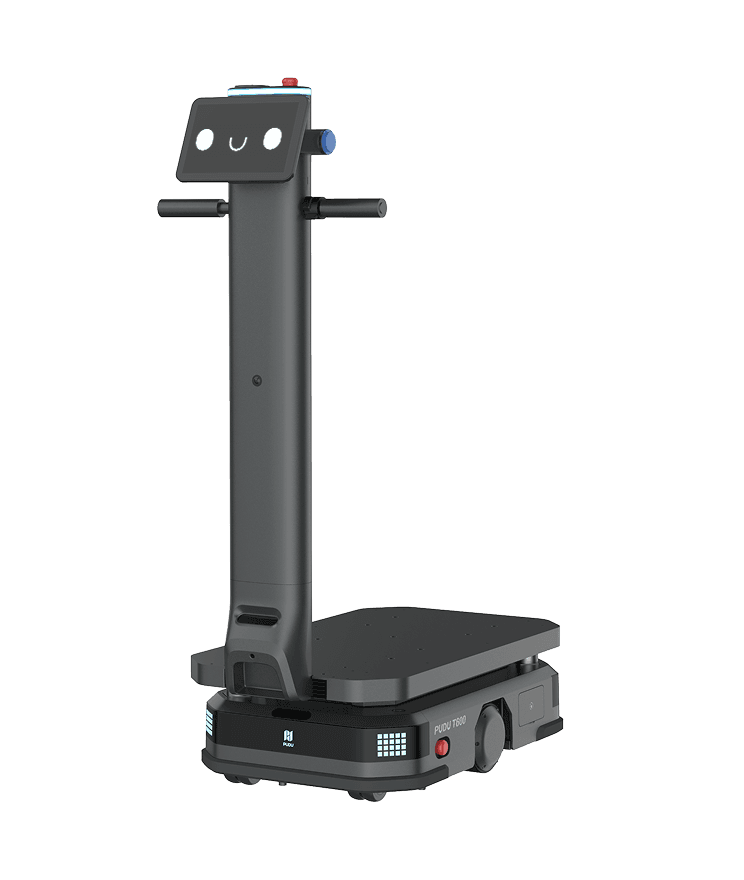
What sets the Tian Yi 2.0 apart is combining three jobs in one body: reception, patrol and autonomous transport that uses lifts. The thermal infrared channel turns the inspection scenario into a serious claim, while using lifts without modifying the building makes installation in existing premises easier. On the other hand, 88.5 kg on a wheeled base means limits in buildings with stairs or thresholds. If a service robot is needed today, the Pudu family can be ordered in Turkey with warranty and service; the Tian Yi differentiates itself on work that needs arms and autonomous task execution.
Details & Performance Parameters.

Physical Architecture

Dimensions130-165 cm adjustable height
Weight88.5 kg

Dynamic Performance

Energy & Protection

Battery15 Ah 48 V
EnduranceMore than 2 hours

Computing & Intelligence

CPU / Processor

NVIDIA Orin AGX 64 ×1, 275 TOPS

Sensor Fusion

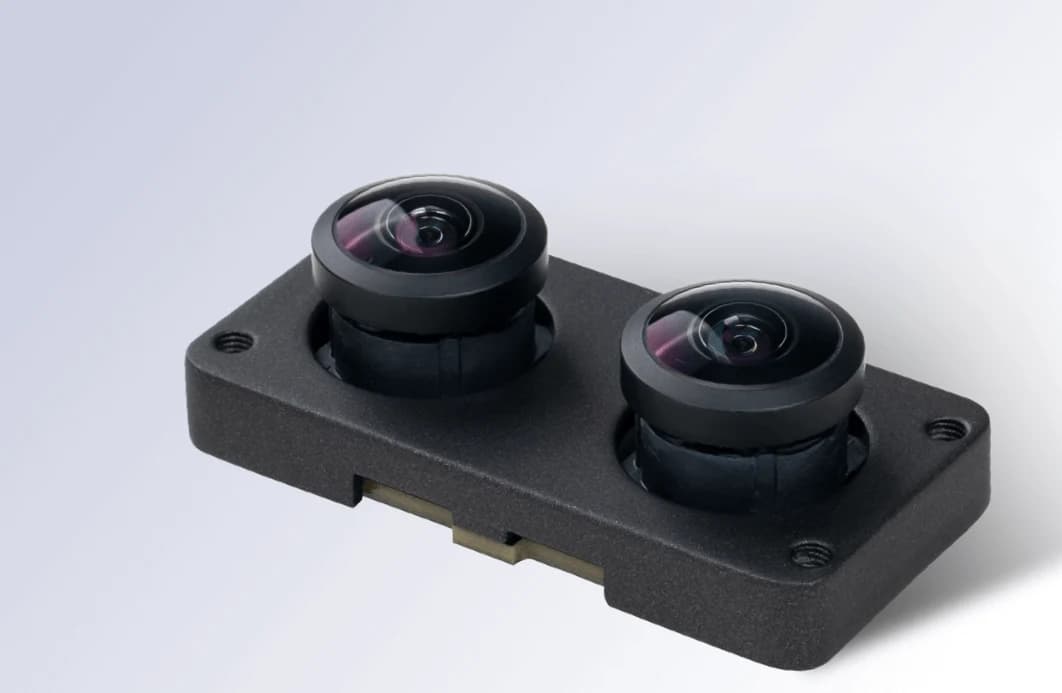
Head RGBD camera ×1 and RGB camera ×1; two RGBD cameras on the bottom chassis; single-line LiDAR ×1; visible light and thermal infrared recognition

Interaction System

4 × linear microphones; low-latency voice interaction with recognition of user gestures and facial expressions

Connectivity

External communication over Wi-Fi 6, Ethernet and Bluetooth; internal whole-body CAN and EtherCAT between 500 Hz and 1 kHz

Smart Features

Dexterous hand at 20 Hz, robotic arm above 200 Hz, RGBD camera at 30 Hz; remote operation through VR or a cockpit interface

Operating System

Ubuntu 22.04 with a ROS 1 control layer

Mechanical Components

dof layout

35 degrees of freedom in total: head 3, 7 per arm, waist 2, 2 per leg, bottom chassis 2, dexterous hands 6 ×2

height range

Adjustable height between 130 cm and 165 cm; 88.5 kg

control loop

Whole-body CAN and EtherCAT between 500 Hz and 1 kHz; dexterous hand 20 Hz, robotic arm above 200 Hz, RGBD camera 30 Hz

power

15 Ah 48 V battery; more than 2 hours of operation

Hardware & Materials

Materials Used

A humanoid upper body combined with a wheeled base; an 88.5 kg body with two dexterous hands (6 degrees of freedom each)

Torque Density

35 degrees of freedom: head 3, 7 per arm, waist 2, 2 per leg, base 2, 6 per hand

Bring Autonomous Power to the Field.

Start your Tian Yi 2.0 project with our experts now.

QUOTE

Get a Tian Yi 2.0 Quote

There is no single list price; the investment depends on configuration and use case. Fill in the form and we will return with a clear, tailored quote.

  • Supply plan and delivery schedule from the manufacturer line
  • Technical feasibility against your project requirements
  • Integration scope and engineering support
  • Specification and documentation support for corporate procurement

Prefer to talk now: 0850 532 6 777

Product of interest: Tian Yi 2.0

Tian Yi 2.0 Frequently Asked Questions

The most commonly asked questions and answers about Tian Yi 2.0.

Sourcing, delivery schedule and investment for the Tian Yi 2.0 are settled per project. If you have a corporate requirement you can talk to Robotlar.org: we assess the sourcing process, a realistic timeline and the alternatives deliverable today.

Per the specification table on the product page: 130-165 cm adjustable height, 88.5 kg, more than 2 hours of runtime and a 15 Ah 48 V battery. Thirty-five degrees of freedom in total: head 3, 7 per arm, waist 2, 2 per leg, base 2 and dexterous hands 6 ×2. Compute is a single NVIDIA Orin AGX 64 at 275 TOPS. Cameras: head RGBD ×1 and RGB ×1, bottom chassis RGBD ×2; single-line LiDAR ×1 and 4 linear microphones. Software is Ubuntu 22.04 with ROS 1.

Three scenarios stand out: reception and guiding (voice interaction against the organization's knowledge base with sub-second responses), patrol and inspection (offices, factories and field sites with visible light and thermal infrared recognition), and autonomous action (transporting items and opening cabinets, including pressing lift buttons and swiping cards). Swapping software modules on the same hardware allows a night patrol and daytime reception pattern.

An operator controls the robot's base and arms through VR equipment or a cockpit interface to carry out intricate tasks. One operator can manage several robots, which is how human intervention enters abnormal incidents and emergencies during inspection. The same capability makes it possible to substitute a robot for a person in hazardous environments.