
How Much Does the Booster K1 Cost?
K1 investment is scoped per project. The manufacturer shows a starting price on its own product page, but Robotlar.org prices per project: the investment is set by corporate quotation according to edition (Geek, Education or Professional), unit count and delivery terms. If you have a school, university or corporate requirement, reach us through the contact form.
Is It for Sale in Turkey?
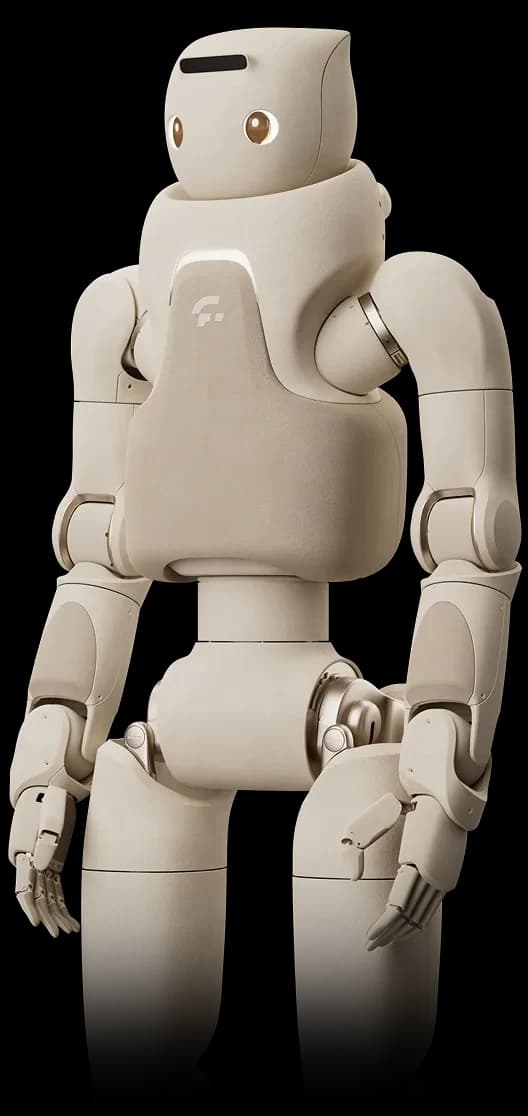
We deliver Booster Robotics hardware to corporate projects through enterprise supply, commissioning and engineering support. We talk with schools and organizations that have a K1 requirement and assess import and delivery terms, the service plan and a realistic timeline per project. See our K1 product page for the full technical breakdown.
Differences Between Editions
| Measure | Geek | Education | Professional |
|---|---|---|---|
| Height and weight | Approximately 95 cm, 19.5 kg | ||
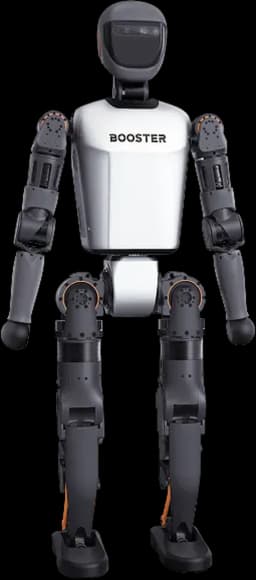
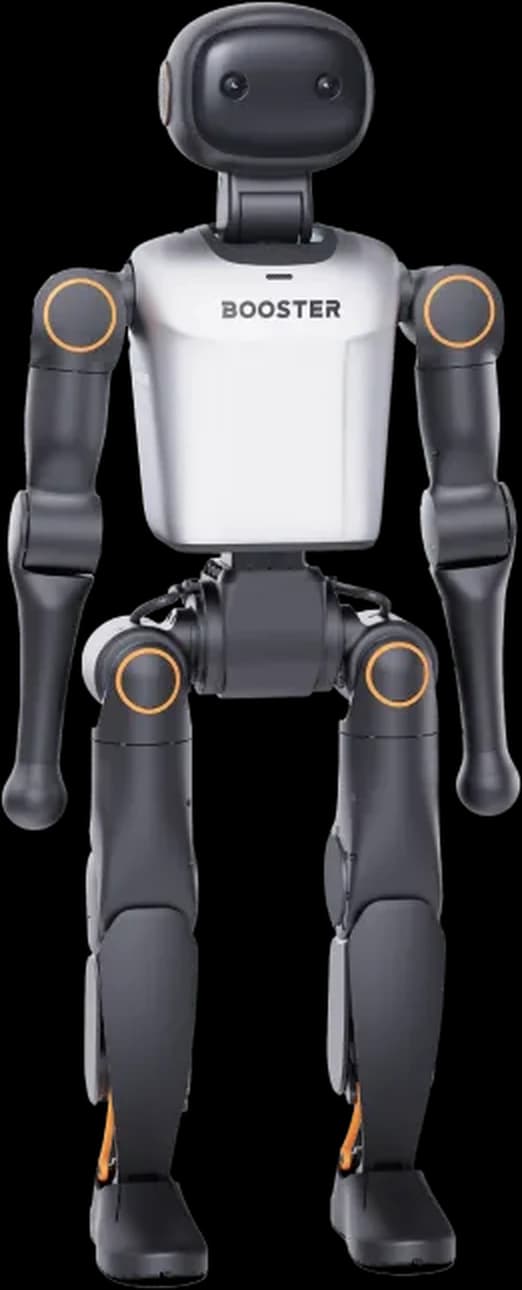
| Degrees of freedom | 22 (leg 6, arm 4, head 2; no waist) | ||
| AI performance | 48 TOPS (Dense) | 117 TOPS | 200 TOPS |
| Battery | 2 Ah | 5 Ah | 5 Ah |
| Battery life | 30 minutes | 80 minutes | 80 minutes |
| Wireless | Wi-Fi | Wi-Fi 6 | Wi-Fi 6 |
| Warranty | 3 months | 1 year | 1 year |
| Peak torque | 60 N·m, dual encoder | ||
| Joint range | Hip pitch -171° to 126°, knee 0-127°, ankle pitch -50° to 20° | ||
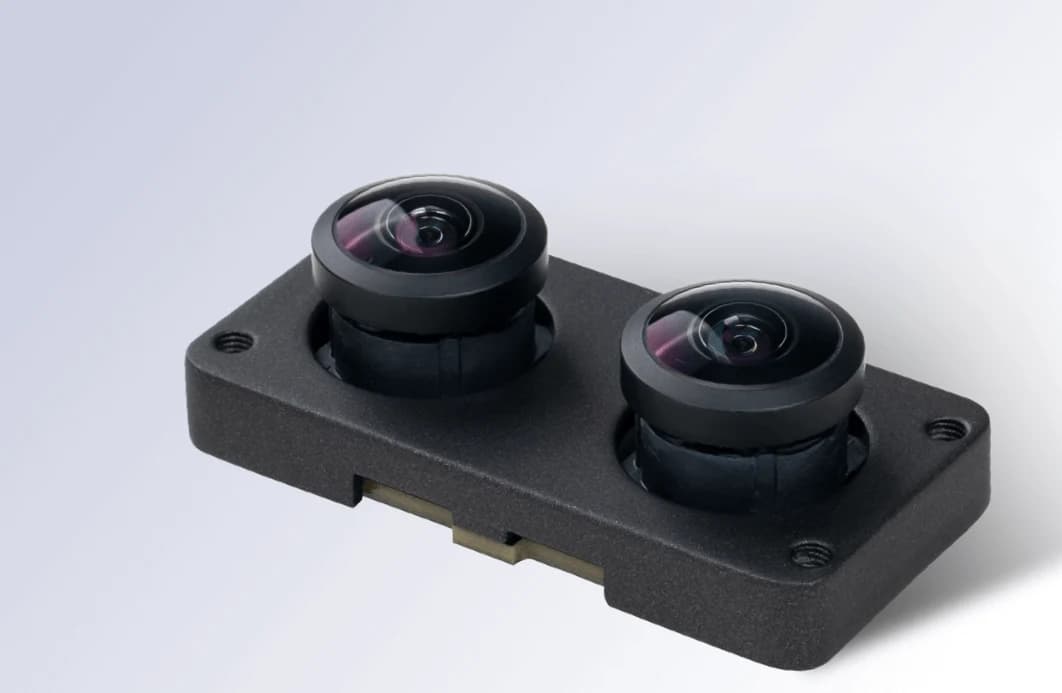
| Camera and IMU | Stereo depth camera, 9-axis IMU | ||
| Audio | Circular three-microphone array and speaker | ||
| Large language model | Doubao, free for six months | ||
| Connectivity | Bluetooth 5.2, Gigabit Ethernet | ||
Figures come from the specification table on the K1 product page. Runtime is given for a 0.4 m/s walk. The warranty periods are the manufacturer's product warranty.
Which Edition for a School
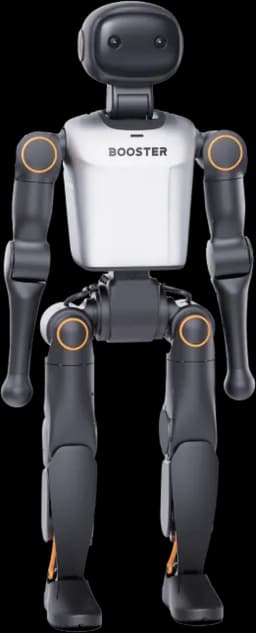
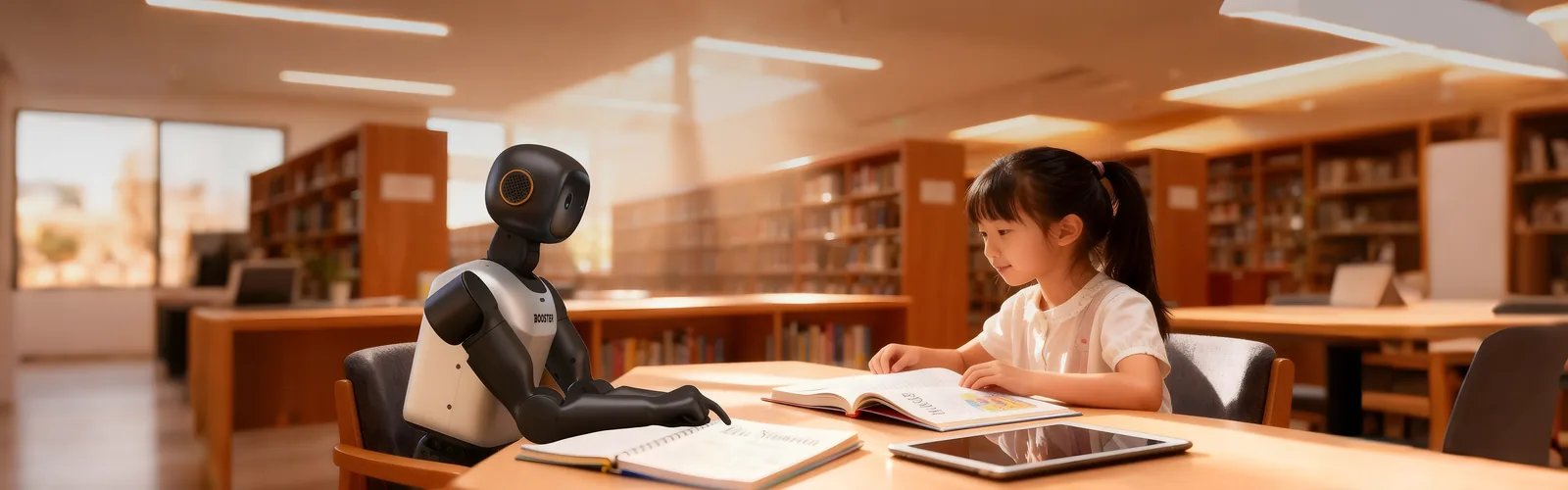
For classroom use the Education or Professional edition is the sensible choice, and the reason is battery rather than compute. The Geek edition's 2 Ah pack gives 30 minutes at a 0.4 m/s walk; since a lesson period usually runs 40 minutes, the robot would need a charge stop mid-lesson. The Education and Professional editions reach 80 minutes on 5 Ah and extend the warranty from three months to one year. The compute difference matters if you will run vision-based models on the robot: 48 TOPS suffices for pre-trained policies, while 200 TOPS is needed to run your own model on the robot. The body, joints, torque and sensors are identical across the three editions.
Who It Is For: Education and Competition
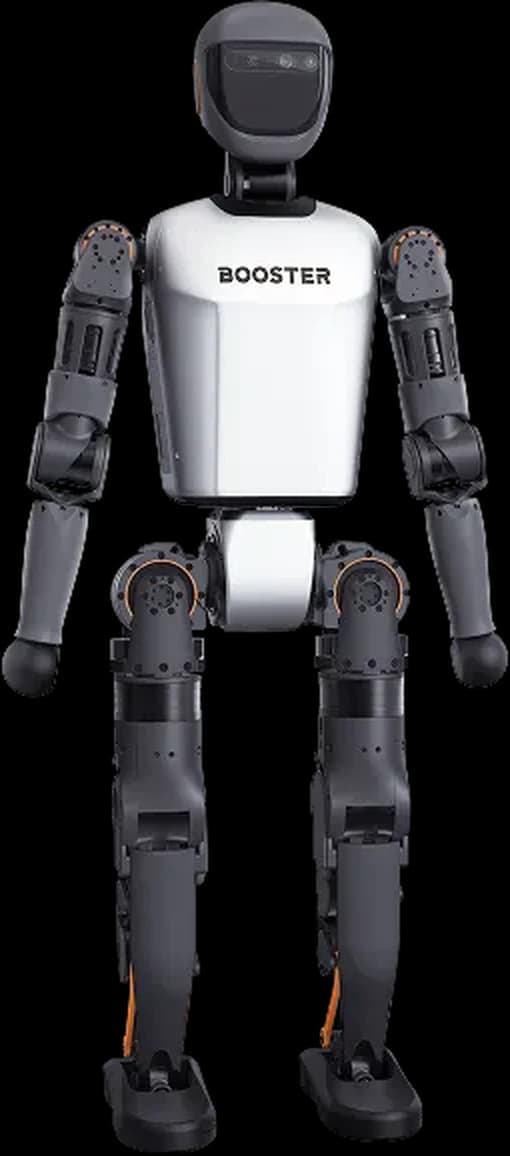
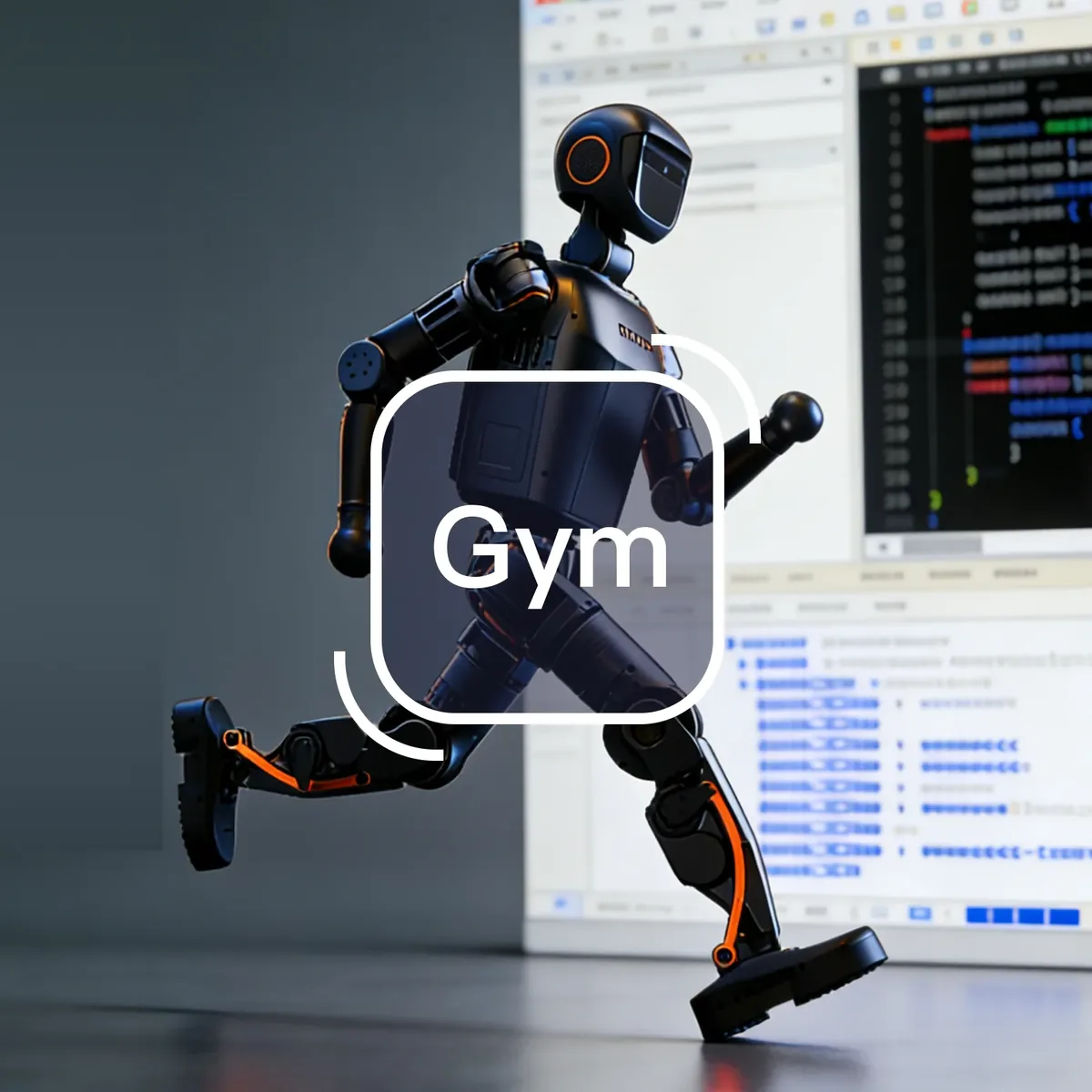
The K1's dimensions come from the RoboCup KidSize rule set, and the education payoff is direct: at 19.5 kg a teacher can carry the robot between classrooms alone. Weight also sets the fall risk; in this class, when the robot tips over neither it nor its surroundings take serious damage, which is what allows student use. On the software side there is the Booster GYM 2.0 motion library, the open-source Booster SDK and developer documentation, so a student can train their own policy and run it on a real body. With no waist joint and four joints per arm it is not suited to manipulation work; the K1 is deliberately a locomotion and interaction platform.
The T1 for Research, the T2 for Manipulation
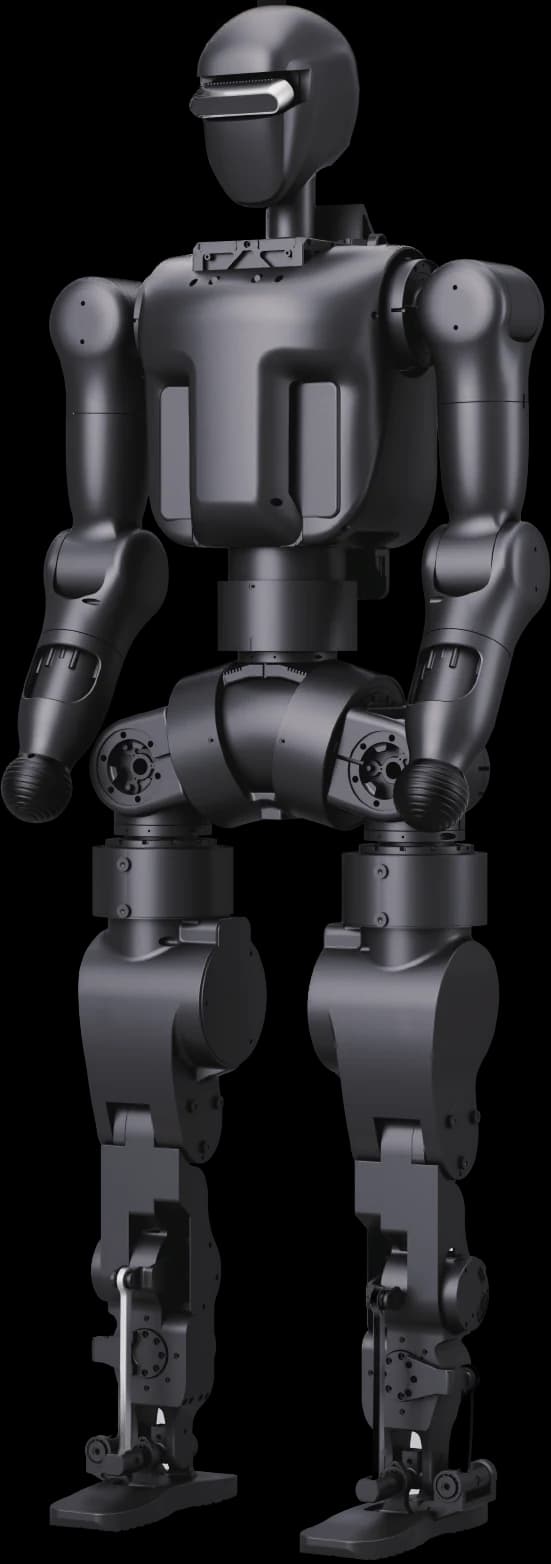
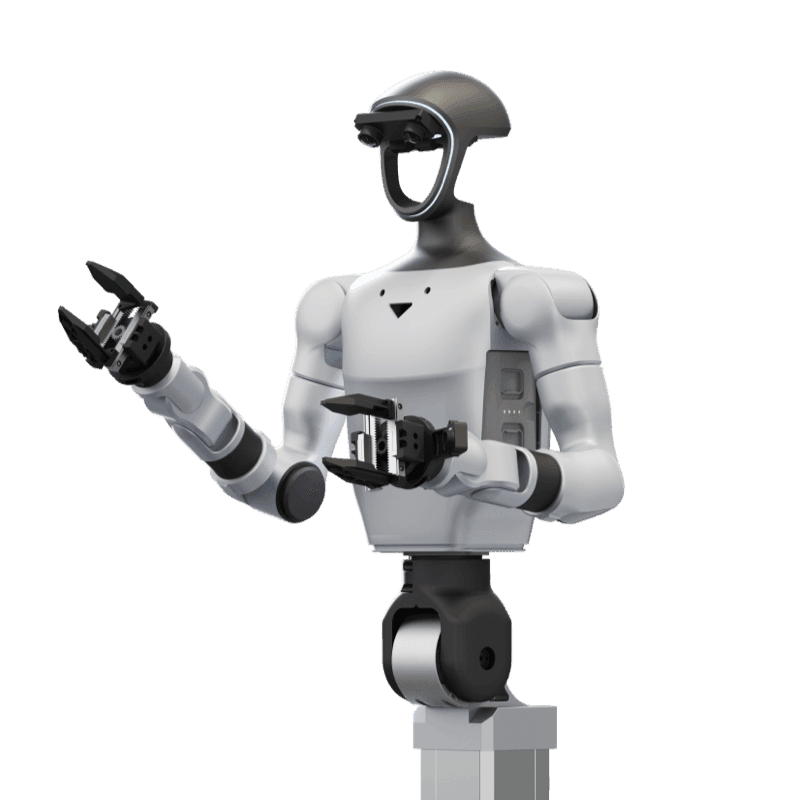
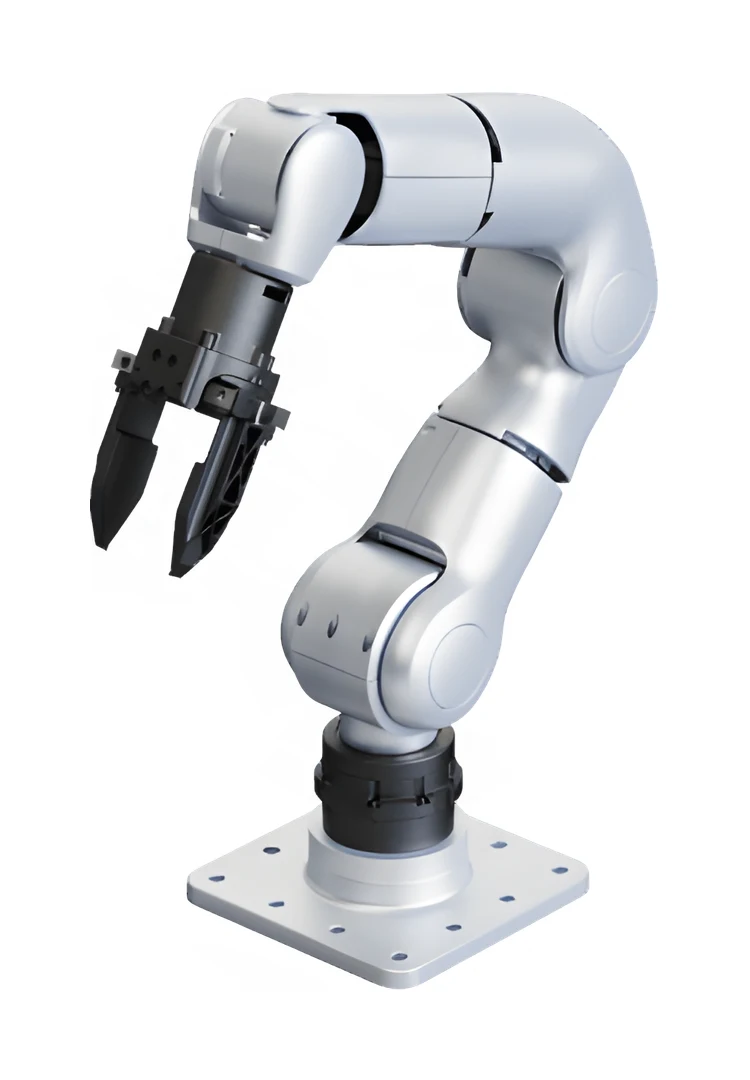
For university research and the RoboCup AdultSize category, the same family's T1 fits better: 118 cm, 30 kg, 130 N·m peak torque and up to 41 degrees of freedom by configuration. If manipulation and load are required, the T2: a three-axis waist, seven degrees of freedom per arm and 10 kg of dual-arm payload.
The Alternative Deliverable Today
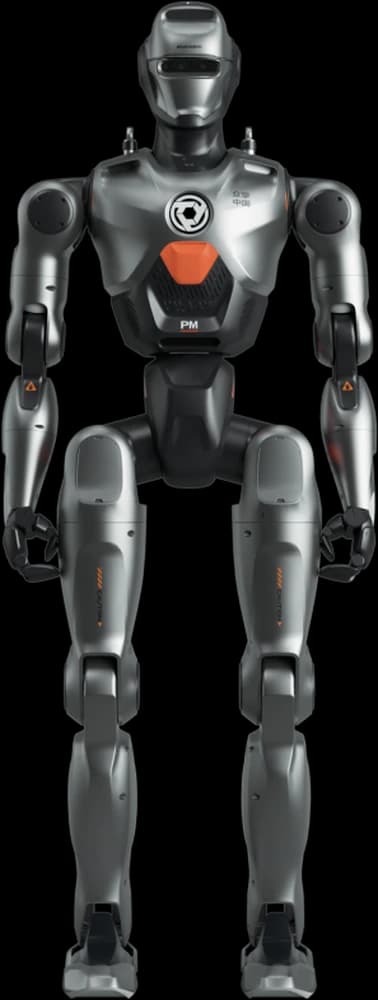
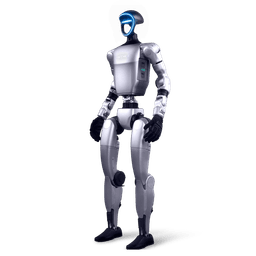
The Unitree G1 can be ordered in Turkey today, with 4-6 week delivery, a 1-year official warranty, on-site commissioning and engineering support across Turkey. At 132 cm and 35 kg the G1 is larger and heavier than the K1, which is worth factoring in if portability between classrooms is your priority. In return, the G1 EDU edition reaches up to 43 degrees of freedom and is widely used in university research. See the humanoid robot category for the wider picture.