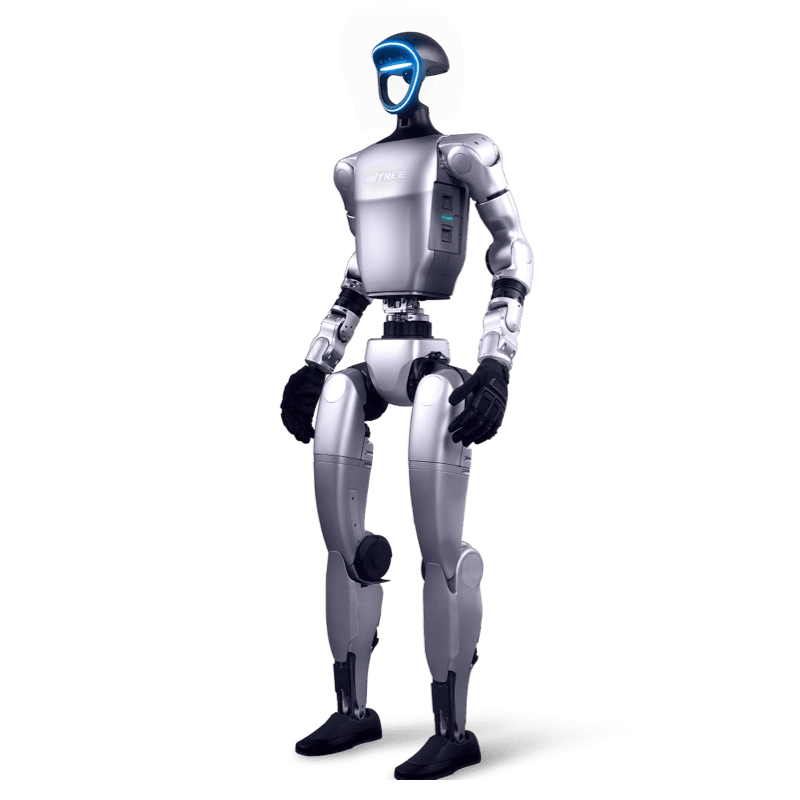
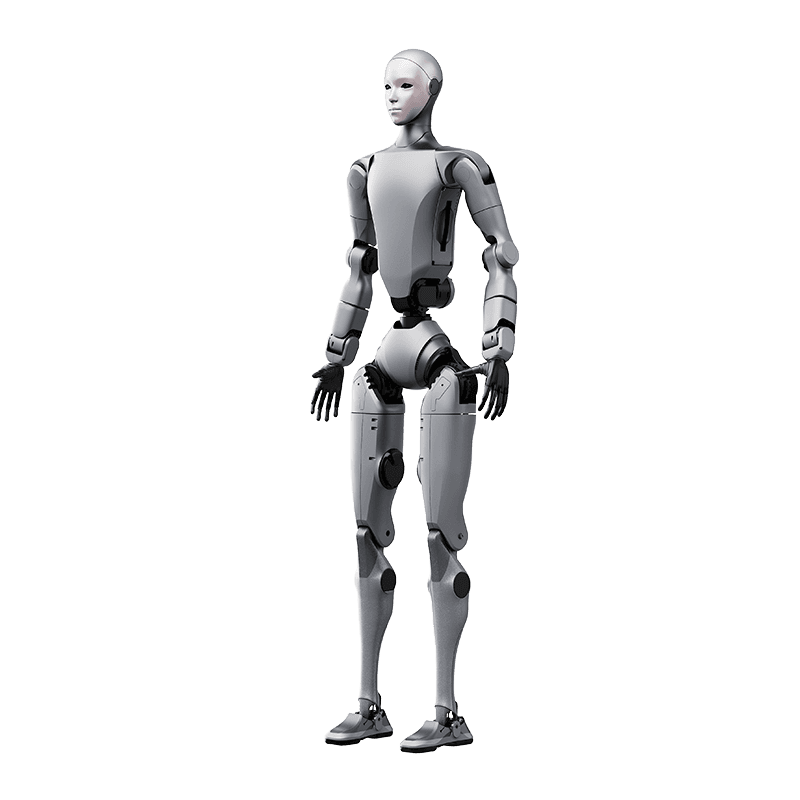
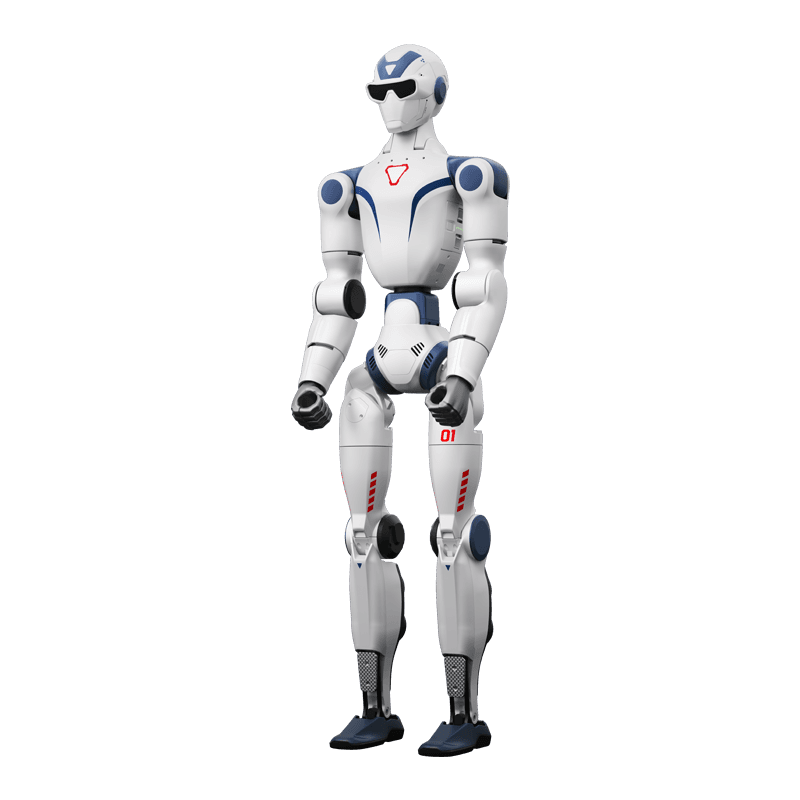
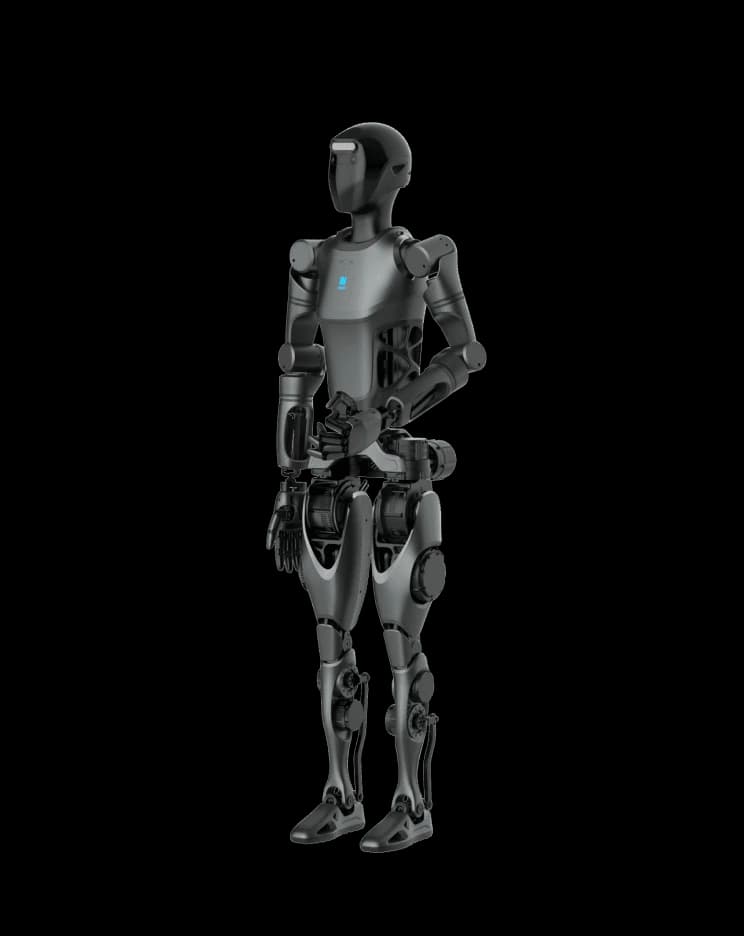
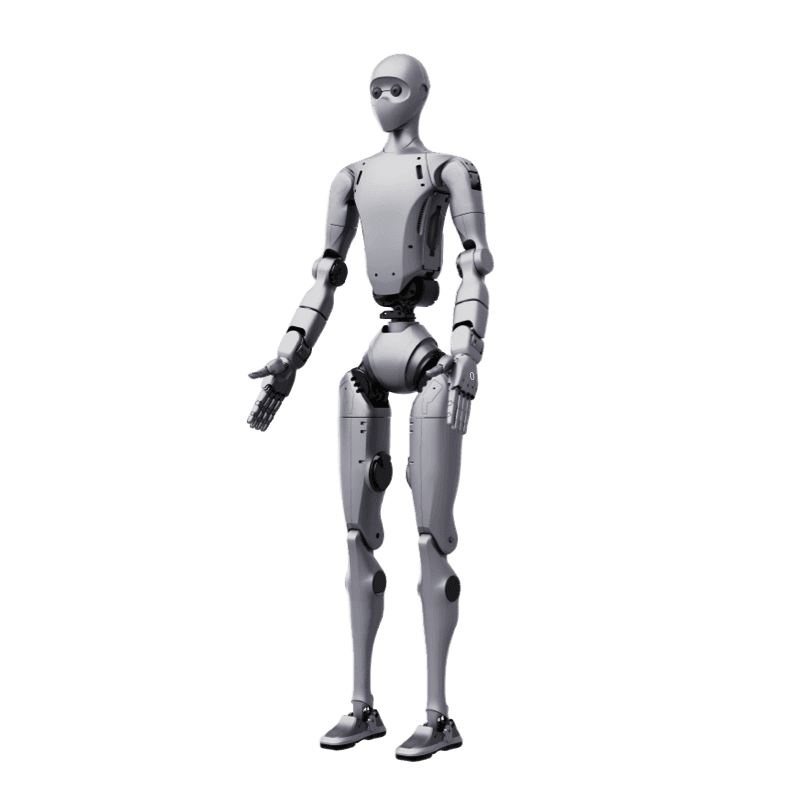
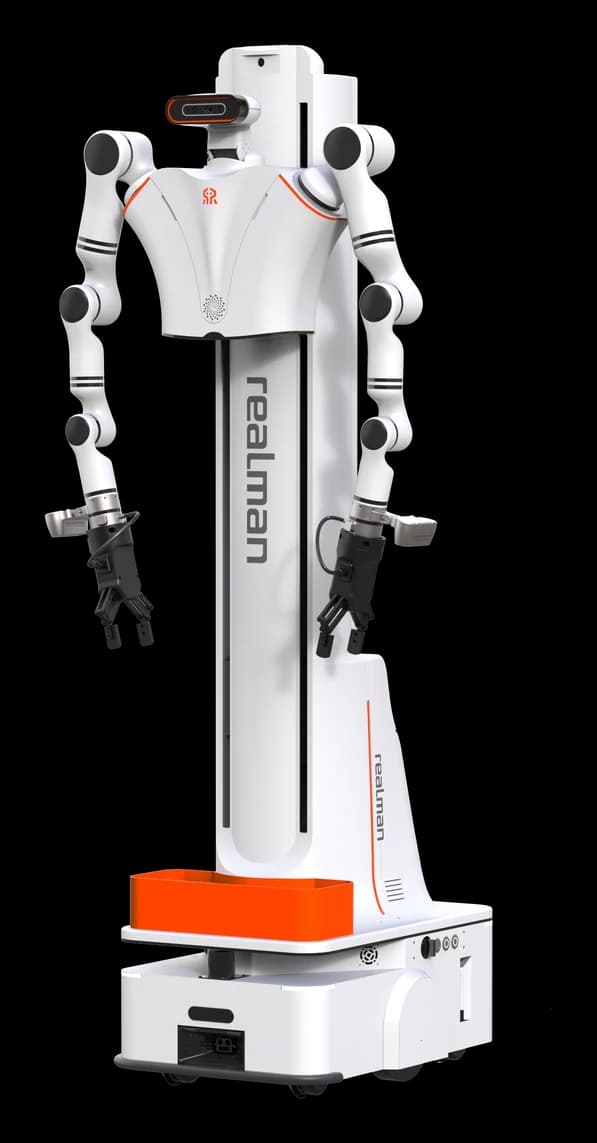
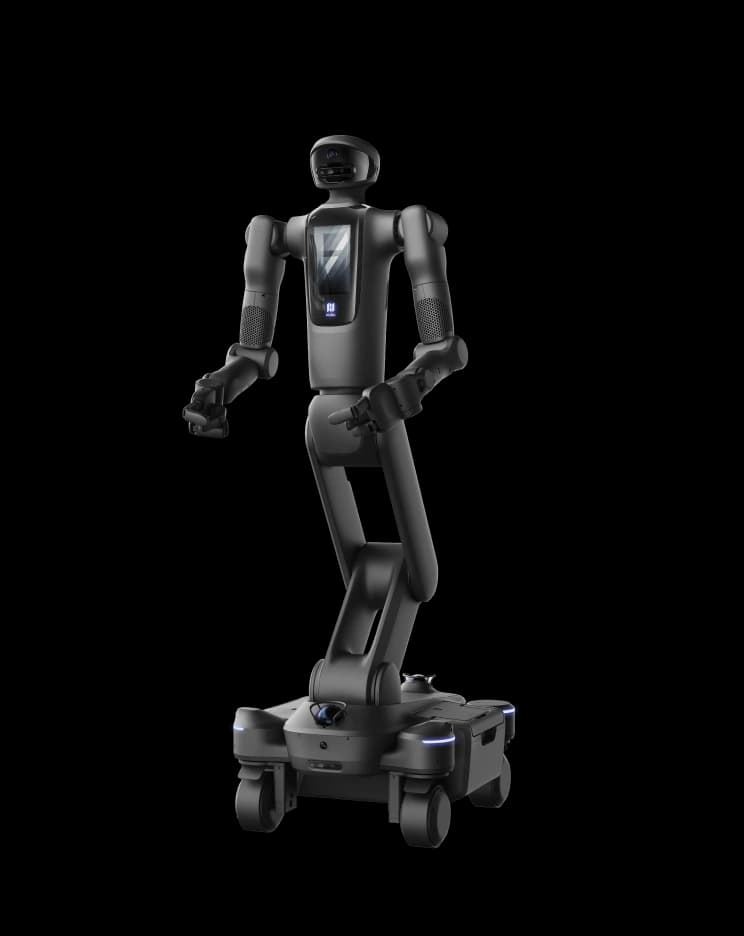
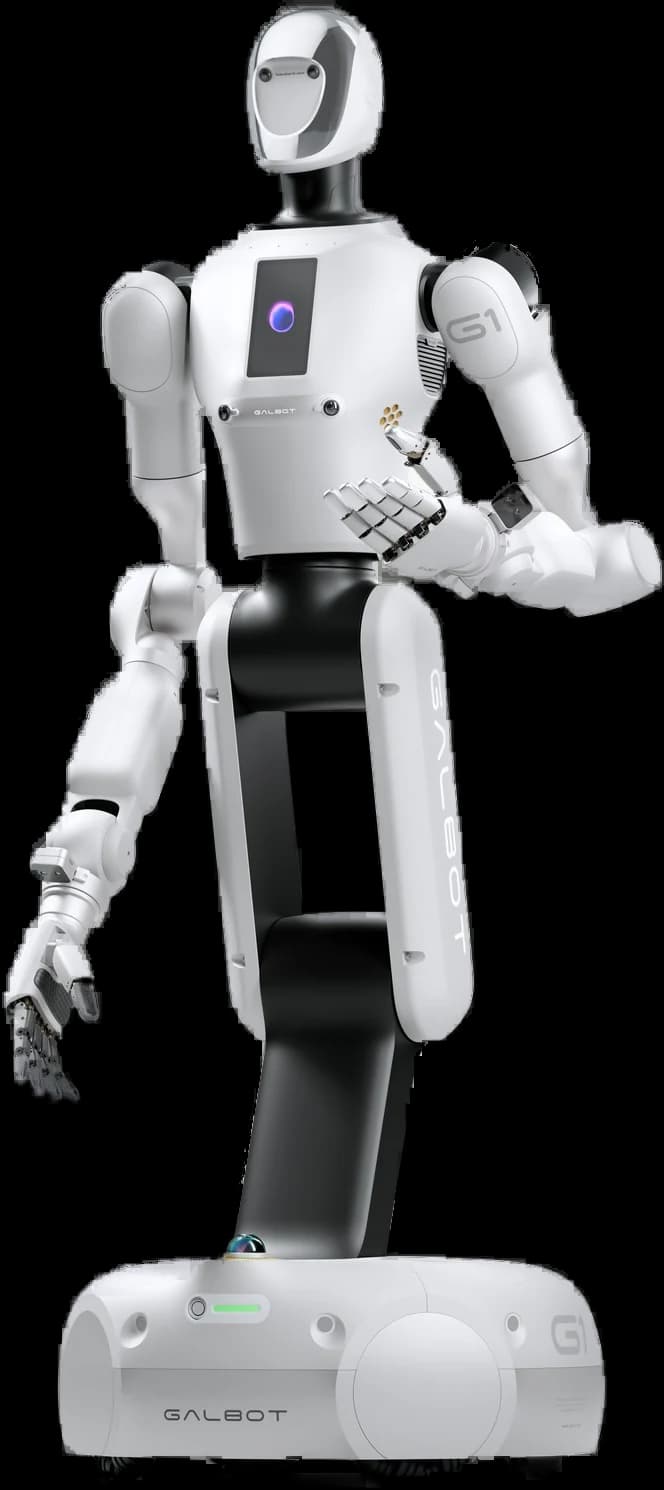
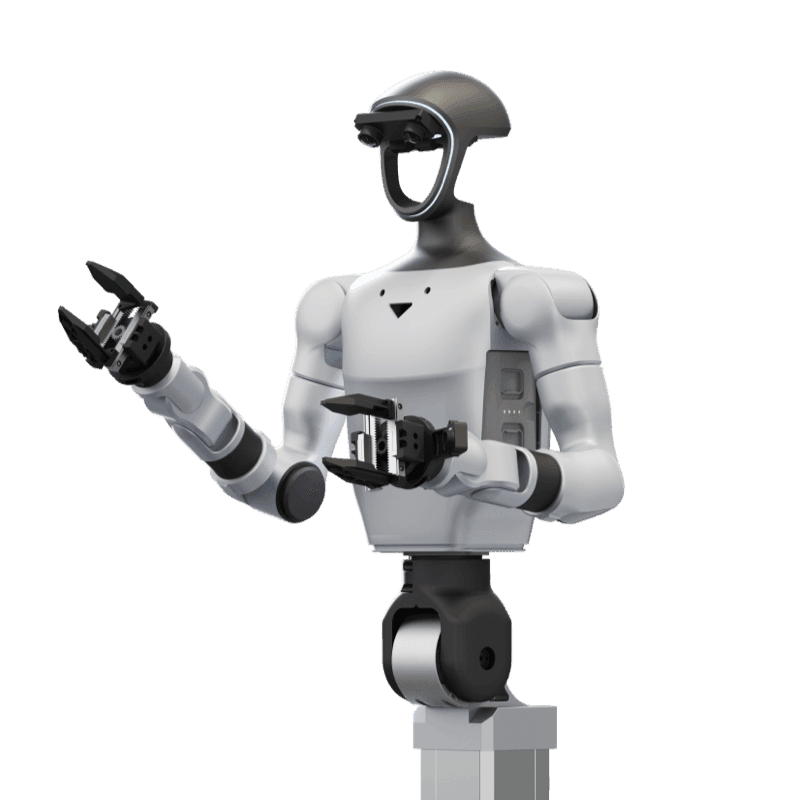
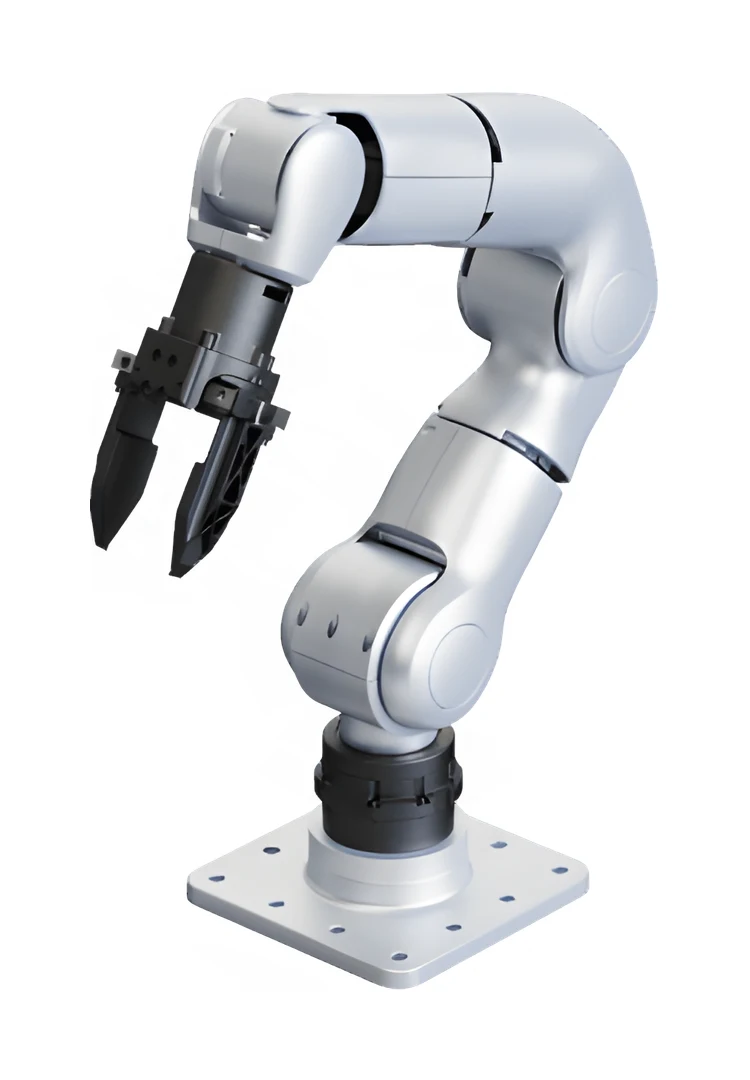
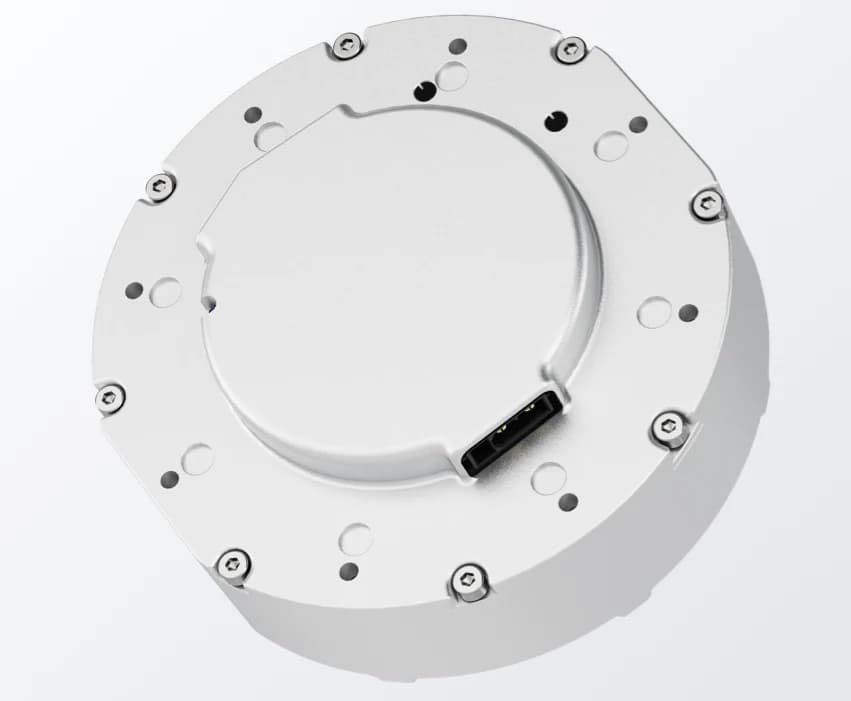
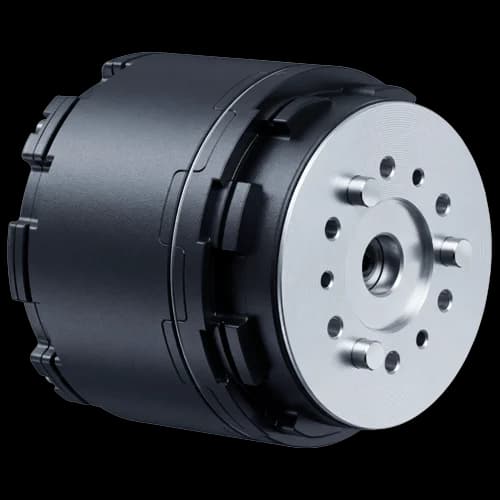
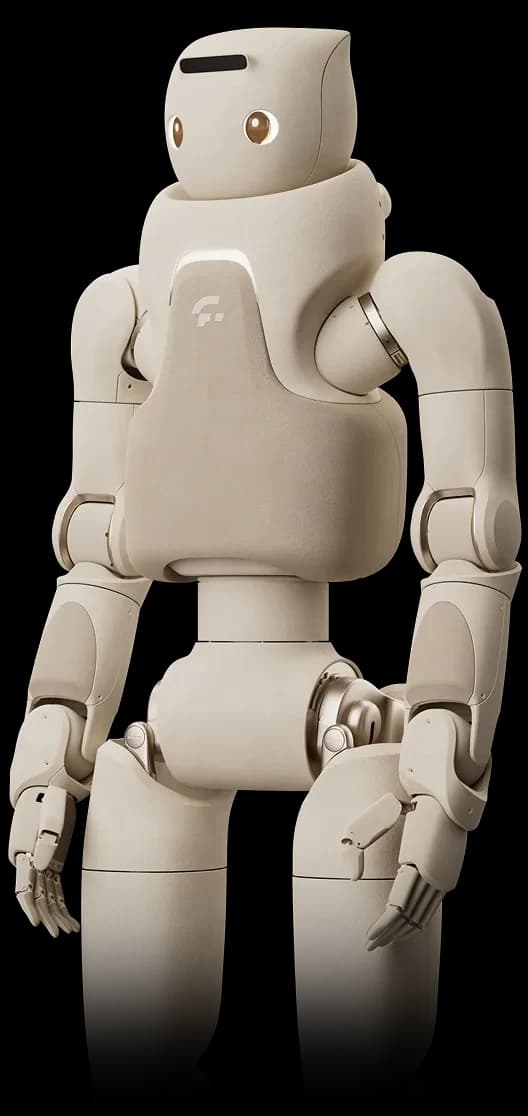
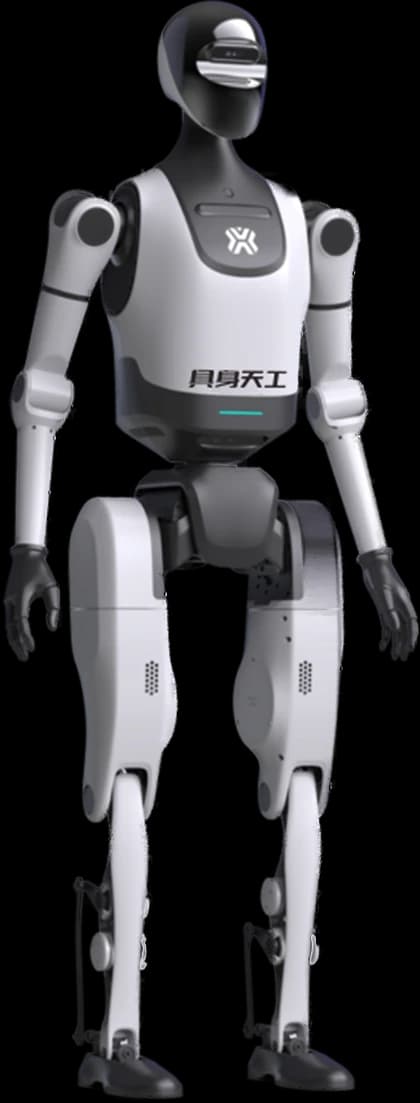
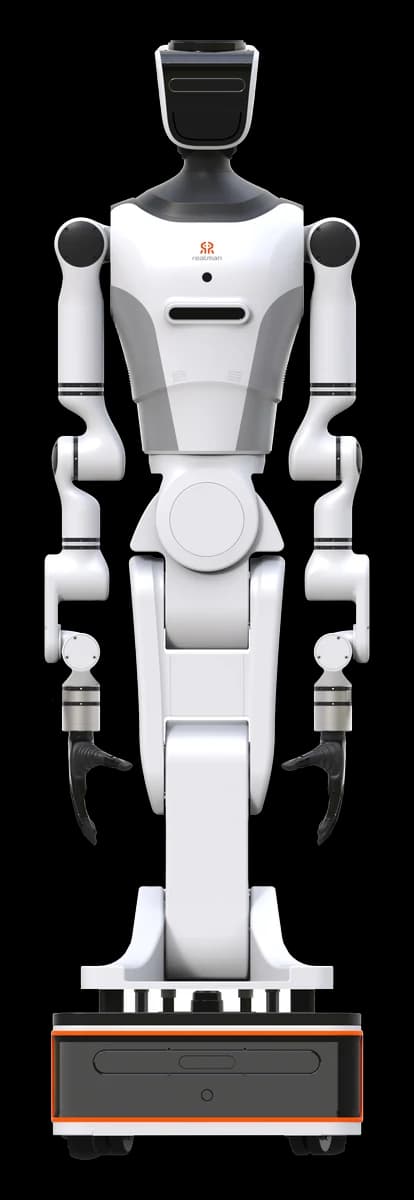
The Fourier GRW is a dual-arm humanoid handling robot on a wheeled base. It was built for high-load assistive work across rehabilitation, eldercare, warehousing and logistics, and light manufacturing. Body height adjusts between 1160 and 1650 mm and it weighs approximately 160 kg.
Read moreShow less
It carries up to 16 kg with both arms, works with a 1970 mm arm span and a 2000 mm working height, and holds ±0.1 mm repeatability. There are 29 degrees of freedom excluding end-effectors: head 2, seven per arm, waist 3, foldable lower body 2 and mobile base 8. Maximum speed is 1.5 m/s, peak torque approximately 500 N·m and the communication interface is EtherCAT. Two 720 Wh batteries provide up to four hours of operation and hot-swap without shutting the robot down. Robotlar.org assesses sourcing and alternatives together with organizations that have a GRW requirement.
Enterprise supply · specification support · integration engineering
1/11
Overview
The Fourier GRW is a handling robot that combines a wheeled mobile base with coordinated dual-arm manipulation. It was built for high-load assistive work across rehabilitation, eldercare, warehousing and logistics, and light manufacturing.
Mechanically: height adjusts between 1160 and 1650 mm, the footprint is 720 × 618 mm, shoulder width 585 mm and weight approximately 160 kg. Arm span is 1970 mm, maximum reach height 2100 mm, maximum working height 2000 mm and turning diameter 895 mm. There are 29 degrees of freedom excluding end-effectors: head 2, single arm 7, waist 3, foldable lower body 2, mobile base 8. Peak torque is approximately 500 N·m and the communication interface is EtherCAT.
On performance: maximum speed 1.5 m/s, maximum gradeability 10 degrees, up to 16 kg dual-arm payload and ±0.1 mm repeatability. Rated voltage is 48 V, rated power approximately 1200 W, and power-loss braking is supported.
For energy there are two 720 Wh lithium-ion batteries: up to four hours of operation, approximately two hours of charging, 5.8 kg battery weight, over 2,000 cycles at 80% depth of discharge and autonomous hot swapping.
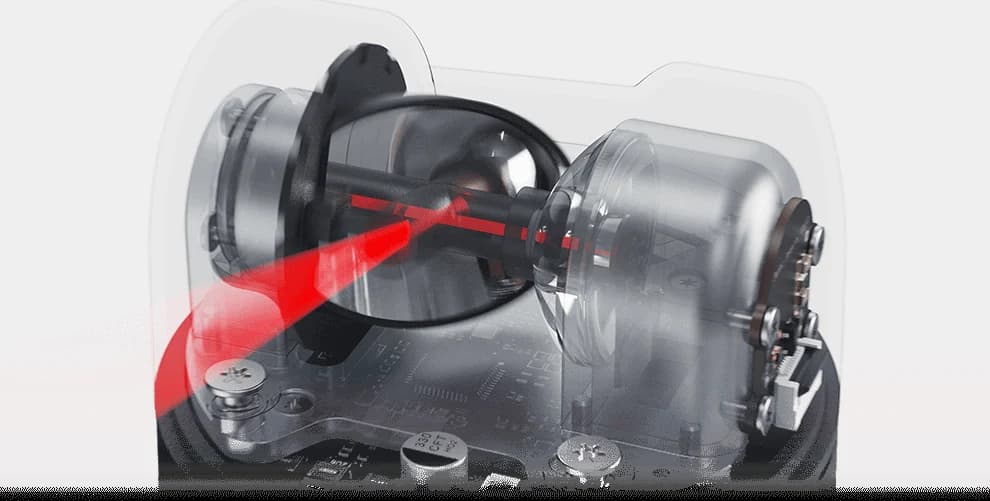
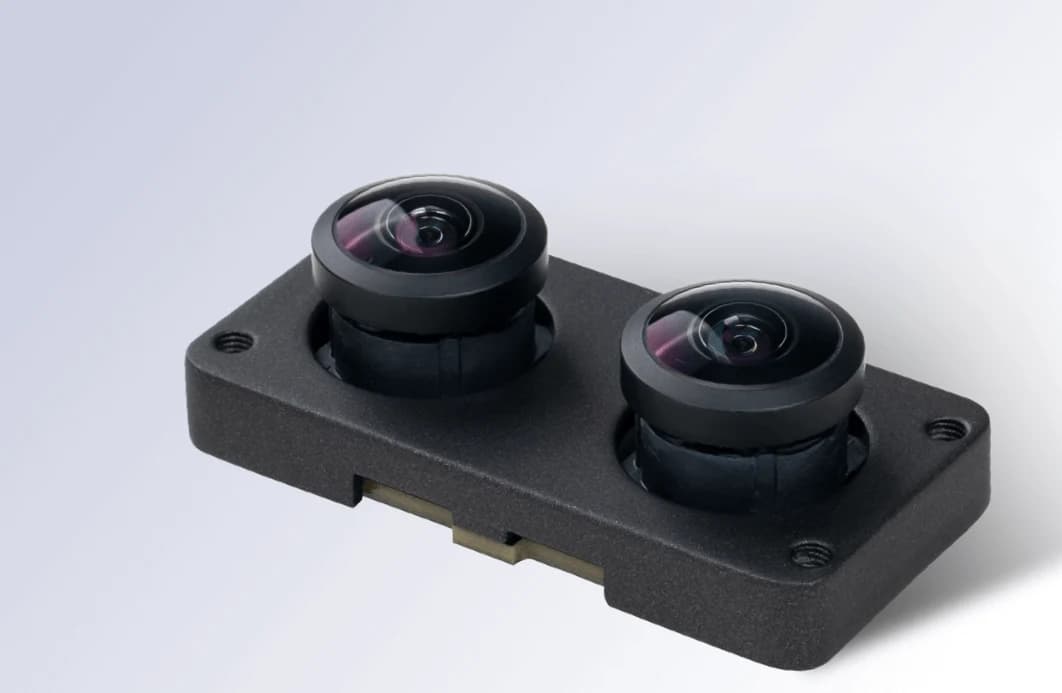
Perception includes one RGB structured-light camera, four depth cameras, two LiDAR units, eight ultrasonic sensors and a 6-axis IMU. Compute runs on an 8-core high-performance CPU with an AMD Ryzen processor under Ubuntu 22.04; NVIDIA Jetson AGX Orin or Thor is offered as the AI platform. The frame is aerospace-grade aluminium alloy and engineering plastic.
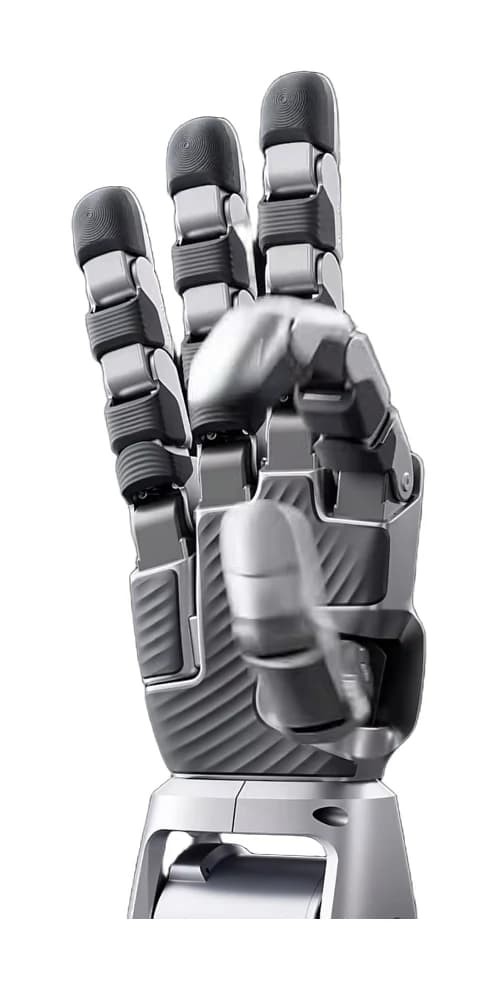
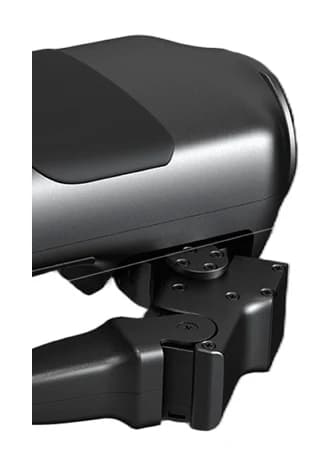
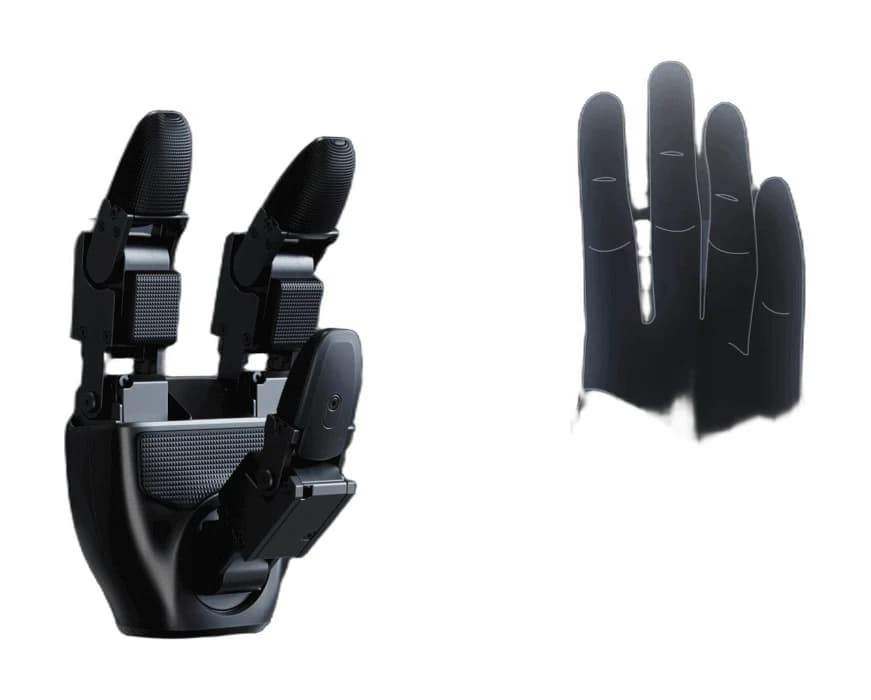
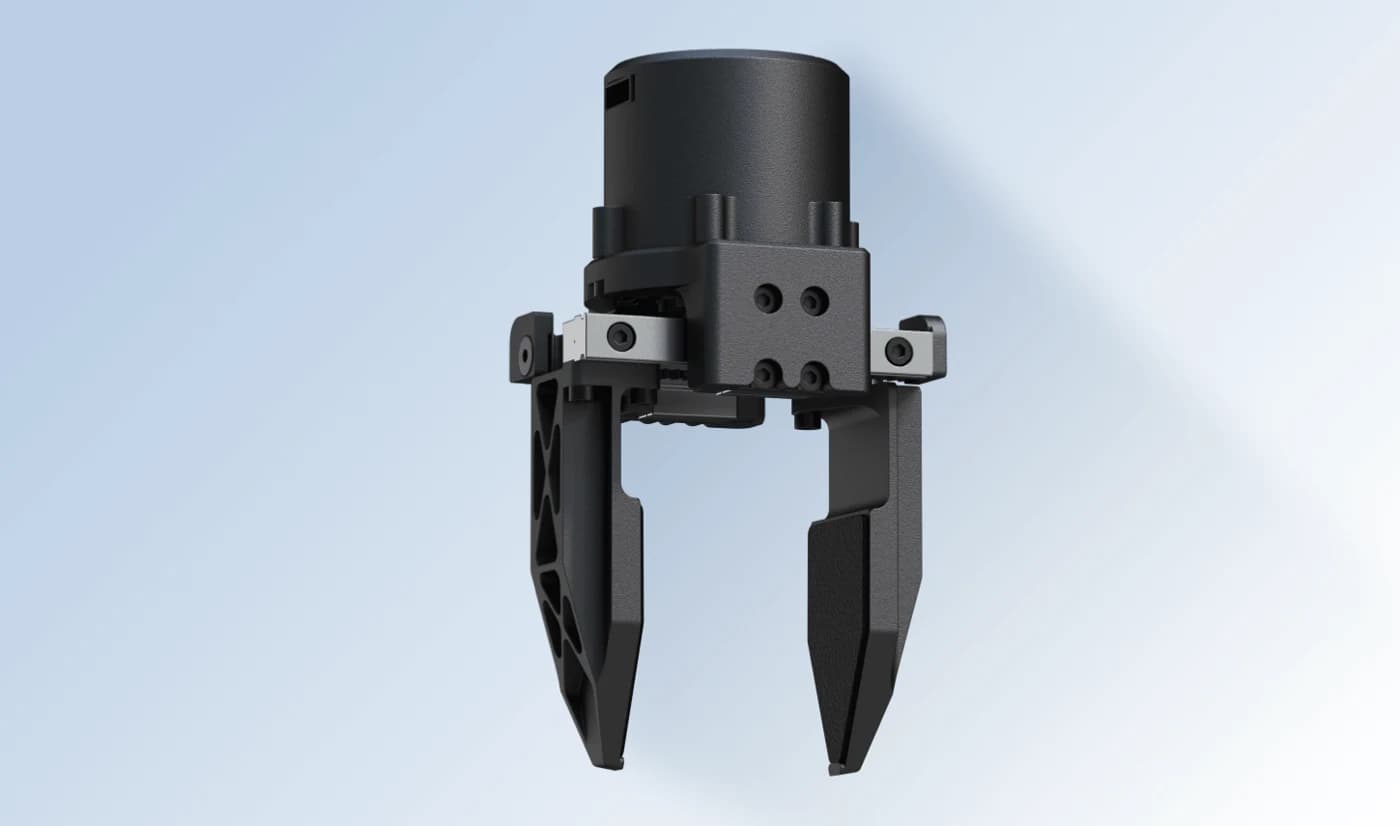
End-effectors are interchangeable: a three-finger gripper, a paddle gripper, a two-finger gripper and a dexterous hand. The FOCUS fleet management and communication system lets the robot operate alone or as part of a coordinated multi-robot system, and drag-and-drop task programming allows workflows to be built without coding.
For organizations with a GRW requirement we assess sourcing, timing and the alternatives deliverable today transparently.
The use cases the manufacturer defines for the Fourier GRW.
01Warehouse and logistics
02Companionship and home
Key Advantages
Power That Makes a Difference
Up to 16 kg of stable dual-arm payload, a working reach of nearly two metres and ±0.1 mm repeatability come together.
That combination covers lifting, transport, rehabilitation assistance and material handling.
By taking on physically demanding work it reduces the burden on people and improves throughput.
Reliable Around the Clock
Two 720 Wh lithium-ion batteries give up to four hours of runtime and refresh through autonomous hot swapping without shutting the robot down.
Charging takes approximately two hours and battery life exceeds 2,000 cycles at 80% depth of discharge.
Power-loss braking, anti-tip protection and rapid fault response provide multi-layer safety.
Adaptive Mobility
Autonomous 360-degree navigation, intelligent obstacle avoidance and a modular dual-arm architecture work together.
Maximum speed is 1.5 m/s, turning diameter 895 mm and maximum gradeability 10 degrees.
A 720 × 618 mm footprint and foldable lower body let the robot work within existing corridor and doorway widths.
Plug-and-Play End-Effectors
The robot can switch between a three-finger gripper, a paddle gripper, a two-finger gripper and a dexterous hand.
Changing end-effectors lets the same body adapt quickly to workflows from warehouse sorting to care assistance.
End-effectors are configured as options.
Effortless Deployment
A comprehensive software toolchain covers mapping, remote control, fault management and system integration.
Drag-and-drop task programming lets workflows be configured without complex coding.
The FOCUS fleet management and communication system allows the robot to operate alone or as part of a coordinated multi-robot system.
Wellness Care Scenario
Transfer assistance, heavy lifting and item delivery fall within this body's scope.
A height adjustable between 1160 and 1650 mm makes it possible to move between reaching a seated person and working at shelf height.
A 16 kg dual-arm capacity covers physical loads beyond the 3 kg single-arm capacity of the GR-3 humanoid.
Warehousing and Logistics
In sorting, box handling and shelf picking, coordinated multi-robot operation is managed through the FOCUS system.
The ±0.1 mm repeatability keeps the same grasp point consistent across a shift.
A 2100 mm reach height provides access to upper shelf levels.
Specifications
The specification table covers the full mechanical, joint, electronic, performance, battery, processor, sensor and material headings.
Height is 1160-1650 mm, weight approximately 160 kg, total degrees of freedom 29, peak torque approximately 500 N·m, rated power approximately 1200 W, maximum speed 1.5 m/s, with two 720 Wh batteries.
The Fourier GRW up close
10 images; tap to enlarge.
Technical Specifications
37 values in 6 categories; data published by the manufacturer.
Size and weight
Dimensions (standing)
Height 1160-1650 mm; footprint 720 × 618 mm; shoulder width 585 mm; arm span 1970 mm; maximum reach height 2100 mm; maximum working height 2000 mm
Weight
Approx. 160 kg
Arm reach
1970 mm arm span (excluding end-effectors); maximum reach height 2100 mm
Motion and performance
Payload
16 kg
Arm payload
Up to 16 kg with both arms
Maximum speed
1.5 m/s
Climb angle
Up to 10 degrees maximum gradeability
Turning radius
895 mm (turning diameter)
Repeatability
± 0.1 mm
Power and runtime
Battery capacity
720 Wh × 2 (dual batteries)
Battery
720 Wh × 2 lithium-ion; 48 V nominal, 51 V charging voltage, 5.8 kg battery weight, over 2,000 cycles (80% DoD); approximately 2 hours charging; hot swapping supported
Battery voltage
48,0 V
Runtime
Up to 4 hours
Charging time
Approx. 2 hours
Charger
AC input 100-240 VAC, 50/60 Hz; DC output 51.0 V / 7.0 A
Operating power
Approximately 1200 W rated power
Operating voltage
48.0 V nominal voltage; 51.0 V charging voltage
General structure
Mobility form
Wheeled mobile base; 360-degree autonomous navigation, maximum gradeability 10 degrees, 895 mm turning diameter
Degrees of freedom
29 (excluding end-effectors)
Neck DoF
2 DoF
End effector
Interchangeable end-effectors (optional): three-finger gripper, paddle gripper, two-finger gripper and dexterous hand
Torque density
Peak torque approximately 500 N·m; rated power approximately 1200 W at 48 V; repeatability ±0.1 mm
Materials
Aerospace-grade aluminium alloy and engineering plastic frame
Manufacturer note
Power-loss braking is supported. End-effectors are optional and their scope must be confirmed with sales.
DoF layout
29 degrees of freedom in total excluding end-effectors; head 2, single arm 7, waist 3, foldable lower body 2, mobile base 8
Payload
Up to 16 kg of stable dual-arm payload; ±0.1 mm repeatability
Battery system
Two 720 Wh lithium-ion batteries; up to 4 hours of operation, approximately 2 hours charging, autonomous hot swapping, over 2,000 cycles
Structure and materials
Aerospace-grade aluminium alloy and engineering plastic; 720 × 618 mm footprint, 585 mm shoulder width
End effectors
Interchangeable end-effectors: three-finger gripper, paddle gripper, two-finger gripper and dexterous hand (optional)
Height 1160-1650 mm; footprint 720 × 618 mm; shoulder width 585 mm; arm span 1970 mm; maximum reach height 2100 mm; maximum working height 2000 mm
Weight
Approx. 160 kg
Arm reach
1970 mm arm span (excluding end-effectors); maximum reach height 2100 mm
Motion and performance
Payload
16 kg
Arm payload
Up to 16 kg with both arms
Maximum speed
1.5 m/s
Climb angle
Up to 10 degrees maximum gradeability
Turning radius
895 mm (turning diameter)
Repeatability
± 0.1 mm
Power and runtime
Battery capacity
720 Wh × 2 (dual batteries)
Battery
720 Wh × 2 lithium-ion; 48 V nominal, 51 V charging voltage, 5.8 kg battery weight, over 2,000 cycles (80% DoD); approximately 2 hours charging; hot swapping supported
Battery voltage
48,0 V
Runtime
Up to 4 hours
Charging time
Approx. 2 hours
Charger
AC input 100-240 VAC, 50/60 Hz; DC output 51.0 V / 7.0 A
Operating power
Approximately 1200 W rated power
Operating voltage
48.0 V nominal voltage; 51.0 V charging voltage
Sensors and connectivity
Sensors
RGB structured-light camera ×1, depth cameras ×4, LiDAR ×2, ultrasonic sensors ×8, 6-axis IMU (acceleration and angular velocity)
Connectivity
EtherCAT communication interface; USB Type-C, USB 3.0 and RJ45 I/O
Interaction
5 W speaker; drag-and-drop visual task programming interface
Software and development
Processor
8-core high-performance CPU, AMD Ryzen processor; NVIDIA Jetson AGX Orin or Thor as the AI computing platform
Operating system
Ubuntu 22.04
Software features
The FOCUS fleet management and communication system: the robot operates alone or as part of a coordinated multi-robot system; a software toolchain for mapping, remote control, fault management and system integration
Expansion module
Optional AI computing platform: NVIDIA Jetson AGX Orin / Thor
Sources and documents
Verified on the manufacturer page on 18 September 2026.
Technical Analysis of a Wheeled Base in Dual-Arm HandlingDesign decisions, comparison table and evaluation
Why Wheels Instead of Two Legs
The same manufacturer's bipedal GR-3 carries 3 kg on a single arm; the wheeled GRW carries 16 kg with both. The difference is not accidental. On a bipedal body most of the carried load comes out of the balance budget: when the centre of mass shifts, the leg joints have to produce the correcting torque. On a wheeled base that budget is freed and up to 500 N·m of peak torque can go to manipulation. An 895 mm turning diameter and a 720 × 618 mm footprint are the price of the gained capacity: the robot cannot climb stairs and maximum gradeability is 10 degrees.
29 Degrees of Freedom and the Foldable Lower Body
The breakdown is: head 2, seven per arm, waist 3, foldable lower body 2, mobile base 8. The two joints in the foldable lower body vary height between 1160 and 1650 mm. That lets a single body target both a box on the floor and a shelf at a 2000 mm working height; a fixed-height handling robot would need two separate machines for that range. The three waist axes let the torso rotate while the base stays put, giving lateral reach without a wheel manoeuvre.
Hot-Swappable Batteries and Shift Arithmetic
Two 720 Wh batteries give up to four hours of operation, and charging takes approximately two hours. Without hot-swap support a robot would run four hours and stop for two; in a three-shift facility that would raise the required robot count by fifty percent. With autonomous hot swapping the battery is refreshed without shutting the robot down and downtime falls to the swap itself. Battery life exceeds 2,000 cycles at 80% depth of discharge; at two full cycles a day that means roughly three years of battery life.
GRW Versus Fourier's Other Bodies
Feature
Fourier GRW
Fourier GR-3
Fourier GR-2
Locomotion
Wheeled base
Bipedal
Bipedal
Height
1160-1650 mm (adjustable)
165 cm
175 cm
Weight
Approximately 160 kg
71 kg
Approximately 63 kg
Payload
16 kg dual-arm
3 kg single-arm
Approximately 3 kg single-arm
Degrees of freedom
29 (excluding end-effectors)
55
29 (body)
Runtime
Up to 4 hours, hot swap
3 hours
Approximately 2 hours
Peak torque
Approximately 500 N·m
-
436 N·m
Engineering Assessment
The GRW is the body in Fourier's lineup that carries the workload. Sixteen kilograms with both arms, a 2000 mm working height and ±0.1 mm repeatability bring warehouse picking and patient transfer onto the same machine; the 3 kg arm capacity of the bipedal bodies covers none of that work. Hot-swappable batteries with four hours of runtime establish a realistic base for shift planning. The limits are equally clear: 160 kg requires adequate floor loading, a 10-degree gradeability limit rules out buildings with stairs and steep ramps, and the 895 mm turning diameter has to be measured against narrow corridors.
Purchasing support
Supply model
Supply to Turkey is planned per project; import, delivery and commissioning scope are itemised in the quote.
Pre-sales assessment
Site and mission focused technical feasibility; specification and administrative process support.
Robotic system costs are optimised according to the selected hardware platform, additional sensor and payload configurations, and the integration scenarios specific to your site. Share your requirements and our engineering team will prepare a feasibility report and a pro forma quotation tailored to your organisation.
Supply and delivery scheduling backed directly by the manufacturer
Site- and mission-focused technical feasibility and simulation
Turnkey hardware, software and mission integration
Advisory on corporate tenders, specifications and administrative processes
Sourcing, delivery schedule and investment for the GRW are settled per project. If you have a corporate requirement you can talk to Robotlar.org: we assess the sourcing process, a realistic timeline and the alternatives deliverable today.
What are the Fourier GRW's specifications?
Height 1160-1650 mm, footprint 720 × 618 mm, shoulder width 585 mm, weight approximately 160 kg. Arm span 1970 mm, maximum reach height 2100 mm, maximum working height 2000 mm, turning diameter 895 mm. Twenty-nine degrees of freedom excluding end-effectors: head 2, single arm 7, waist 3, foldable lower body 2, mobile base 8. Peak torque approximately 500 N·m, EtherCAT communication, 48 V nominal, approximately 1200 W rated power. Maximum speed 1.5 m/s, maximum gradeability 10 degrees, 16 kg dual-arm payload, ±0.1 mm repeatability.
Which sensors does the GRW carry?
One RGB structured-light camera, four depth cameras, two LiDAR units, eight ultrasonic sensors and a 6-axis IMU. On the compute side there is an 8-core high-performance CPU with an AMD Ryzen processor, and NVIDIA Jetson AGX Orin or Thor as the AI platform. The operating system is Ubuntu 22.04 with USB Type-C, USB 3.0 and RJ45 I/O.
How do you choose between the GRW and the GR-3?
If the work involves physical load, choose the GRW: it carries 16 kg with both arms, adjusts between 1160 and 1650 mm in height, reaches a 2000 mm working height and runs for four hours. If the work involves interacting with people, choose the GR-3: with 31 pressure sensors, a four-microphone array, facial recognition and micro-expressions it answers touch and speech, though single-arm capacity is 3 kg. The GRW cannot climb stairs; maximum gradeability is 10 degrees.
Is there a handling robot alternative deliverable today?
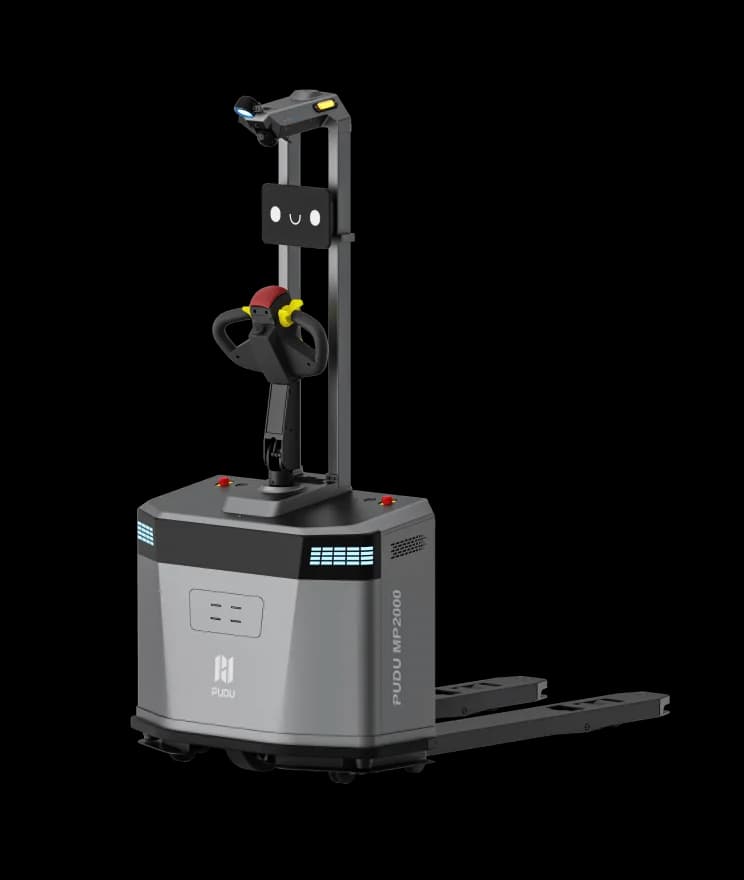
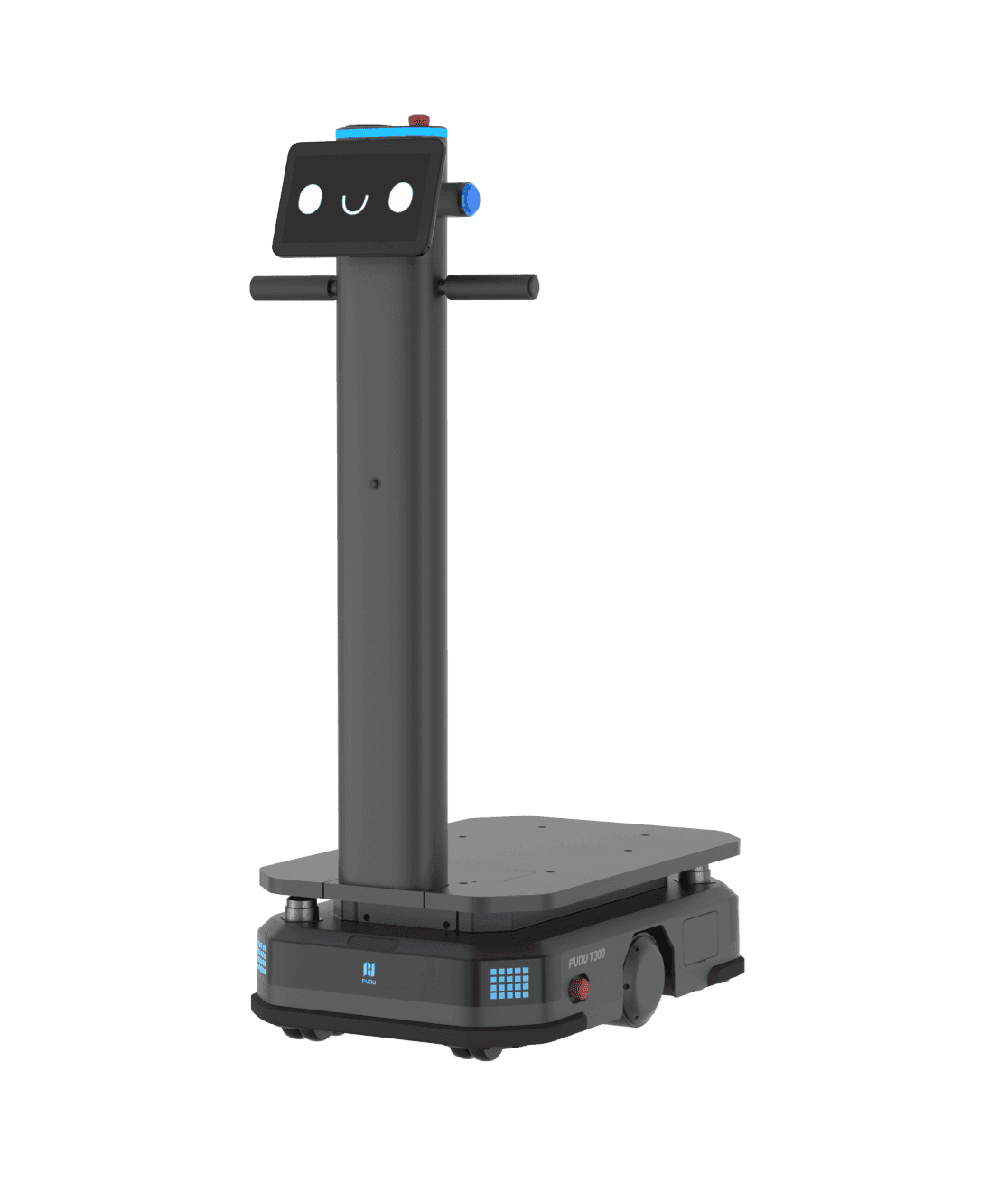
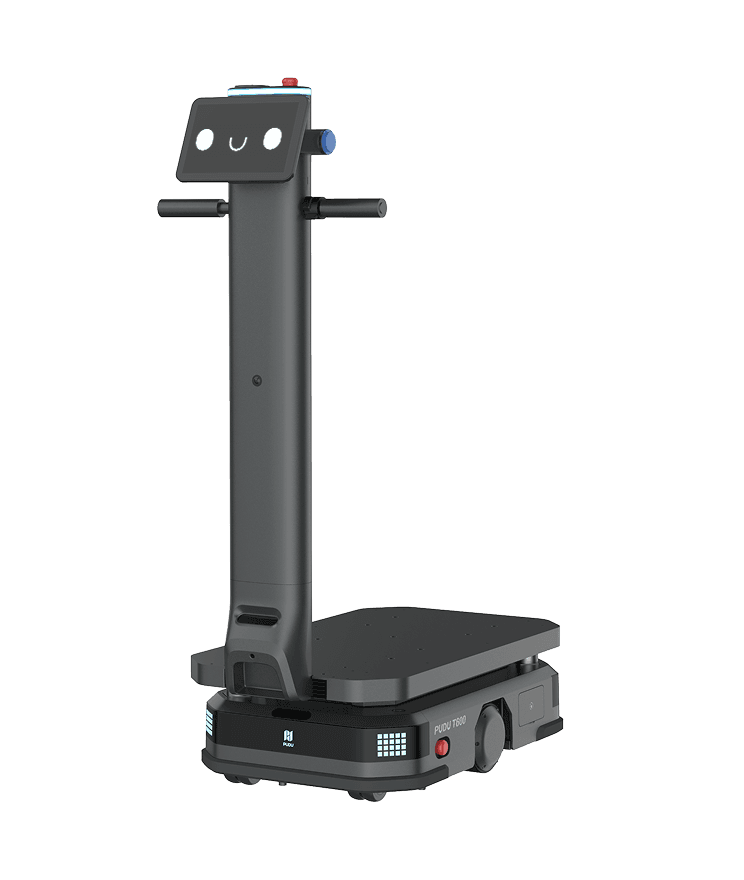
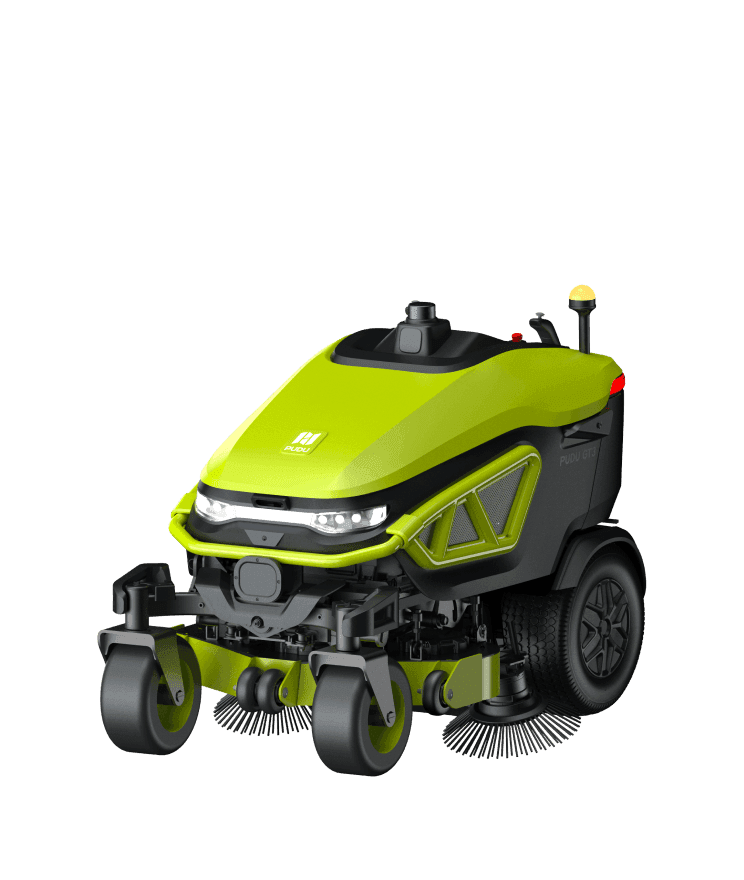
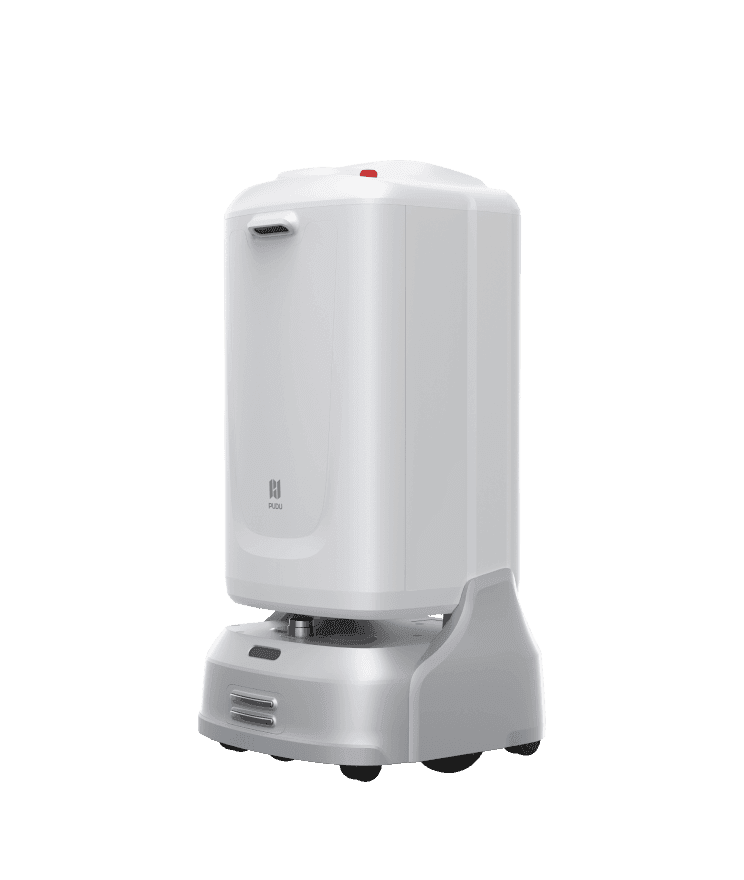
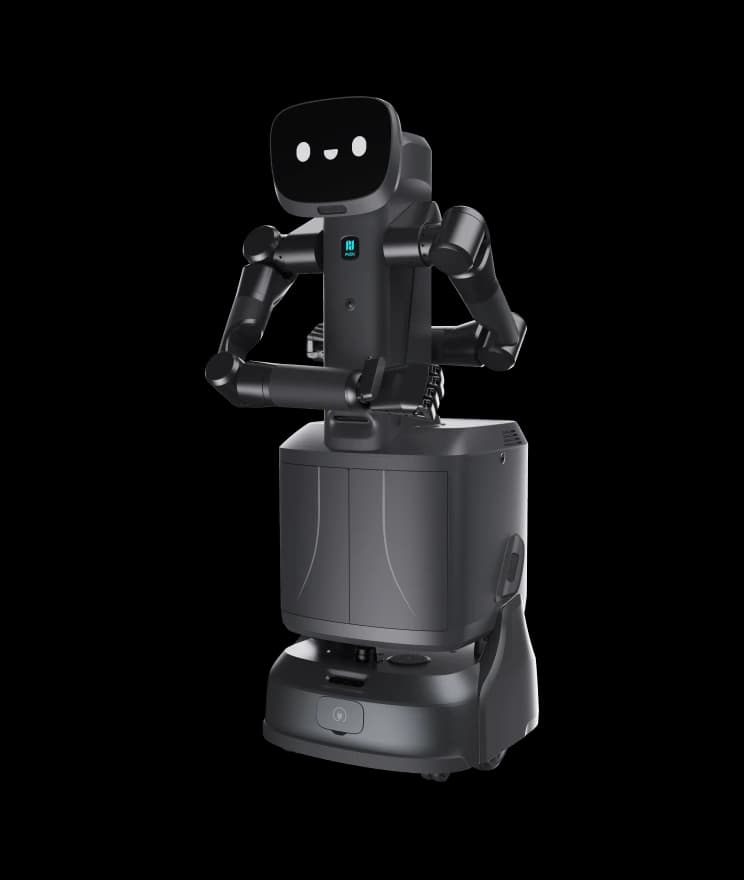
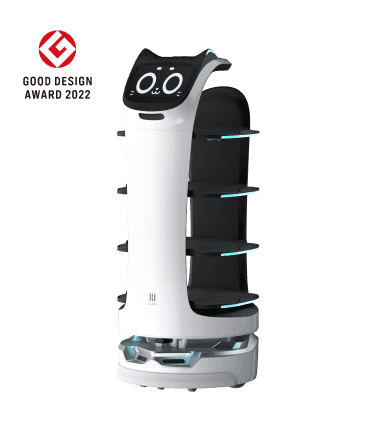
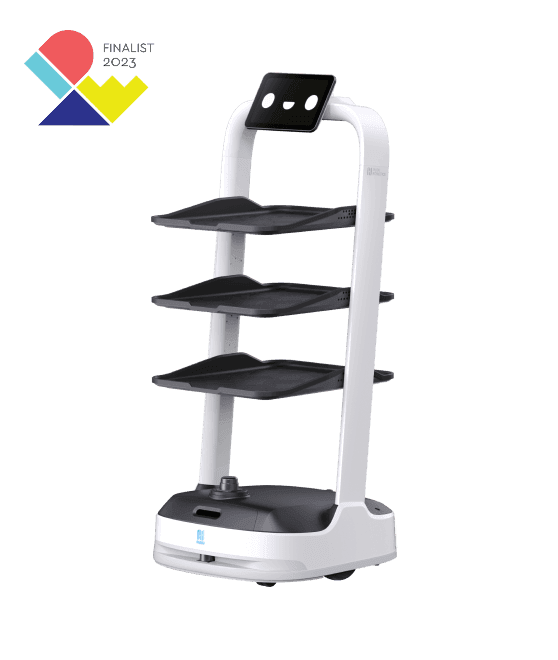
Yes. For warehouse and in-facility transport, Pudu Robotics service and delivery robots and Unitree quadruped platforms can be ordered now, with 4-6 week delivery, a 1-year official warranty, on-site commissioning and engineering support across Turkey. If dual-arm humanoid manipulation is required, the Unitree G1 and H2 are the candidates. Pricing is set by quote per configuration.