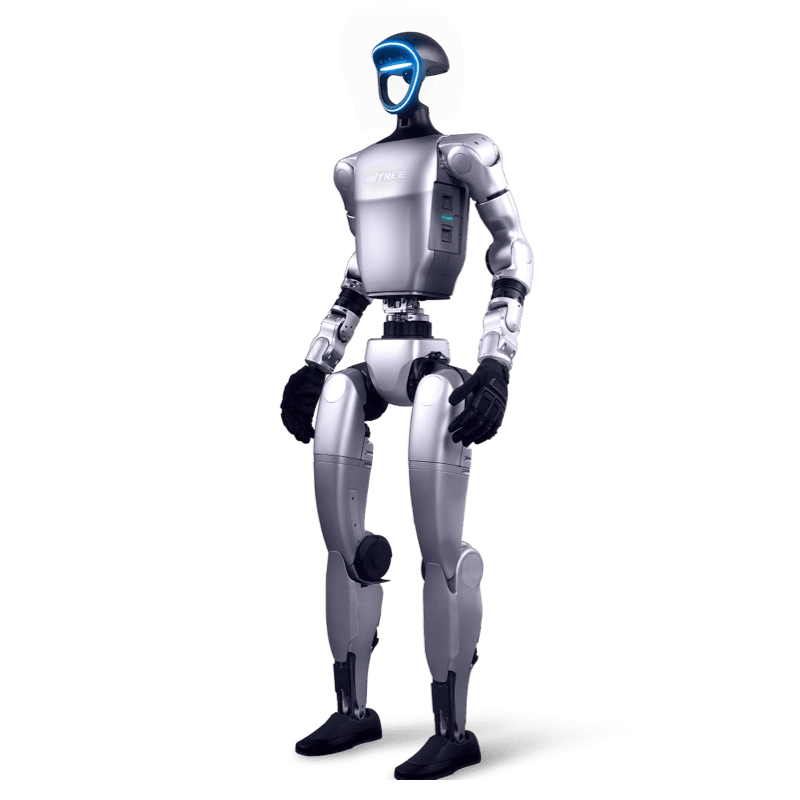
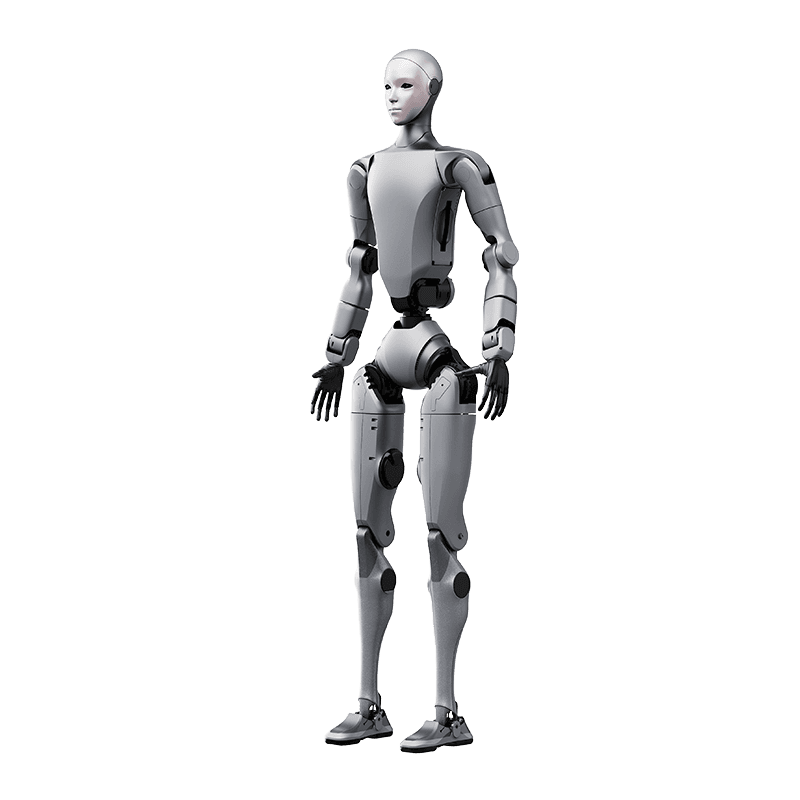
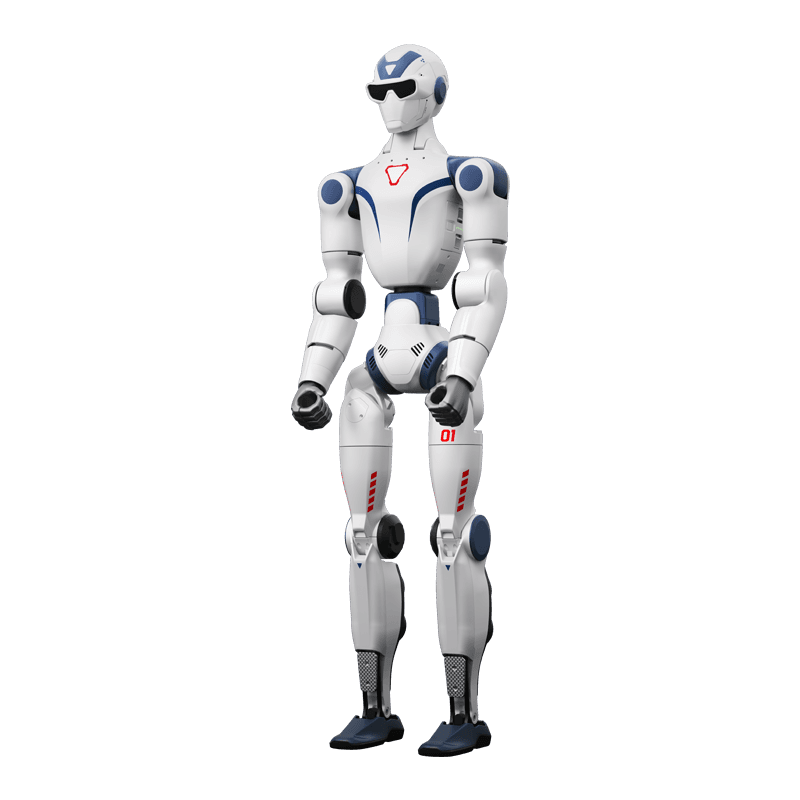
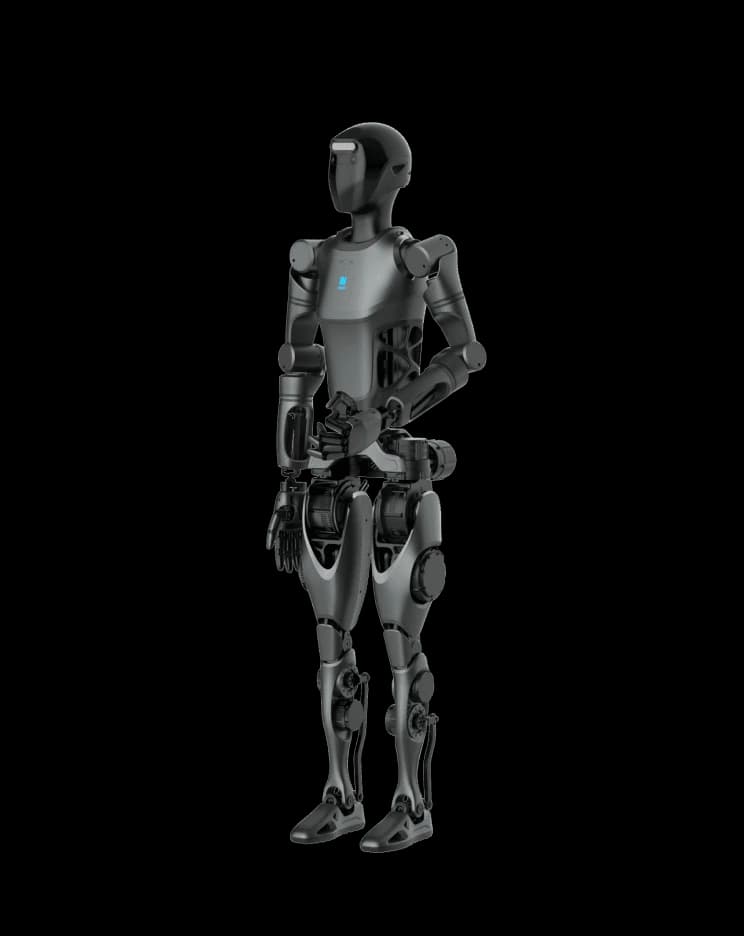
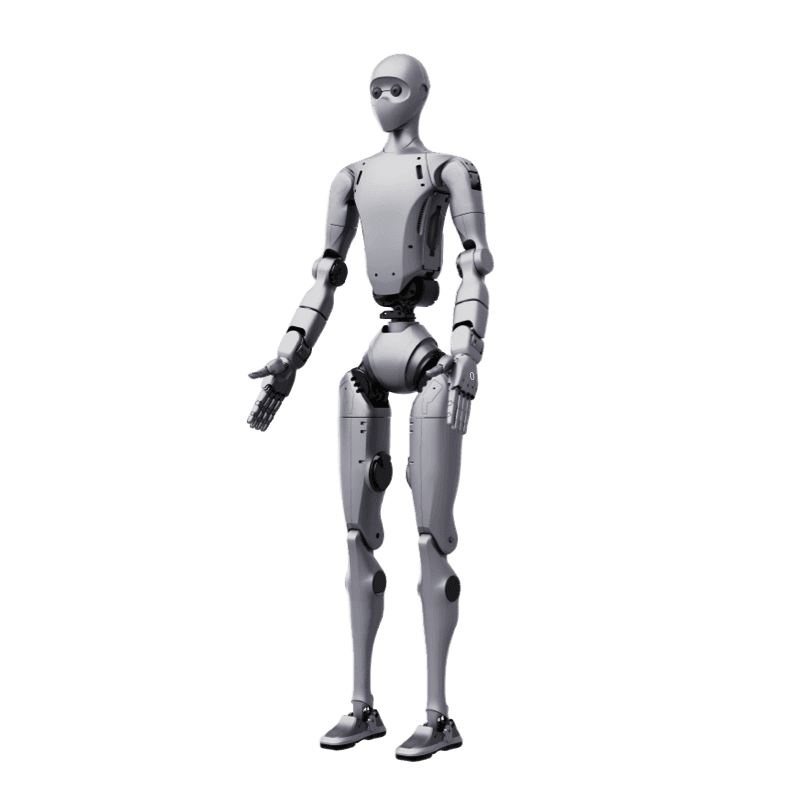
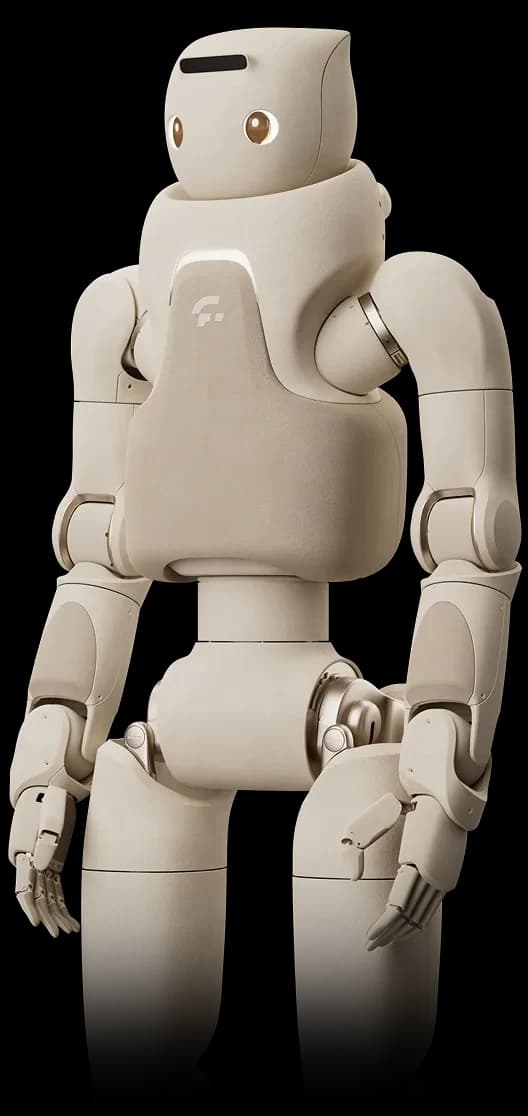
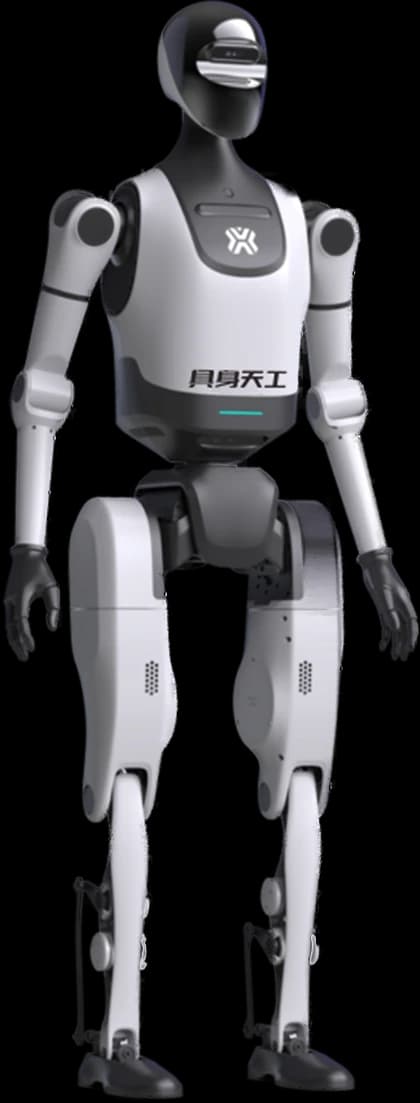
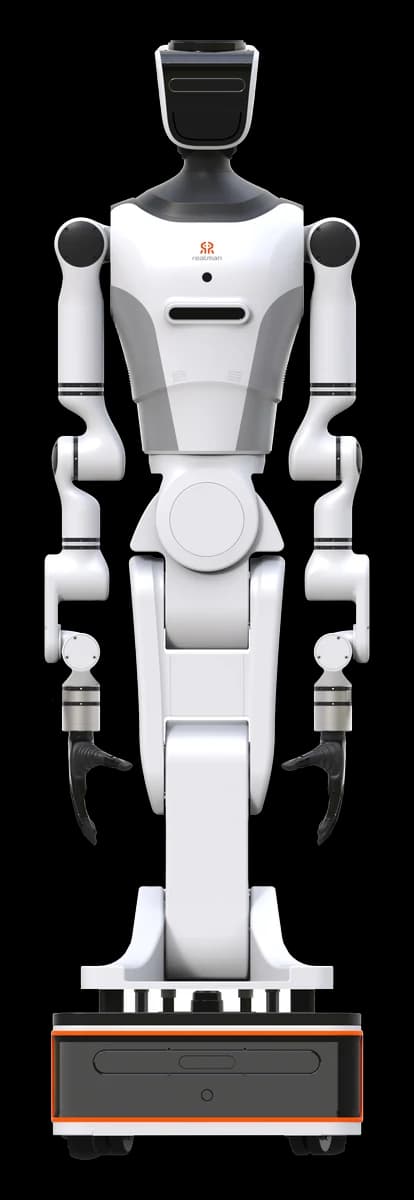
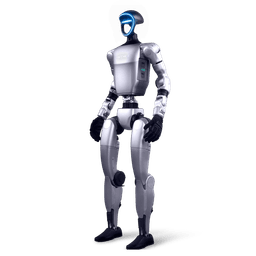
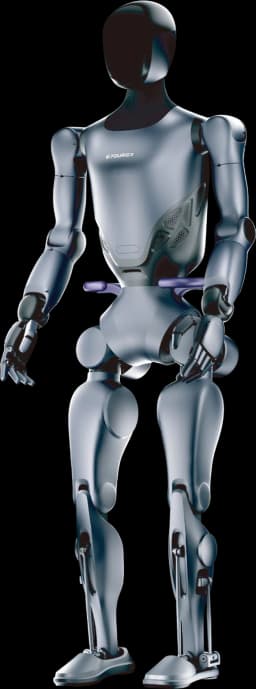
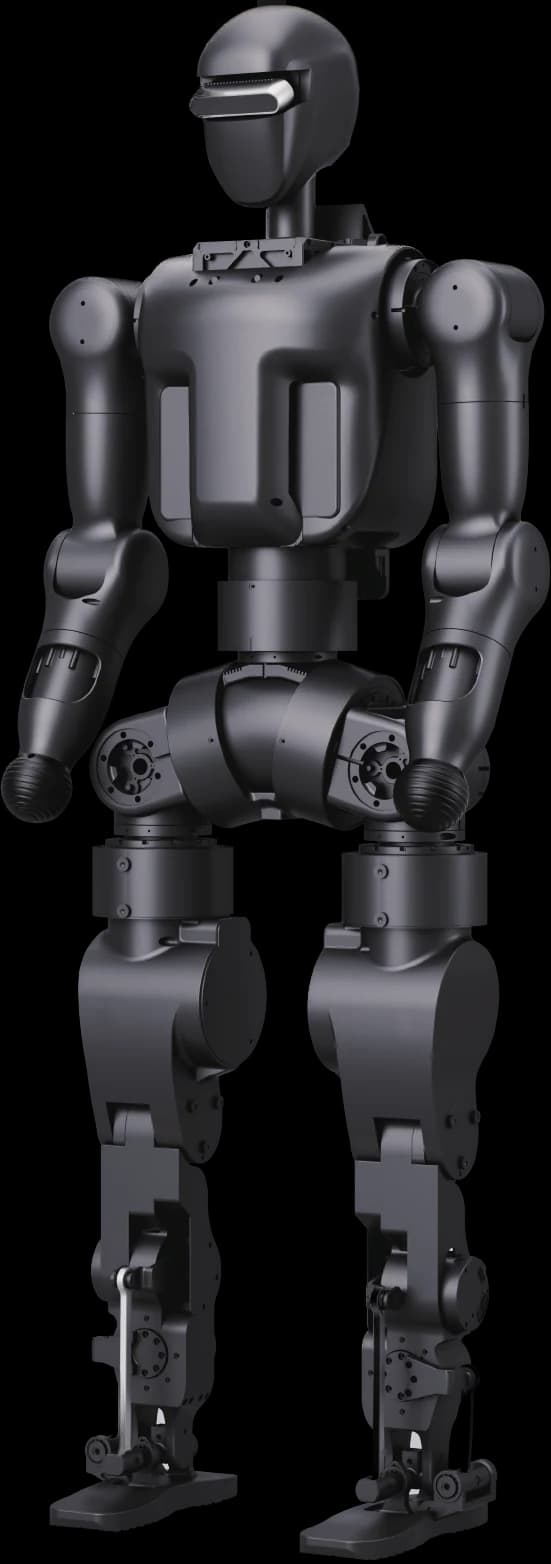
How Much Does the Fourier N1 Cost?
Investment in the N1 is scoped per project and set by corporate quotation according to configuration (such as the optional binocular depth camera), unit count and delivery terms. If you have a corporate or academic requirement, reach us through the contact form and we will map out the sourcing route and timeline together.
Is It for Sale in Turkey?
We deliver Fourier hardware to corporate projects through enterprise supply, commissioning and engineering support. Robotlar.org talks with organizations that have an N1 requirement and assess import and delivery terms and a realistic timeline per project. See our N1 product page for the full technical breakdown.
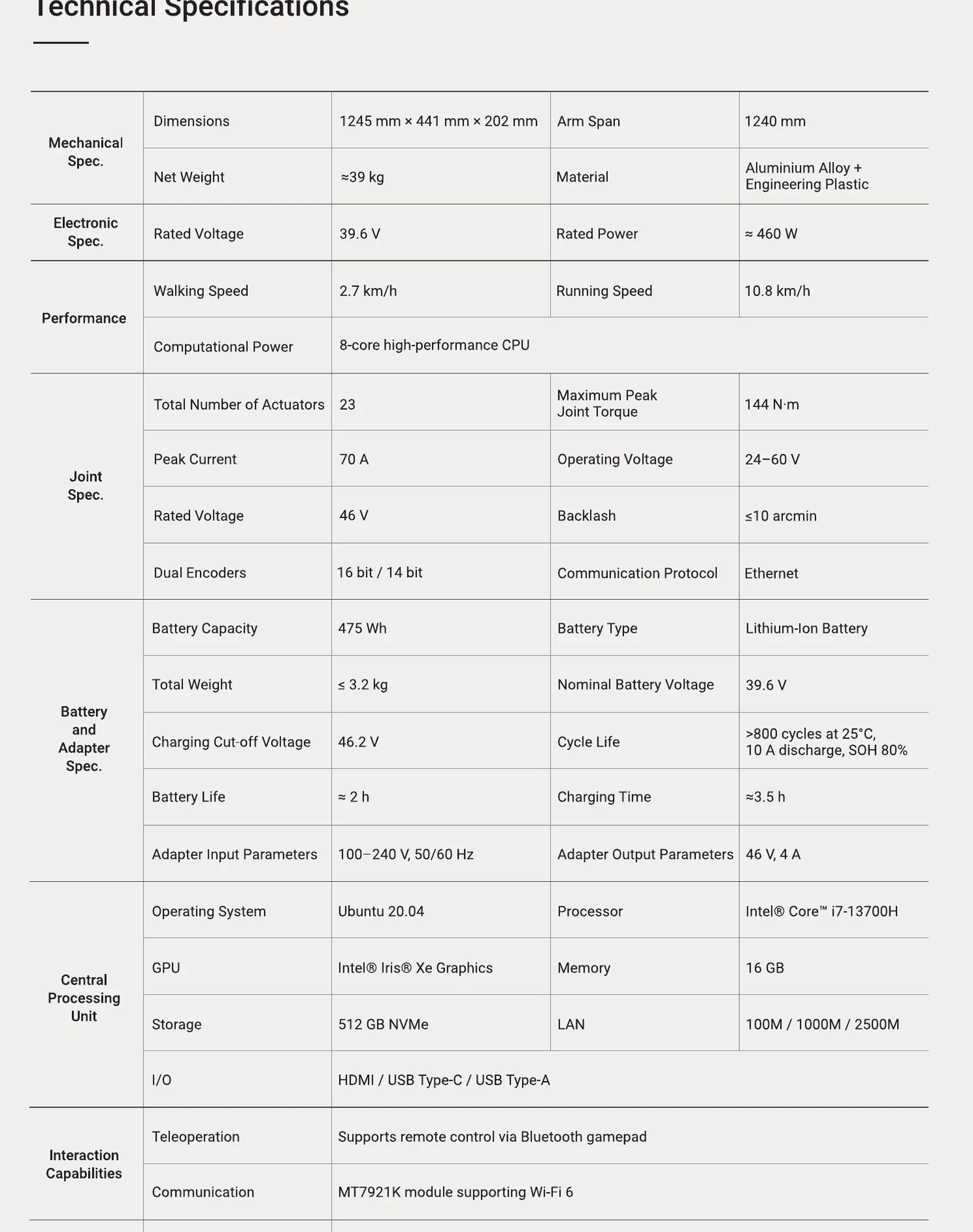
Specifications
| Heading | Value |
|---|---|
| Height | 130 cm (product page); 1245 mm (brochure) |
| Weight | 38 kg (product page); under 39 kg (brochure) |
| Dimensions | 1245 × 441 × 202 mm |
| Arm span | 1240 mm |
| Degrees of freedom | 23 (legs 6+6, waist 1, arms 5+5, head 0) |
| Walking speed | 2.7 km/h |
| Running speed | 10.8 km/h (the product page states a 3.5 m/s maximum) |
| Maximum peak joint torque | 144 N·m |
| Peak current | 70 A |
| Operating voltage | 24-60 V; 46 V rated |
| Backlash | Under 10 arcmin |
| Encoder | Dual encoder 16-bit / 14-bit |
| Battery | 475 Wh lithium-ion, under 3.2 kg |
| Operating and charging time | Over 2 hours / approximately 3.5 hours |
| Battery life | Over 800 cycles |
| Rated power | Approximately 460 W |
| Processor | Intel Core i7-13700H, Iris Xe, 16 GB, 512 GB NVMe |
| Operating system | Ubuntu 20.04 |
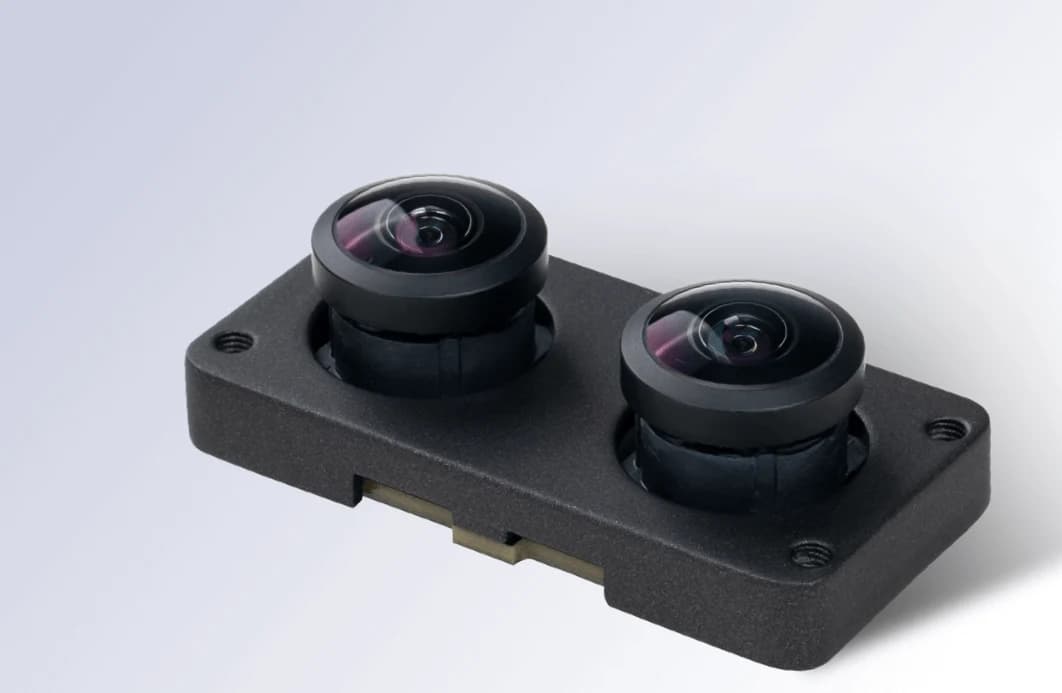
| Vision | Optional binocular depth camera |
| IMU | 6-axis |
| Communication | Wi-Fi 6 (MT7921K); LAN 100M/1000M/2500M; Ethernet joint bus |
| Terrain | 15-20 degree slopes, 20 cm stair steps |
| Material | Aluminium alloy and engineering plastic |
The product page and the product brochure give different values for height, weight and speed; both are the manufacturer's own publications. These should be confirmed before ordering.
What Is in the Open-Source Package?
The published hardware resource package includes design schematics, a bill of materials, assembly manuals and basic operating software code. In the software repositories the licence varies per repository: URDF simulation models under Apache-2.0, the SDK documentation under MIT, and the deployment and reinforcement learning frameworks under LGPL-3.0. That distinction matters in practice: Apache-2.0 permits use of the model inside a closed product, while LGPL-3.0 imposes an obligation to share modifications to the linked code. Teams considering deriving a commercial product need to account for it from the start. In return, the package lets a laboratory swap parts, try its own actuator or partly rebuild the body; none of that is possible on a closed platform.
Who It Is For: Locomotion Research
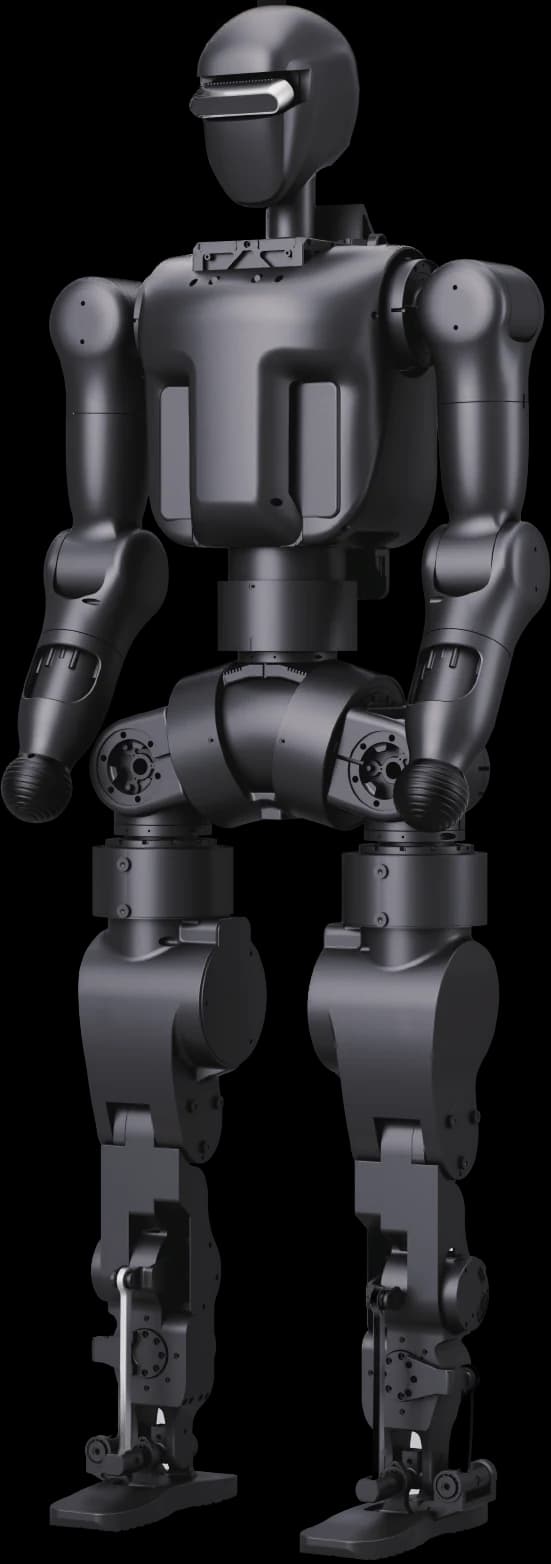
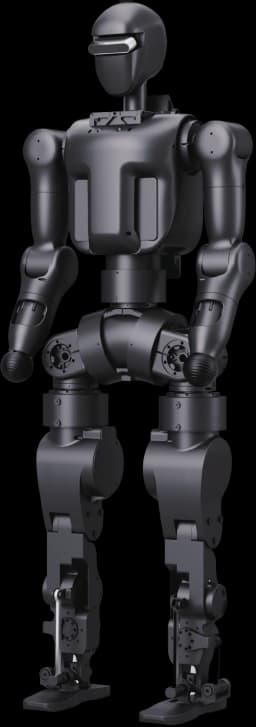
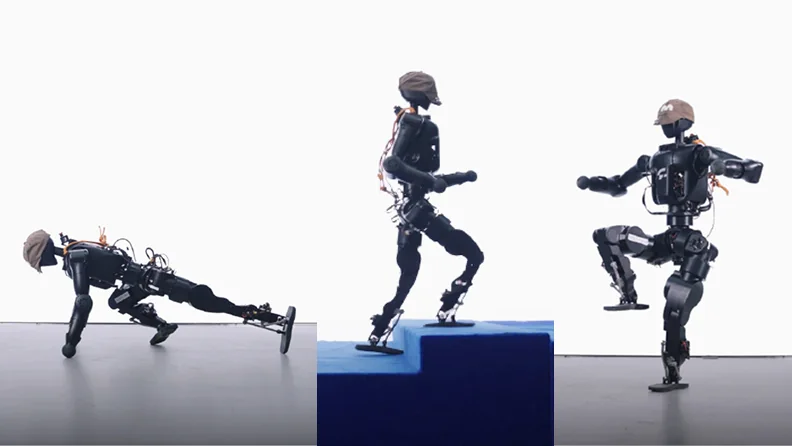
The N1's degree-of-freedom distribution shows its priority plainly: the legs keep a full 6+6, the waist has one, the arms 5+5 and the head none. Having no head joint means the robot produces looking behaviour with its body; limiting for an interaction-focused body but irrelevant for locomotion research. Five joints per arm instead of seven favour carrying load and balance over fine manipulation. The full leg joint count, combined with 144 N·m peak torque and backlash under 10 arcmin, is what makes running, stair climbing, single-leg balancing and ground push-ups possible.
The Alternative Deliverable Today
The Unitree G1 is the closest counterpart by size: 132 cm, 35 kg and 23 degrees of freedom to start, with the EDU edition reaching up to 43. It can be ordered in Turkey today with 4-6 week delivery, a 1-year official warranty, on-site commissioning and engineering support across Turkey. The difference sits here: the N1's hardware resource package is published, so parts can be swapped and the body rebuilt, while the G1 has an open SDK but closed hardware. For a team that will not modify the hardware, deliverability is the deciding factor. See the humanoid robot category for the wider picture.