Skip to content
Robotlar
Fourier

Fourier GR-2

Full-Size General-Purpose Humanoid Robot

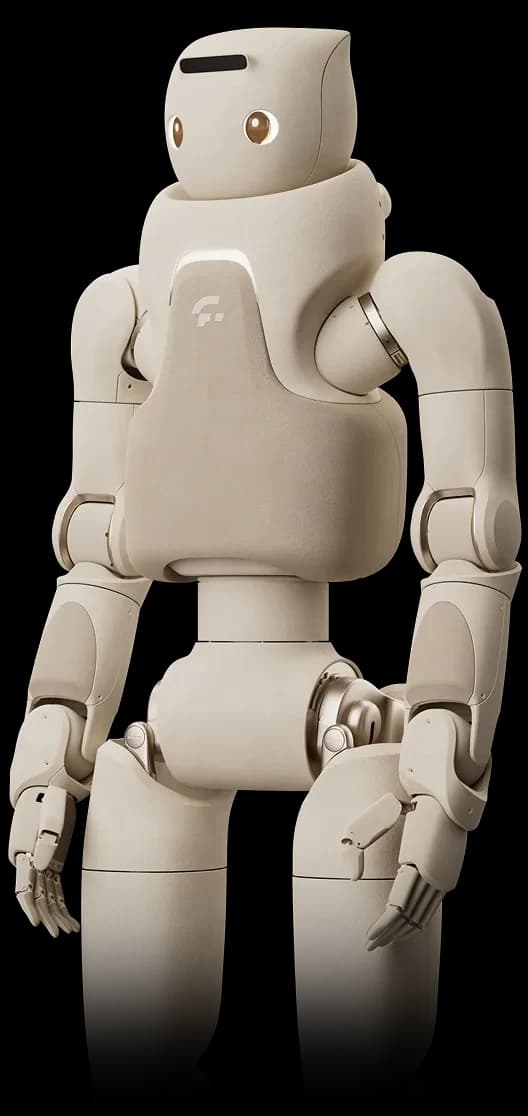
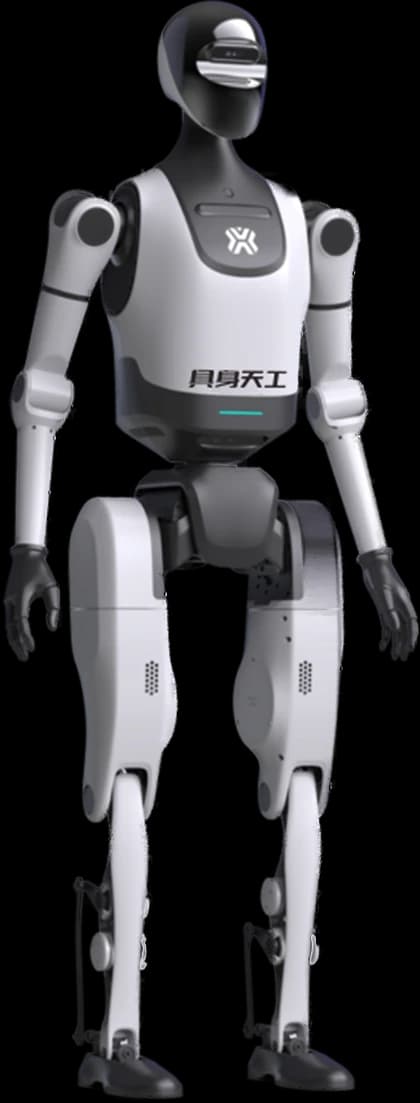
The Fourier GR-2 is Fourier's second-generation humanoid robot. It stands 175 cm and weighs approximately 63 kg; the body carries 29 degrees of freedom (head 2, waist 1, legs 6+6, arms 7+7), and with the 12-DoF dexterous hand configuration the total actuator count rises to 53. Walking speed is 5 km/h and single-arm payload approximately 3 kg. FSA 2.0 dual-encoder actuators produce a maximum joint torque of up to 436 N·m, with 23-bit encoders in the legs and 24-bit in the arms. An approximately 950 Wh removable lithium-ion battery provides about two hours of operation. Six array-type tactile sensors in the fingers sense contact force and distinguish object shape and material. Robotlar.org assesses sourcing and alternatives together with organizations that have a GR-2 requirement.

Height175 cmApproximately 63 kg
DOF2953 actuators with dexterous hands
Joint Torque436 N·mFSA 2.0 dual encoder
Walking Speed5 km/s3 kg single arm
Battery950 WhApproximately 2 hours, removable
Dexterous Hand12 DoF6 array-type tactile sensors

PRICE

Project quote

Configuration, delivery schedule and investment figure are set by project scope. From your specification we prepare the supply plan from the manufacturer line and the integration scope.

Enterprise supply · specification support · integration engineering

Overview

The Fourier GR-2 is the second generation of the GRx humanoid series. Built on lessons from the first generation and customer feedback, it brings significant upgrades in hardware, design and software: more agile manipulation, improved movement and a more open platform.

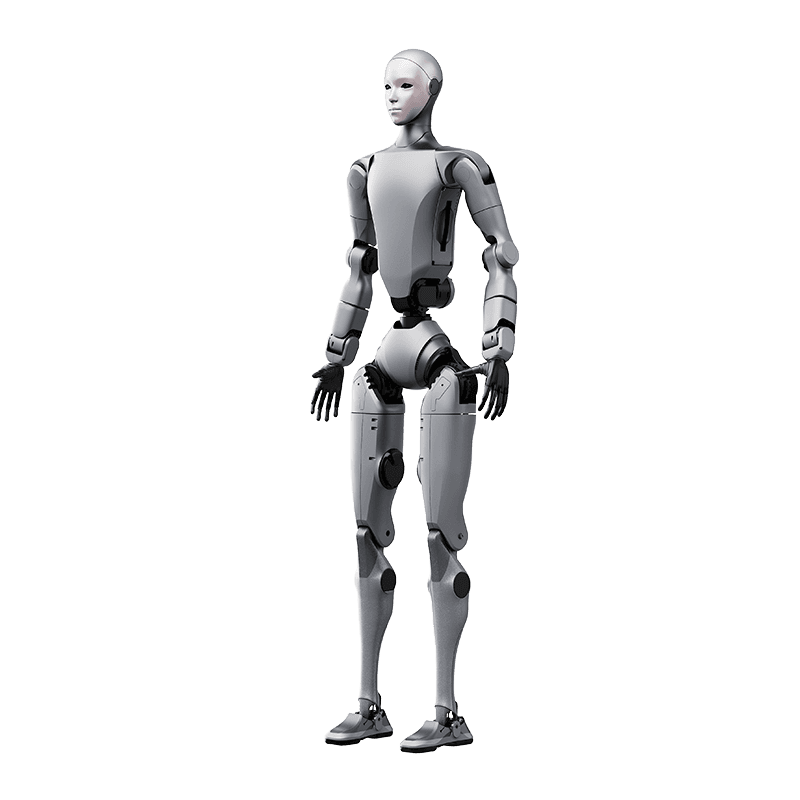
Mechanically: dimensions of 1750 × 552 × 275 mm, a weight of approximately 63 kg and a 1520 mm arm span (up to 1920 mm with dexterous hands). The body carries 29 degrees of freedom: head 2, waist 1, legs 6+6, arms 7+7. With dexterous hands the total actuator count reaches 53. Walking speed is 5 km/h and single-arm payload approximately 3 kg.

On the drive side there are FSA 2.0 actuators: a dual-encoder system, a maximum joint torque of 436 N·m and 23-bit resolution in the legs with 24-bit in the arms. Power output is approximately 930 W at a 39.6 V supply. The battery is an approximately 950 Wh removable lithium-ion pack; it gives close to two hours of operation, charges in about two hours and lasts over 500 cycles at 80% depth of discharge.

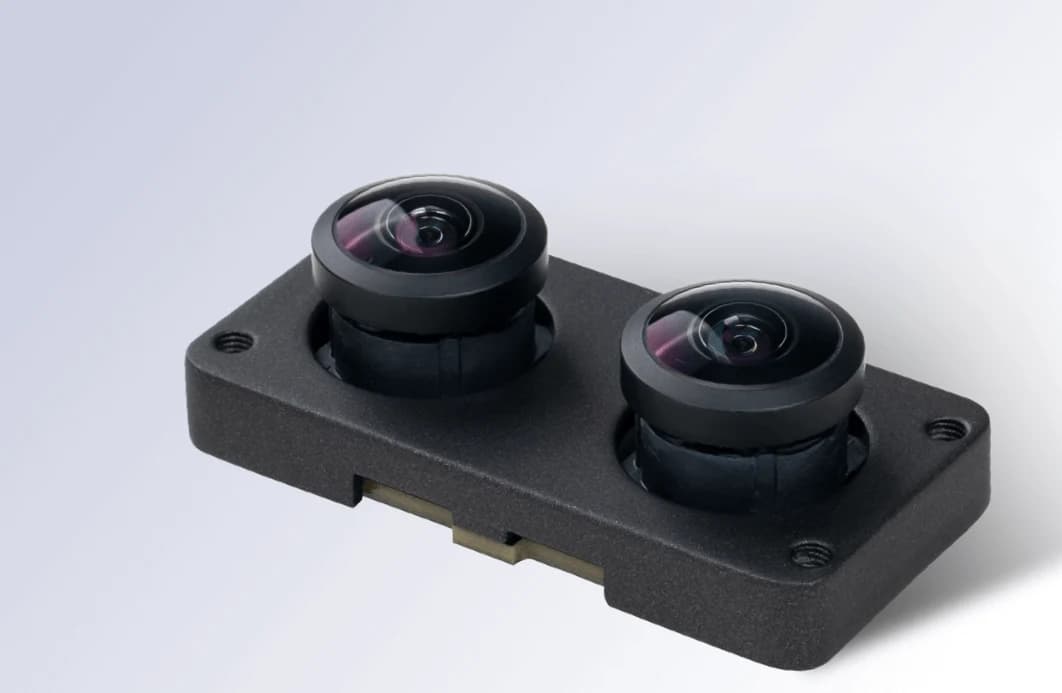
Perception includes a stereo camera supporting SLAM and pure-vision sensing, a 6-axis IMU and six array-type tactile sensors in the fingers. Compute runs on a 14-core Intel Core i7 under Ubuntu 20.04, with an optional 275 TOPS module. The Fourier Toolkit provides pre-optimized modules supporting the NVIDIA Isaac Lab, ROS and MuJoCo frameworks. Real-time teleoperation with Pico and Vision Pro headsets is supported.

Fourier has shifted its current focus to the GR-3 and GRW; the GR-2 product page has been removed from the site while the brochure remains in the download centre.

For organizations with a GR-2 requirement we assess sourcing, where the product sits in its life cycle and the alternatives deliverable today transparently.
QUOTE

Per project scope

Get a Quote

Body Diagram and Key Components

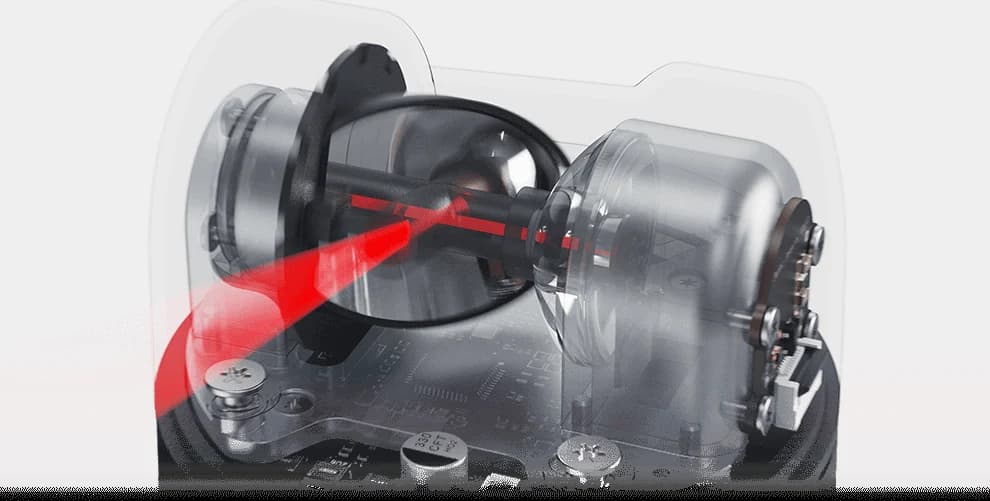
The published body diagram marks six main components: visual perception with an open hardware interface supporting SLAM and pure-vision sensing, a detachable battery giving two hours of average runtime, a 3 kg single-arm load capacity, integrated cabling with concealed wires that eases modularization, the dual-encoded FSA 2.0 actuator with peak torque exceeding 436 N·m, and the second-generation 12-DoF hand carrying six array-type tactile sensors. Walking speed is stated as 5 km/h.

Body Diagram and Key Components

12-Degree-of-Freedom Dexterous Hand

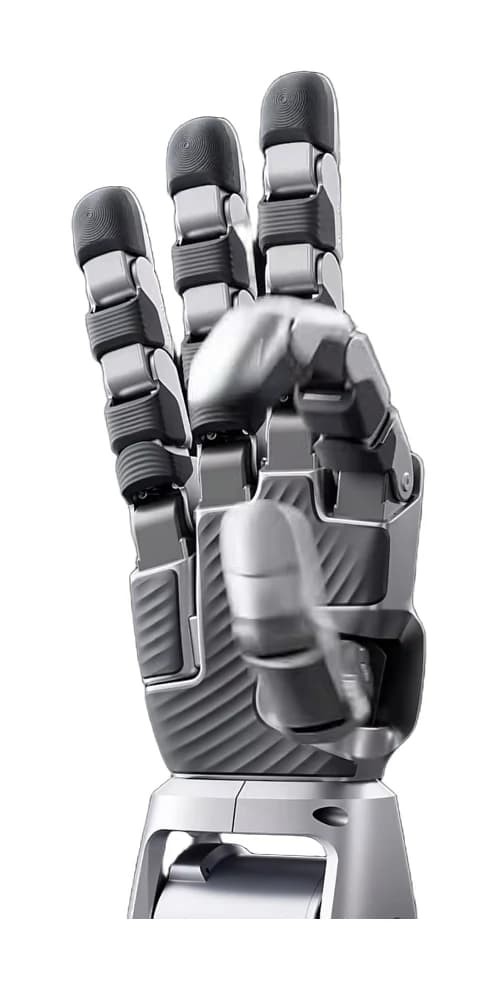
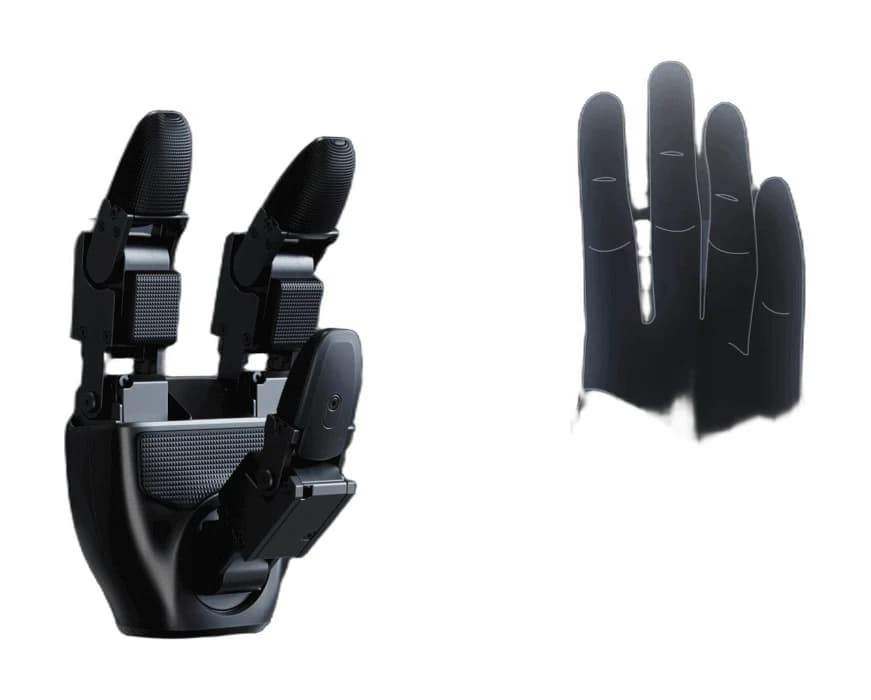
Equipped with six array-type tactile sensors, the hand measures contact force, identifies an object's shape and material and adjusts its grip in real time. That is the basis of precise manipulation in a dynamic environment: the same grip force cannot be applied to a cardboard box and a glass, so force has to be measured at the moment of contact. In the dexterous hand configuration the total actuator count rises to 53.

12-Degree-of-Freedom Dexterous Hand

FSA 2.0 Actuator

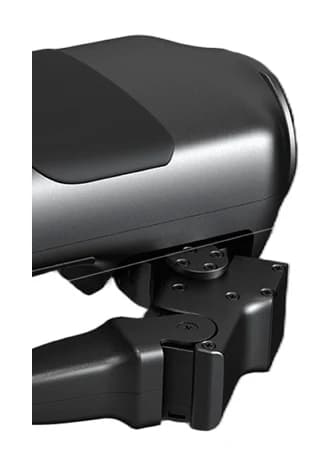
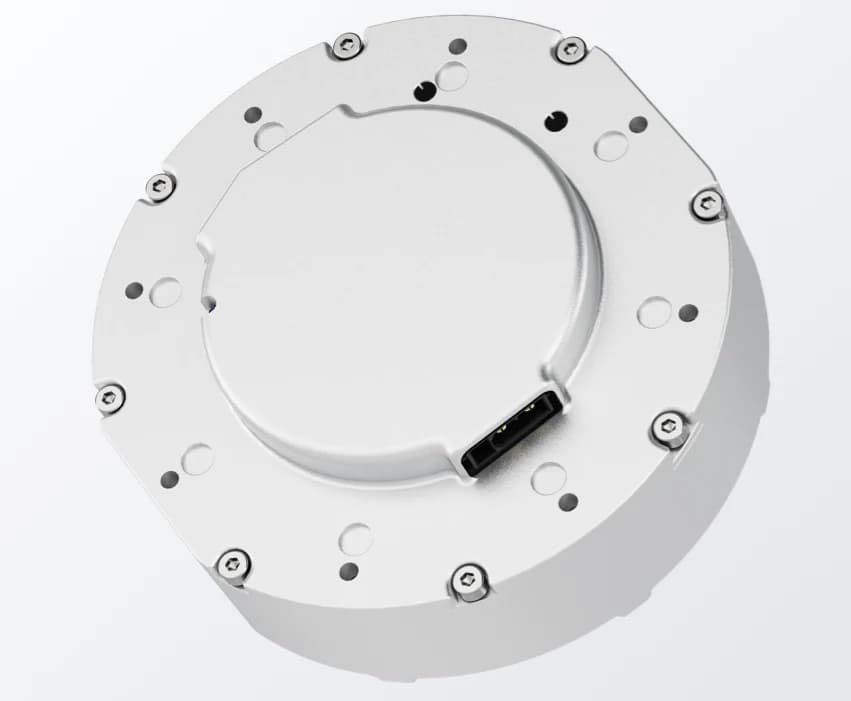
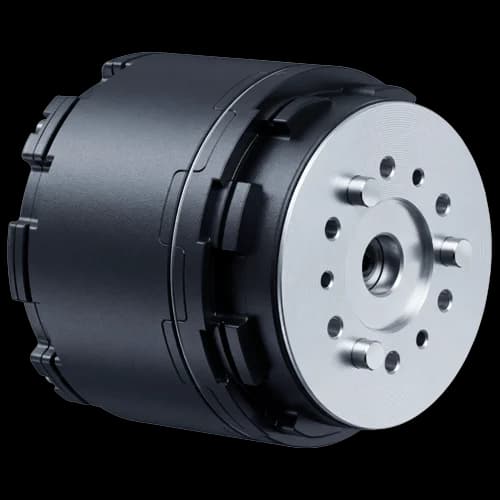
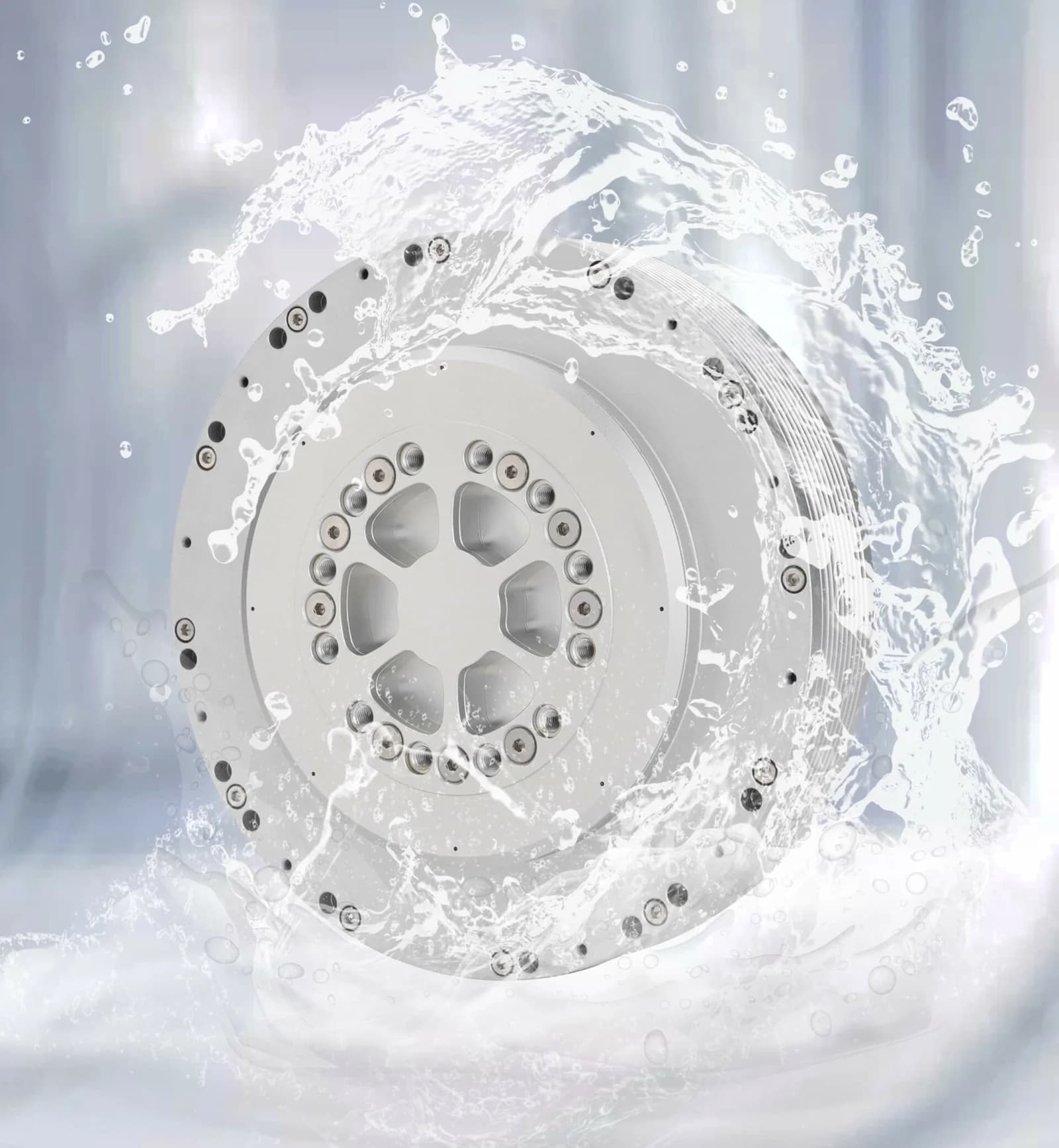
With peak torque reaching 436 N·m, the FSA 2.0 determines the body's agility and dynamic capability. The dual-encoder system doubles control accuracy; two separate measurements, one on the motor side and one on the output side, allow gear backlash to be compensated inside the control loop. Resolution is 23-bit in the legs and 24-bit in the arms. That makes precise motion possible even under high load.
FSA 2.0 Actuator
ROBOT IN ACTION

GR-2; Live Demonstration

ENGINEERING ANALYSIS

Technical Analysis of What Changed in the Second-Generation Humanoid

From 32 Degrees of Freedom to 29: Why the Drop

In the first-generation GR-1 the body carries 32 degrees of freedom: waist 3, head 3. In the GR-2 that number falls to 29: waist 1, head 2. This is not a regression but a choice. A three-axis waist raises control complexity and mass at the body's most critical point; a single-axis waist keeps rotation while simplifying the centre of mass. The freed budget moved to the arm and hand: with the 12-DoF dexterous hand the GR-2 reaches 53 total actuators against 44 on the GR-1. So while body joints fell, the manipulation share rose.

What Dual Encoders Buy

What distinguishes the FSA 2.0 is the dual encoder. In a single-encoder actuator the measurement sits on the motor shaft, so backlash and flex after the gearbox stay invisible to the control loop. When a second encoder measures at the output shaft, that error becomes visible and can be compensated. Resolution is 23-bit in the legs and 24-bit in the arms: 24 bits divide one full turn into roughly 16.8 million steps. Choosing higher resolution for the arm reflects that force control matters more in manipulation than in walking.

Its Position as a Research Platform

The GR-2 is positioned as a body open to development, with an open hardware interface, Ethernet communication, Ubuntu 20.04 and the Fourier Toolkit supporting the NVIDIA Isaac Lab, ROS and MuJoCo frameworks. An optional 275 TOPS computing module allows learning-based policies to run on the robot. Real-time teleoperation with Pico and Vision Pro headsets is the standard route to collecting data for imitation learning. Approximately two hours of runtime is reasonable for laboratory sessions but short for a field shift.

Comparison of the GRx Generations

FeatureFourier GR-1Fourier GR-2Fourier GR-3
Height165 cm175 cm165 cm
WeightApproximately 55 kgApproximately 63 kg71 kg
Body degrees of freedom322955 (including hands)
Peak joint torque230 N·m436 N·m-
Walking speed5 km/h5 km/h5.5 km/h
Battery460 WhApproximately 950 Wh3 hours
Dexterous hand6 DoF12 DoF, 6 tactile sensors6 DoF basic, 12 DoF optional
ENGINEERING EVALUATION

Engineering Assessment

The GR-2 is the generation in the GRx family with the most investment in manipulation. A 436 N·m peak torque and the dual-encoder FSA 2.0, together with a 12-DoF hand and six array-type tactile sensors in the fingers, make a solid base for grasping trials. The open hardware interface, support for ROS, MuJoCo and Isaac Lab, and an Ubuntu 20.04 base are the right configuration for university and R&D use. The limits: approximately two hours of runtime is short for a field shift, a 3 kg single-arm capacity does not cover industrial handling, and Fourier has removed the GR-2 product page from its site as focus shifted to the GR-3 and GRW. Organizations looking for a long-lived platform need to factor that transition in.

Details & Performance Parameters.

Physical Architecture

Dimensions1750 × 552 × 275 mm; arm span 1520 mm, up to 1920 mm with dexterous hands; lower limb 465 mm + 378 mm
Weight63 kg
DoF29 in the body; up to 53 actuators in total with dexterous hands DoF

Dynamic Performance

Arm Capacity3
Max Speed5

Energy & Protection

BatteryApproximately 950 Wh removable lithium-ion; 39.6 V nominal, 46.2 V charge limit, total weight under 9 kg, life over 500 cycles at 80% depth of discharge; charging approximately 2 hours
EnduranceApproximately 2 hours

Computing & Intelligence

CPU / Processor

Intel Core i7, 14 cores; optional 275 TOPS computing module

Sensor Fusion

Stereo camera; supports SLAM and pure-vision perception with an open hardware interface; 6-axis IMU (3-axis acceleration and 3-axis gyroscope); six array-type tactile sensors in the fingers

Interaction System

Voice interaction with echo cancellation; real-time teleoperation with Pico and Vision Pro headsets

Connectivity

Ethernet communication; Type-C and USB 3.0 I/O

Smart Features

The Fourier Toolkit: a development library of pre-optimized modules supporting the NVIDIA Isaac Lab, ROS and MuJoCo frameworks

Operating System

Ubuntu 20.04

Mechanical Components

dof layout

29 degrees of freedom in the body: head 2, waist 1, legs 6+6, arms 7+7. The basic hand has 6 and the advanced dexterous hand 12 degrees of freedom; with dexterous hands the total actuator count reaches 53

payload

Approximately 3 kg single-arm payload

battery system

Approximately 950 Wh removable lithium-ion battery; approximately two hours of operation and two hours of charging

joint module

FSA 2.0 actuator: dual-encoder system with a maximum joint torque of 436 N·m; 23-bit resolution in the legs and 24-bit in the arms

structure

Aluminium alloy and engineering plastic; concealed wiring

joint range

Waist Z axis ±150 degrees; knee -5 to 135 degrees; hip pitch ±150 degrees, roll -34 to 90 degrees, yaw -40 to 90 degrees

tactile

The second-generation 12-DoF dexterous hand; six array-type tactile sensors in the fingers measure contact force, identify object shape and material and adjust the grip in real time

Hardware & Materials

Materials Used

Aluminium alloy and engineering plastic; integrated cabling with concealed wiring that eases modularization

Torque Density

FSA 2.0 dual-encoder actuator; maximum joint torque 436 N·m; dual encoders at 23-bit/23-bit in the legs and 24-bit/24-bit in the arms; power output approximately 930 W

The New Intelligence of Operation.

Start your GR-2 project with our experts now.

QUOTE

Get a GR-2 Quote

There is no single list price; the investment depends on configuration and use case. Fill in the form and we will return with a clear, tailored quote.

  • Supply plan and delivery schedule from the manufacturer line
  • Technical feasibility against your project requirements
  • Integration scope and engineering support
  • Specification and documentation support for corporate procurement

Prefer to talk now: 0850 532 6 777

Product of interest: GR-2

GR-2 Frequently Asked Questions

The most commonly asked questions and answers about GR-2.

Sourcing, delivery schedule and investment for the GR-2 are settled per project. The GR-2 product page has also been removed from Fourier's site, though the product brochure remains in the download centre. If you have a corporate requirement you can talk to Robotlar.org: we assess sourcing, where the product sits in its life cycle and the alternatives deliverable today.

Dimensions 1750 × 552 × 275 mm, weight approximately 63 kg, arm span 1520 mm (up to 1920 mm with dexterous hands). Twenty-nine degrees of freedom in the body: head 2, waist 1, legs 6+6, arms 7+7; up to 53 total actuators with dexterous hands. Walking speed 5 km/h, single-arm payload approximately 3 kg, maximum joint torque 436 N·m. The battery is an approximately 950 Wh removable lithium-ion pack giving about two hours of operation and two hours of charging. The processor is a 14-core Intel Core i7 on Ubuntu 20.04, with an optional 275 TOPS computing module.

The GR-2 is manipulation and research oriented: 436 N·m peak torque, a 12-DoF dexterous hand, six array-type tactile sensors in the fingers, an open hardware interface and ROS and MuJoCo support. The GR-3 is interaction oriented: 55 degrees of freedom, 31 pressure sensors across the body, a four-microphone array, facial recognition and voice interaction with a large language model, and an Alcantara surface. Payload is around 3 kg per arm on both. Fourier's current focus is the GR-3 and the GRW.

Yes. The Unitree G1 (132 cm, 35 kg, Jetson Orin) and the full-size Unitree H2 (182 cm, 70 kg, 31 degrees of freedom) can be ordered now, with 4-6 week delivery, a 1-year official warranty, on-site commissioning and engineering support across Turkey. The G1 EDU edition reaches up to 43 degrees of freedom and is widely used in university research. Pricing is set by quote per configuration.

SIMILAR ROBOTS

Other Robots in This Category