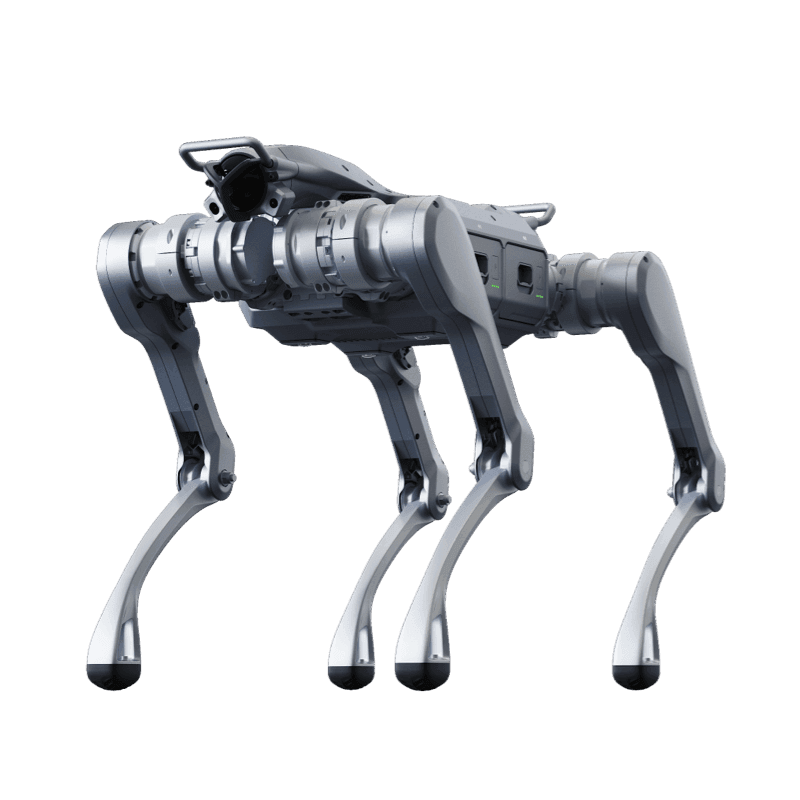
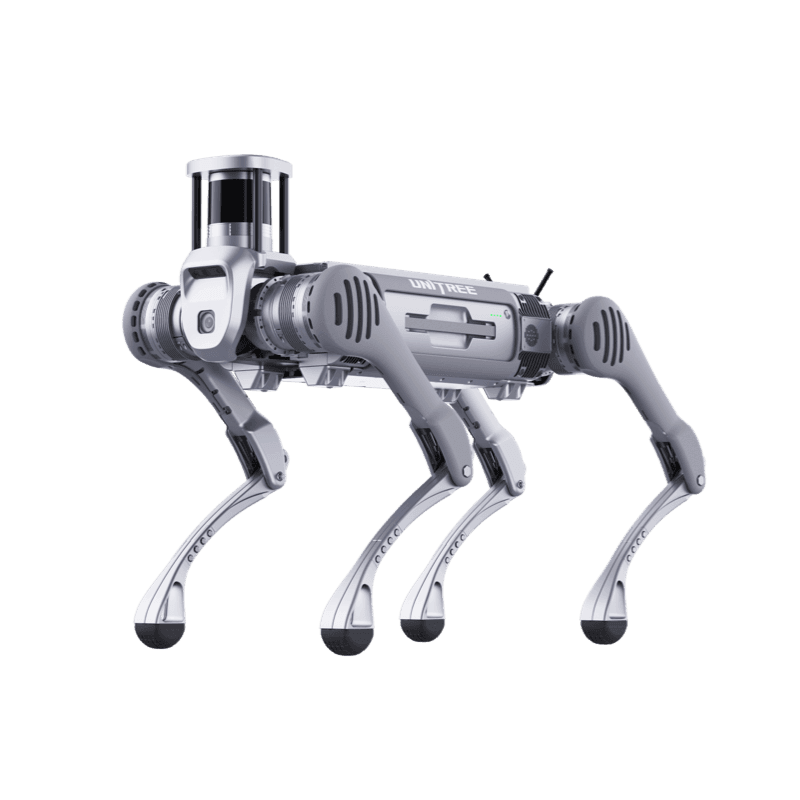
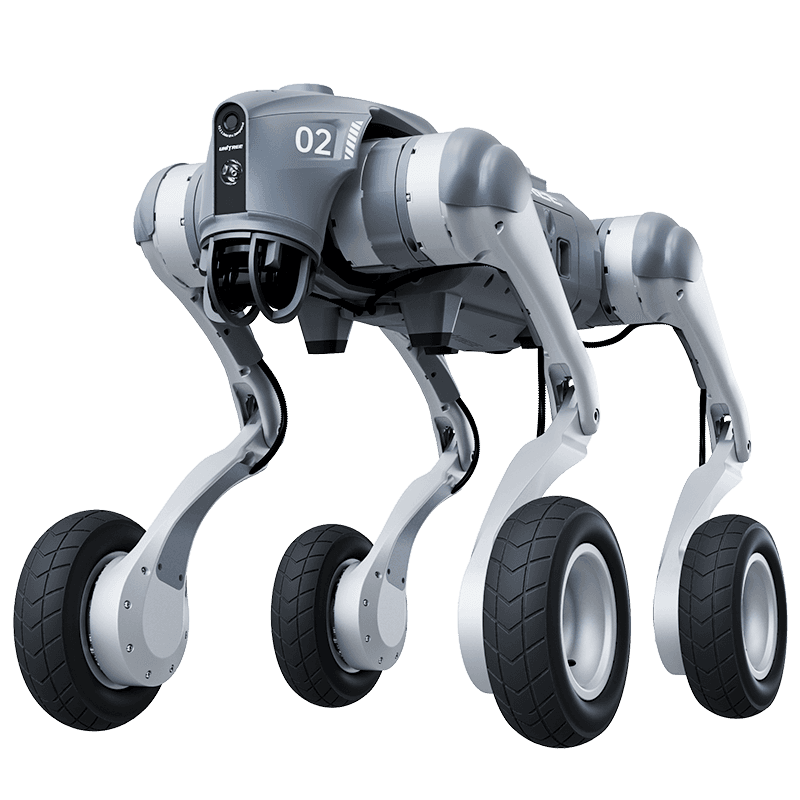
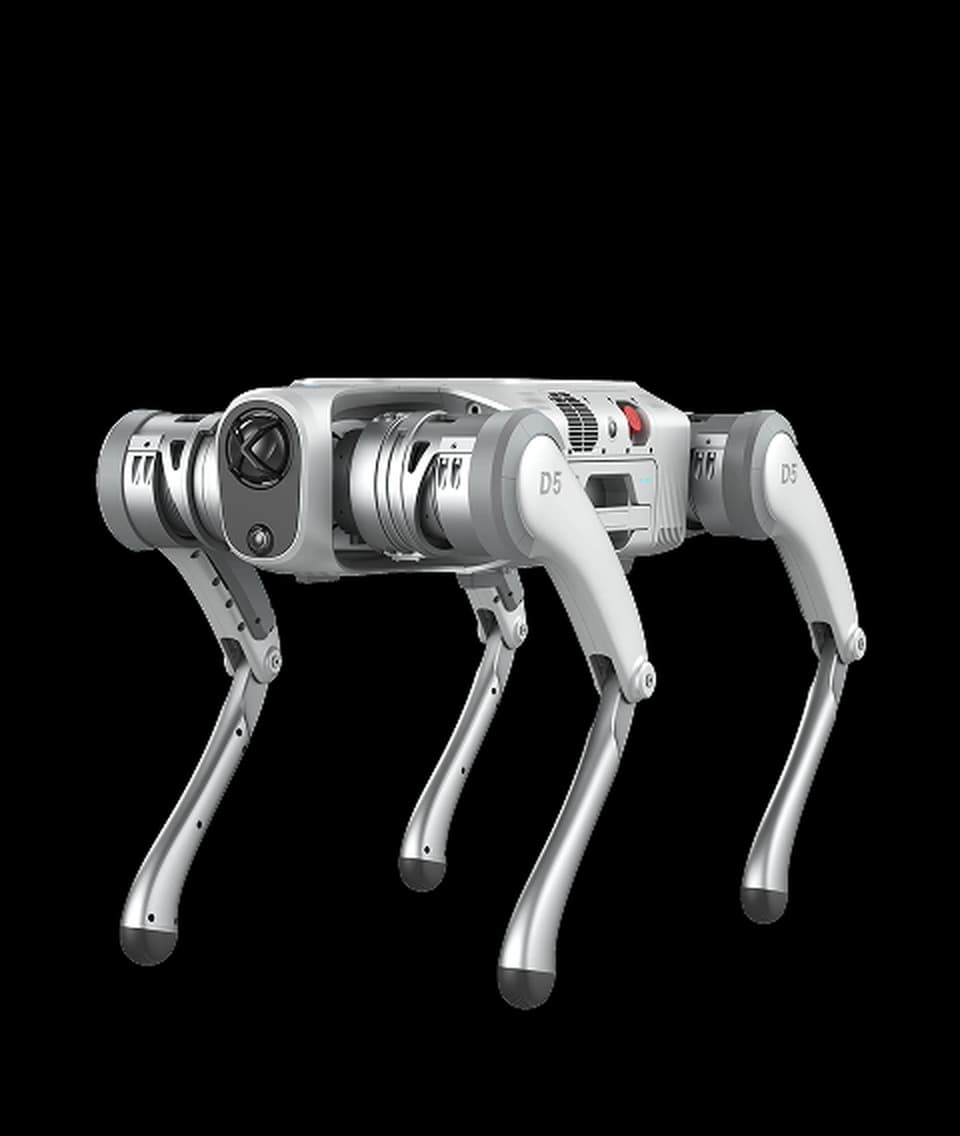
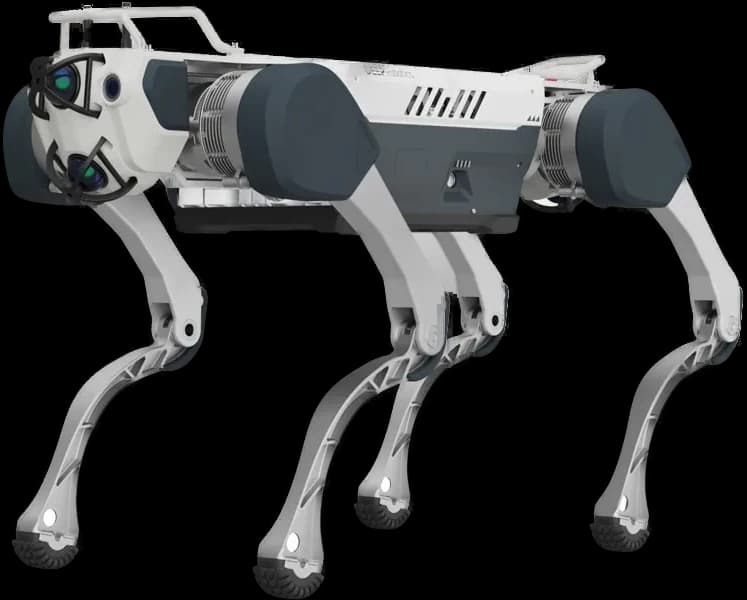
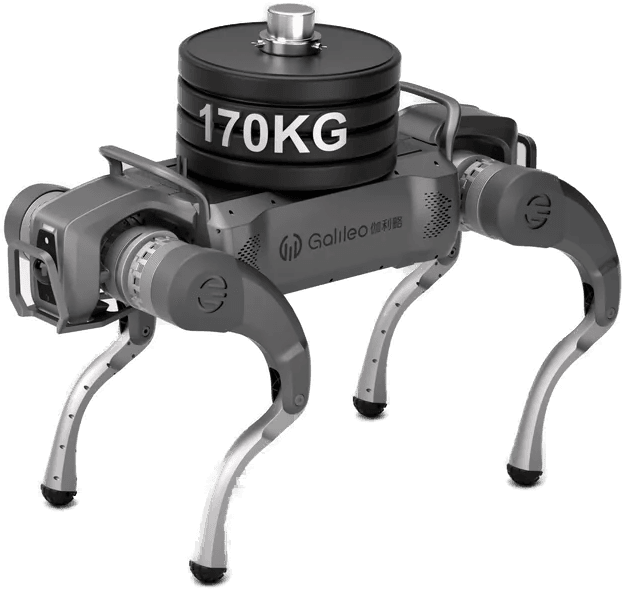
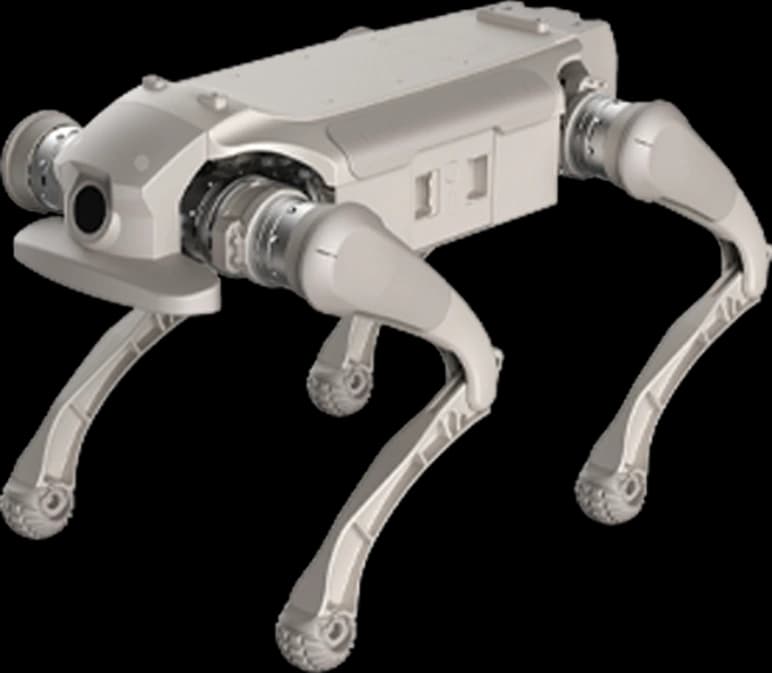
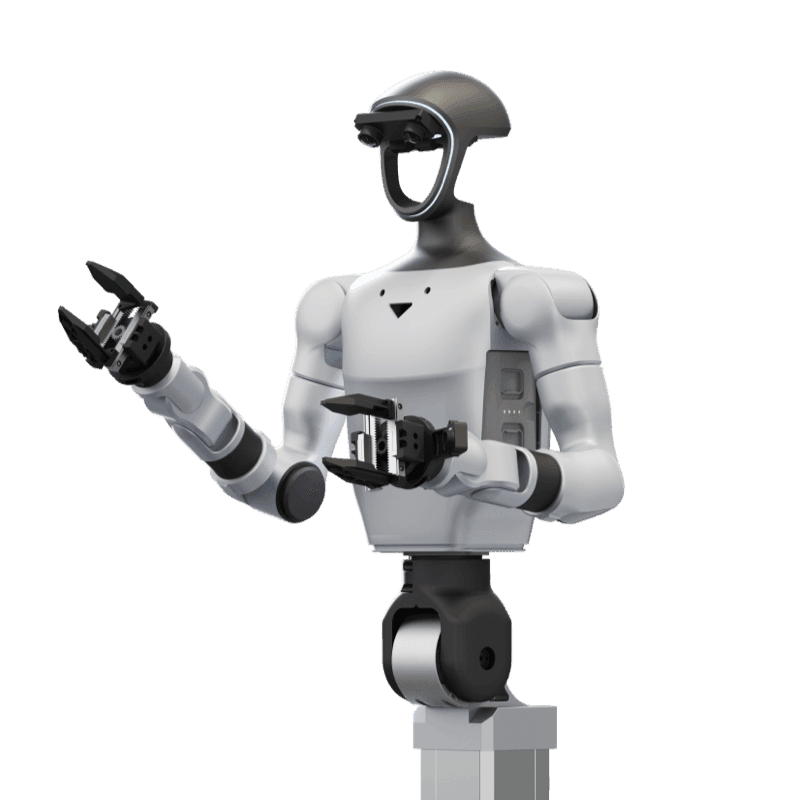
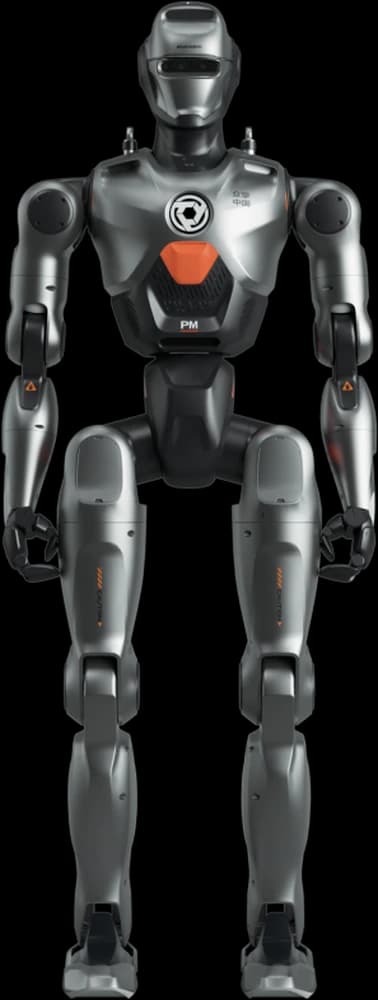
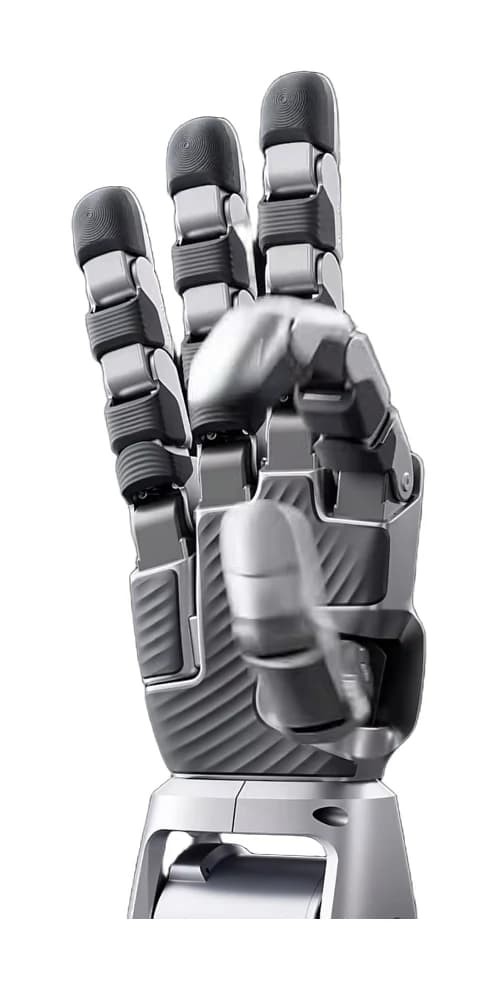

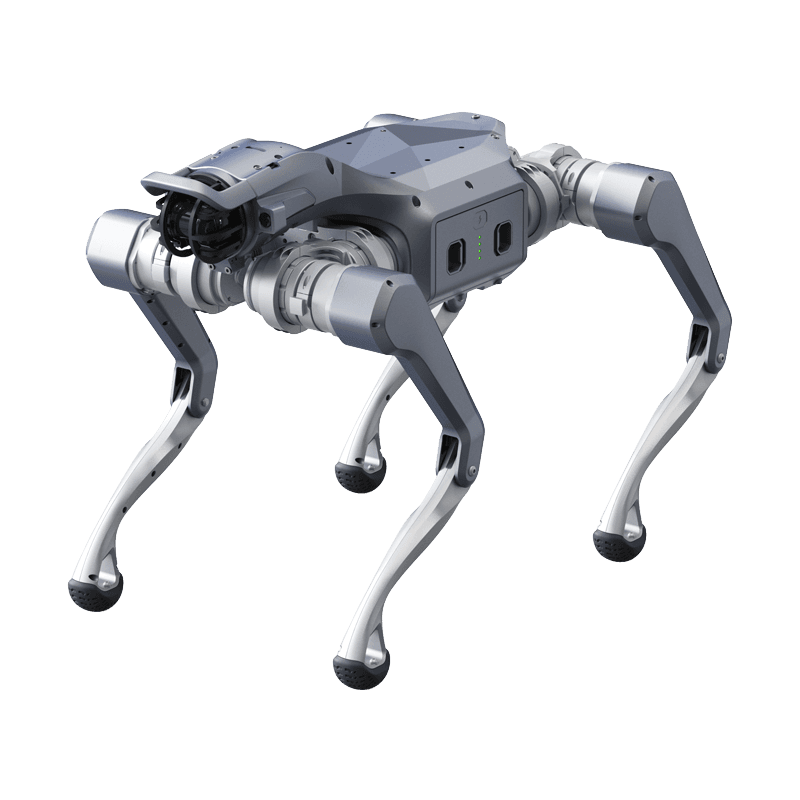
Launch Video: Terrain, Balance, Power
The launch video shows the D1 on rugged terrain, self-balancing and resisting tipping, and demonstrating greater power and agility.
- This is what reinforcement-learning gait control looks like in the field.
Quadruped Robot Dog Platform (Pro / Edu)
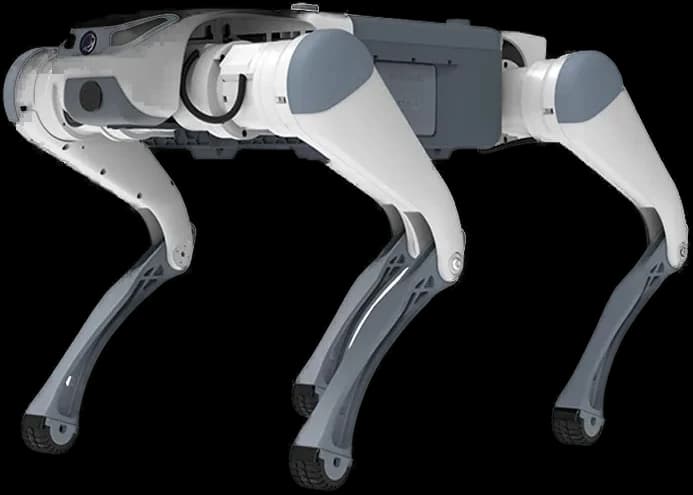
The AgiBot D1 is a 15.5 kg quadruped robot dog platform offered in Pro and Edu editions. With reinforcement-learning gait control it runs at 3.5 m/s, climbs 16 cm steps and 40 degree slopes, jumps 35 cm and carries a 5 kg effective payload.
Twelve aluminium alloy joint motors deliver 48 Nm of peak torque and, thanks to dual encoders, start working immediately with no zero calibration. A 4.6 Ah / 43.2 V battery gives 1-2 hours of runtime and a 6 km range; charging takes about an hour. The D1 Edu adds an SDK and Ethernet/USB/SBUS/UART interfaces for LiDAR, depth camera, RTK and 4G/5G modules, and its URDF model supports simulation in Isaac Sim and MuJoCo. Robotlar.org assesses sourcing and alternatives together with organizations that have a D1 requirement.
Enterprise supply · specification support · integration engineering
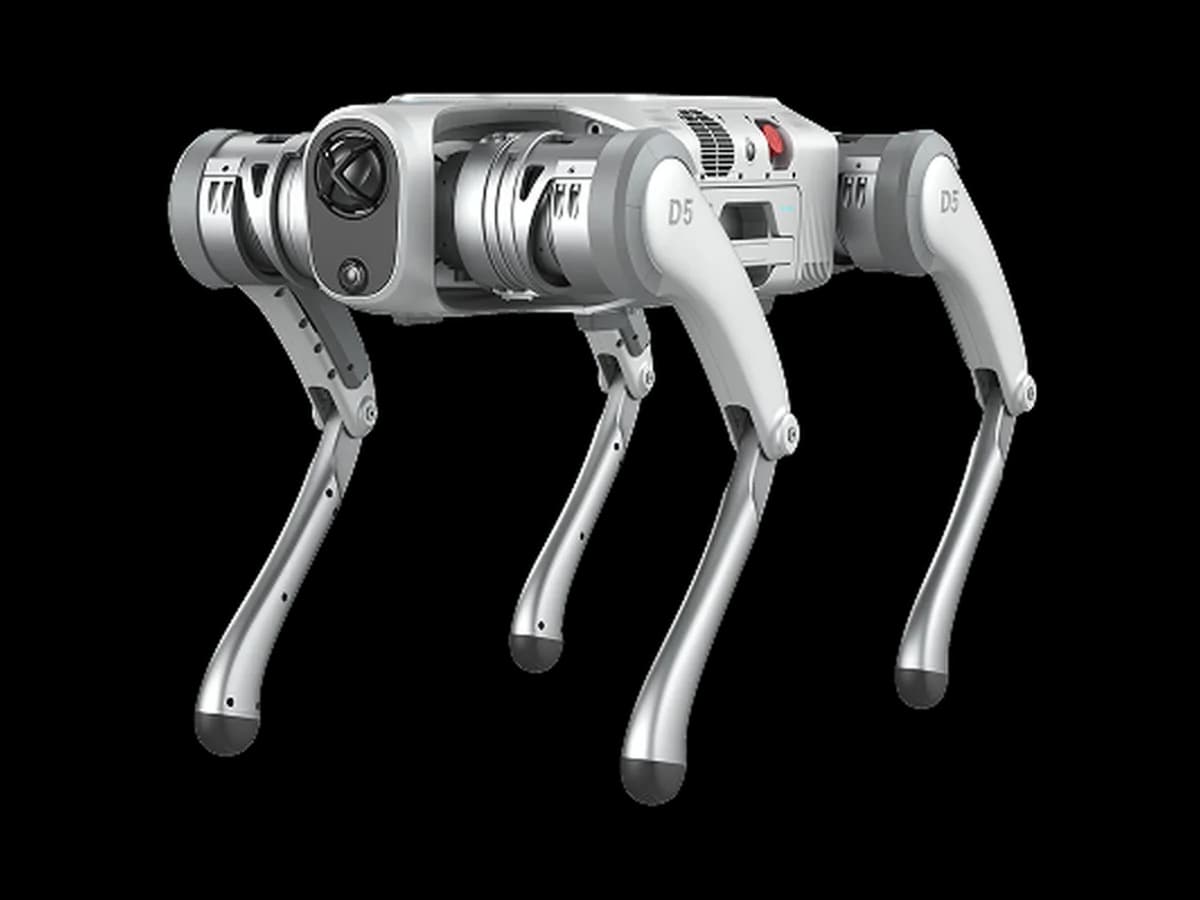
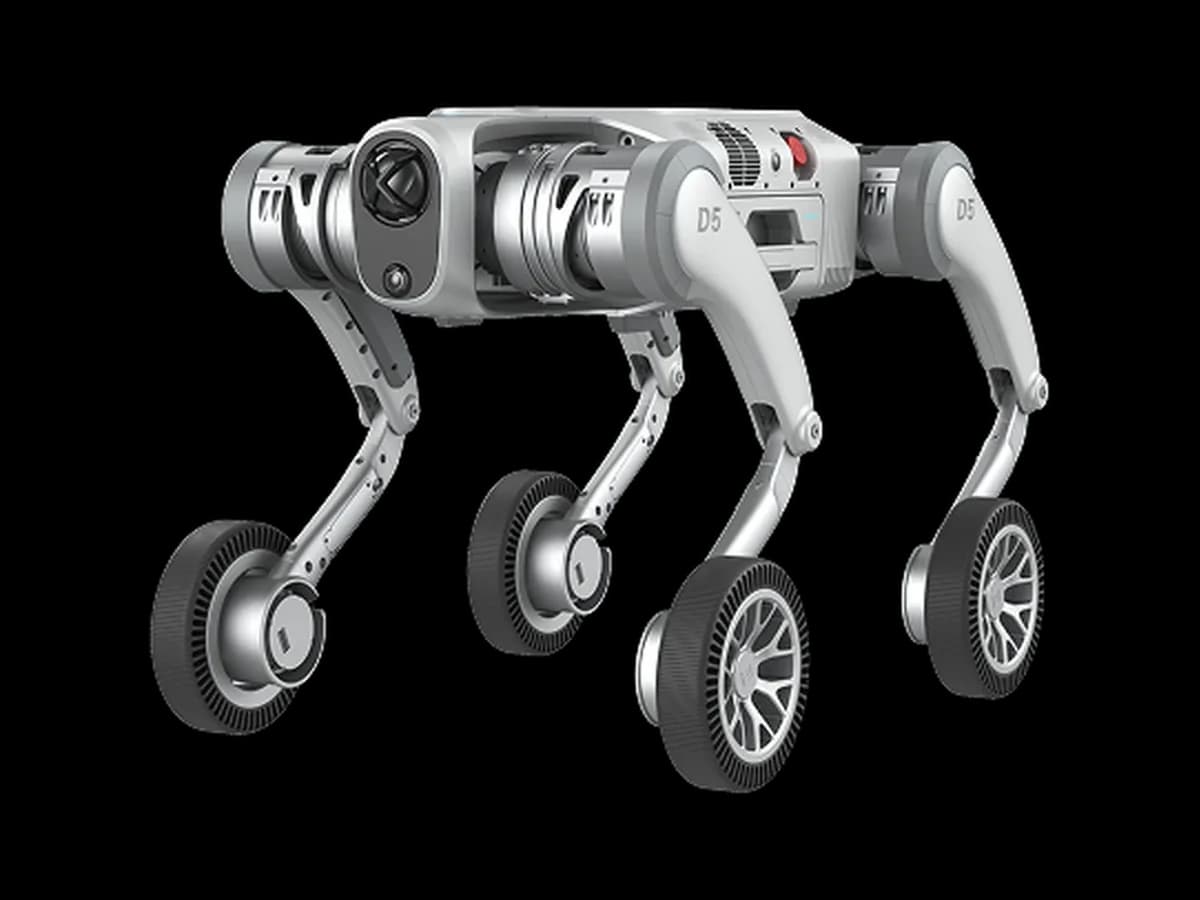
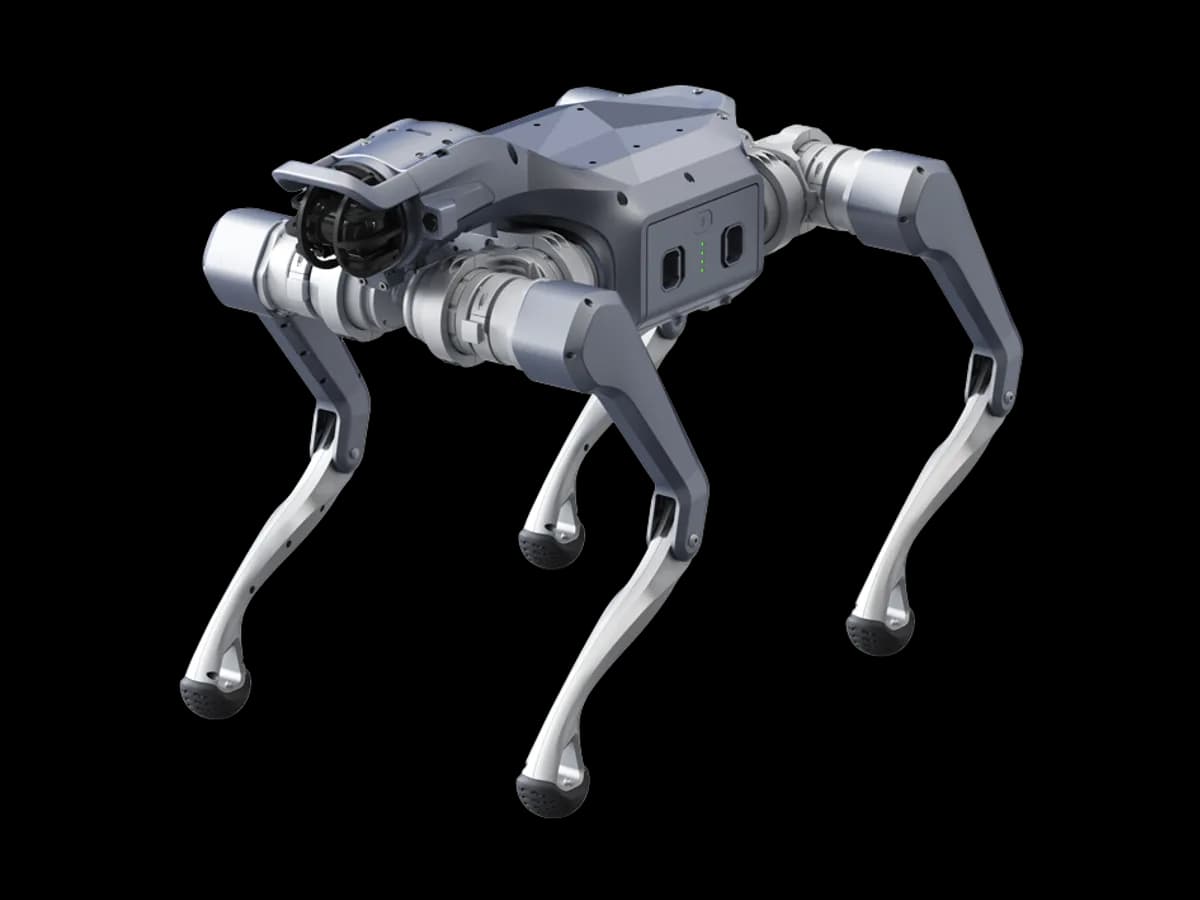
The AgiBot D1 is the quadruped robot dog platform of Shanghai-based AgiBot, offered in two editions, D1 Pro and D1 Edu. Three headings: powerful remote operation, extended endurance and scalable flexibility.
Hardware highlights: a 15.5 kg body of aluminium alloy and engineering plastic, 48 Nm of peak torque from twelve aluminium alloy joint motors, 3500 W maximum power, 3.5 m/s running, 16 cm steps, 40 degree slopes, a 35 cm jump and a 5 kg effective payload. Reinforcement-learning gait control, self-balancing and anti-fall are standard; the dual-encoder motors work immediately on startup with no zero calibration. A 4.6 Ah / 43.2 V battery provides 1-2 hours of runtime and a 6 km ± 1 km range, and charging takes about an hour. Standard actions are standing, lying, damping mode, pitch and height adjustment and horizontal turning; special actions are forward and upward jumps, biped standing, backflips and waving.
The two editions share the same hardware; the difference is software access. The D1 Pro is used from the remote and the app; the D1 Edu adds an SDK with Ethernet, USB, power, SBUS and UART interfaces, works with LiDAR, depth camera, RTK and 4G/5G modules, and its URDF model is open to Isaac Sim and MuJoCo simulation. The box contains the robot platform, charger and handheld remote; the adapter and charging base are standard, and the warranty is one year. All values are based on laboratory tests.
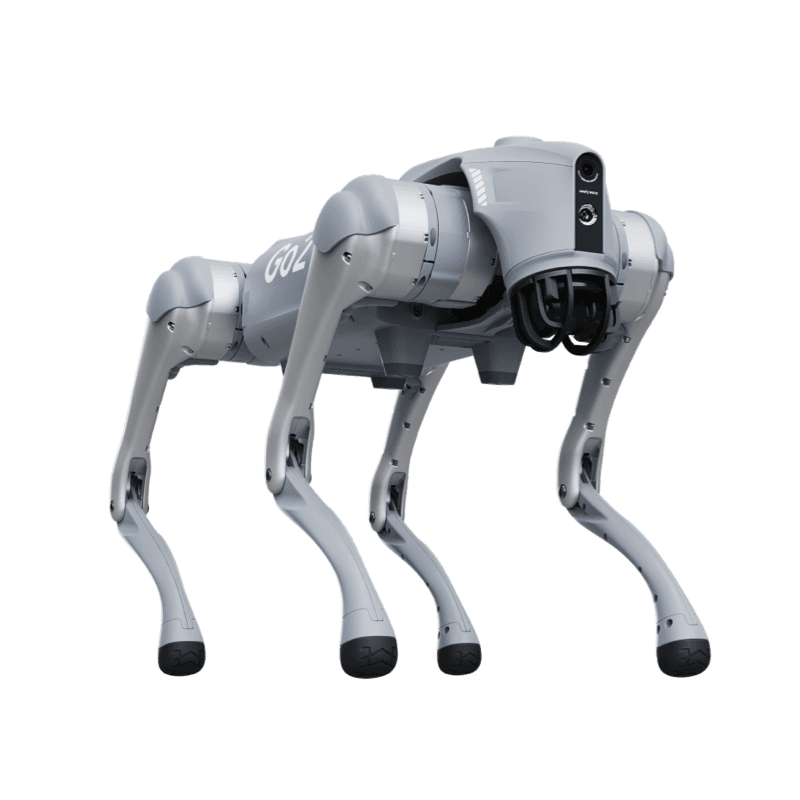
For organizations with a D1 requirement we assess sourcing, timing and the quadruped alternatives deliverable today (Unitree Go2) transparently.
3 use casesTap the cover to play; sound and loading start only on click.
The manufacturer's official variant matrix; the values are documented data.
| Feature | D1 Pro | D1 Edu |
|---|---|---|
| Secondary development | Desteklenmez | Desteklenir |
| SDK development kit | Yok | Var; yük entegrasyonu destekler |
| Expansion interfaces | Yok | Ethernet, USB, güç portu, SBUS, UART |
| Real-time image transmission | Desteklenir | Desteklenir |
| Hardware (motors, battery, sensors) | Ortak | Ortak |
| Warranty | 1 yıl | 1 yıl |
| Quote | Get a Quote for This ModelD1 Pro | Get a Quote for This ModelD1 Edu |
Both editions share the same body, motors, battery and motion capabilities; the difference lies only in secondary development, SDK and expansion interfaces.
D1 Pro
Out-of-the-box use: shows, demos and classrooms; runs from the remote and app, with no code access.
D1 Edu
Developer platform: SDK, Ethernet/USB/SBUS/UART interfaces, payload integration such as LiDAR and depth cameras; universities and R&D.
The use cases the manufacturer defines for the AgiBot D1.
The launch video shows the D1 on rugged terrain, self-balancing and resisting tipping, and demonstrating greater power and agility.
Reinforcement-learning gait control lets the robot adapt on its own to diverse and challenging terrain, with self-balancing, anti-fall and anti-interference as standard.
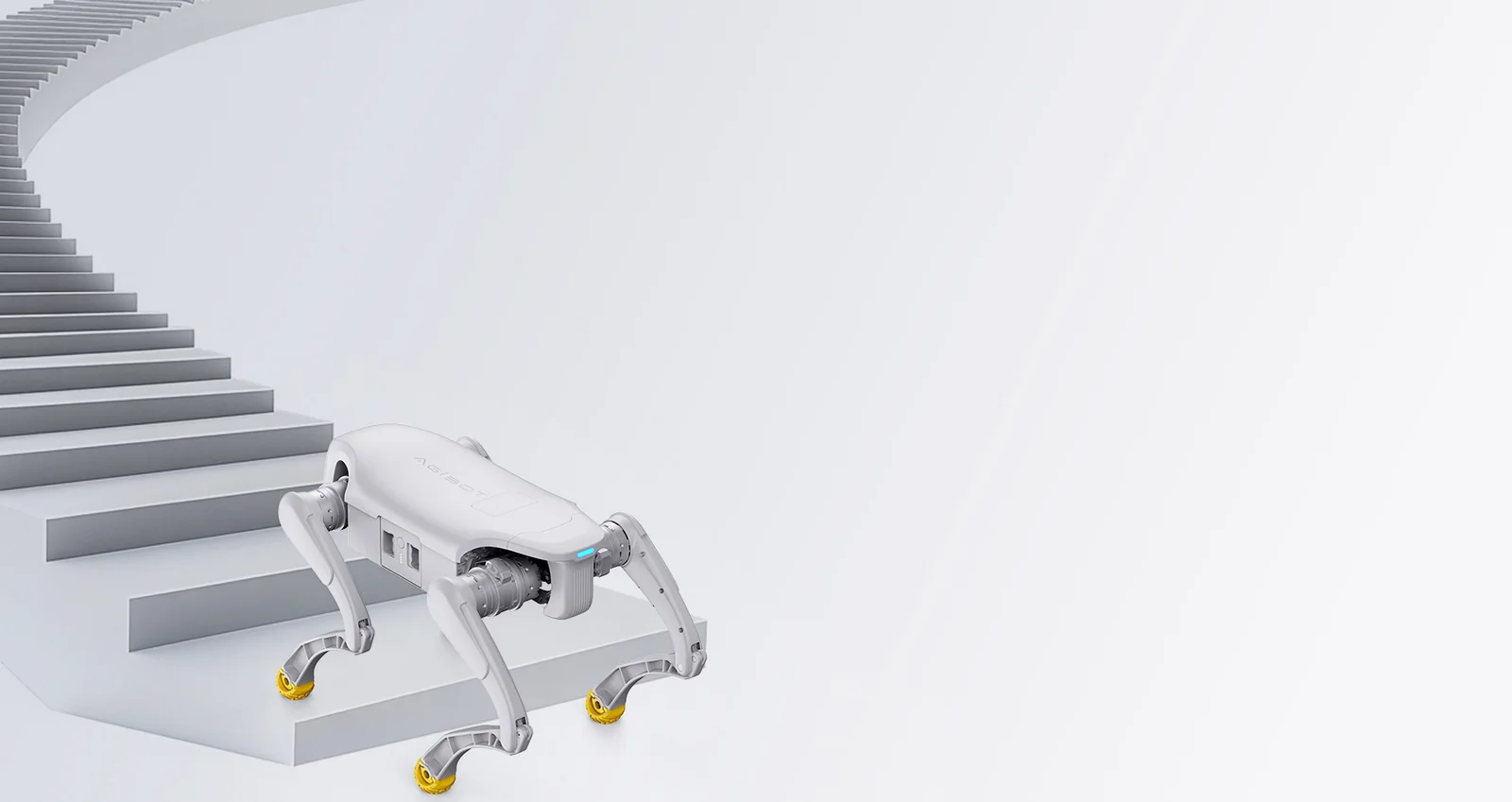
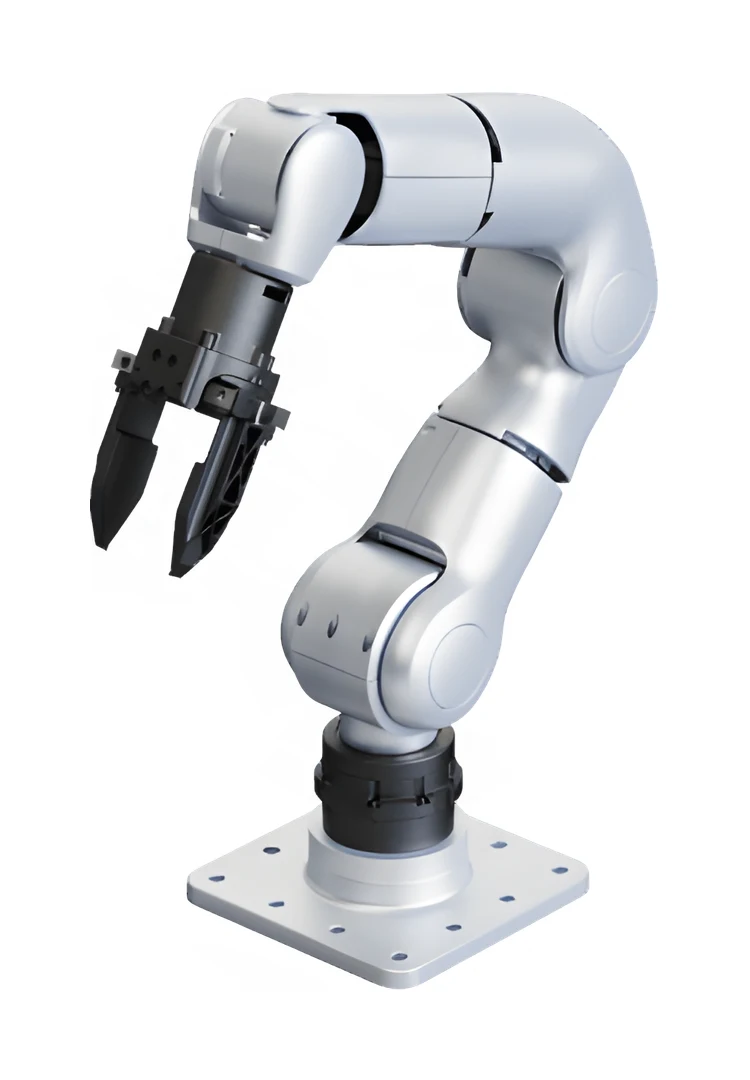
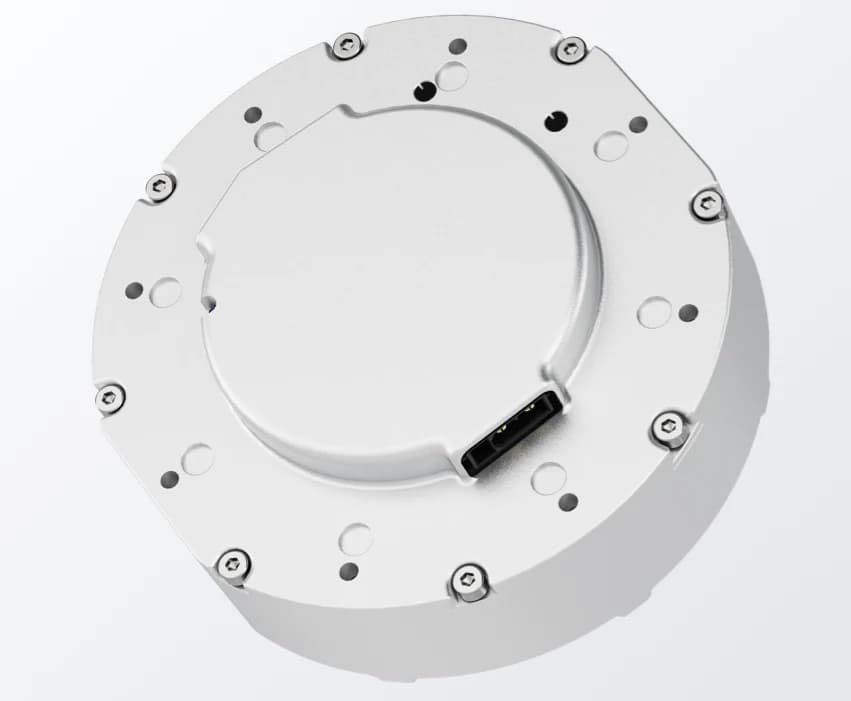
48 Nm of peak torque gives reliable operation on complex terrain and under heavy loads.
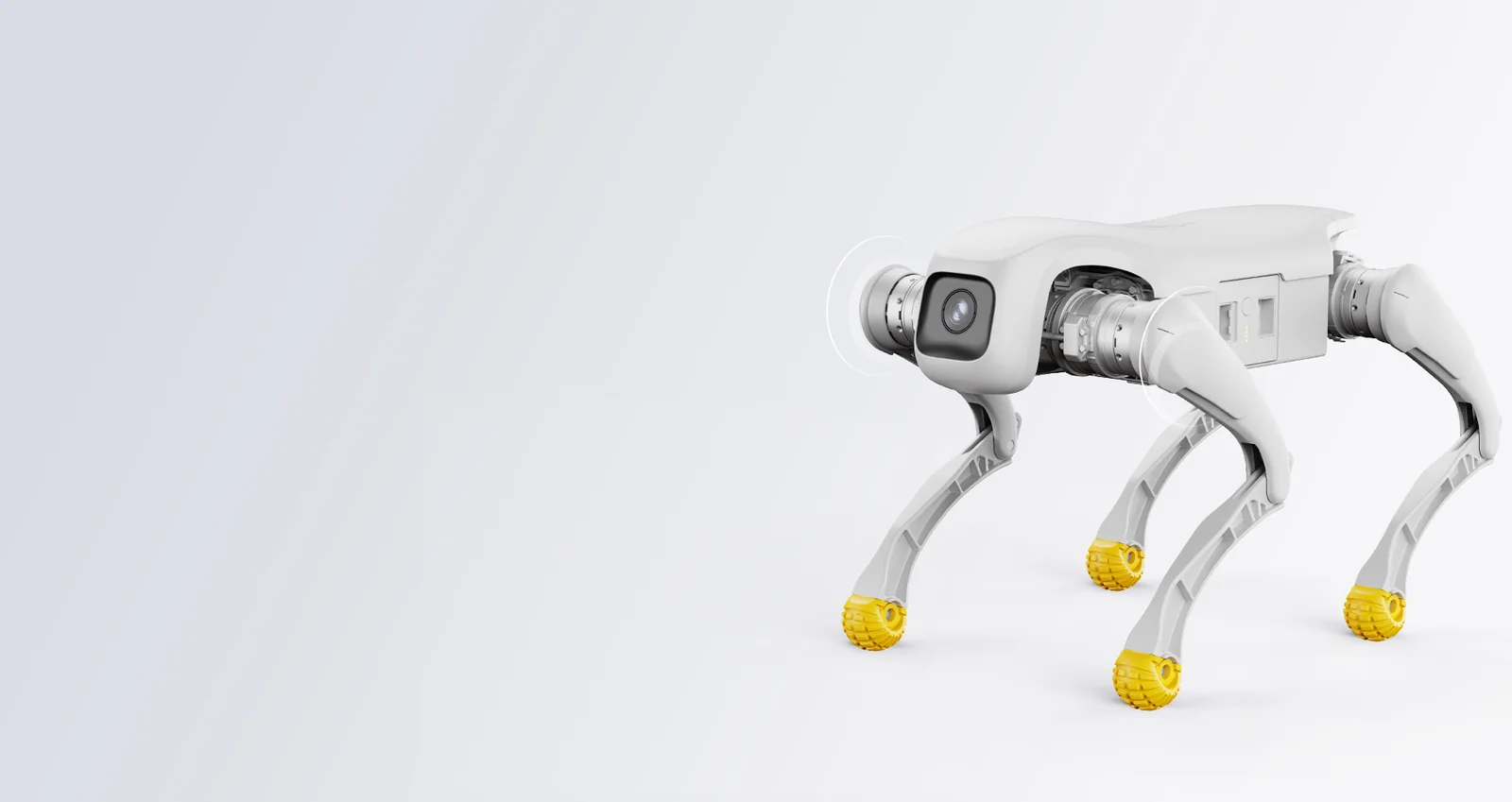
The D1 Edu supports payload integration through its SDK development kit.
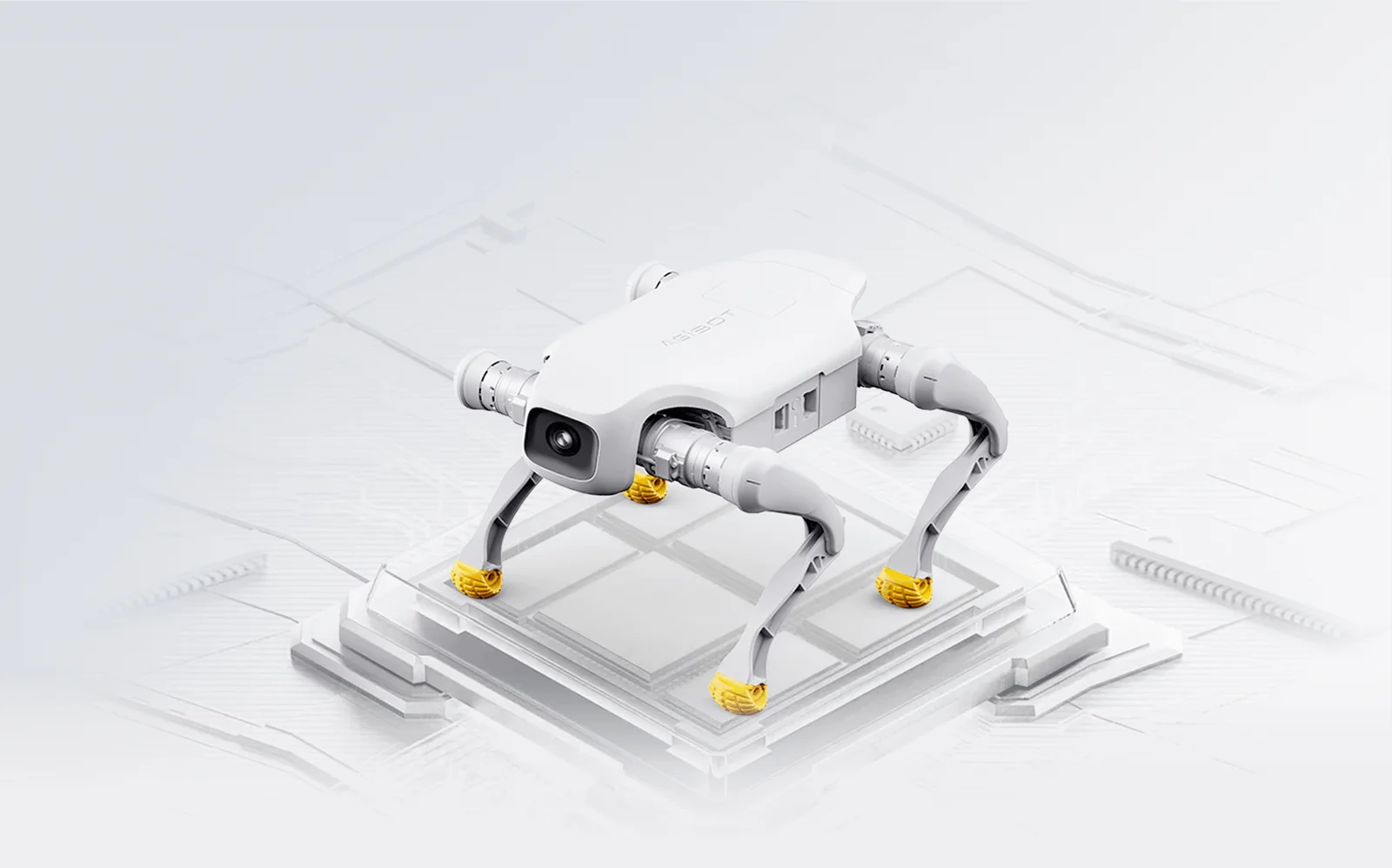
The first application scenario is stage and event work: special actions such as forward and upward jumps, biped standing, backflips and waving are triggered from the remote or the app.

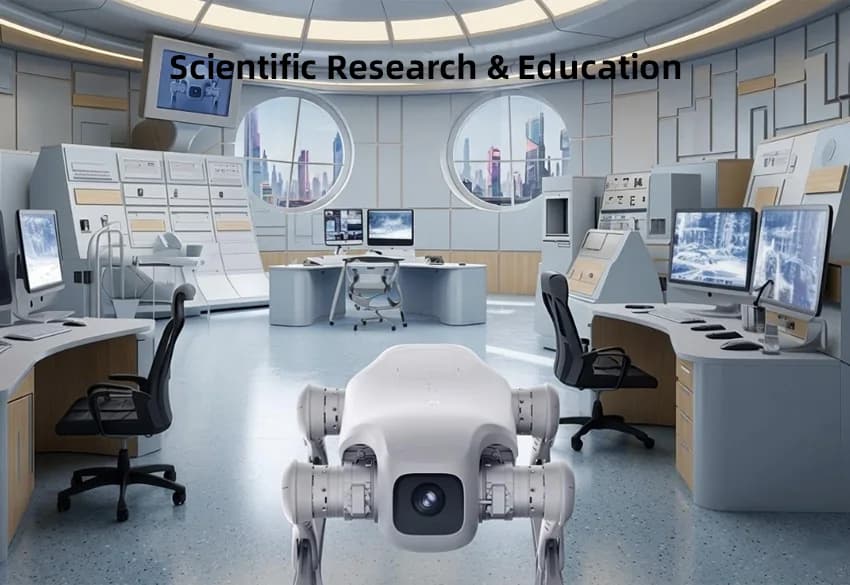
The second scenario is the lab and the classroom: the D1 Edu's SDK, Ethernet, USB, power, SBUS and UART ports and URDF model make it possible to work on real hardware in quadruped locomotion, perception and reinforcement-learning courses.
Operation via handheld remote and mobile app; real-time image transmission
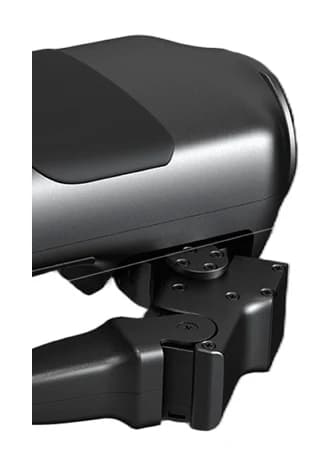
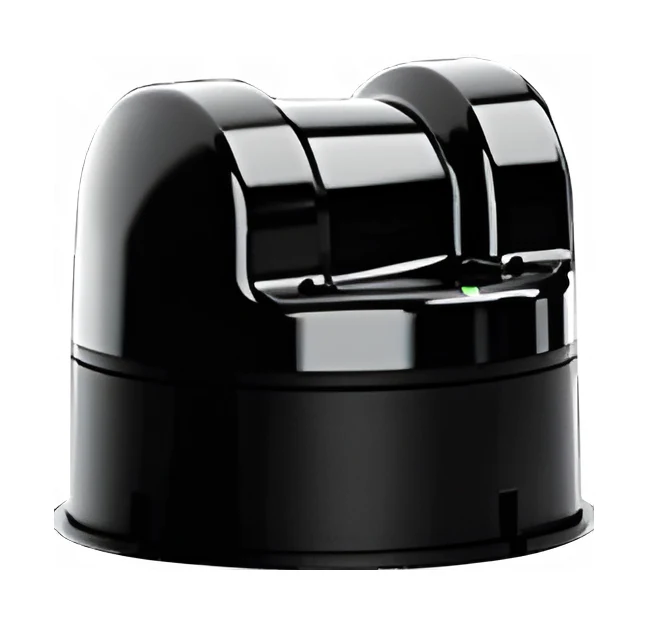
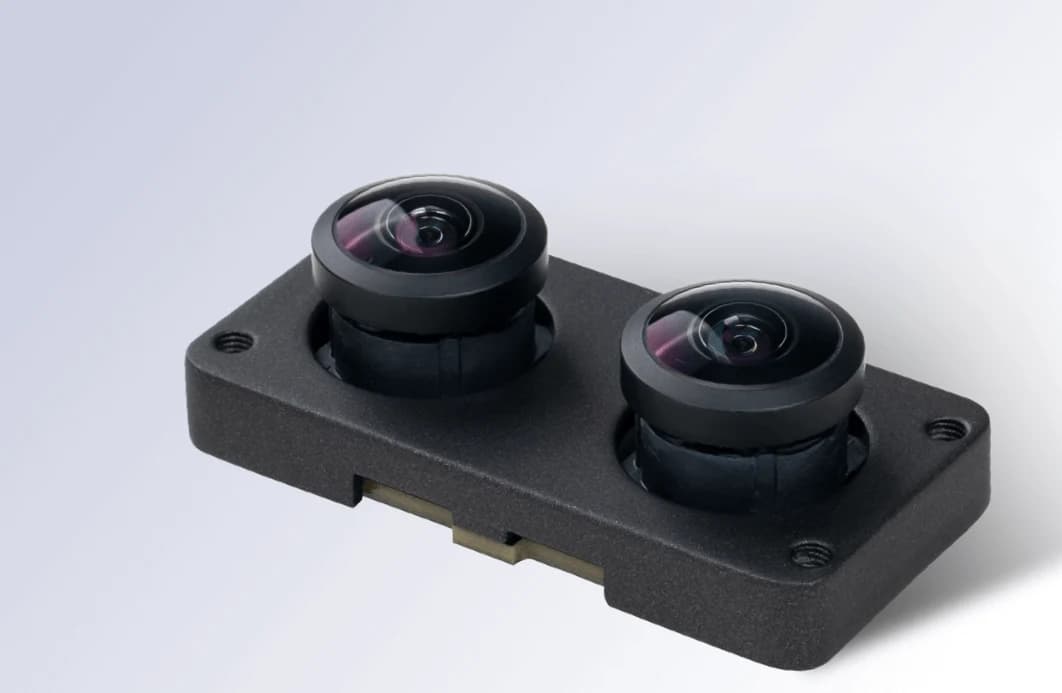
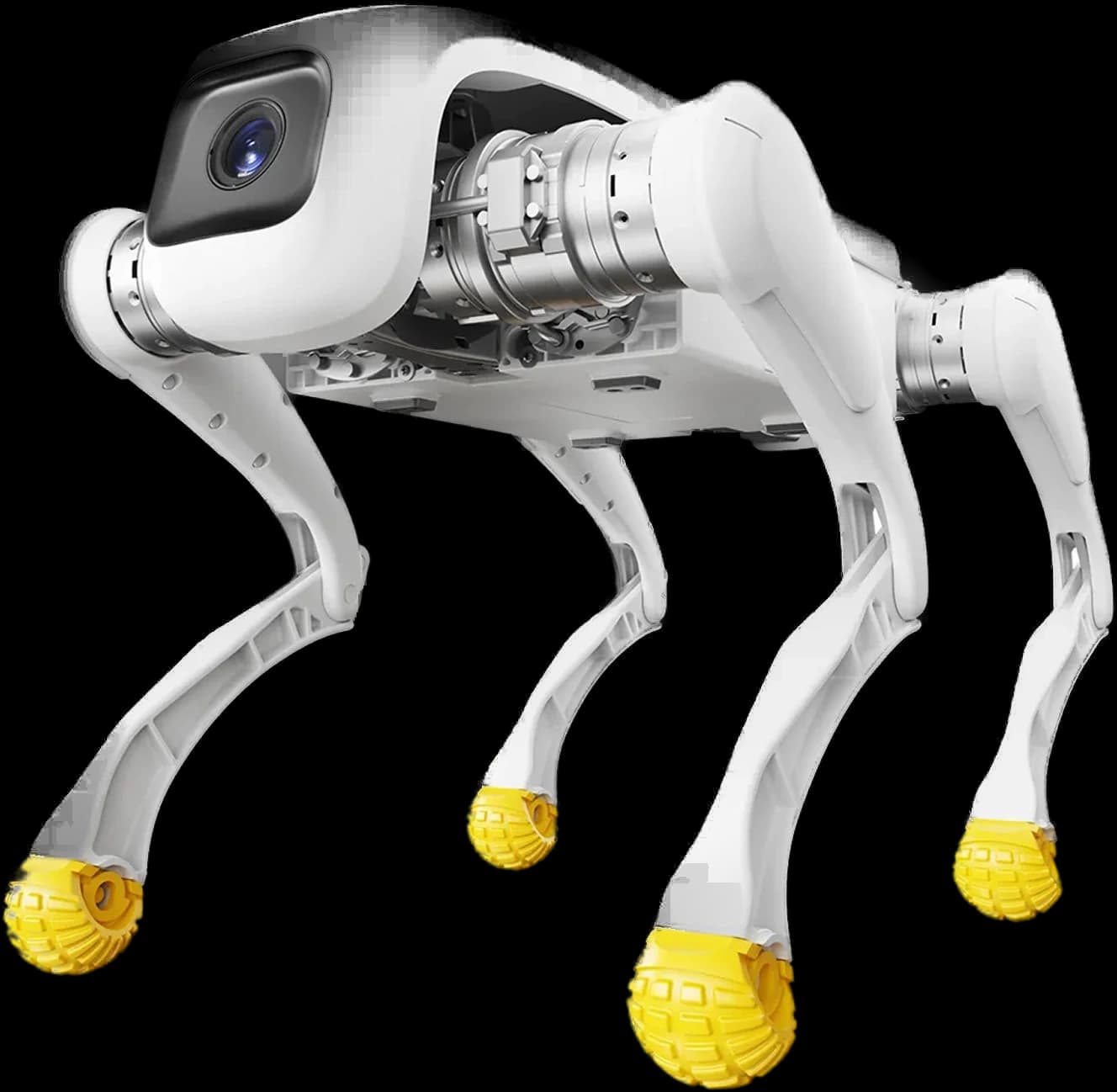
High-definition front camera; DFOV 122°, HFOV 111°, VFOV 70°
Jumping, running, stair climbing; 3.5 m/s, 16 cm steps, 35 cm jump, 40 degree slope
Comprehensive secondary development interface and SDK on the D1 Edu; URDF for Isaac Sim and MuJoCo
LiDAR, camera, computing platform, RTK, 4G/5G and image transmission modules (via the D1 Edu interfaces)
Nominal 4.6 Ah, 43.2 V; 1-2 hours of runtime, 6 km range; about 1 hour to charge
Shock resistance and fall recovery; reinforcement-learning gait
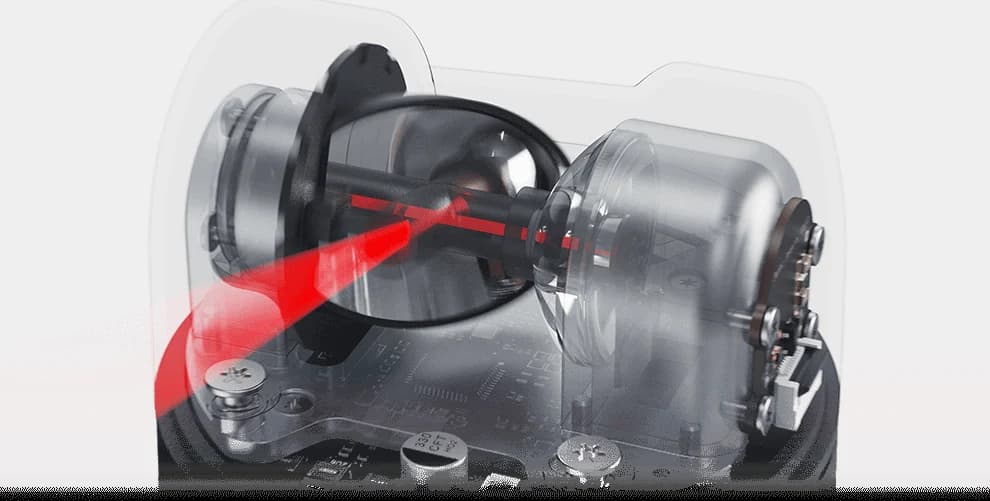
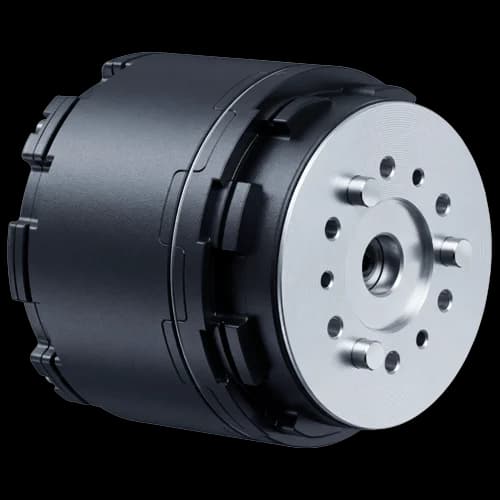
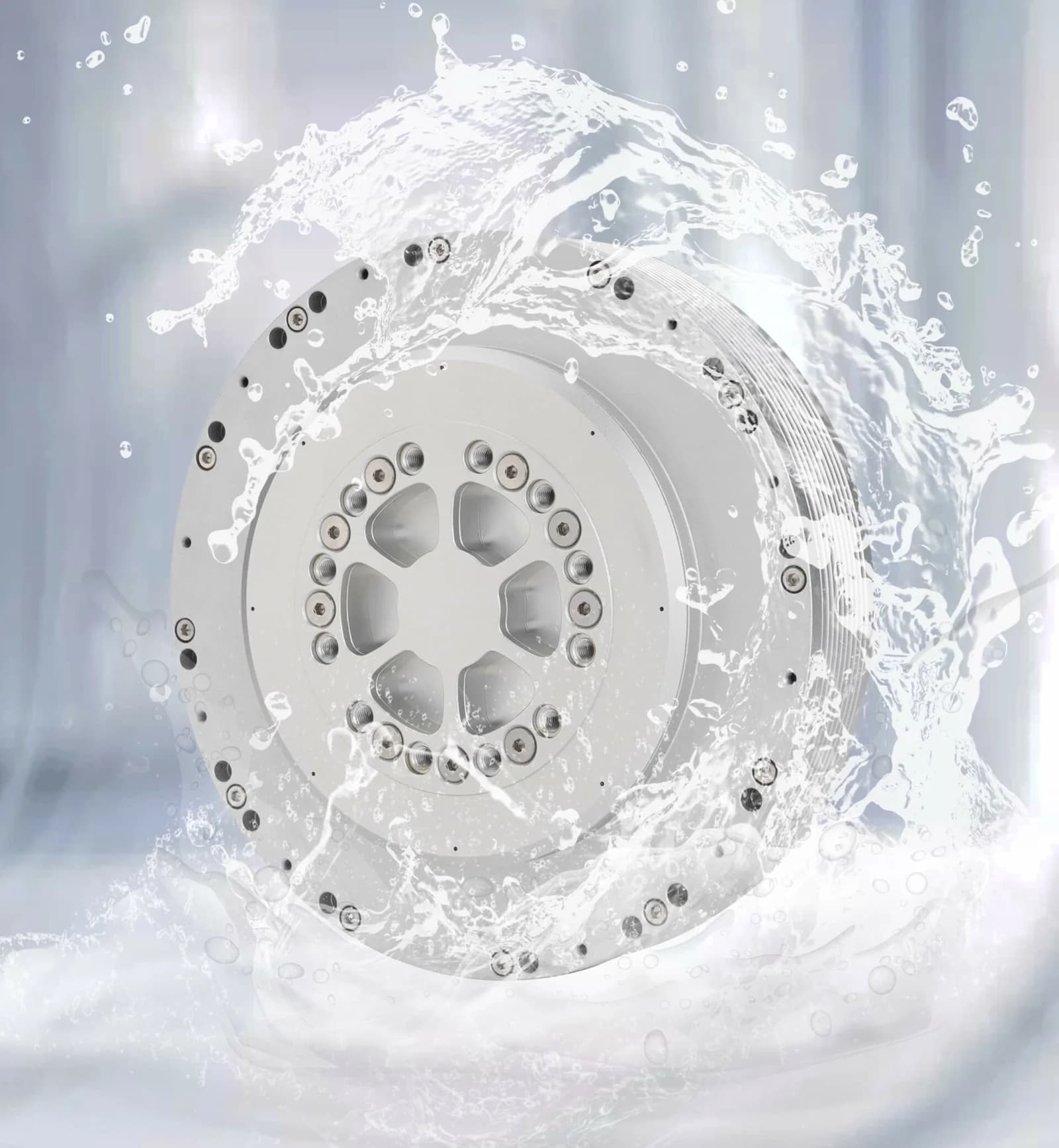
Aluminium alloy precision motors; dual encoders, zero calibration
4 images; tap to enlarge.
39 values in 7 categories; data published by the manufacturer.
Verified on the manufacturer page on 18 September 2026.
An itemised quote for the AgiBot D1 is prepared by configuration, quantity and delivery scope.
48 Nm of peak torque per joint is a high figure for a 15.5 kg body, and the 35 cm jump and 40 degree slope follow from it. The 3500 W maximum power output tells the same story: a power budget designed for short explosive motion. Because the dual-encoder motors need no zero calibration, no alignment time is spent at each startup; the modules were tested for millions of impact cycles.
The 4.6 Ah, 43.2 V battery corresponds to roughly 199 Wh (a calculated value); runtime is 1-2 hours with a 6 km ± 1 km range. A charge of about an hour (10% to 90%) and the quick-swap battery allow a continuous cycle between lessons or shows. The operating temperature is 0-40 °C, a limit that should enter the plan for outdoor winter use.
The hardware is identical across the two editions; the difference is software access. The D1 Pro runs from the remote and the app with no secondary development or expansion interfaces, which is enough for shows, demos and basic teaching. The D1 Edu adds an SDK, Ethernet, USB, power, SBUS and UART ports for LiDAR, depth camera, RTK and 4G/5G modules, and its URDF model supports simulation in Isaac Sim and MuJoCo. If code will be written or sensors mounted, Edu is the choice.
| Feature | AgiBot D1 Pro / Edu | Unitree Go2 (PRO) |
|---|---|---|
| Weight | 15.5 kg (incl. battery) | 15 kg |
| Max speed | 3.5 m/s | 3.5 m/s |
| Payload | 5 kg effective payload | 12 kg (standing) |
| Slope / step | 40° / 16 cm | 40° / 16 cm |
| Peak joint torque | 48 Nm | 45 Nm |
| Runtime | 1-2 hours | 1-2 hours (standard battery) |
| Compute | 8-core CPU | 8-core CPU, optional Jetson Orin |
| Status in Turkey | Sourcing enquiry | Orderable |
The D1 is a platform carrying Go2-class figures: the same speed, the same slope and step, slightly higher joint torque. Where it diverges is payload (5 kg effective versus the Go2's 12 kg standing load) and ecosystem: the Go2 can be ordered in Turkey today with warranty and service, while AgiBot has published no Turkey delivery, service or warranty terms for the D1. The Pro/Edu split gives a clear buying rule: Pro without code and sensors, Edu with them.
Supply model
Supply to Turkey is planned per project; import, delivery and commissioning scope are itemised in the quote.
Pre-sales assessment
Site and mission focused technical feasibility; specification and administrative process support.
Demo and site visit request
Send a demo request; availability and scope are settled in the call.
Manufacturer warranty
Manufacturer warranty: 1 year
Source documents
Technical values come from the manufacturer's documents; verified on 18 September 2026. 5 documents at the bottom of the page.
Robotic system costs are optimised according to the selected hardware platform, additional sensor and payload configurations, and the integration scenarios specific to your site. Share your requirements and our engineering team will prepare a feasibility report and a pro forma quotation tailored to your organisation.
Direct contact and advisory line: 0850 532 6 777
The most common questions about the AgiBot D1.
Sourcing, delivery schedule and investment for the D1 are settled per project. If you have a corporate requirement you can talk to Robotlar.org: we assess the sourcing process, a realistic timeline and the alternatives deliverable today.
The body, motors, battery and motion capabilities are the same. The D1 Pro has no secondary development or expansion interfaces and is used from the remote and the app. The D1 Edu offers an SDK development kit and Ethernet, USB, power port, SBUS and UART interfaces; LiDAR, depth camera, RTK and 4G/5G modules can be mounted, and its URDF model allows simulation in Isaac Sim and MuJoCo.
Approx. 635 × 360 × 420 mm standing, 675 × 435 × 145 mm lying, 15.5 kg incl. Battery, 3.5 m/s max speed, 5 kg effective payload, 16 cm steps, 40 degree slope, 35 cm jump, 48 Nm peak joint torque, 12 joint motors, 3500 W max power, 8-core CPU, 4.6 Ah / 43.2 V battery, 1-2 hours of runtime, 6 km ± 1 km range, about 1 hour to charge, 0-40 °C operating temperature, IMU and a DFOV 122° camera.
1-2 hours of runtime and a 6 km ± 1 km range; the battery is nominally 4.6 Ah and 43.2 V. Charging takes about an hour (10% to 90%); the battery is quick-swappable, and the charging base and adapter are supplied as standard.
Speed (3.5 m/s), slope (40 degrees) and step (16 cm) are the same; the D1's joint torque is slightly higher (48 Nm versus 45 Nm) while the Go2 carries more (12 kg versus a 5 kg effective payload). The Go2 can be ordered in Turkey today with 4-6 week delivery, a 1-year official warranty, on-site commissioning and engineering support across Turkey.