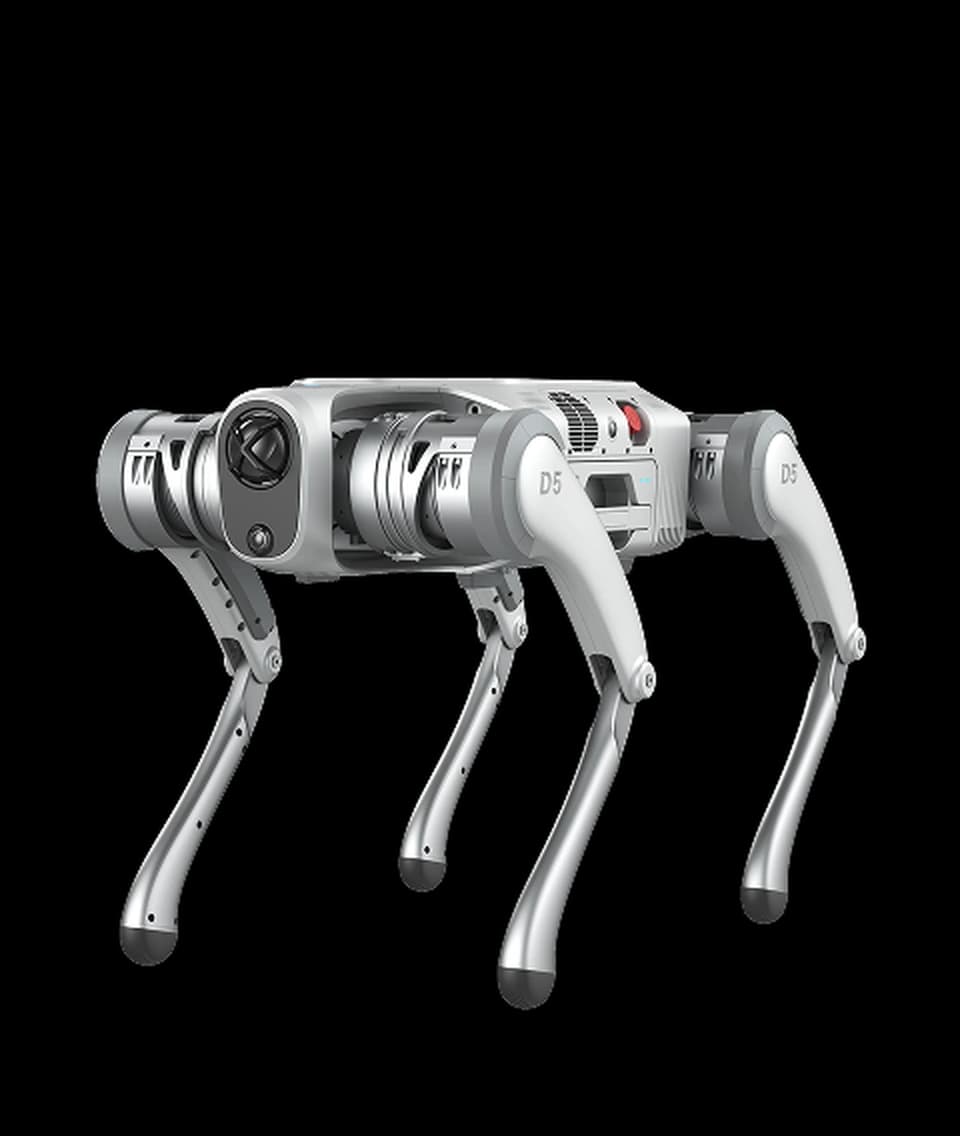
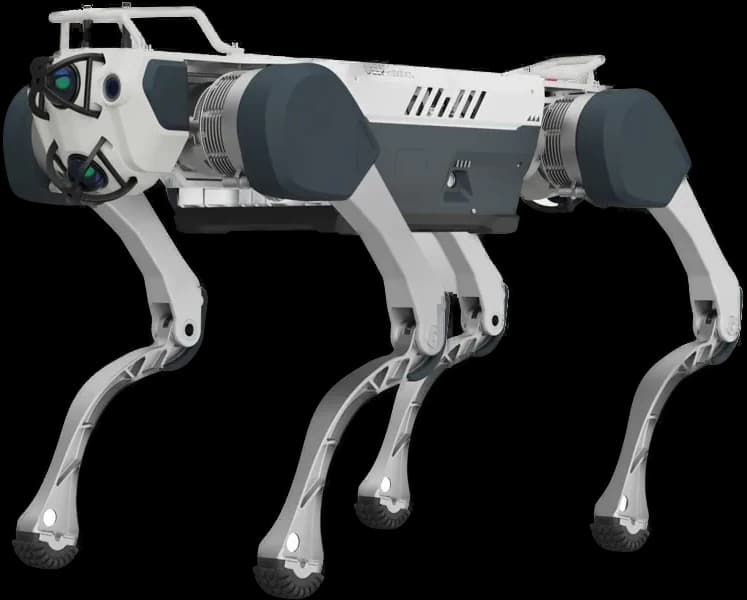
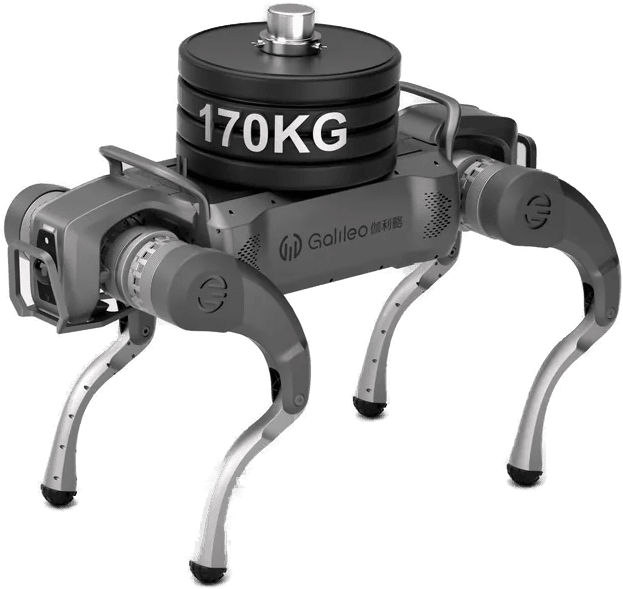
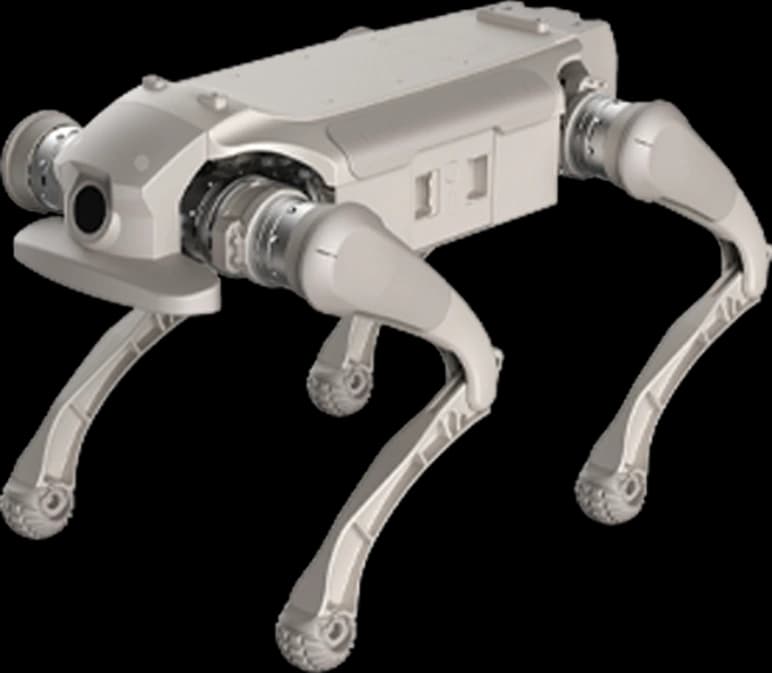
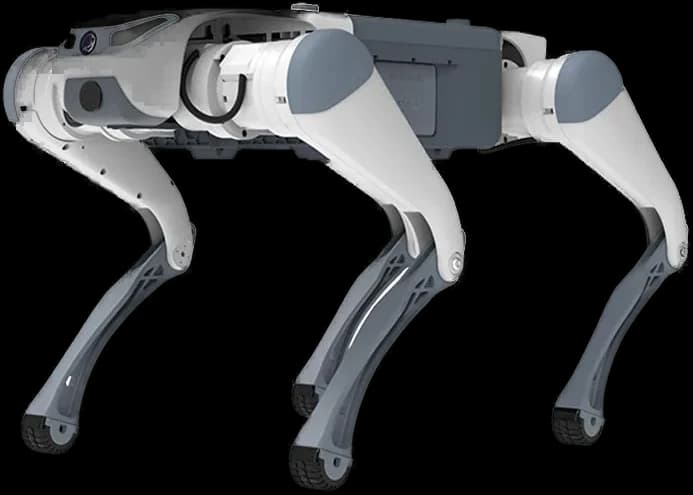
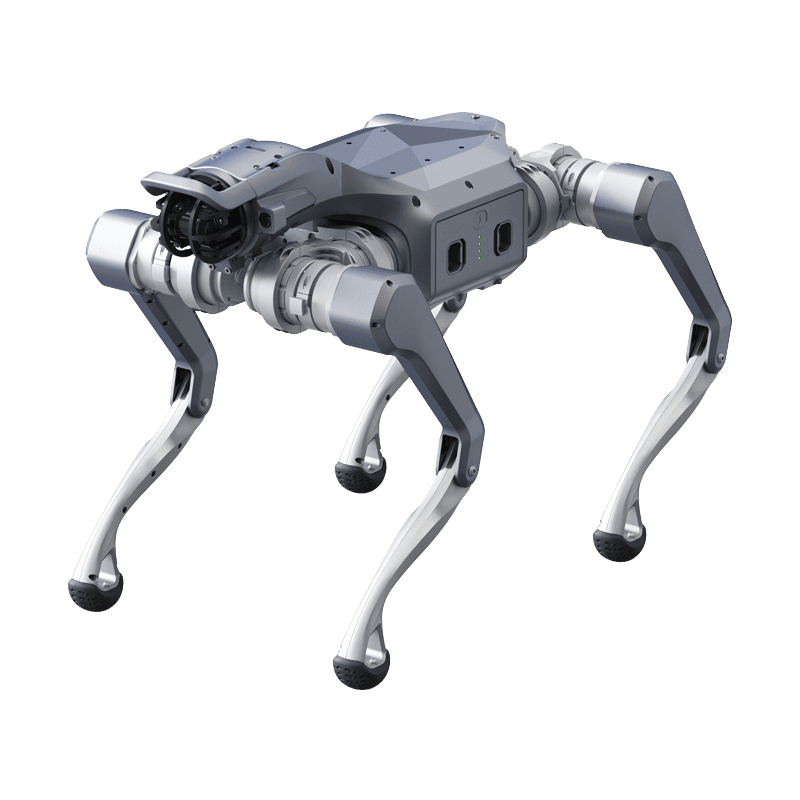
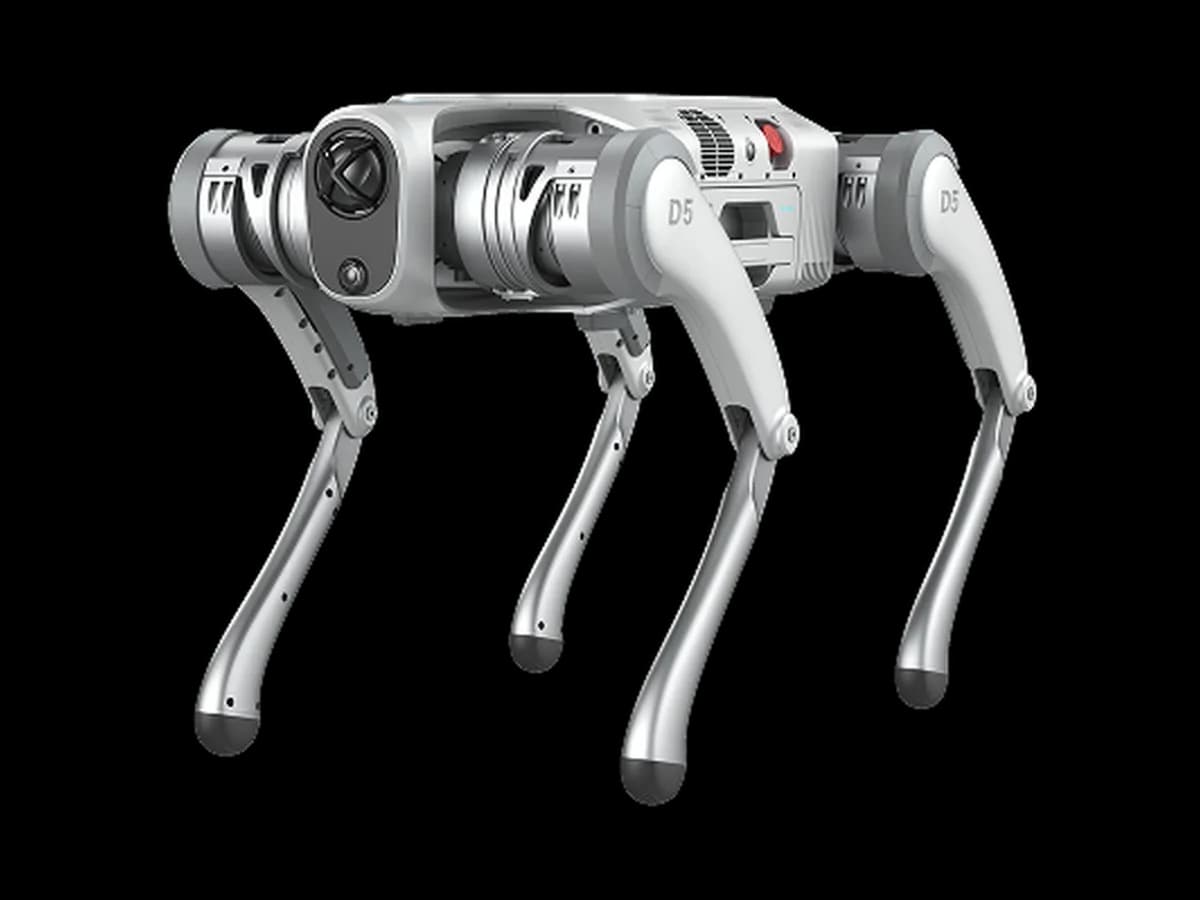
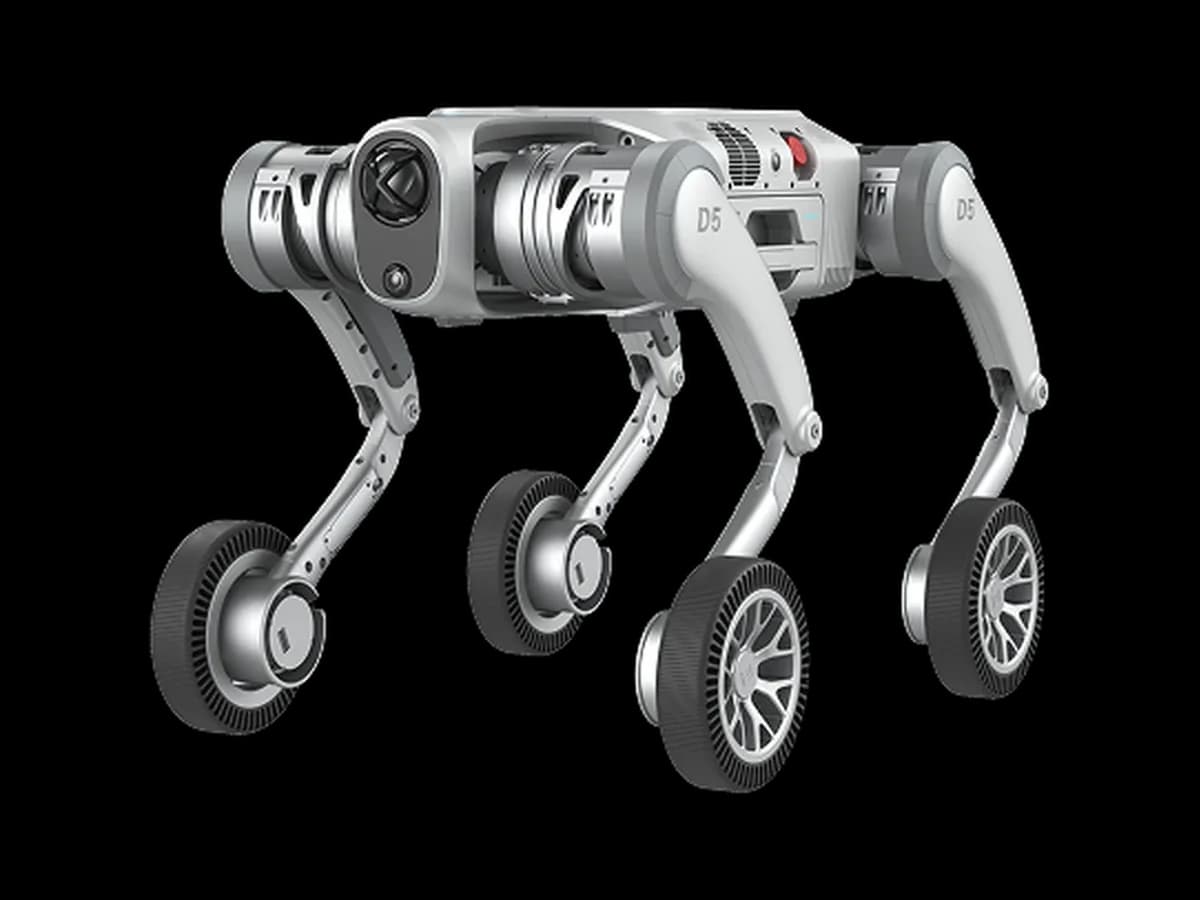
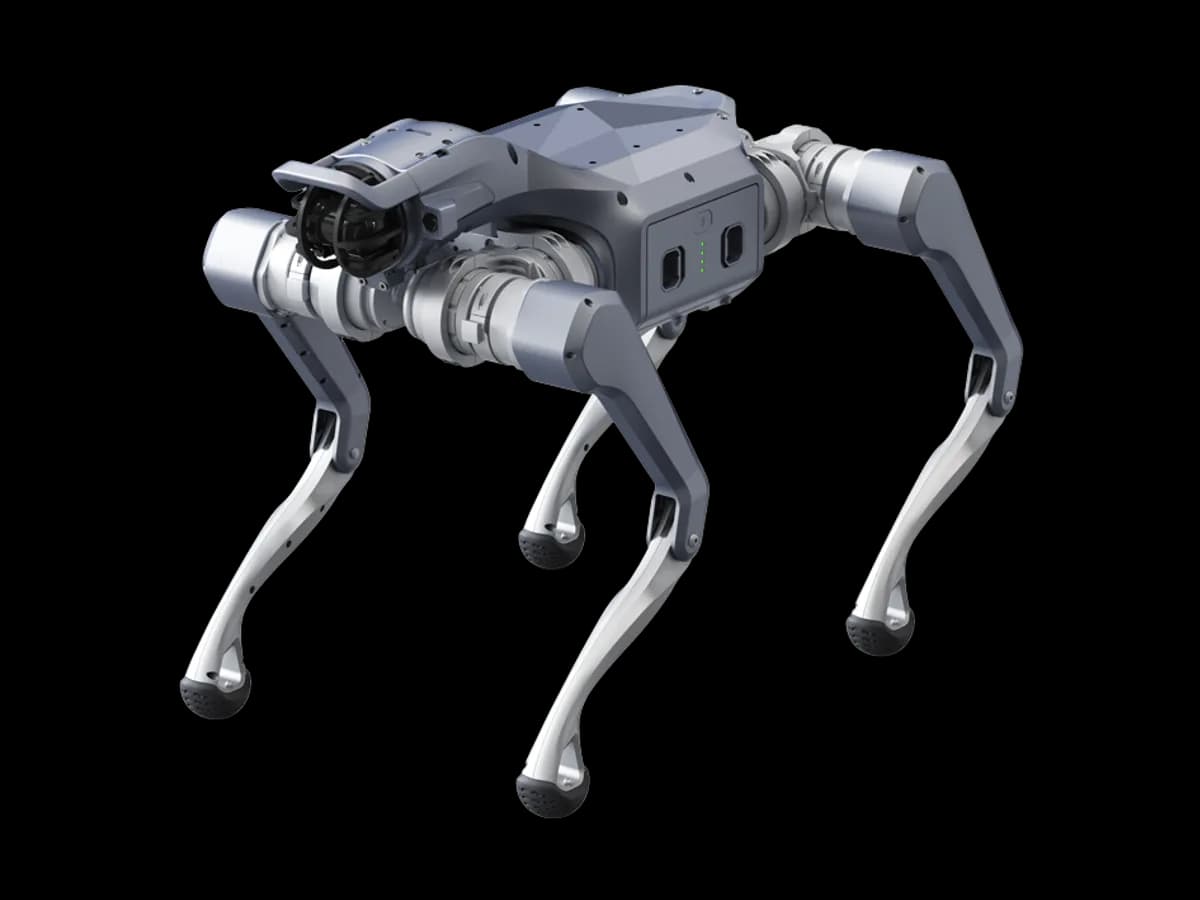
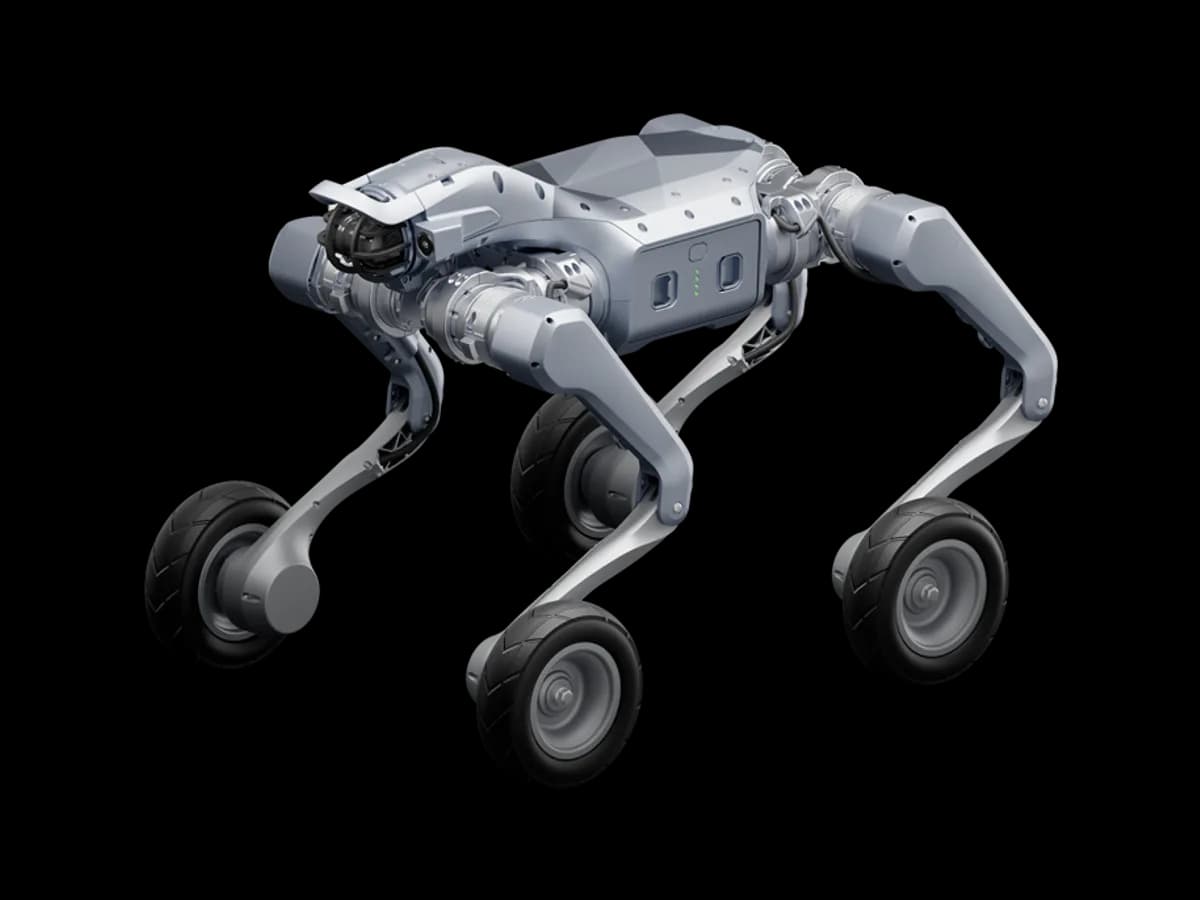
The AgiBot D1 MaxPro is the heaviest-payload member of the D1 series: an industrial quadruped that carries a 50 kg rated payload continuously, is protected to IP67 and works from -20°C to 55°C.
Read moreShow less
Its 2081 Wh (45 Ah) battery gives 5.5 hours and 21 km unloaded, or over 2 hours and 11 km under a 50 kg load; the battery swaps quickly and an autonomous charging station is optional. It climbs continuous 30 cm stairs and open-riser industrial stairs, handles 45° slopes and rights itself after a fall. It carries a front 96-channel LiDAR, two industrial wide-angle cameras and a 117 TOPS computing module; the SDK supports TCP and ROS. Three use areas: heavy-load operation, logistics and transport, and emergency rescue. Robotlar.org assesses sourcing and alternatives together with organizations that have a D1 MaxPro requirement.
Enterprise supply · specification support · integration engineering
1/5
Overview
AgiBot (AGIBOT Innovation (Shanghai) Technology Co., Ltd.) is a Shanghai-based Chinese robotics company. The D1 series covers its quadruped platforms; the D1 MaxPro is the heaviest-payload member of the series and, a productivity platform built for industry.
Hardware highlights: 1270 × 520 × 730 mm standing, 68 kg including battery, 12 degrees of freedom, 50 kg sustained rated payload, 300 Nm peak joint torque (software-limited to 180 Nm), 30 cm continuous stairs, 45° slopes and self-righting after falls. The 45 Ah / 2081 Wh battery gives 5.5 hours and 21 km unloaded, over 2 hours and 11 km fully loaded; charging takes 4.5 hours, the battery swaps quickly and an autonomous charging station is optional. Protection is IP67, operating temperature -20°C to 55°C, water depth 20 cm. Sensing: a front 96-channel LiDAR, front and rear 2 MP wide-angle cameras and an automotive-grade IMU; compute is a 117 TOPS GPU with an ARM CPU. The SDK supports TCP and ROS; there are 3 Gigabit Ethernet ports, 2 USB 3.0, a serial port and 12/24/48 V power outputs up to 720 W.
Three The box includes an adapter, a battery charging connector and a remote controller with display (emergency stop, 500 m range). All values are based on laboratory testing; actual performance may vary with the environment and the product's appearance may be slightly adjusted in future.
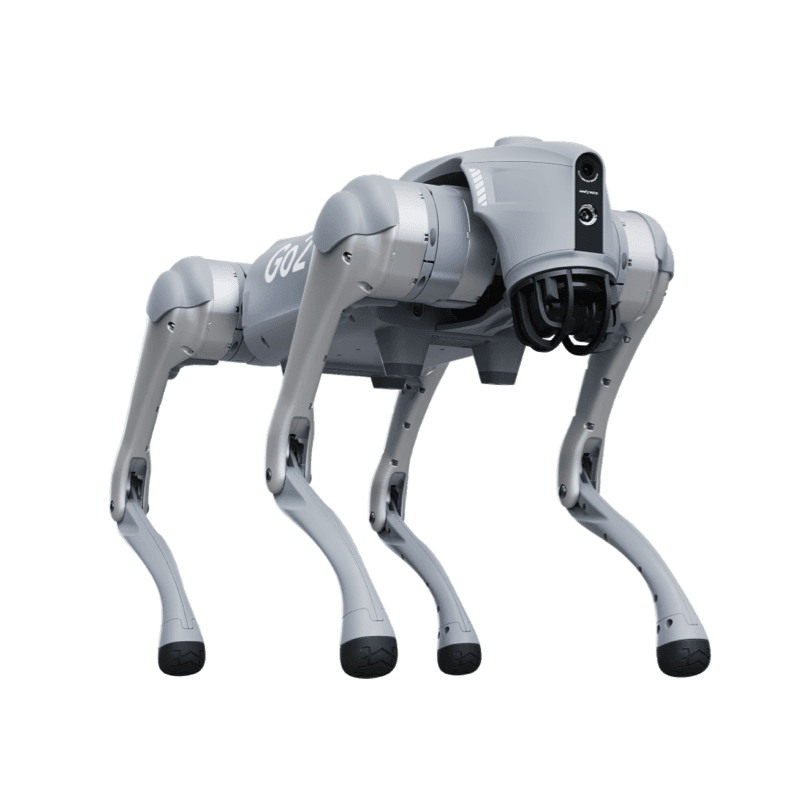
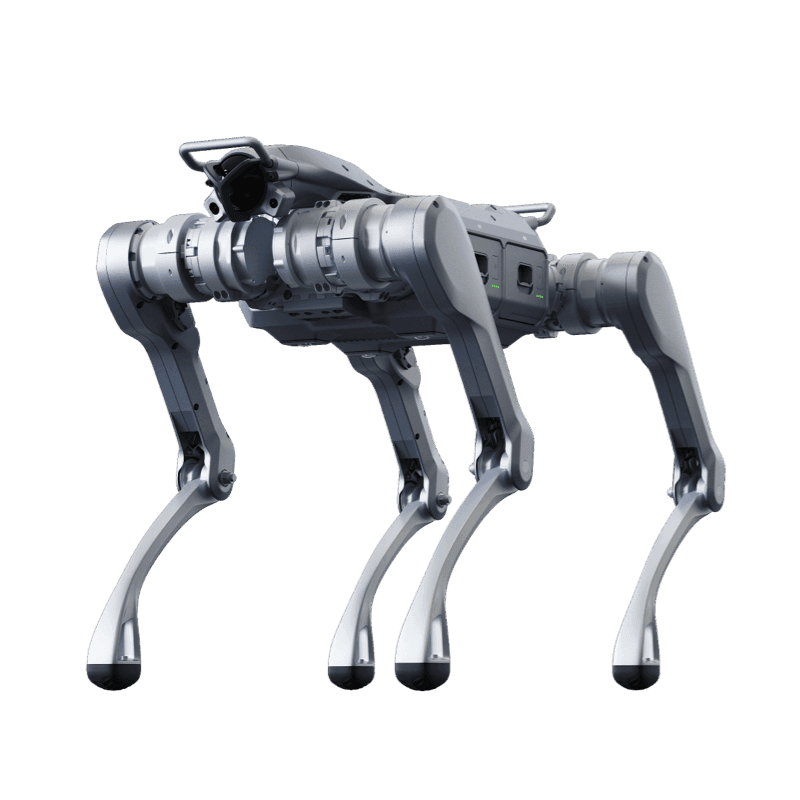
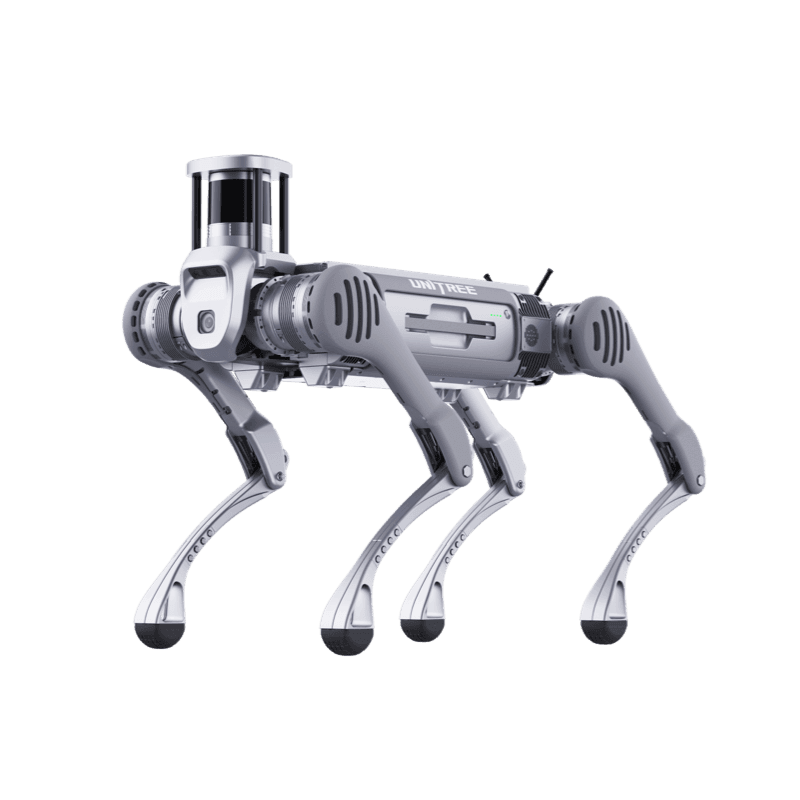
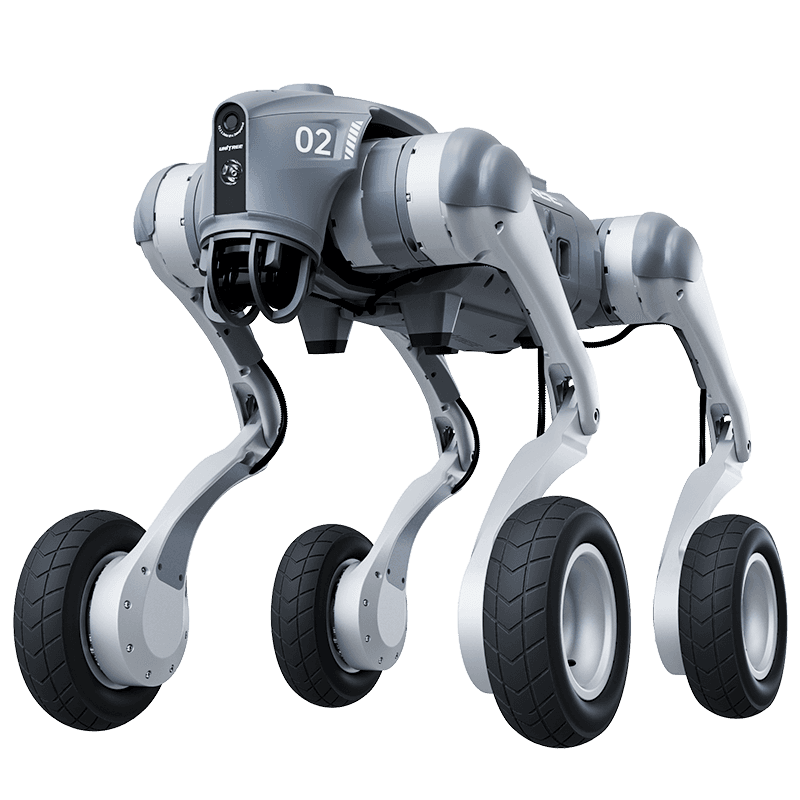
For organizations with a D1 MaxPro requirement we assess sourcing, timing and the quadruped alternatives deliverable today (Unitree B2, B2-W and Go2) transparently.
Tap the cover to play; sound and loading start only on click.
AgiBot D1 MaxPro product video
Use Cases
The use cases the manufacturer defines for the AgiBot D1 MaxPro.
01Heavy-load operation
02Logistics and transport
03And emergency rescue
Key Advantages
A Productivity Platform for Industry: Launch Video
Three headings: ultra-heavy payload, exceptional mobility, versatile and stable.
The two-minute launch video shows the robot with a backpack load on a rocky slope, under water, in snow, on open-riser industrial stairs and on a construction site.
Note: the product's appearance and colour may be slightly adjusted in future; the actual product prevails.
Superior Payload
It supports sustained payloads of up to 50 kg and is built for heavy-duty mounting, heavy-load transport and material handling.
To power equipment on the payload, 12 V, 24 V and 48 V outputs deliver up to 720 W in total; three Gigabit Ethernet ports, two USB 3.0, one Fast Ethernet and a serial port stay open for secondary development and deep industrial integration.
Endurance Assurance
A 2081 Wh high-capacity battery with an excellent power conversion ratio: 5.5 hours and 21 ± 1 km unloaded, over 2 hours and 11 ± 1 km fully loaded.
The battery swaps quickly and supports direct plug-in charging; charging takes about 4.5 hours (10% to 90%).
An autonomous charging station is optional.
Footnote: depending on test method and environment, actual runtime is 5.5 ± 0.5 hours.
Exceptional Mobility Performance
High agility and strong adaptability across diverse terrains: it climbs continuous stairs up to 30 cm and open-riser industrial stairs, and handles 45° slopes.
A proven mechanism rights the robot after a fall.
Continuous walking speed is 0-1.2 m/s; 3 m/s peak was measured in the laboratory and the product is software-limited to 2 m/s for safety.
Joints deliver 300 Nm peak torque (software-limited to 180 Nm).
Robust Environmental Adaptability
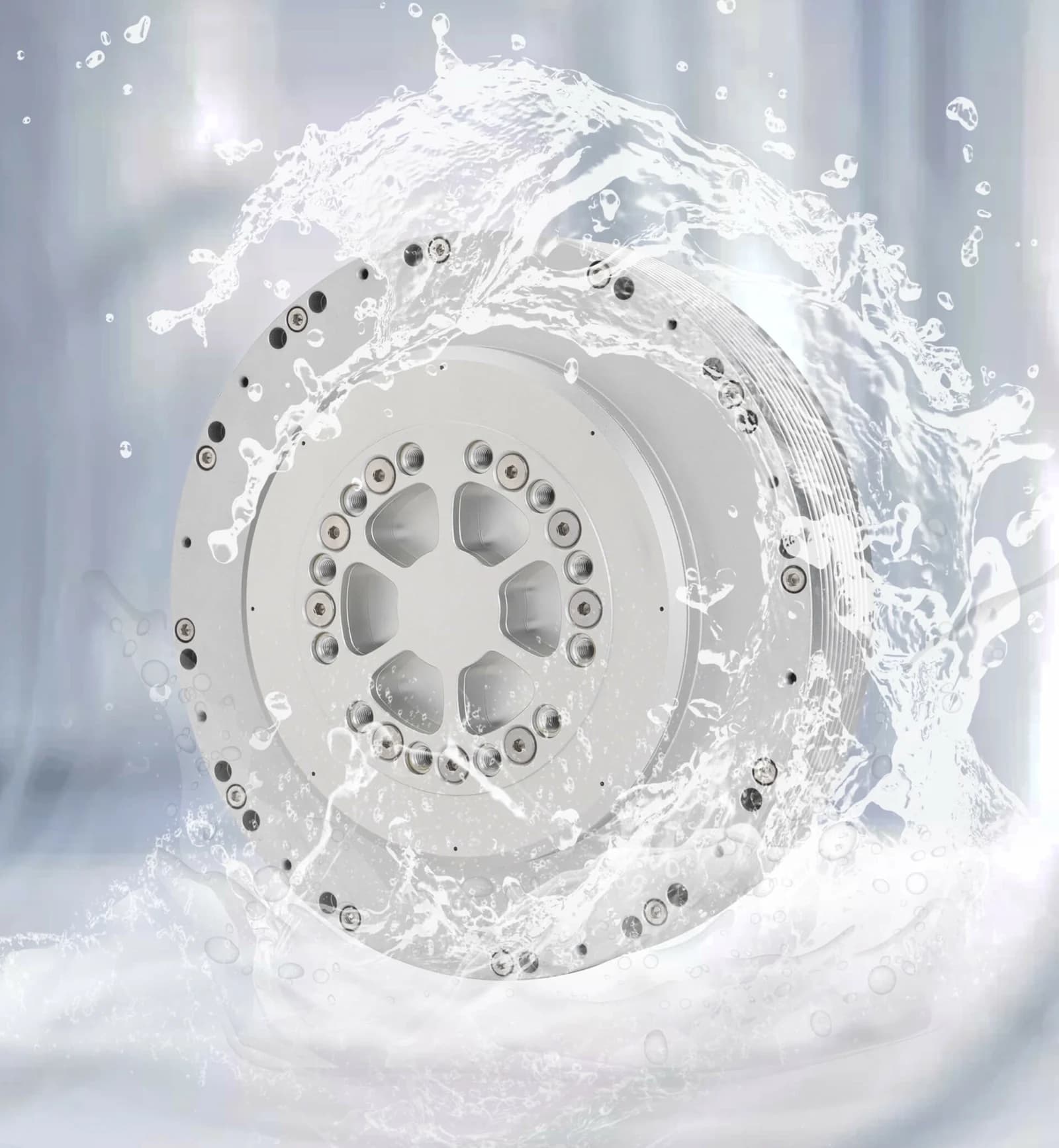
With IP67 industrial-grade protection it operates reliably from -20°C to 55°C and in water up to 20 cm deep, targeting stable performance under extreme temperatures, rain, wind and other harsh conditions.
The body is aluminium alloy and high-strength engineering plastic; 68 kg including battery.
Applications: Heavy Load, Logistics, Emergency Rescue
Three application areas.
Heavy-load operation: moving equipment and material on construction sites and in plants.
Logistics and transport: warehouse and in-plant delivery.
Emergency rescue: carrying equipment and scouting at fire and disaster scenes. A front 96-channel LiDAR (120 m diameter, 1.5 cm accuracy), front and rear 2 MP wide-angle cameras and real-time video transmission cover the sensing side of these tasks, while the 117 TOPS computing module provides on-board processing.
The AgiBot D1 MaxPro up close
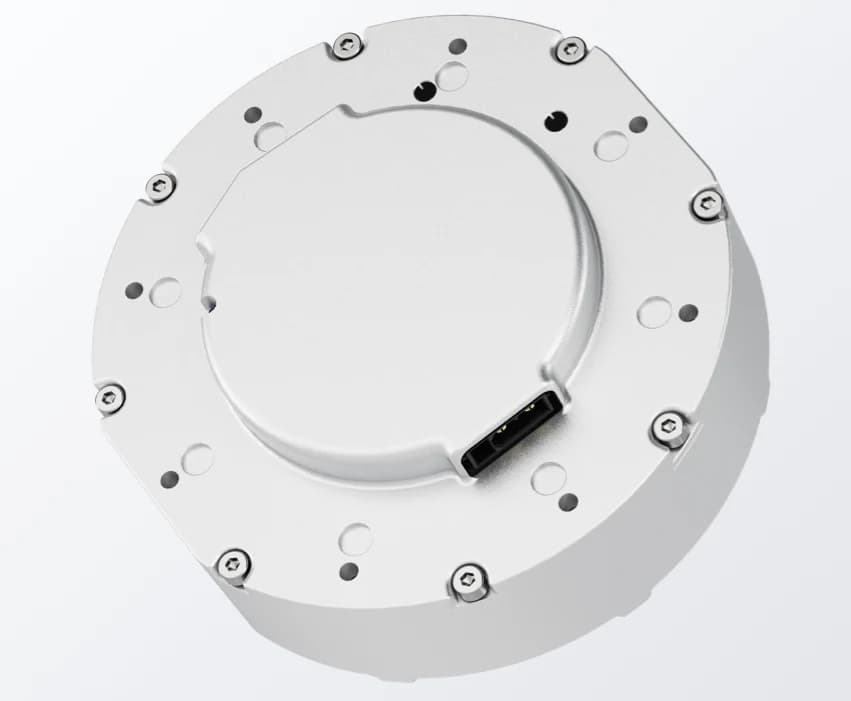
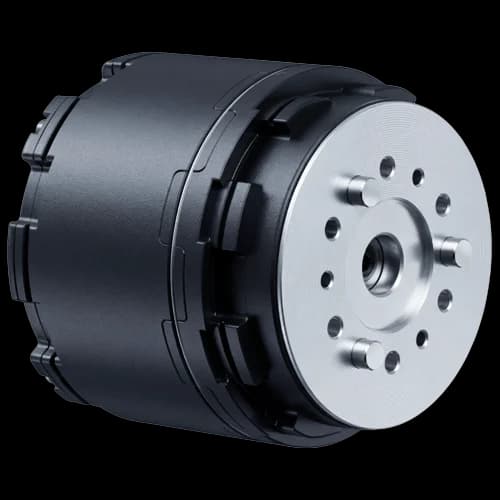
3 images; tap to enlarge.
Technical Specifications
37 values in 7 categories; data published by the manufacturer.
Size and weight
Dimensions (standing)
1270 × 520 × 730 mm (L × W × H), standing
Dimensions (folded)
1360 × 570 × 300 mm, prone
Weight
68 kg (including battery)
Motion and performance
Payload
50 kg rated payload, sustained
Maximum speed
0-1.2 m/s continuous walking; 3 m/s peak in laboratory testing, software-limited to 2 m/s on the product for safety
Climb angle
45°
Obstacle and step
30 cm continuous stairs; open-riser industrial stairs
Joint torque
300 Nm peak joint torque, software-limited to 180 Nm
Joint range of motion
Body -45°~45°, thigh -200°~20°, calf 30°~160°
Power and runtime
Battery capacity
2081 Wh
Battery
Rated capacity 45 ± 1 Ah (2081 Wh); charging about 4.5 hours (10% to 90%); quick battery swap and direct plug-in charging; autonomous charging station optional
Runtime
5.5 hours unloaded; 2 hours or more under a 50 kg load (actual runtime 5.5 ± 0.5 hours)
Range
21 ± 1 km unloaded; 11 ± 1 km fully loaded
Charging time
About 4.5 h (battery level 10%-90%)
Charger
Power adapter standard, battery charging adapter standard, autonomous charging dock optional
Operating power
Maximum power output 720 W
Operating voltage
Battery voltage 48 V ± 2 V; power outputs 12 V, 24 V, 48 V
General structure
Mobility form
Quadruped; 12 degrees of freedom (3 per leg)
Degrees of freedom
12 (entire machine), 3 per leg
Torque density
Joint peak torque 300 Nm, software-limited to 180 Nm
Materials
Aluminium alloy and high-strength engineering plastic; IP67, rated for 20 cm water depth; 68 kg
Screen remote control with manual emergency stop mode and up to 500 m range; power adapter and battery charging adapter standard, autonomous charging dock optional. The charging interface supports direct battery plug-in charging.
Aluminium alloy and high-strength engineering plastic; 68 kg including battery
Protection
IP67; -20°C to 55°C operating temperature; 20 cm water depth
Accessories
Adapter and battery charging connector standard; remote controller with display (emergency stop, 500 m) standard; autonomous charging station optional
Size and weight
Dimensions (standing)
1270 × 520 × 730 mm (L × W × H), standing
Dimensions (folded)
1360 × 570 × 300 mm, prone
Weight
68 kg (including battery)
Motion and performance
Payload
50 kg rated payload, sustained
Maximum speed
0-1.2 m/s continuous walking; 3 m/s peak in laboratory testing, software-limited to 2 m/s on the product for safety
Climb angle
45°
Obstacle and step
30 cm continuous stairs; open-riser industrial stairs
Joint torque
300 Nm peak joint torque, software-limited to 180 Nm
Joint range of motion
Body -45°~45°, thigh -200°~20°, calf 30°~160°
Power and runtime
Battery capacity
2081 Wh
Battery
Rated capacity 45 ± 1 Ah (2081 Wh); charging about 4.5 hours (10% to 90%); quick battery swap and direct plug-in charging; autonomous charging station optional
Runtime
5.5 hours unloaded; 2 hours or more under a 50 kg load (actual runtime 5.5 ± 0.5 hours)
Range
21 ± 1 km unloaded; 11 ± 1 km fully loaded
Charging time
About 4.5 h (battery level 10%-90%)
Charger
Power adapter standard, battery charging adapter standard, autonomous charging dock optional
Operating power
Maximum power output 720 W
Operating voltage
Battery voltage 48 V ± 2 V; power outputs 12 V, 24 V, 48 V
Sensors and connectivity
Sensors
One front 96-channel LiDAR (360° × 90° coverage, detection up to 120 m in diameter, 1.5 cm accuracy); one industrial-grade 2 MP wide-angle camera front and rear (DFOV 150°, HFOV 130°, VFOV 73°, 30 fps); 1 × automotive-grade IMU
Interfaces
3 × Gigabit Ethernet, 2 × USB 3.0, 1 × Fast Ethernet (100 Mbps), serial port; power outputs 12 V / 24 V / 48 V, up to 720 W
Connectivity
Wi-Fi 6.0, Bluetooth 5.2, optional 4G module; real-time video transmission; remote controller with integrated display, manual emergency stop, 500 m range
Wireless
Wi-Fi 6.0, Bluetooth 5.2; optional 4G module
Software and development
Processor
117 TOPS GPU + ARM CPU computing module
Software features
SDK supports TCP and ROS protocols with packages for X86 and ARM; standard movements: standing, prone, damping, force unloading, stair climbing, obstacle crossing; self-righting after falls
Environmental resilience
Ingress protection
IP67; operates in water up to 20 cm deep
Operating temperature
-20°C to 55°C
Sources and documents
Verified on the manufacturer page on 18 September 2026.
Technical Analysis of the Industrial QuadrupedDesign decisions, comparison table and evaluation
What 50 kg of Payload Changes
A 68 kg body carrying a 50 kg rated payload puts the payload-to-weight ratio at 0.74; on compact research quadrupeds it is usually below 0.5. What makes it possible is 300 Nm of peak joint torque, software-limited to 180 Nm for safety. Up to 720 W of 12/24/48 V power and three Gigabit Ethernet ports for equipment on the payload turn the robot into a sensor and equipment platform rather than a mere carrier.
Battery and Range Arithmetic
2081 Wh at 45 Ah implies a pack of roughly 46 V nominal. 21 km in 5.5 hours unloaded is an average of 3.8 km/h (about 1.05 m/s), consistent with the 0-1.2 m/s continuous walking band. Under 50 kg the runtime drops to just over 2 hours and the range to 11 km: full load roughly doubles consumption. With charging at 4.5 hours, an uninterrupted shift plan has to rely on battery swaps or the optional autonomous charging station.
Sensing and Compute Package
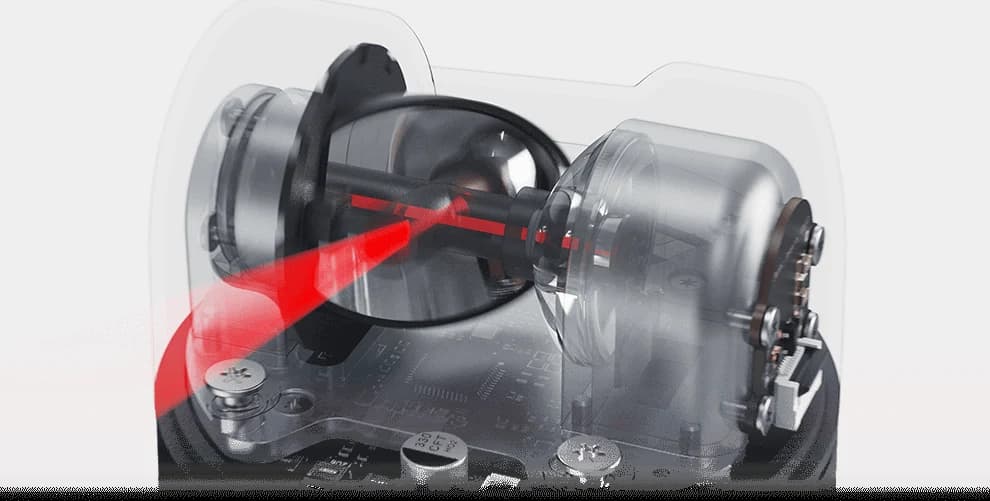
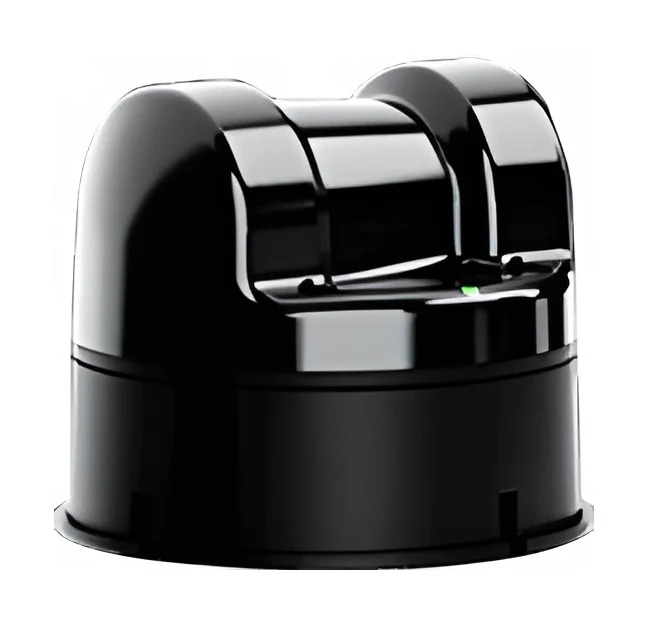
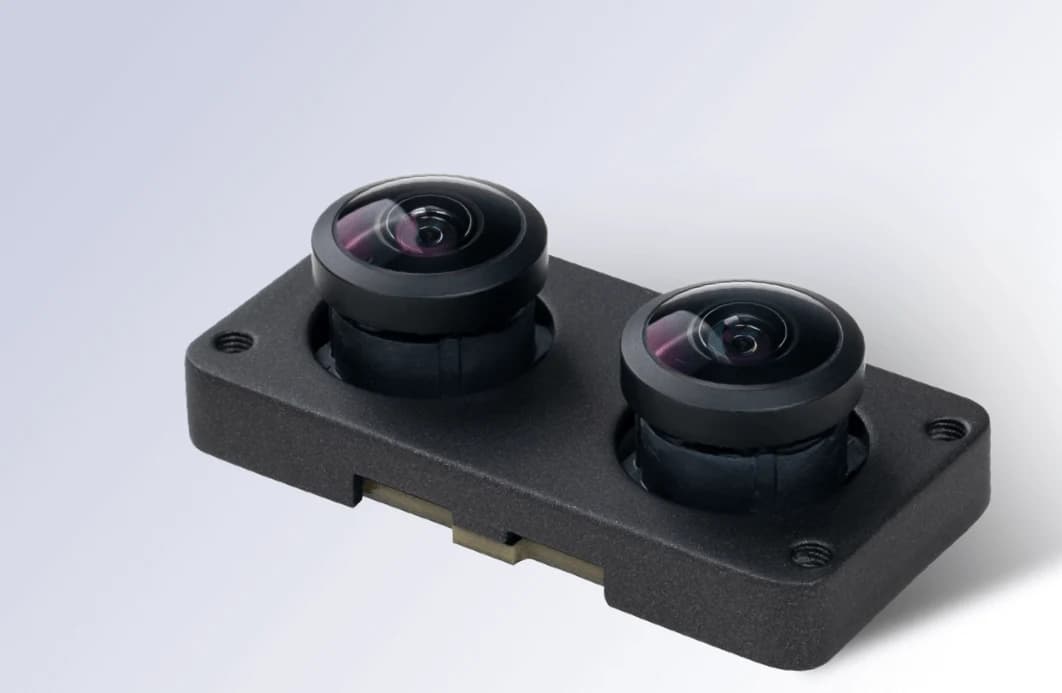
The front 96-channel LiDAR provides 360° × 90° coverage and detection up to 120 m in diameter; 1.5 cm accuracy is sufficient for mapping and obstacle crossing. Front and rear 2 MP cameras with a 150° diagonal field of view feed remote driving and real-time video transmission. The 117 TOPS GPU handles on-board perception workloads; the SDK's TCP and ROS support with X86/ARM packages eases integration into existing robotics stacks.
D1 MaxPro Versus the Unitree Models Deliverable Today
Feature
AgiBot D1 MaxPro
Unitree B2
Unitree Go2
Standing size
1270 × 520 × 730 mm
1098 × 450 × 645 mm
700 × 310 × 400 mm
Weight
68 kg
60 kg
15 kg
Payload
50 kg rated (sustained)
120 kg (standing)
10-12 kg
Speed
2 m/s (product-limited), 3 m/s lab
Over 6 m/s
2.5-5 m/s
Stairs
30 cm
40 cm
15-16 cm
Runtime
5.5 h unloaded
Over 5 h unloaded
1-2 h (standard battery)
Status in Turkey
Sourcing enquiry
Orderable
Orderable
Engineering Assessment
The D1 MaxPro is positioned for heavy loads and harsh environments: 50 kg sustained payload, IP67, -20°C to 55°C and 30 cm stairs make it meaningful for in-plant transport and disaster-scene work. In return, speed is software-limited to 2 m/s and charging takes 4.5 hours; for fast patrols and long uninterrupted missions the Unitree B2's over 6 m/s and 120 kg standing payload offer a wider envelope, and the B2 can be ordered in Turkey today. All values are laboratory test data; actual performance may vary with the environment and usage.
Purchasing support
Supply model
Supply to Turkey is planned per project; import, delivery and commissioning scope are itemised in the quote.
Pre-sales assessment
Site and mission focused technical feasibility; specification and administrative process support.
Robotic system costs are optimised according to the selected hardware platform, additional sensor and payload configurations, and the integration scenarios specific to your site. Share your requirements and our engineering team will prepare a feasibility report and a pro forma quotation tailored to your organisation.
Supply and delivery scheduling backed directly by the manufacturer
Site- and mission-focused technical feasibility and simulation
Turnkey hardware, software and mission integration
Advisory on corporate tenders, specifications and administrative processes
The most common questions about the AgiBot D1 MaxPro.
Can the AgiBot D1 MaxPro be bought in Turkey?
Sourcing, delivery schedule and investment for the D1 MaxPro are settled per project. If you have a corporate requirement you can talk to Robotlar.org: we assess the sourcing process, a realistic timeline and the alternatives deliverable today.
What are the D1 MaxPro's specifications?
1270 × 520 × 730 mm standing, 68 kg including battery, 12 degrees of freedom (3 per leg), 50 kg rated payload, 0-1.2 m/s continuous walking (limited to 2 m/s on the product), 30 cm stairs, 45° slopes, 300 Nm peak torque (software-limited to 180 Nm), 45 Ah / 2081 Wh battery, 5.5 hours and 21 km unloaded, IP67, -20°C to 55°C, a 96-channel LiDAR, two 2 MP wide-angle cameras, an IMU and a 117 TOPS computing module.
How long and how far does the D1 MaxPro run?
5.5 hours and 21 ± 1 km unloaded; over 2 hours and 11 ± 1 km with a 50 kg load. Actual runtime is 5.5 ± 0.5 hours depending on test method and environment. Charging takes about 4.5 hours (10% to 90%); the battery swaps quickly and an autonomous charging station is optional.
What is the D1 MaxPro suited for?
Three use areas: heavy-load operation (moving equipment and material), logistics and transport (warehouse and in-plant delivery) and emergency rescue (fire and disaster scenes). IP67 protection, a -20°C to 55°C temperature range and 30 cm stair capability are designed for outdoor and industrial environments; secondary development is possible through the SDK.
How does the D1 MaxPro differ from the Unitree B2?
At 68 kg with a 50 kg sustained rated payload, the D1 MaxPro is positioned for heavy loads and harsh environments; its speed is limited to 2 m/s on the product. The Unitree B2 offers 120 kg standing payload, over 6 m/s and 40 cm stairs on a 60 kg body, and can be ordered in Turkey today with 4-6 week delivery, a 1-year official warranty, on-site commissioning and engineering support across Turkey.