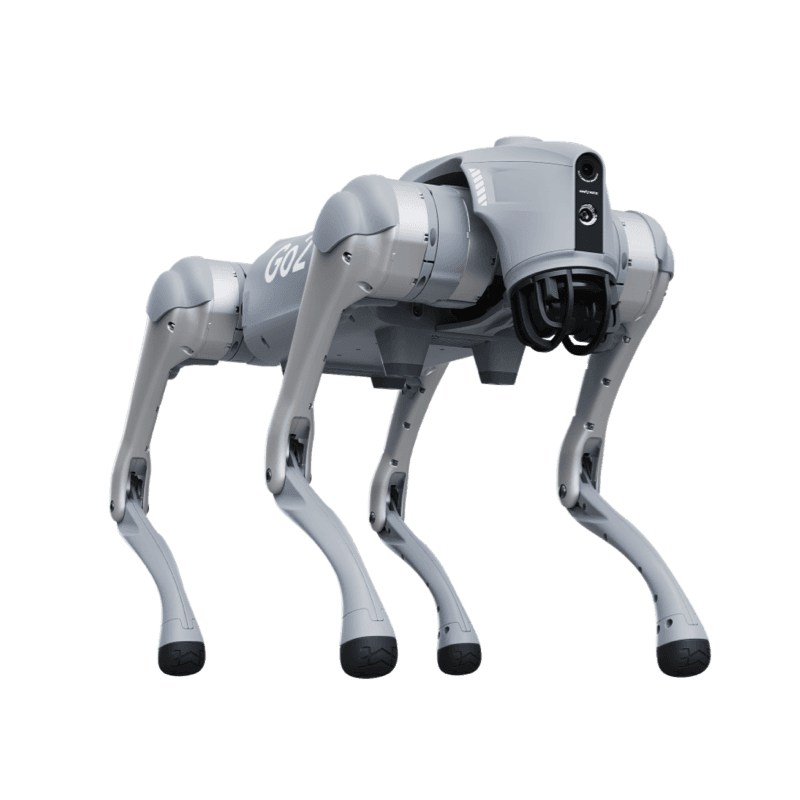
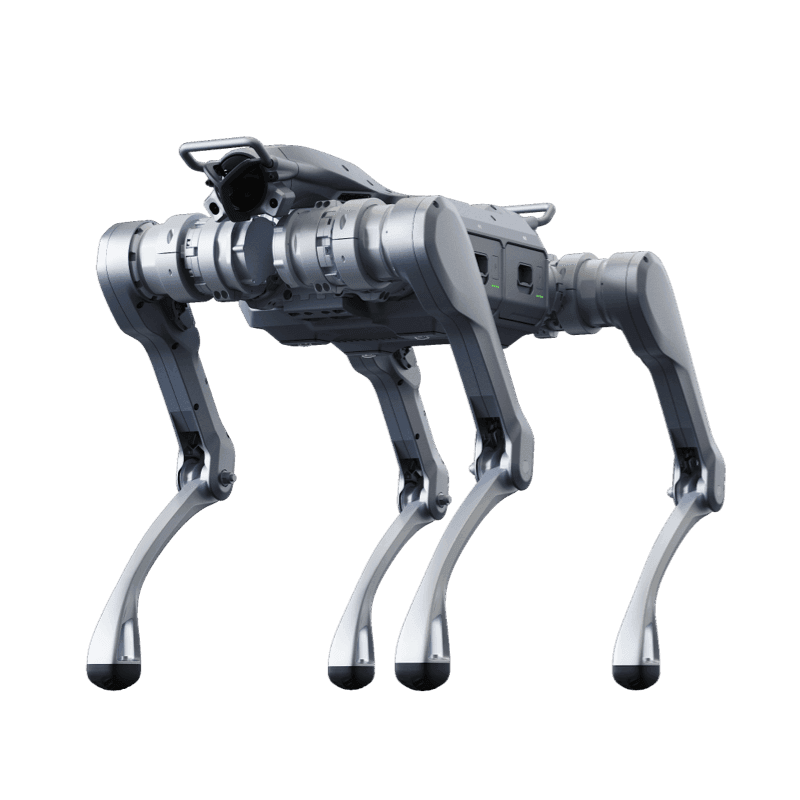
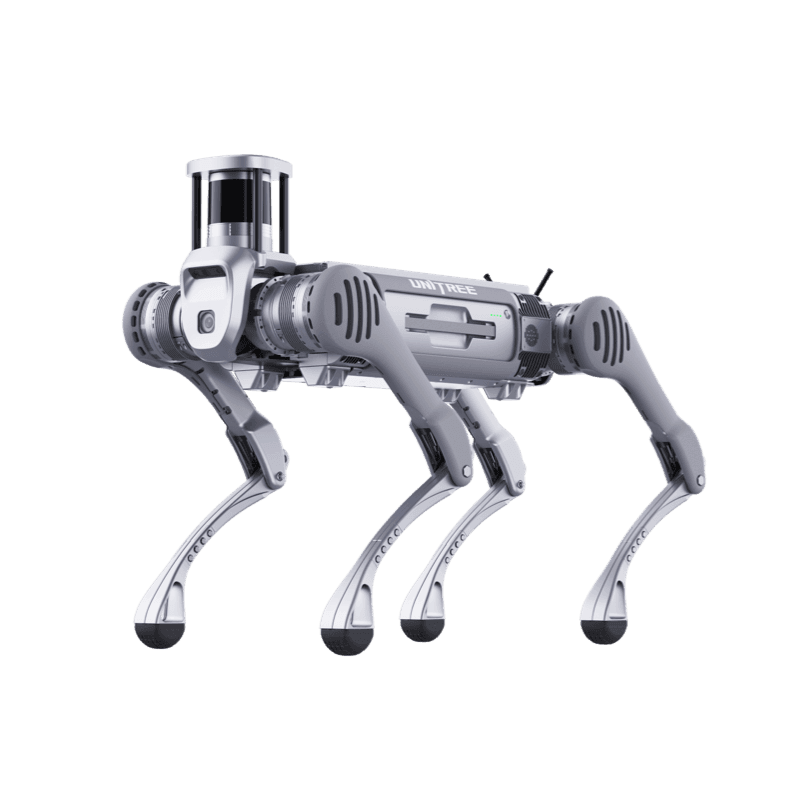
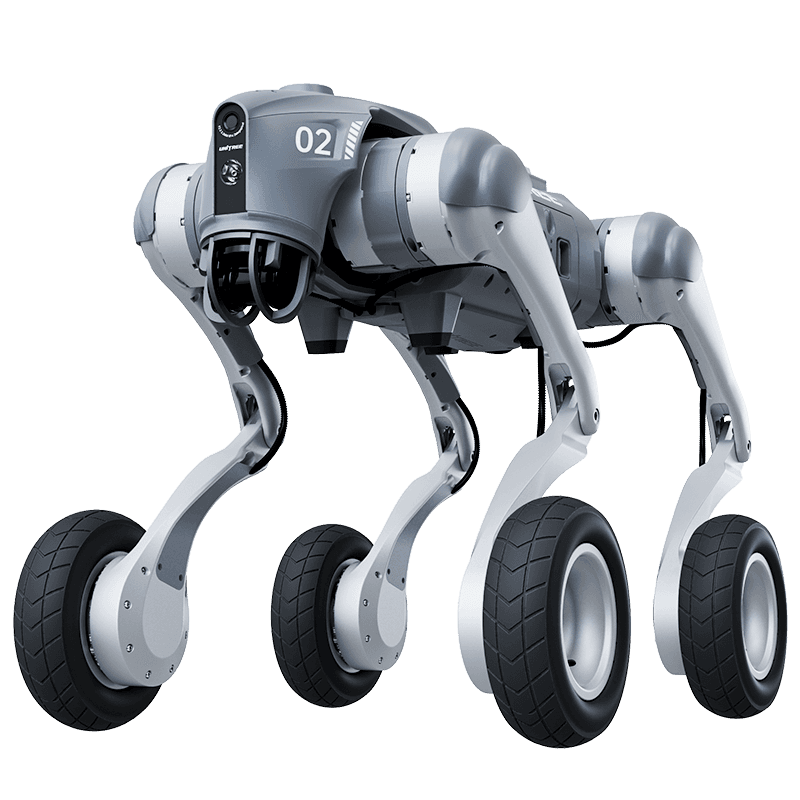
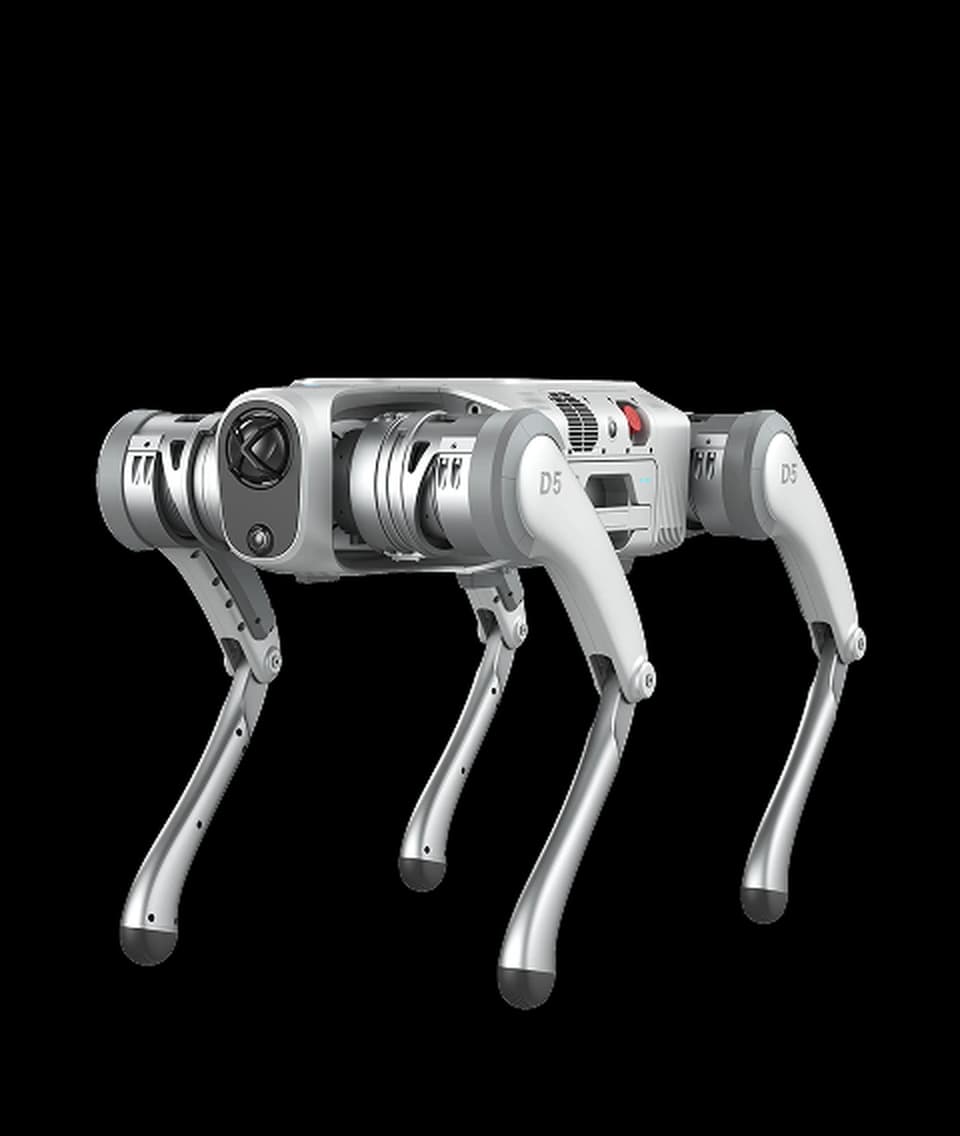
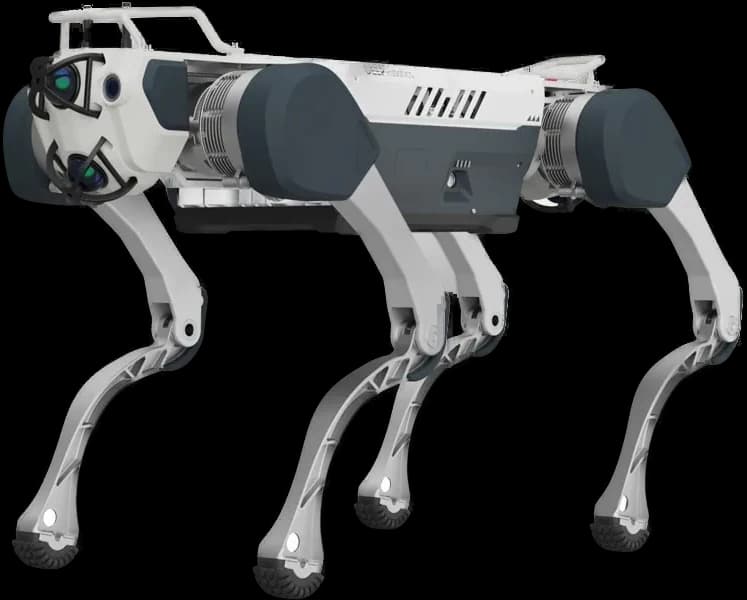
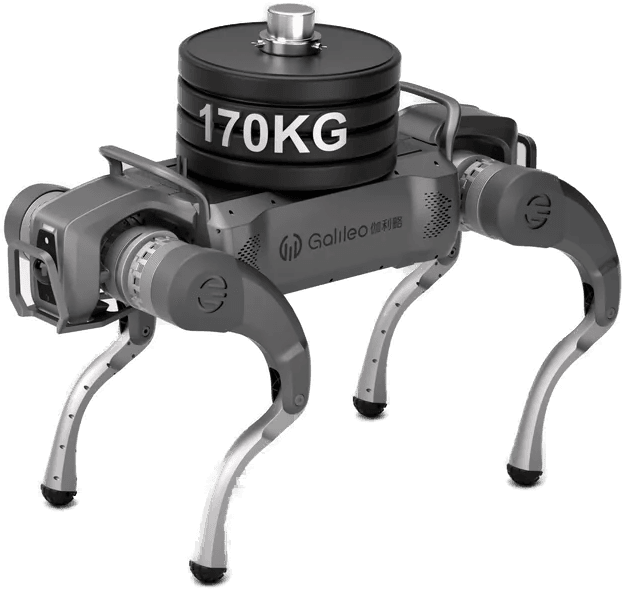
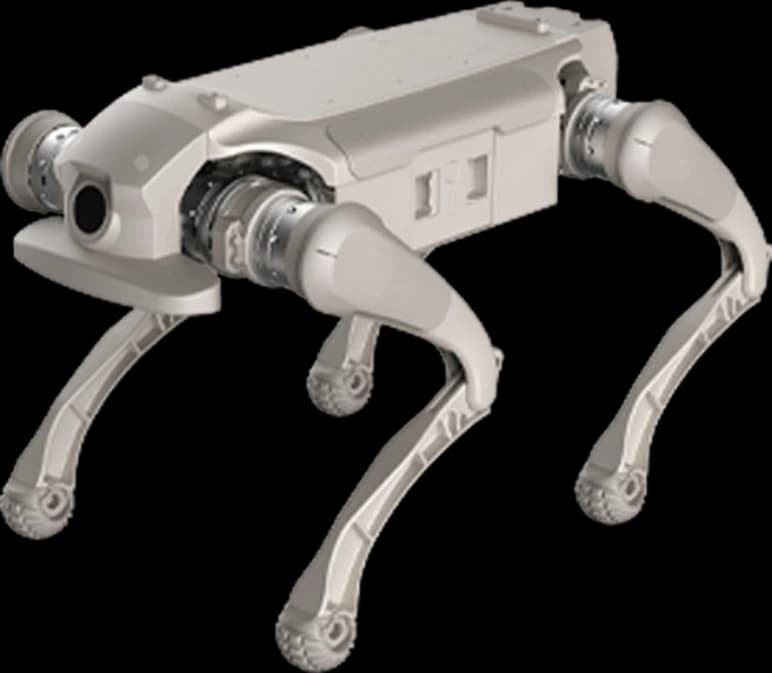
8 Degrees of Freedom (8-DoF)
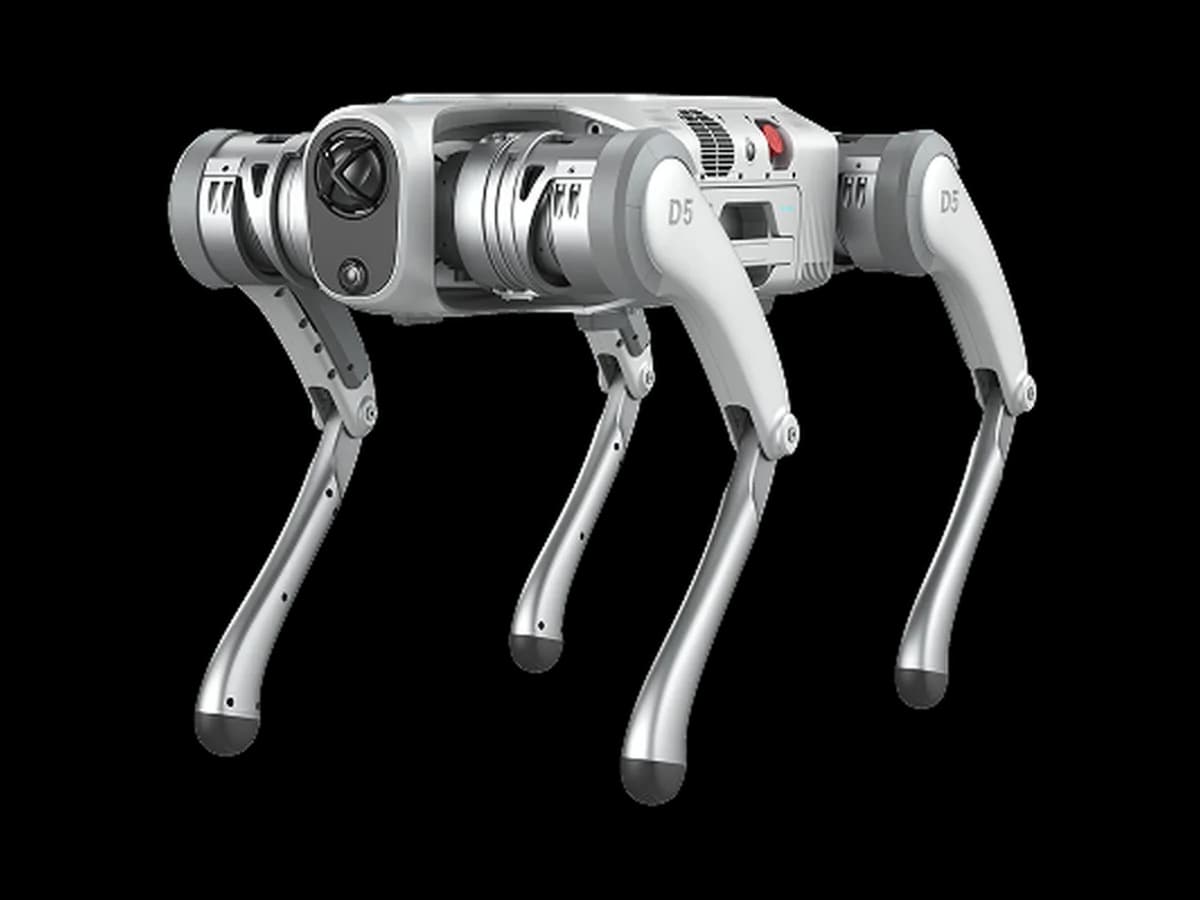
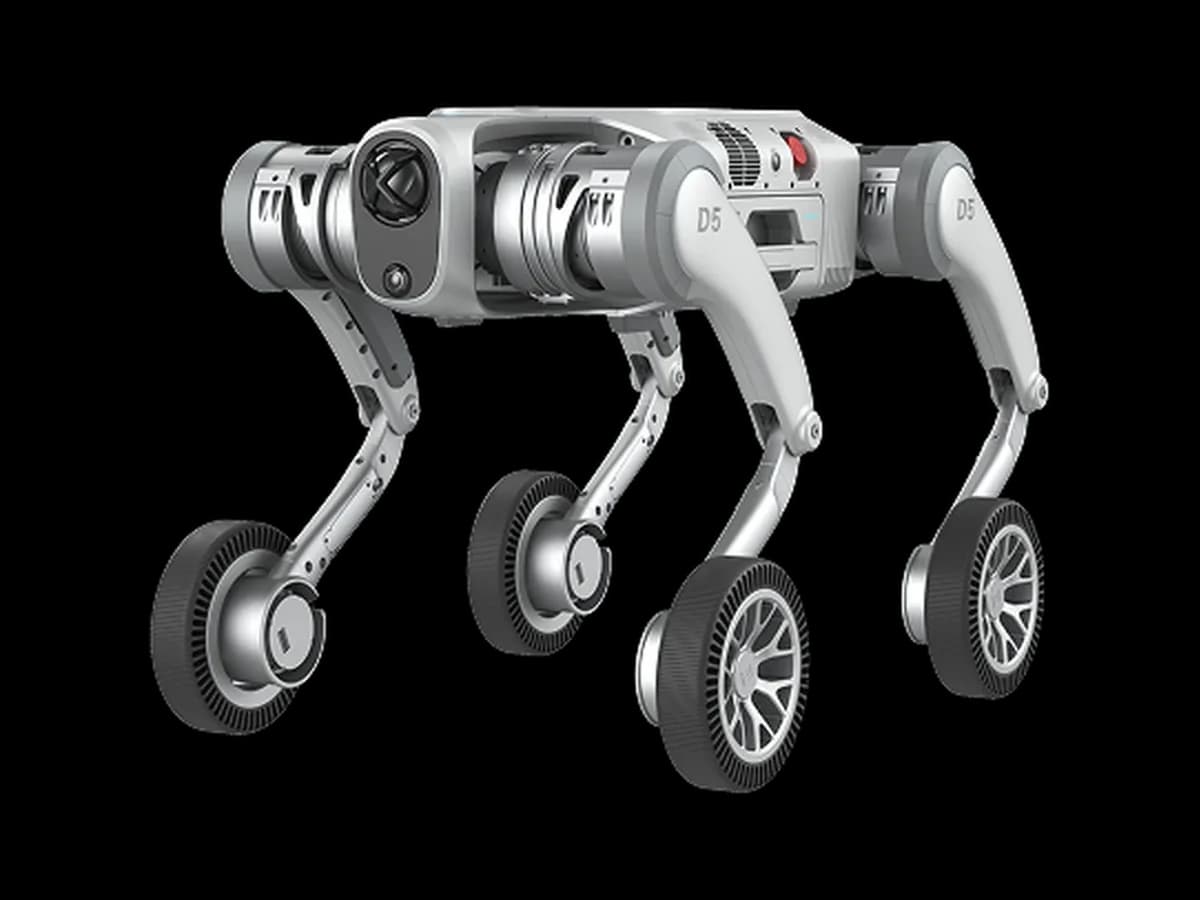
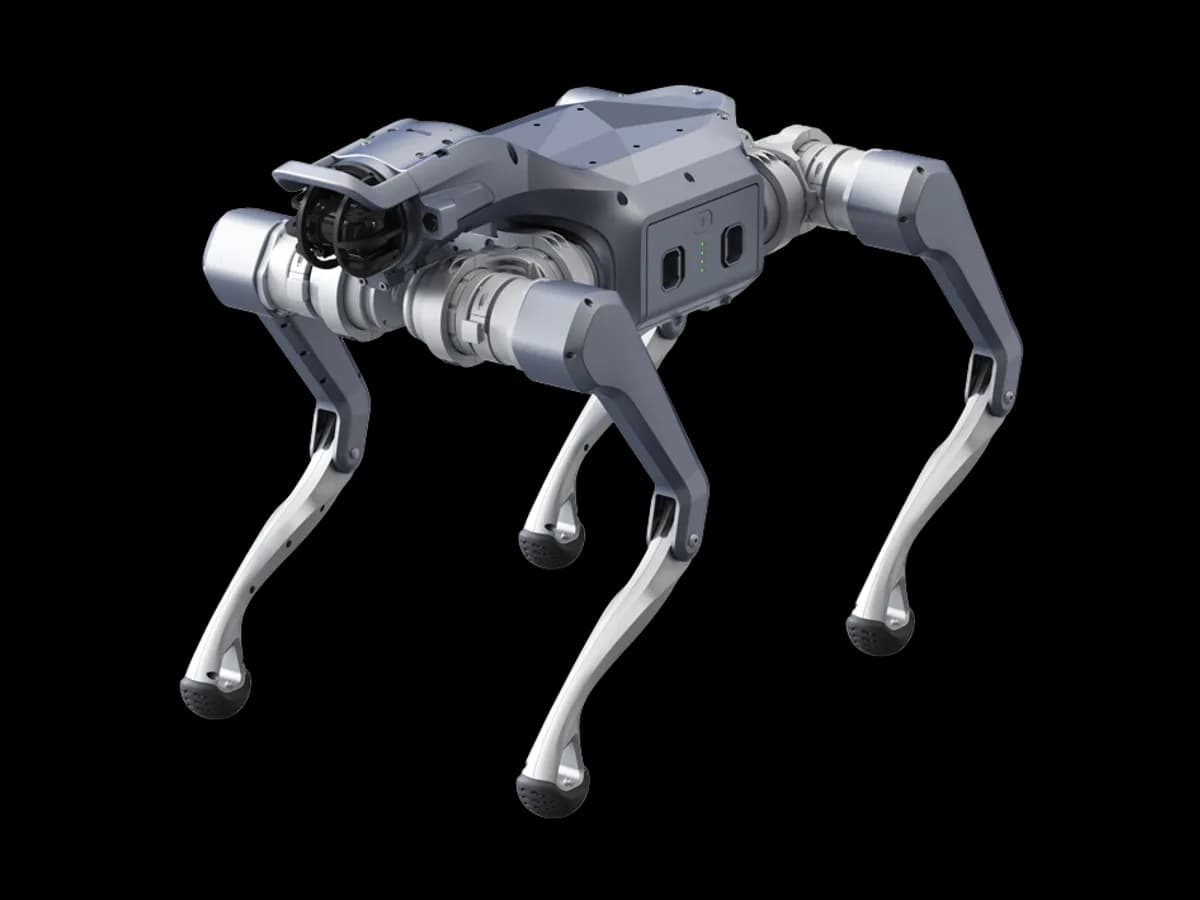
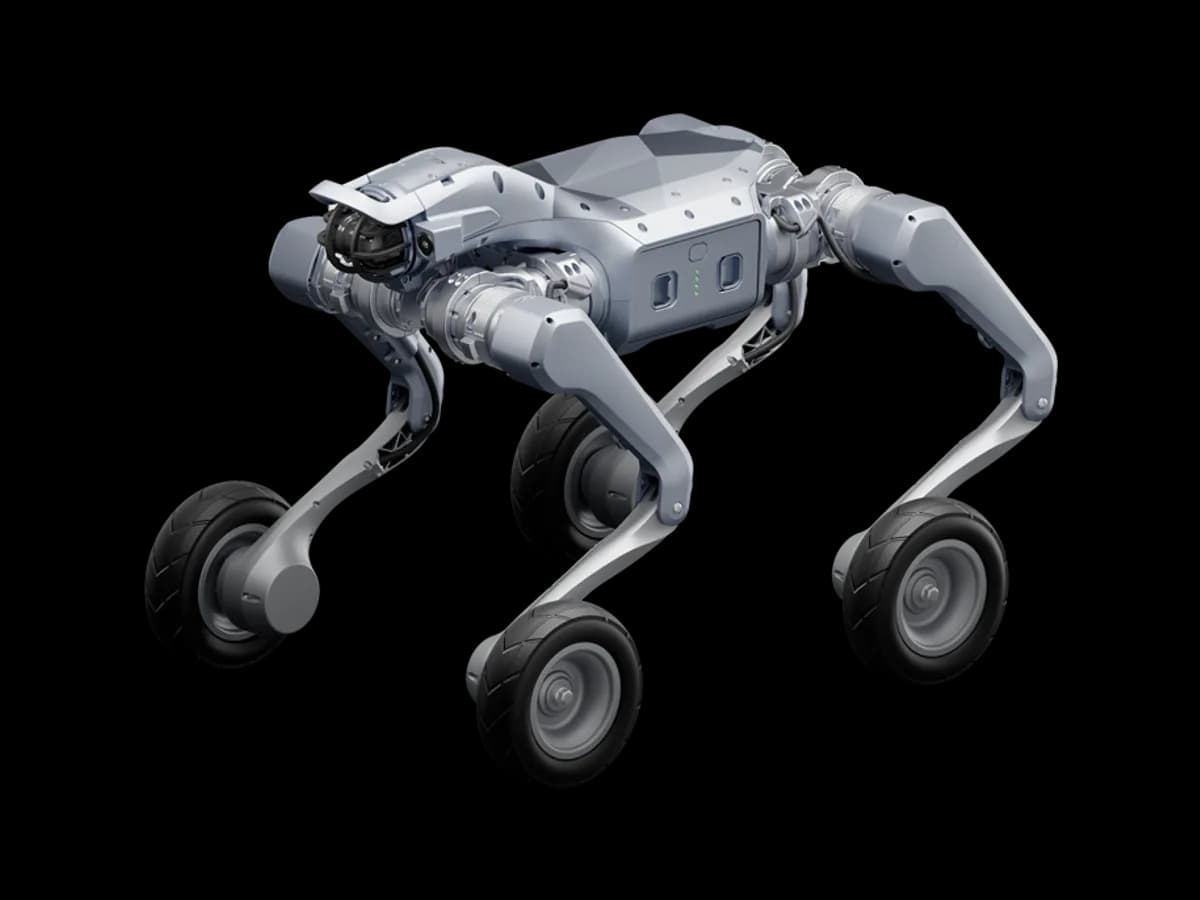
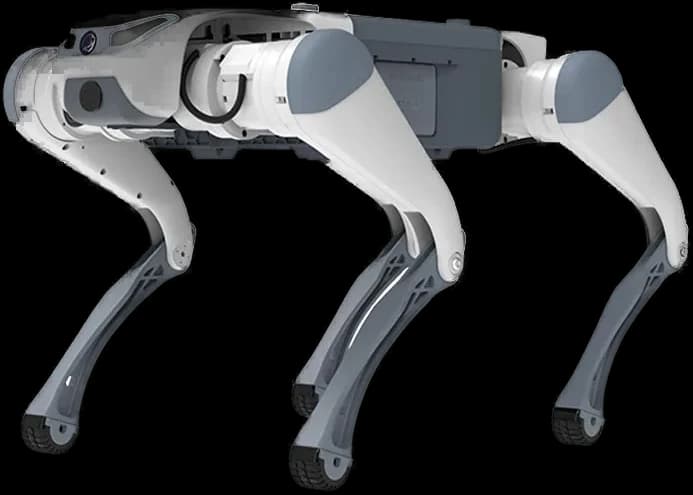
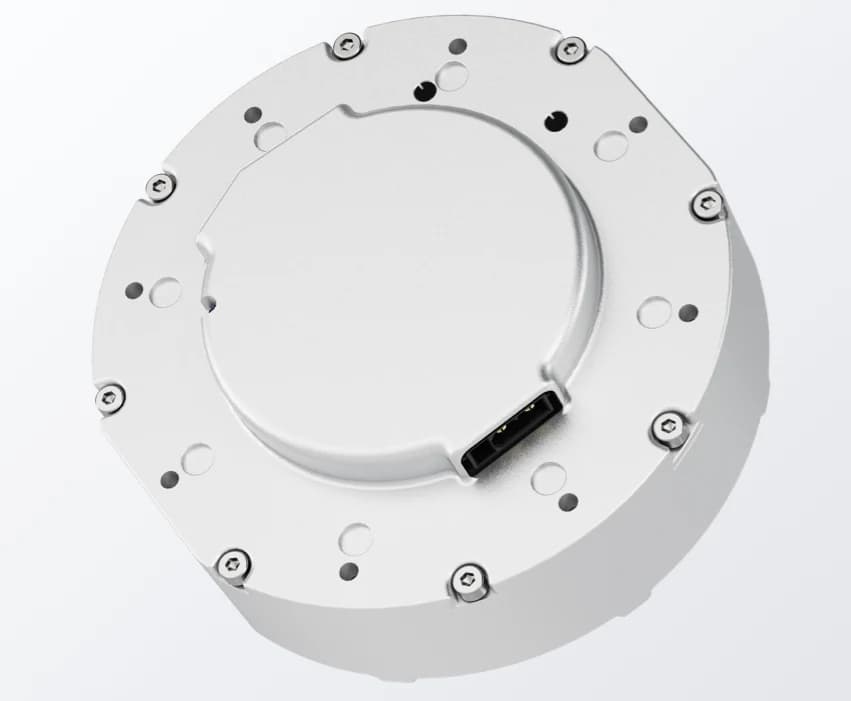
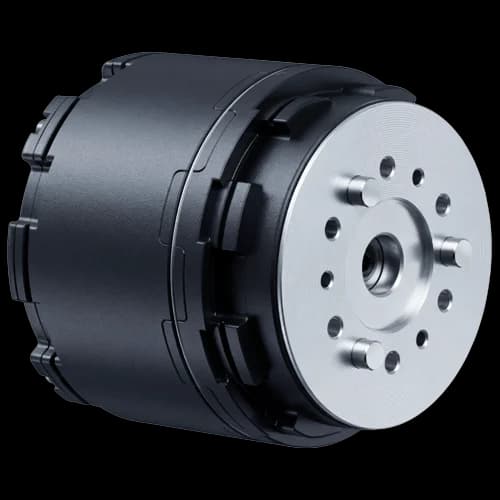
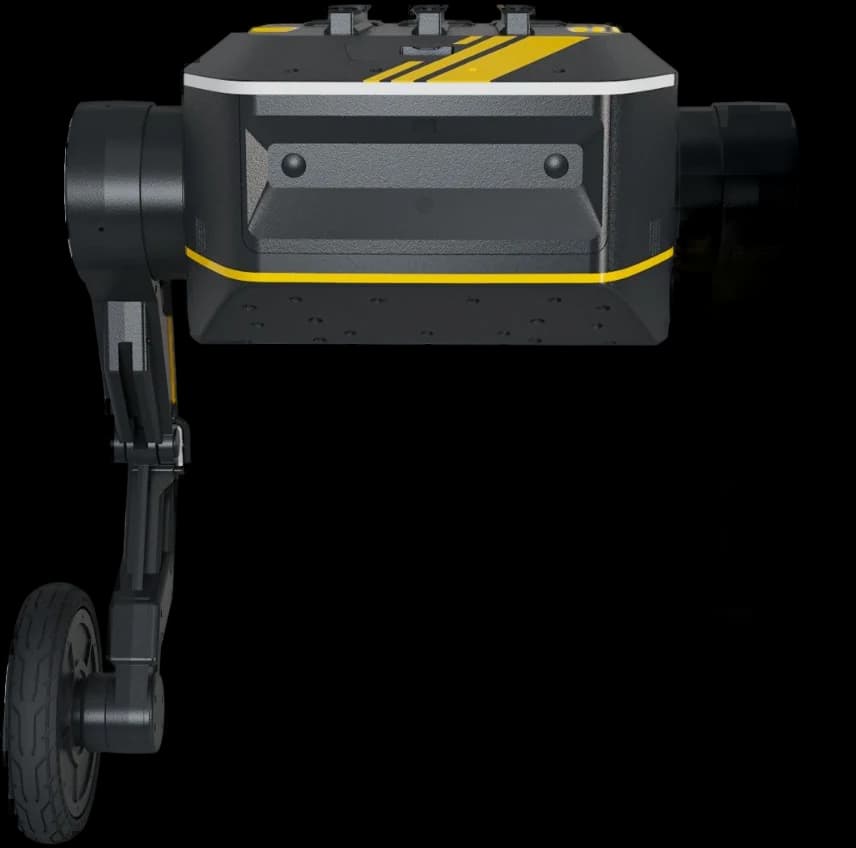
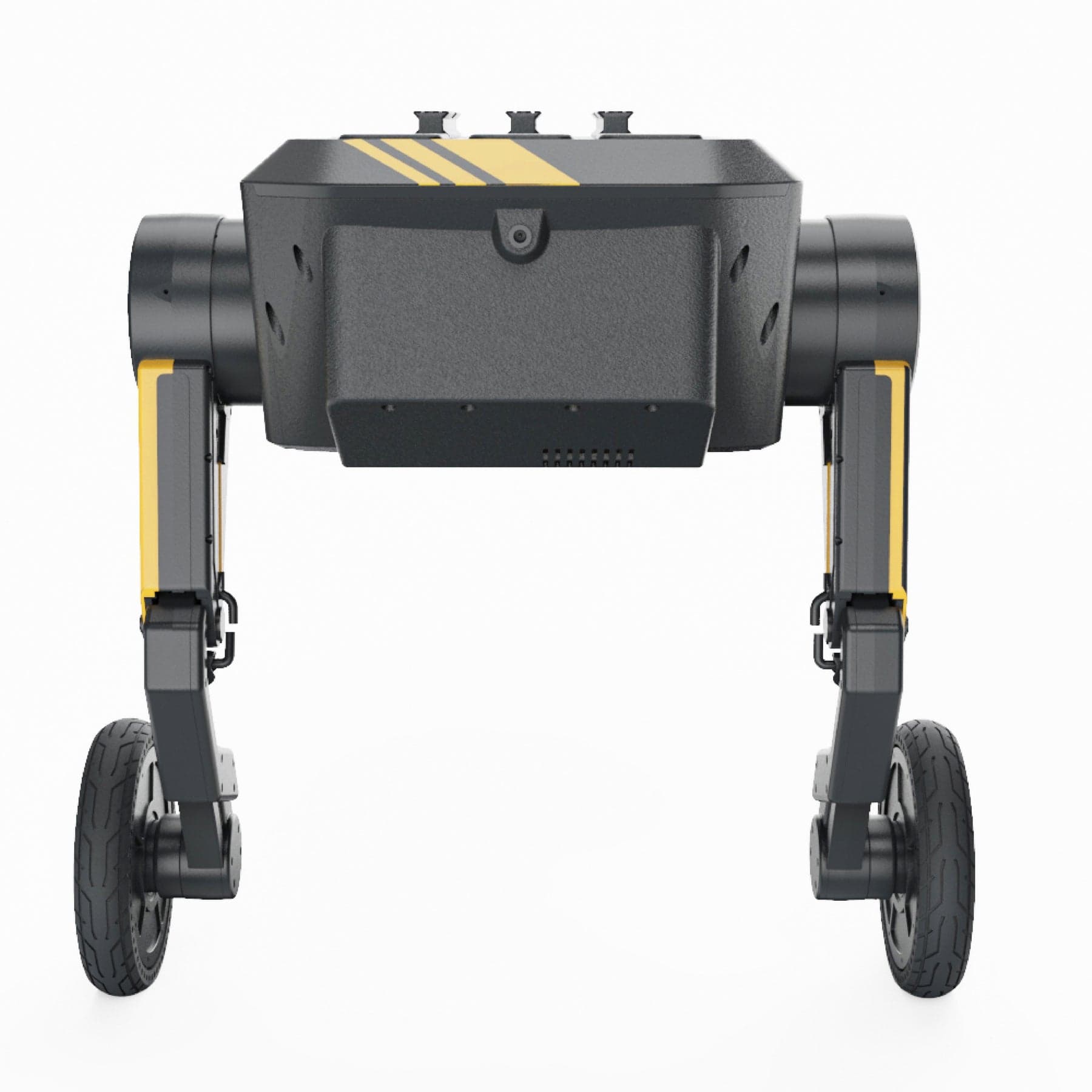
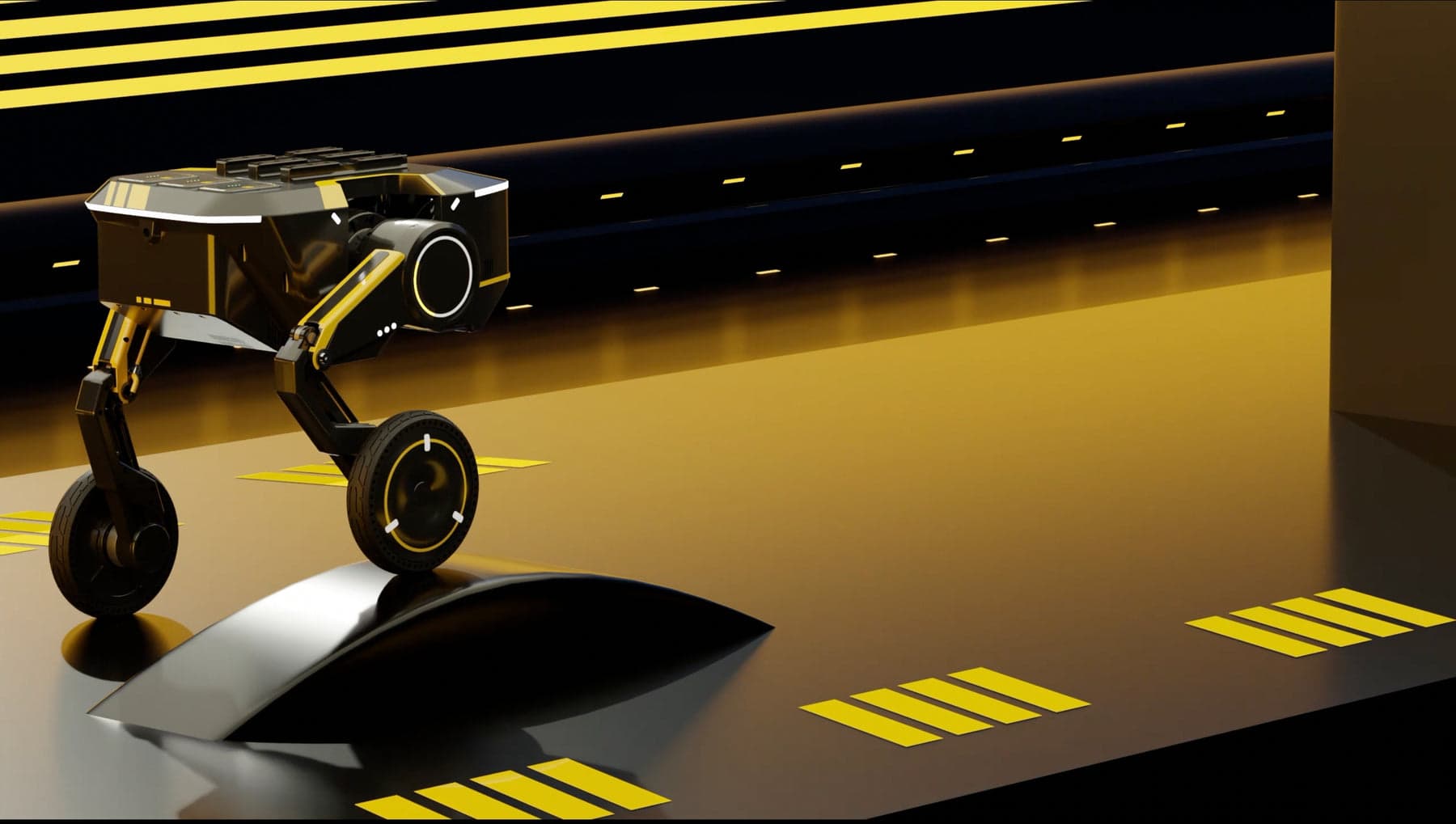
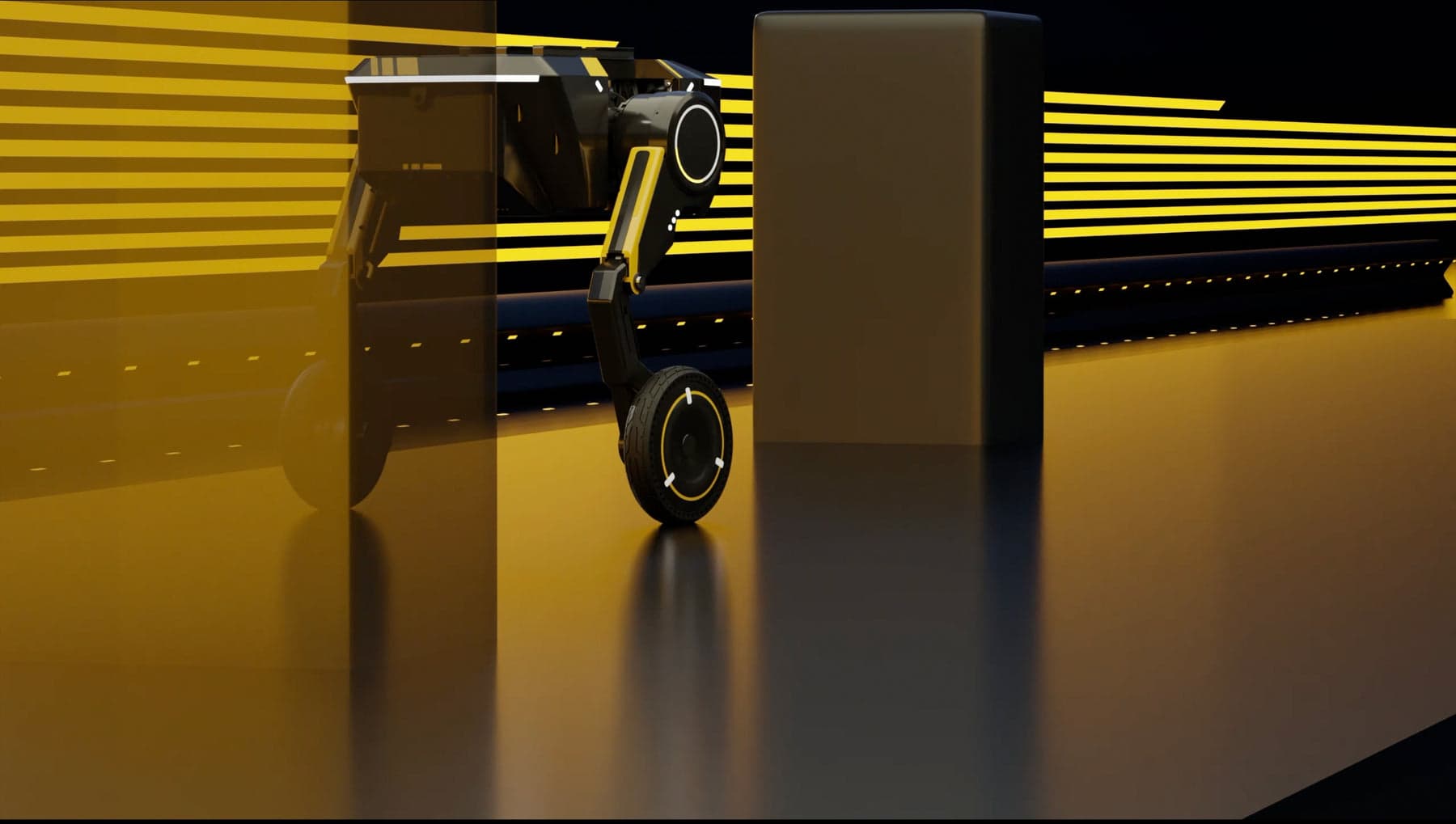
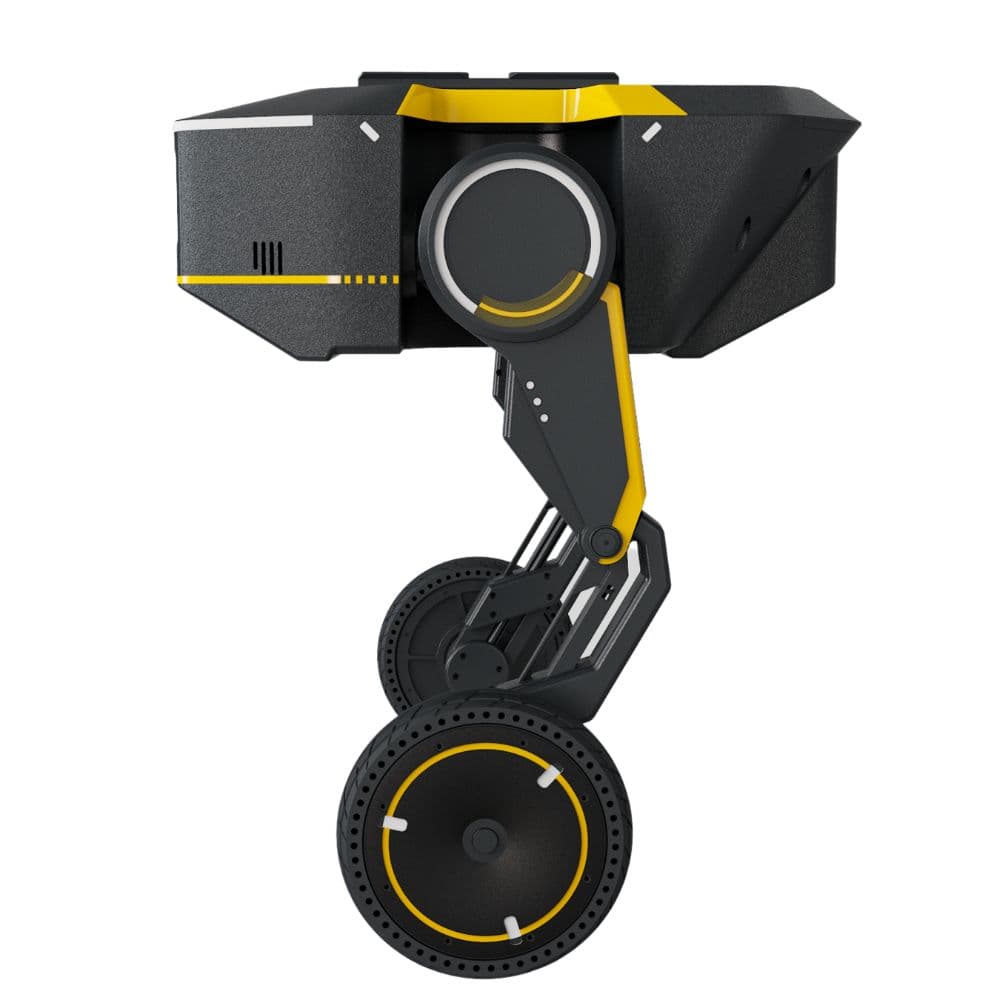
TITA has a total of 8 degrees of freedom across its two wheeled legs.
- This structure combines standing, creeping mode, ±30° slope climbing and 20 cm forward / 30 cm vertical jumps on a single platform.
Wheeled-Bipedal Robot Platform
The DirectDrive TITA is an 8-DoF wheeled bipedal robot platform.
With an NVIDIA Jetson Orin NX 16 GB processor, hot-swappable batteries, the TITA Bridge expansion interface and ROS 2 development support, it is built for inspection, mapping, security patrol, delivery experiments, filming and robotics education.
Enterprise supply · specification support · integration engineering
TITA is an 8-DoF wheeled bipedal robot platform developed by Direct Drive Technology. Weighing 24.1 kg (without battery), the platform measures 510 × 590 × 490 mm standing and 510 × 590 × 300 mm in creeping mode. An NVIDIA Jetson Orin NX 16 GB (100 TOPS) processor, a binocular camera structure, two IMUs, two SPAD sensors and one ultrasonic sensor provide perception, obstacle avoidance and positioning.
The standard 3 m/s speed can be raised to 5 m/s via API unlock; it climbs ±30° slopes and jumps 20 cm forward and 30 cm vertically. It carries a 10 kg moving payload. Hot-swappable dual batteries deliver about 2 hours of runtime. The TITA Bridge universal interface accepts official add-ons such as TITA Tower, a high-capacity battery, 18-inch wheels and a robot arm base. With an open-source Linux kernel, full-link API and ROS 2 support, it is suited to research and secondary development.
3 use casesTap the cover to play; sound and loading start only on click.
The editions the manufacturer offers; scope and differences are settled in the quote call.
The use cases the manufacturer defines for the DirectDrive TITA.
TITA has a total of 8 degrees of freedom across its two wheeled legs.
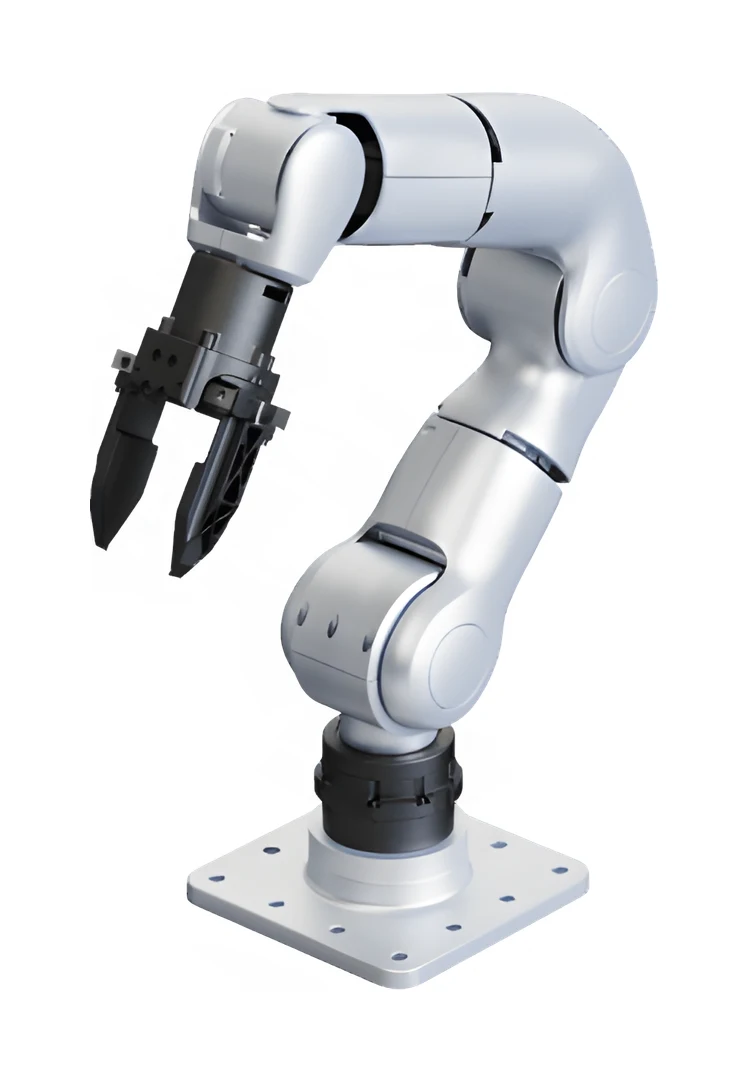
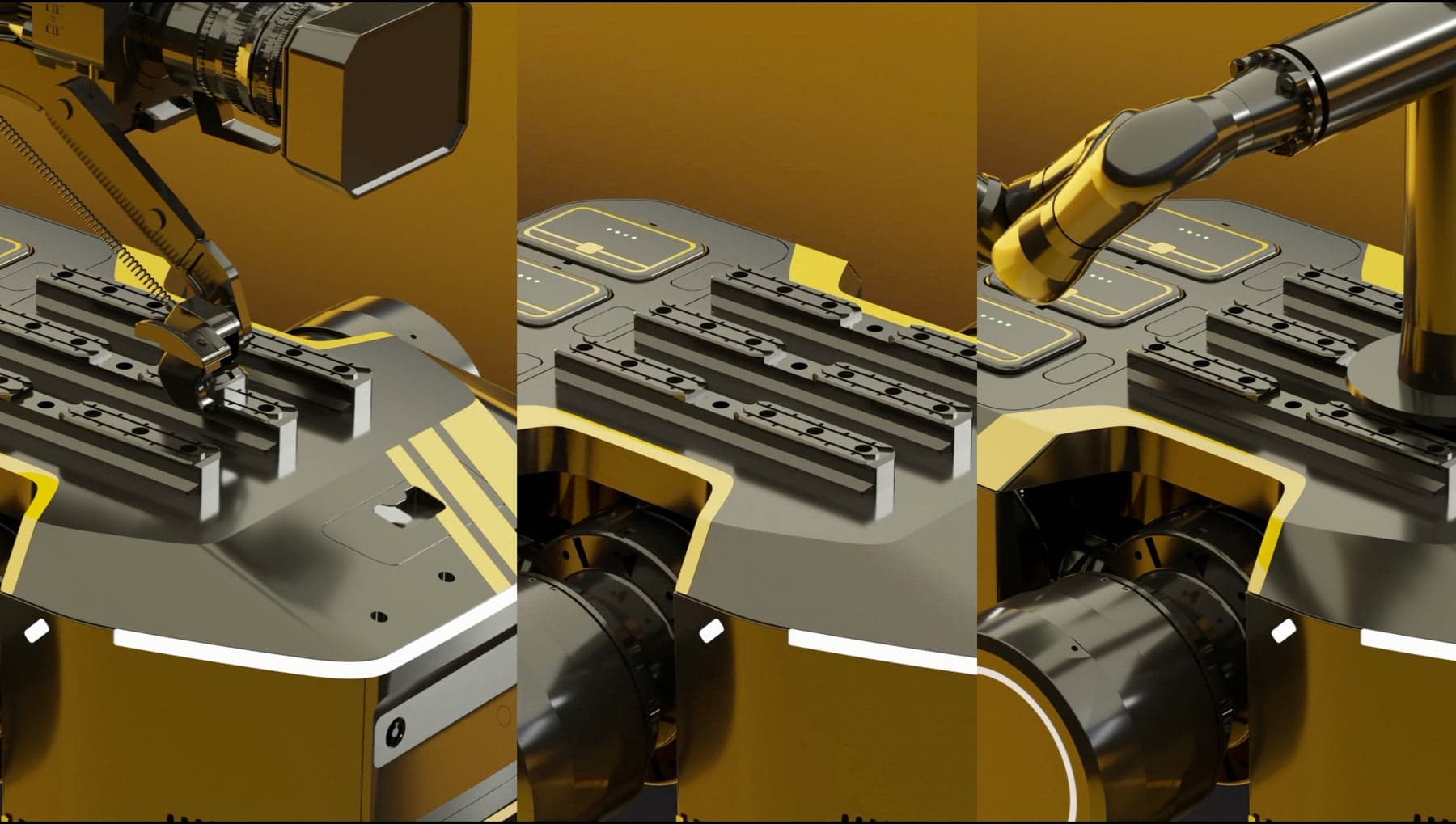
TITA Bridge is a universal attachment system that allows quick installation of external accessories on both the hardware and software side.
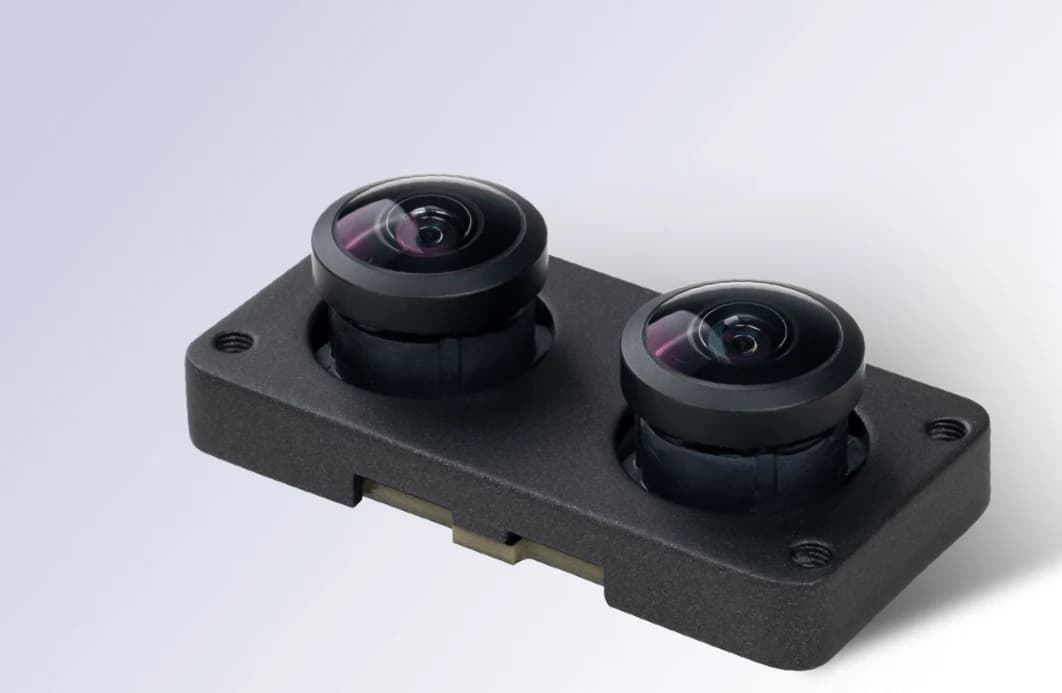
The binocular camera structure collects real-time 3D data of objects with millimetre-level accuracy.
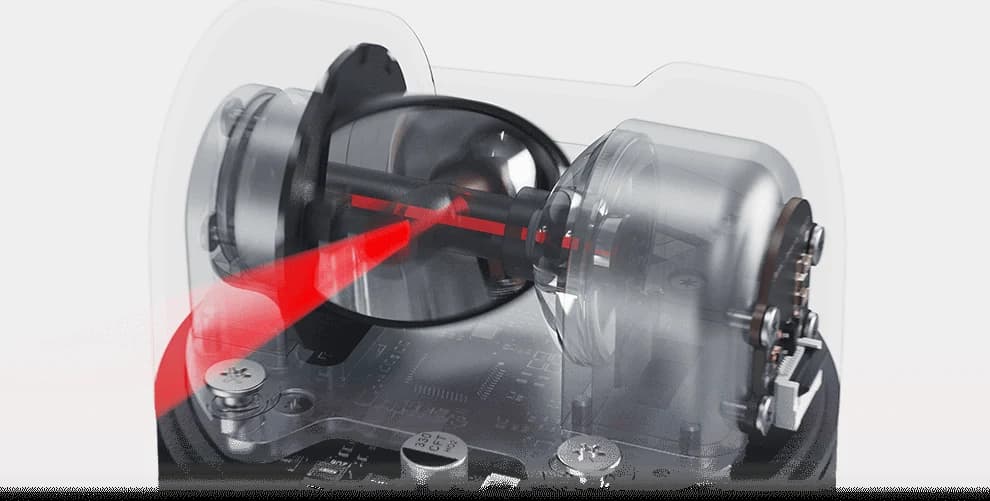
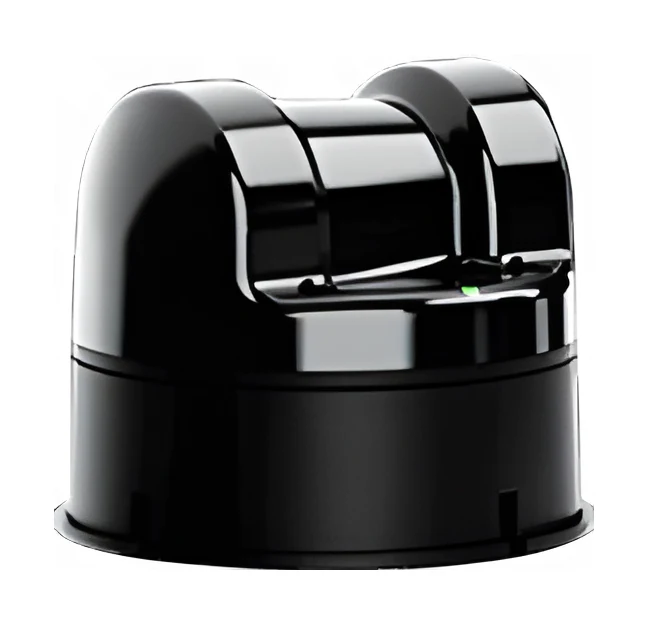
Multi-sensor fusion (camera, IMU, SPAD, ultrasonic) provides perception, obstacle avoidance and positioning capabilities.
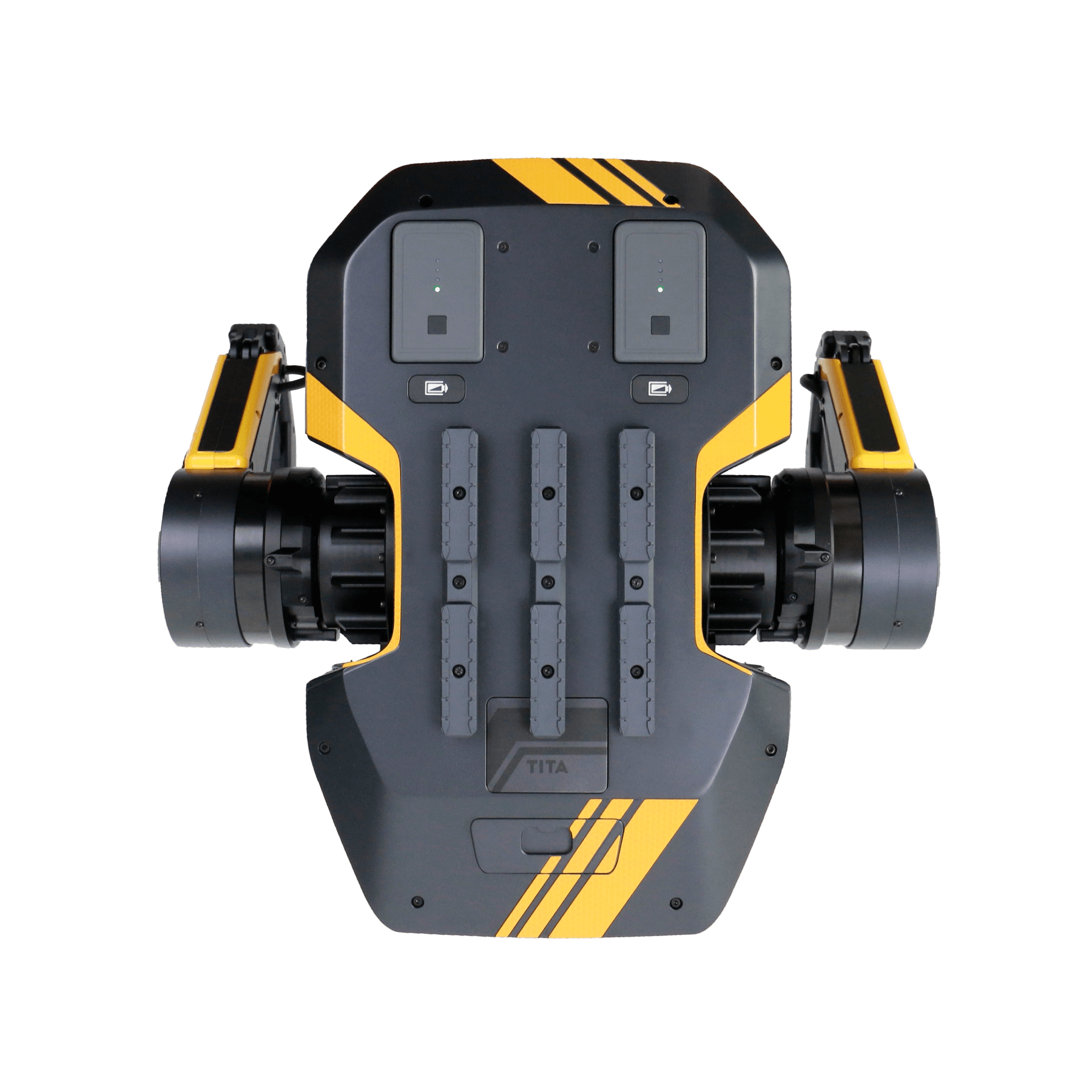
Each battery provides about 1 hour of runtime; about 2 hours in total with the dual-battery setup.
With an open-source Linux kernel, full-link API, motor interface and ROS 2 support, university labs and R&D teams can build navigation, perception and secondary development workflows directly on the platform.
5 images; tap to enlarge.
19 values in 6 categories; data published by the manufacturer.
Verified on the manufacturer page on 18 September 2026.
An itemised quote for the DirectDrive TITA is prepared by configuration, quantity and delivery scope.
Supply model
Supply to Turkey is planned per project; import, delivery and commissioning scope are itemised in the quote.
Pre-sales assessment
Site and mission focused technical feasibility; specification and administrative process support.
Demo and site visit request
Send a demo request; availability and scope are settled in the call.
After-sales support
Yes. TITA supports ROS 2 workflows and provides SDK/API access, an open-source Linux kernel and a motor interface for robotics research and secondary development.
Source documents
Technical values come from the manufacturer's documents; verified on 18 September 2026. 6 documents at the bottom of the page.
Robotic system costs are optimised according to the selected hardware platform, additional sensor and payload configurations, and the integration scenarios specific to your site. Share your requirements and our engineering team will prepare a feasibility report and a pro forma quotation tailored to your organisation.
Direct contact and advisory line: 0850 532 6 777
The most common questions about the DirectDrive TITA.
Yes. TITA supports ROS 2 workflows and provides SDK/API access, an open-source Linux kernel and a motor interface for robotics research and secondary development.
TITA carries a 10 kg moving payload. Mounting and balance should be confirmed with the manufacturer before adding custom equipment.
The standard maximum speed is 3 m/s. When the project environment and safety controls are suitable, API unlock supports up to 5 m/s.
TITA uses hot-swappable batteries. One battery provides about 1 hour of runtime, and the set supports about 2 hours depending on load and motion. Batteries can be swapped during operation.
Official expansion options connect through the TITA Bridge interface: TITA Tower (3D mapping), high-capacity battery, 18-inch big wheels and a power adapter module for a robot arm base. Contact us before ordering to confirm mounting and software fit.
Inspection and mapping in parks, mines and industrial sites; security patrol and data collection; short-distance delivery and reception; filming and mobile camera platform work; university research, teaching labs and secondary development.