
The Limit the Founder Drew Himself
Wang defines the arrival of the general-purpose robot with a countable threshold: taking a robot into an environment it has never seen and having it complete roughly 80% of spoken instructions. He calls this robotics' ChatGPT moment. His range for when it arrives: two to three years if things move quickly, at most five if they move slowly (5:14-5:43 in the video).
In the same conversation he also describes the present: AI model capability worldwide is still relatively weak, and if you look at the factories running these machines, the technology in use is mostly conventional automation, with little connection to AI models (5:45-5:53).
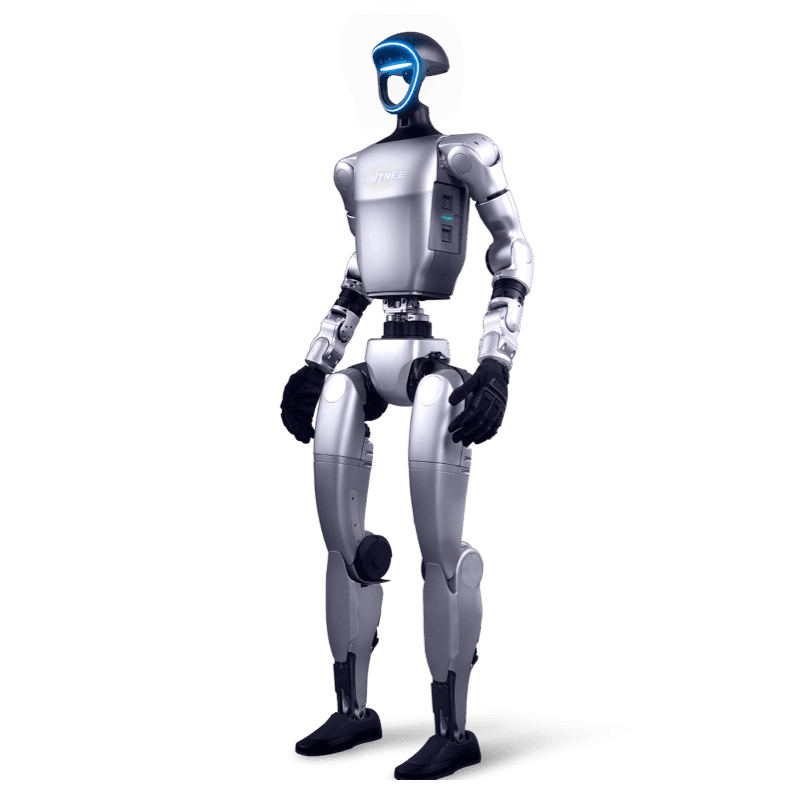
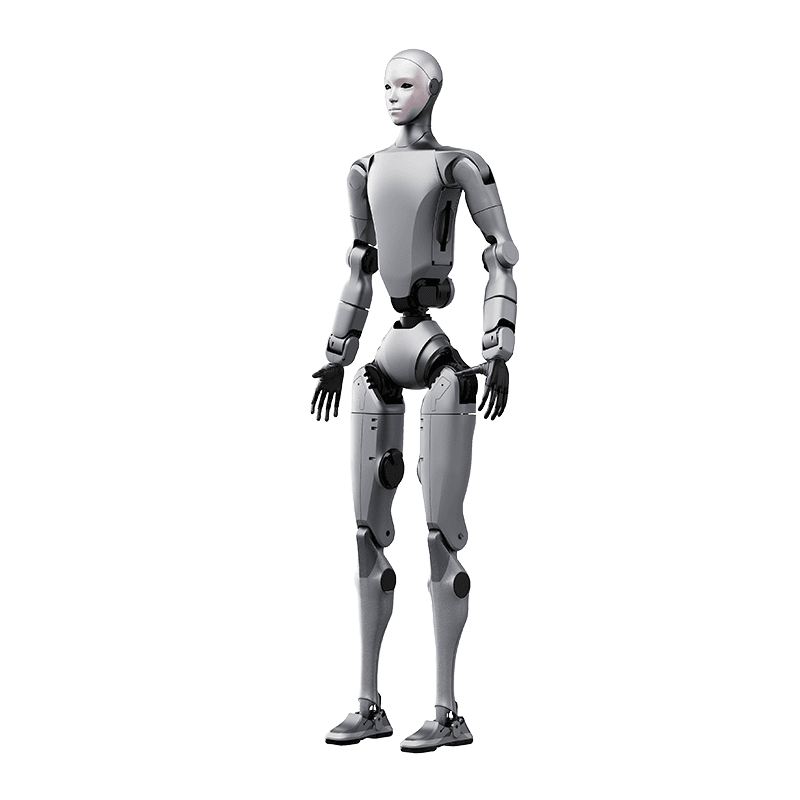
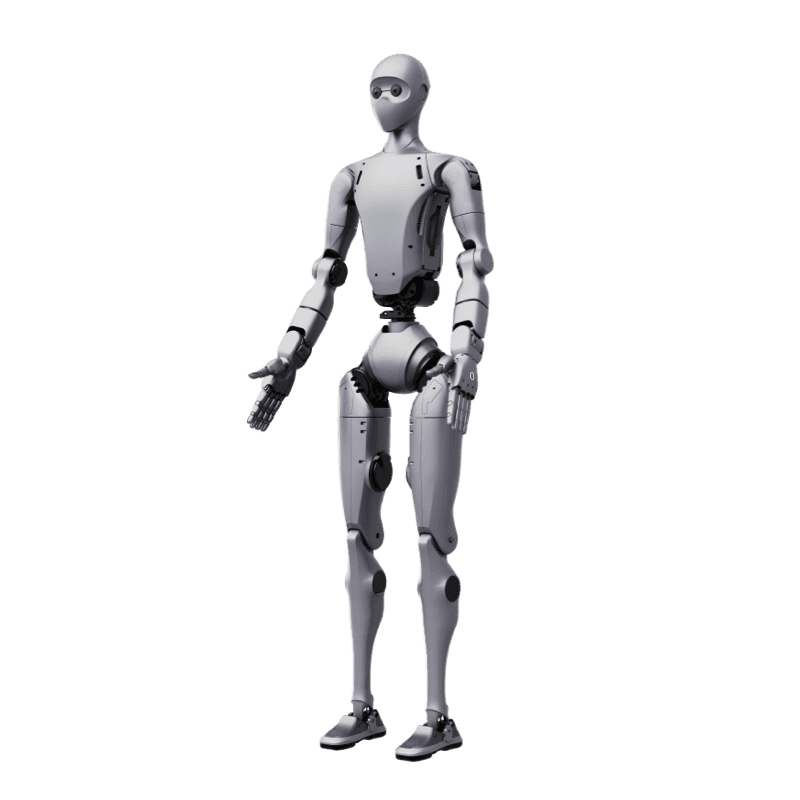
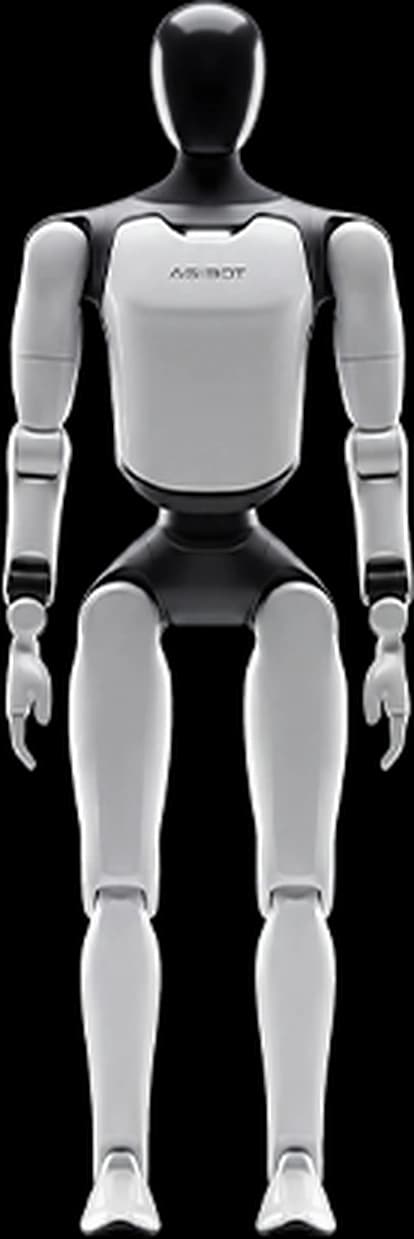
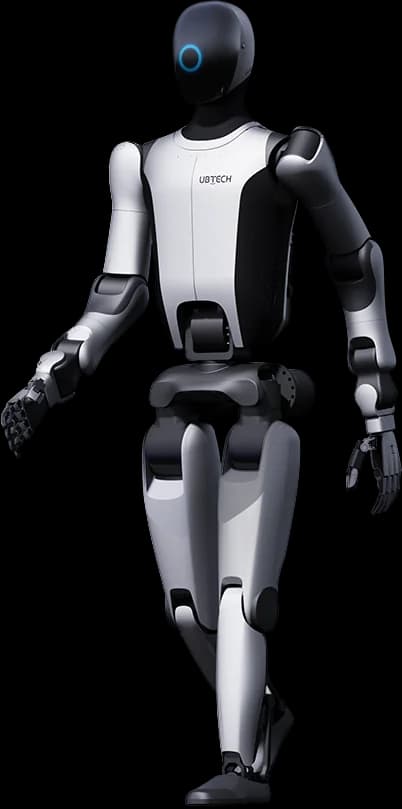
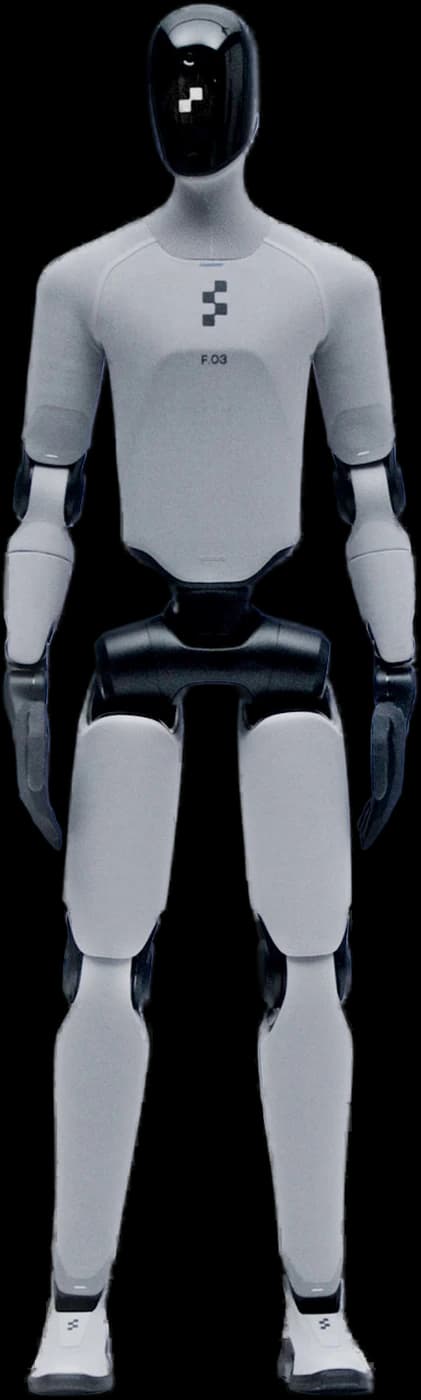
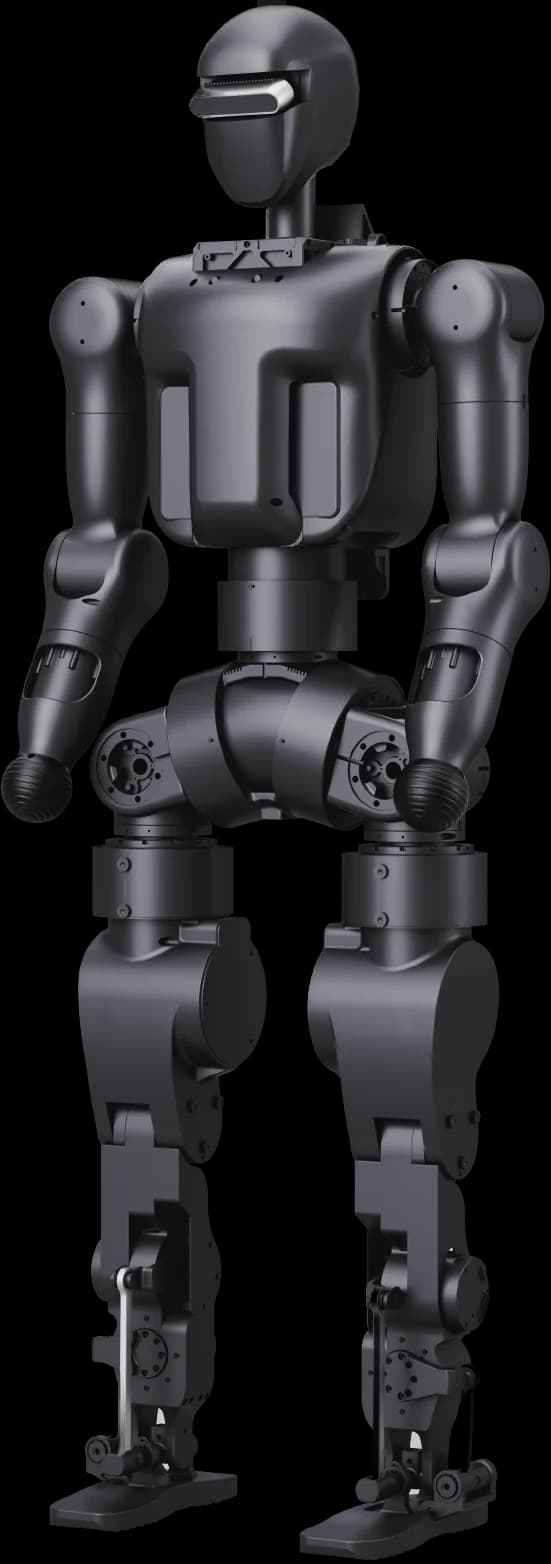
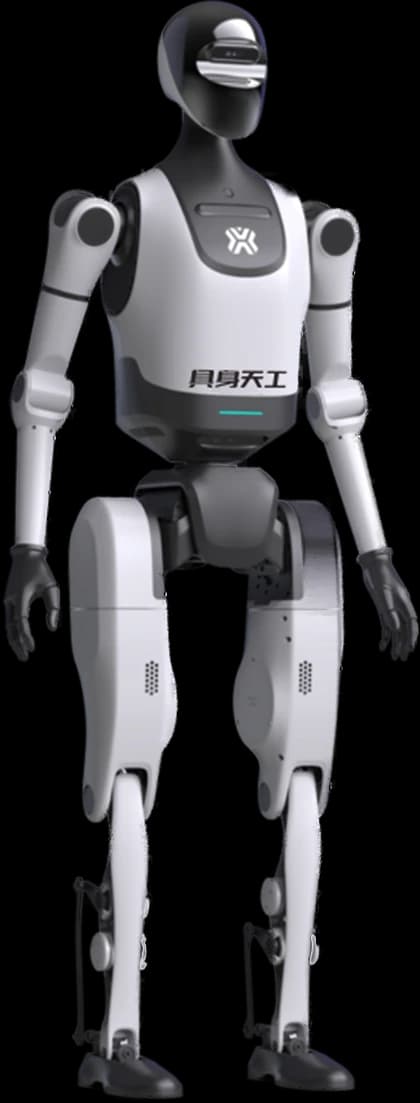
The person saying this founded the manufacturer that ships the most humanoid robots in the sector. Unitree shipped over 5,500 humanoids in 2025, first globally. Playing down the hype is not in his commercial interest.
Two Different Products Under One Name
This is where decisions get muddled: two different things go by the same word.
| General-purpose robot | Platform doing a defined job | |
|---|---|---|
| Task | Given verbally, not known in advance | Defined up front |
| Environment | Unfamiliar to the robot | Mapped, known area |
| Status today | Does not yet exist | Working in the field |
| Founder's estimate | 2-5 years | Today |
Waiting only makes sense for the first column. For work in the second column, waiting does not choose better technology; it chooses to keep paying the current cost.
The most optimistic market forecast draws the same line. Morgan Stanley expects 13 million humanoids in use worldwide by 2035, working primarily in commercial and industrial settings where tasks are repetitive and structured; its 2050 figures are around 1 billion units and a 5 trillion dollar market. Even the largest forecast points to structured work first.
The Robot in the Headline Is Not the Robot You Buy
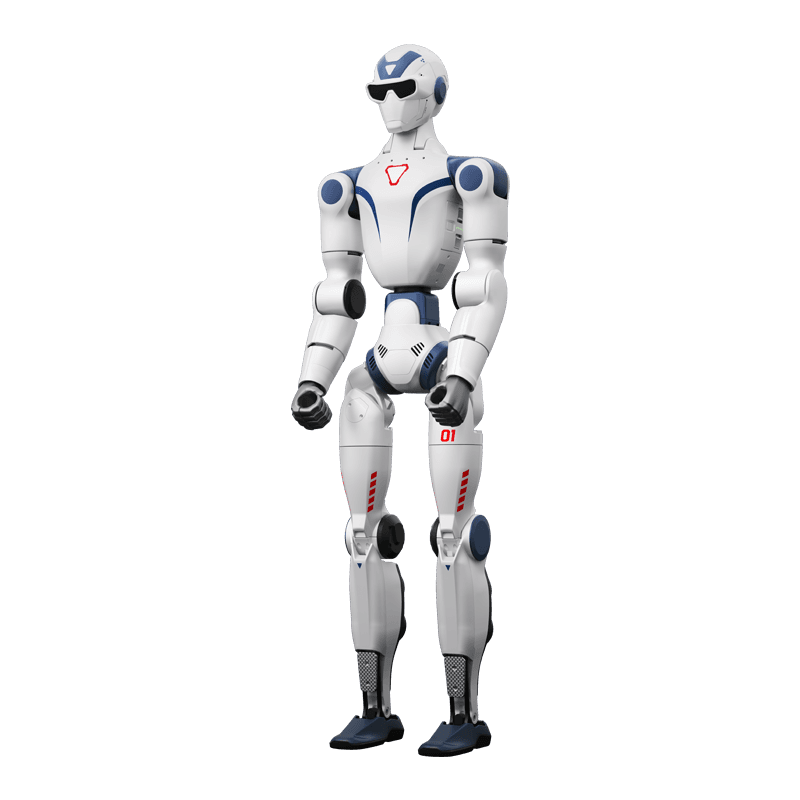
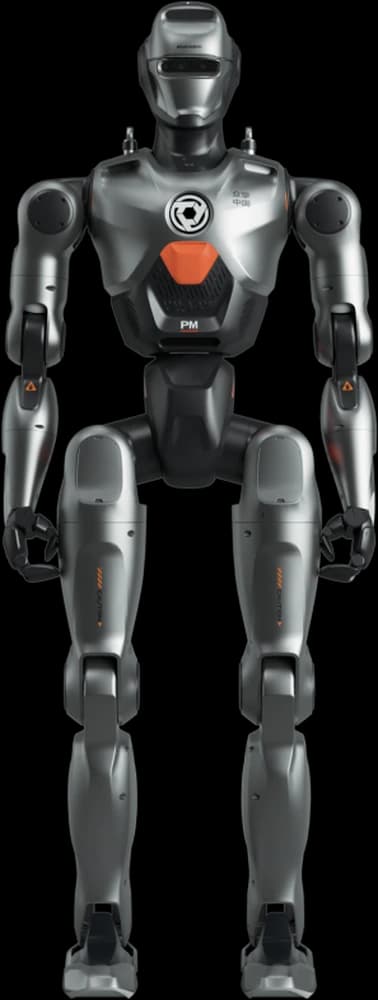
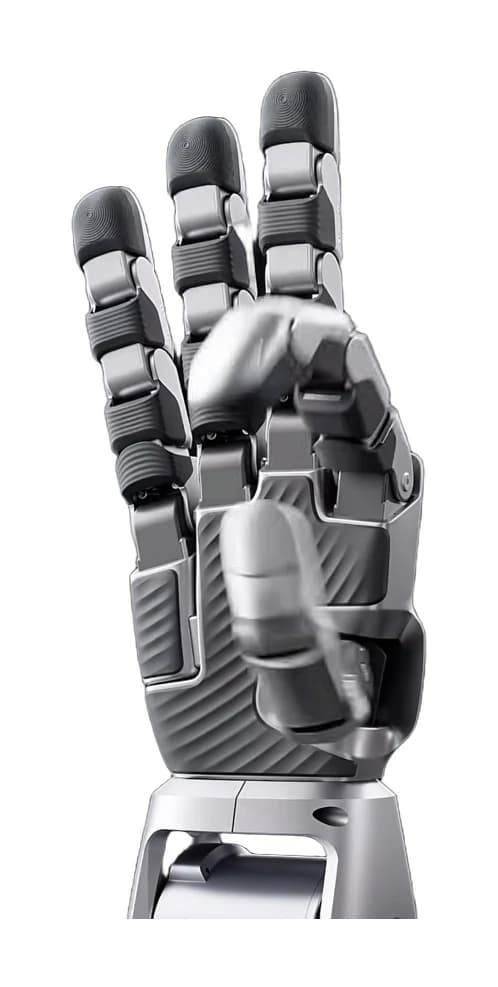
The GD01 is a piloted mecha roughly 2.7 metres tall and 500 kilograms in weight. It was unveiled in May 2026 and the international press reported its price as USD 650,000.
TIME's correspondent writes that on the day of the visit they did not see the mecha functioning: during the photoshoot the GD01 hung from a reinforced steel joist, and Wang declined to operate it or climb inside, unlike in the company's own promotional video. The reason he gave was that it might not be safe (8:47-9:09).
This should be read not as a defect notice but as a description of what the product is: the GD01 is a technology showcase. A business purchase decision is not built on it. For technical detail see our GD01 page.
Which Job Is Done Today, and With What
| Job | Platform | Status today |
|---|---|---|
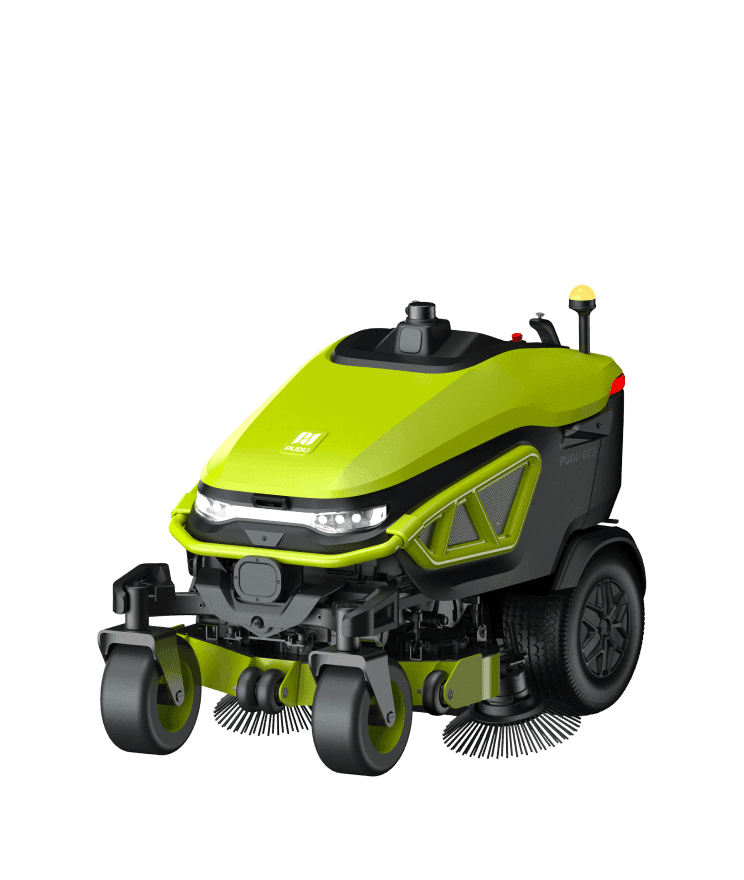
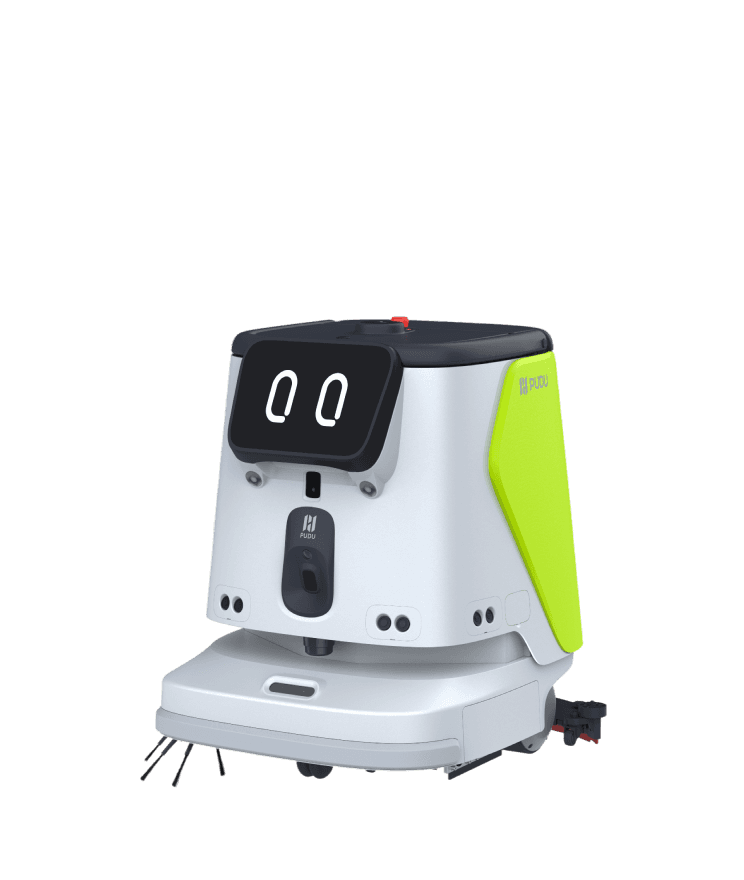
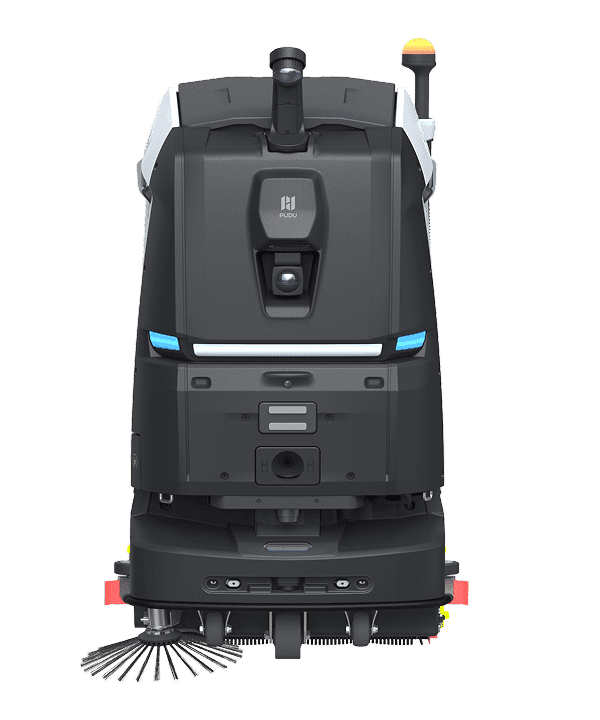
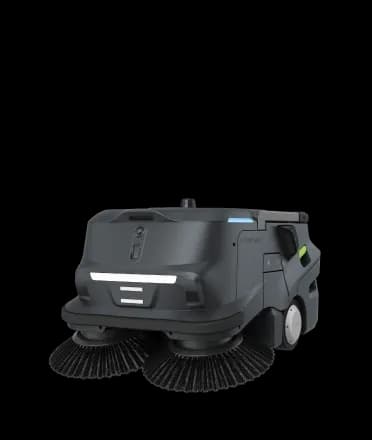
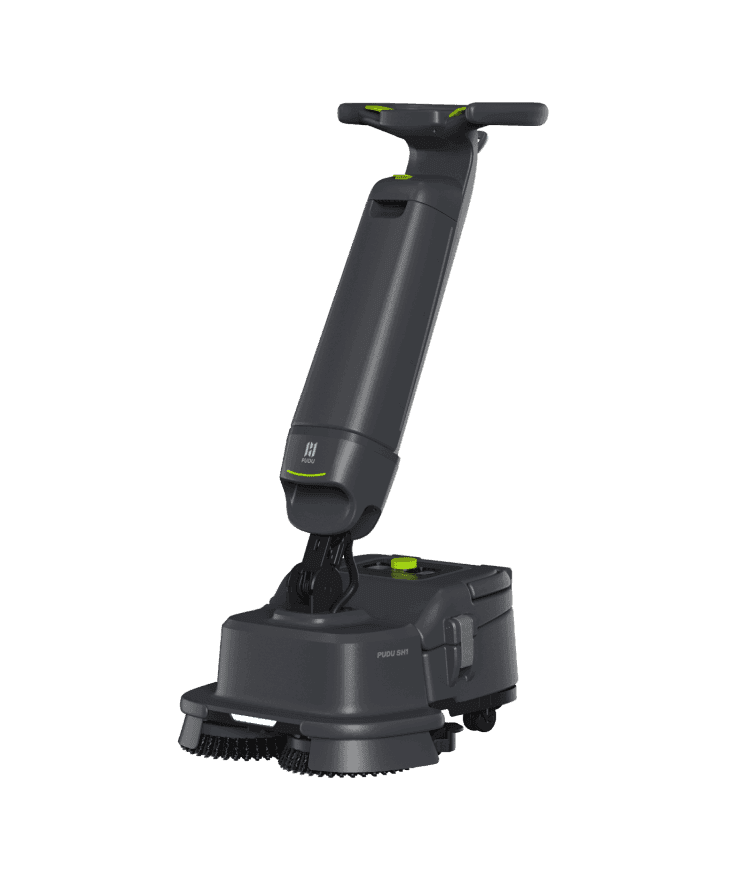
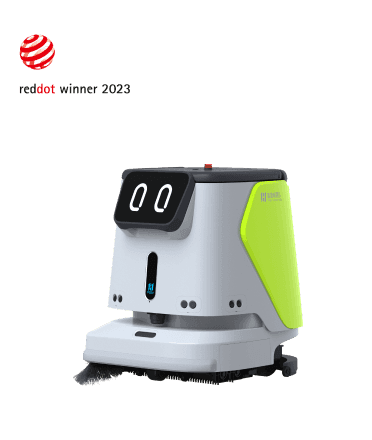
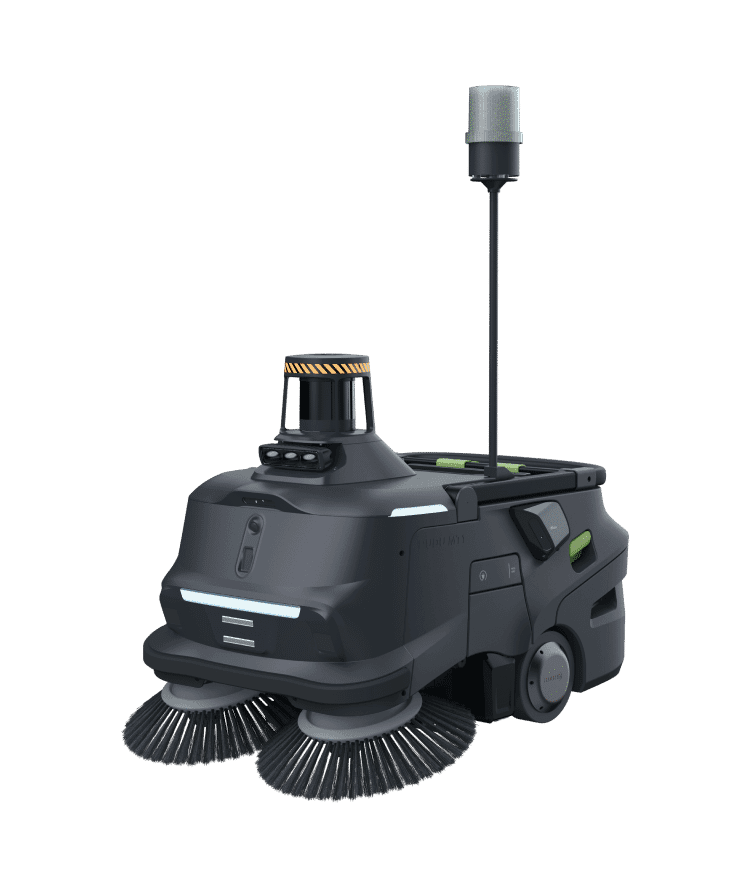
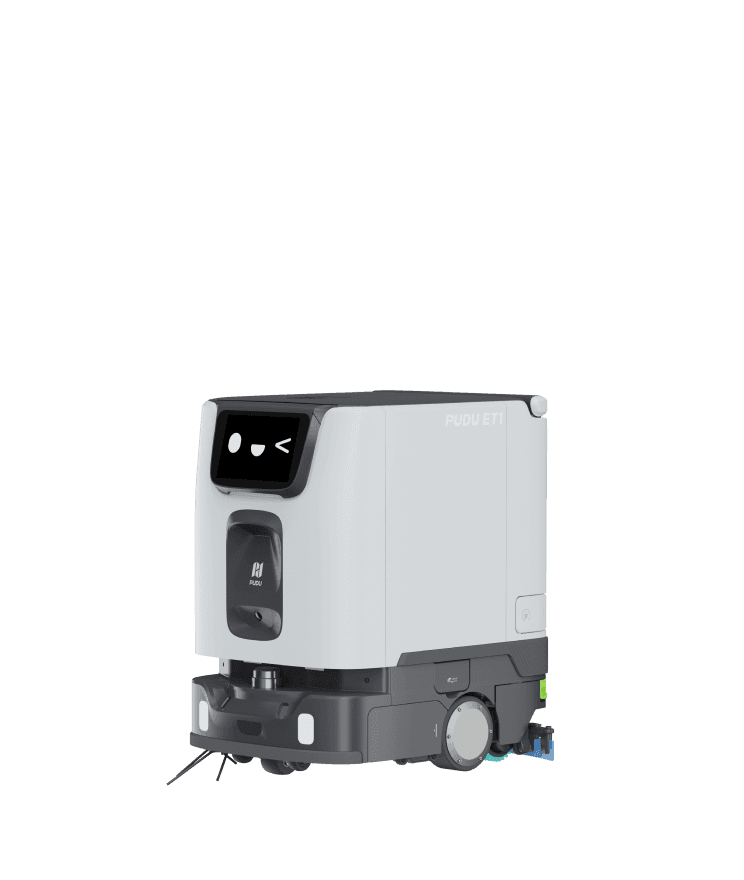
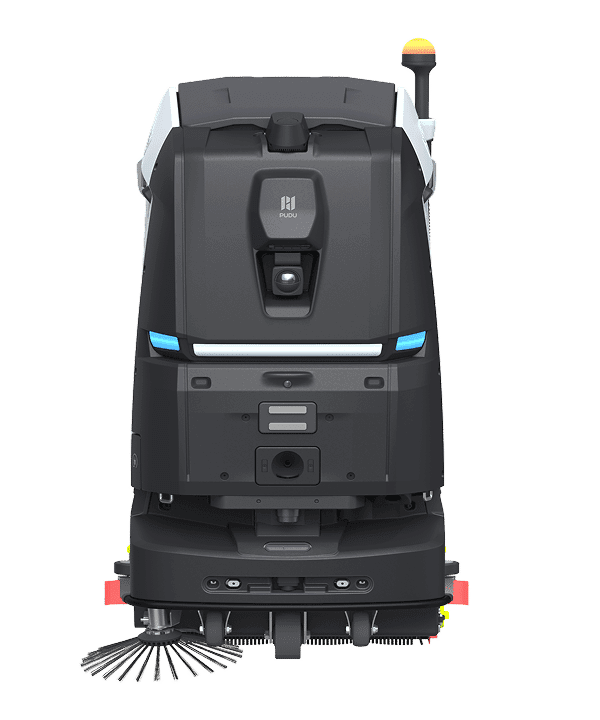
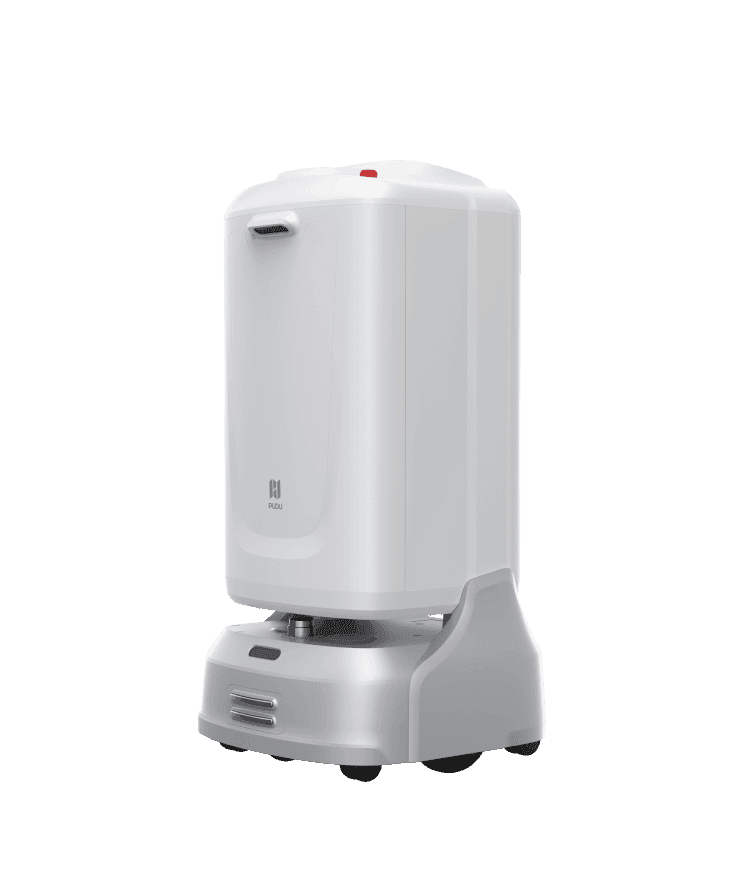
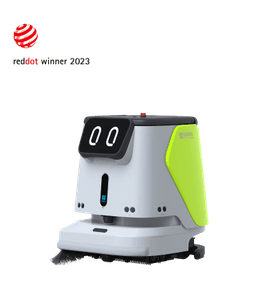
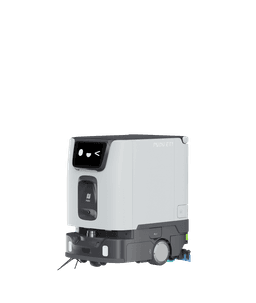
| Floor cleaning (retail, hotel, office, facility) | Pudu CC1, ET1 | Autonomous in a mapped area; runs unstaffed outside shift hours |
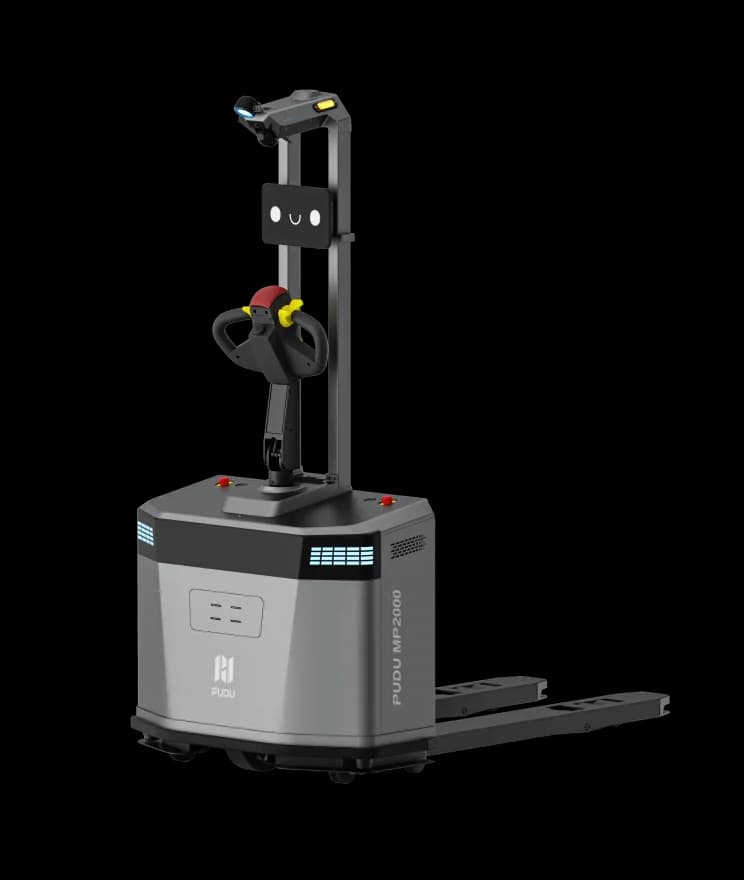
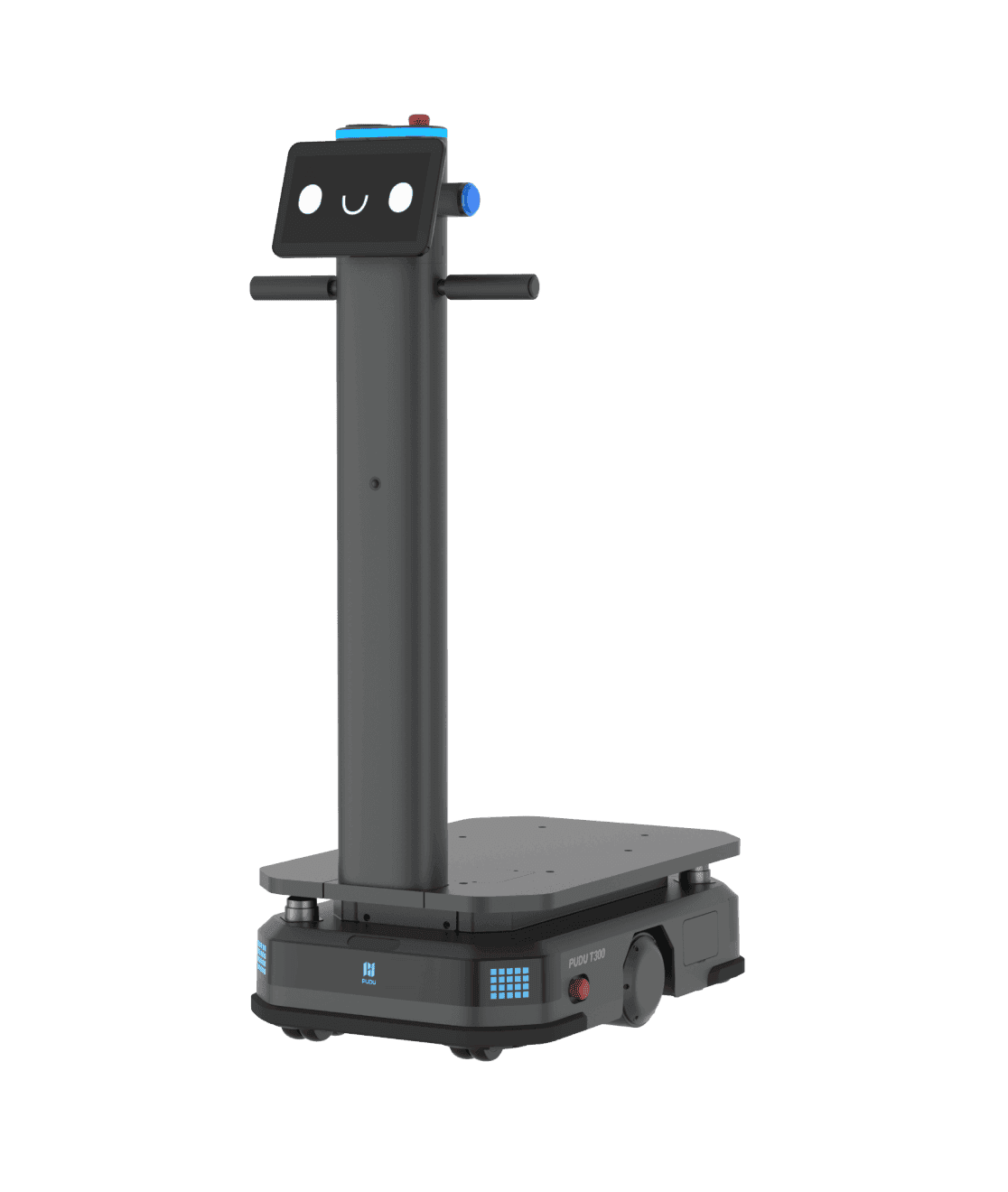
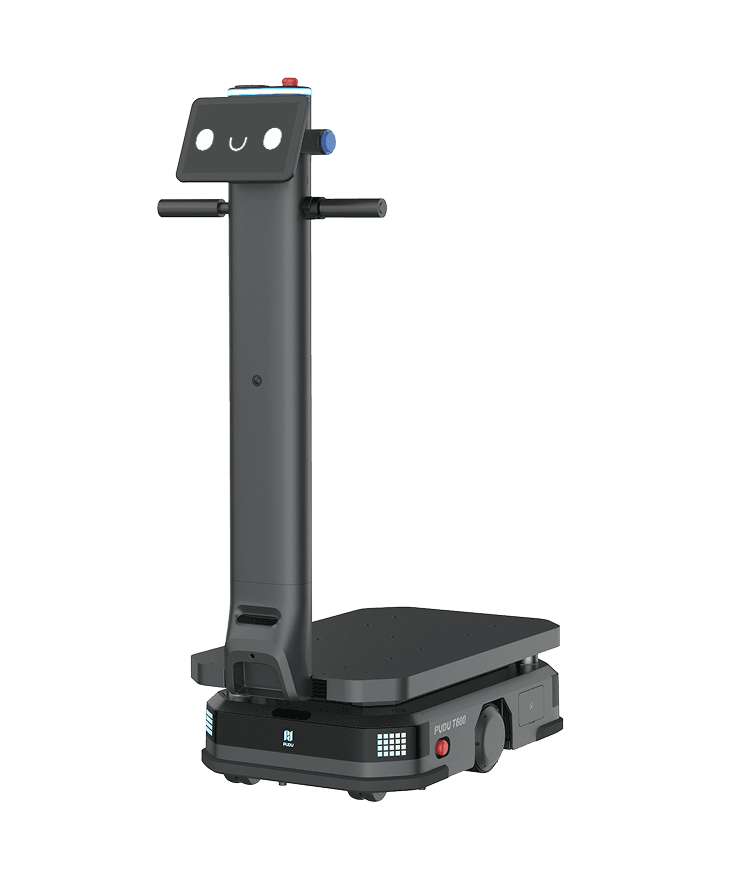
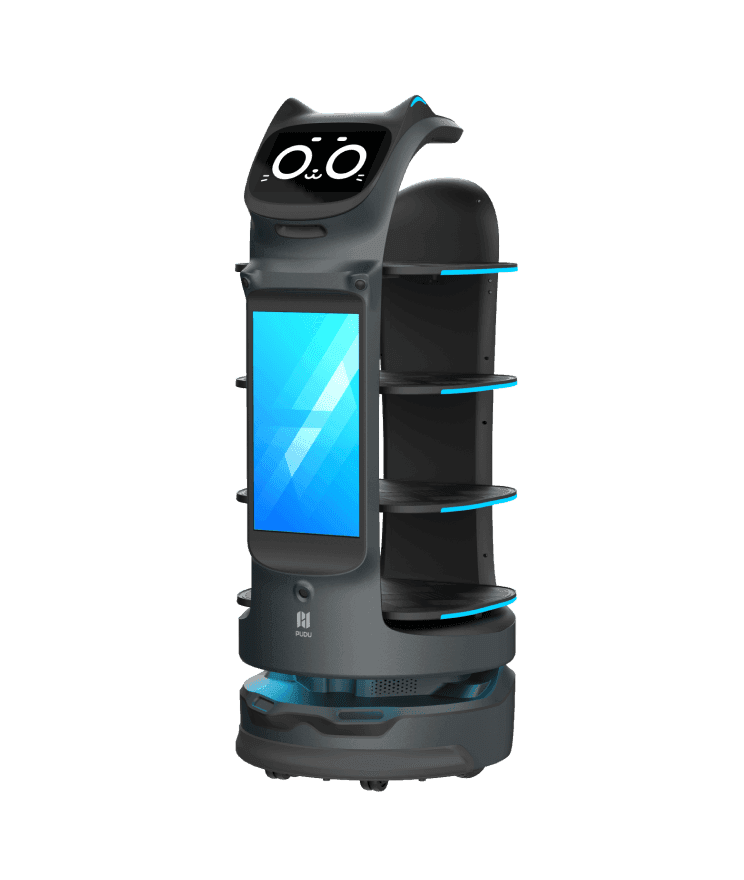
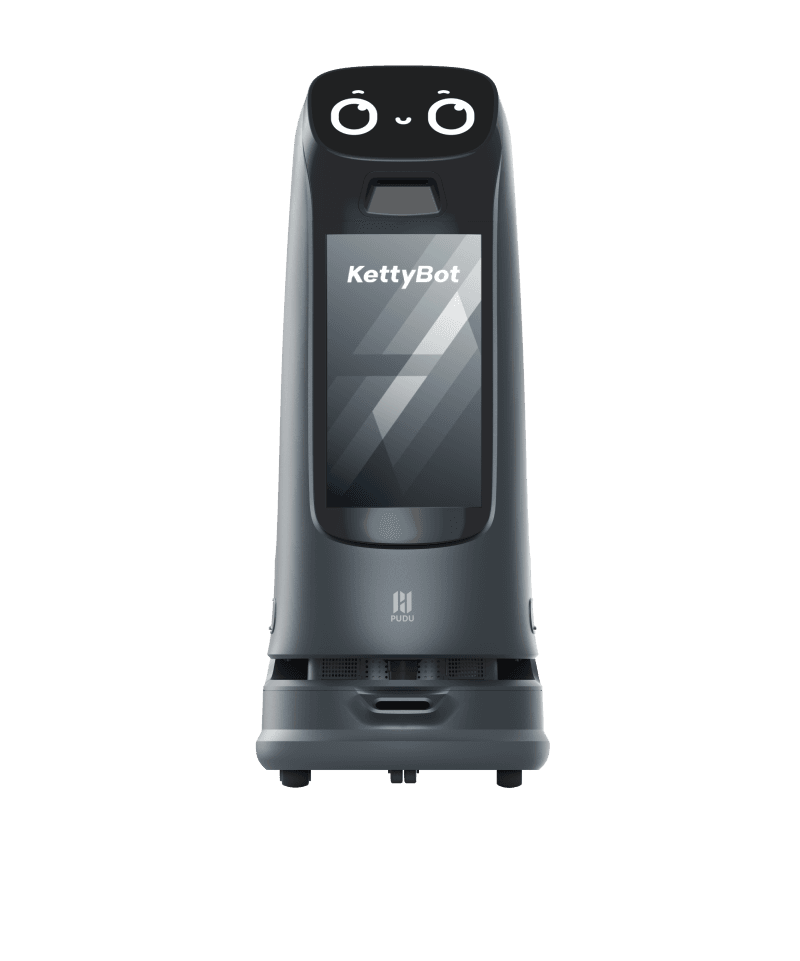
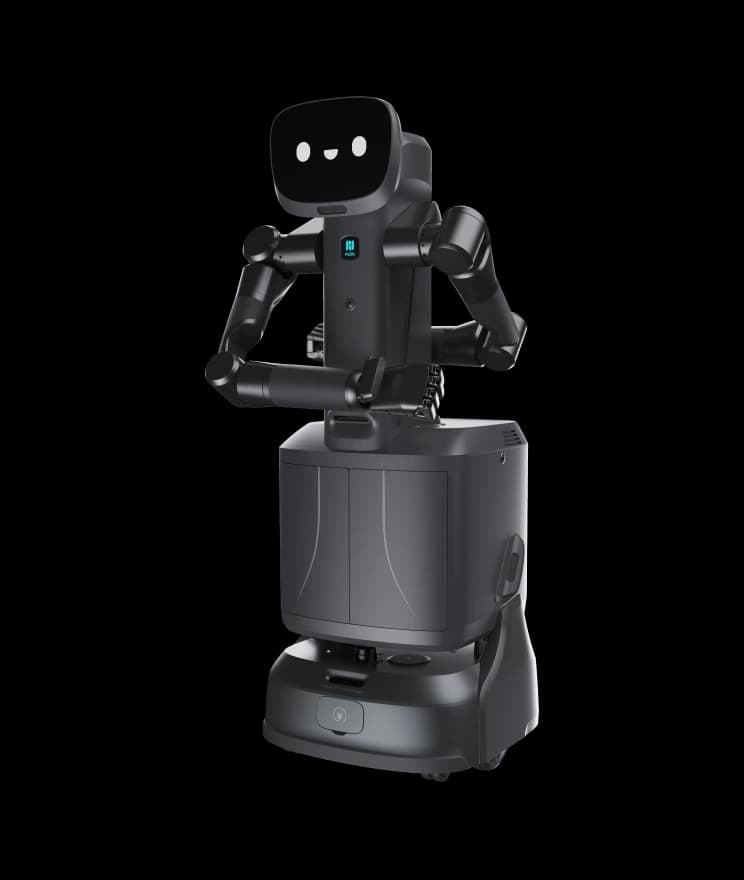
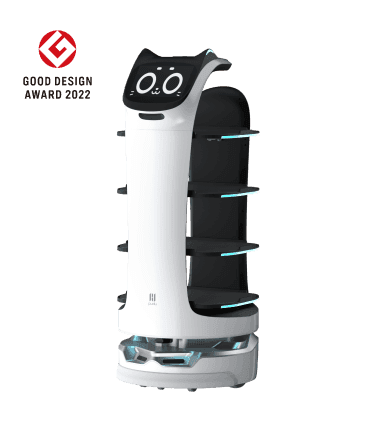
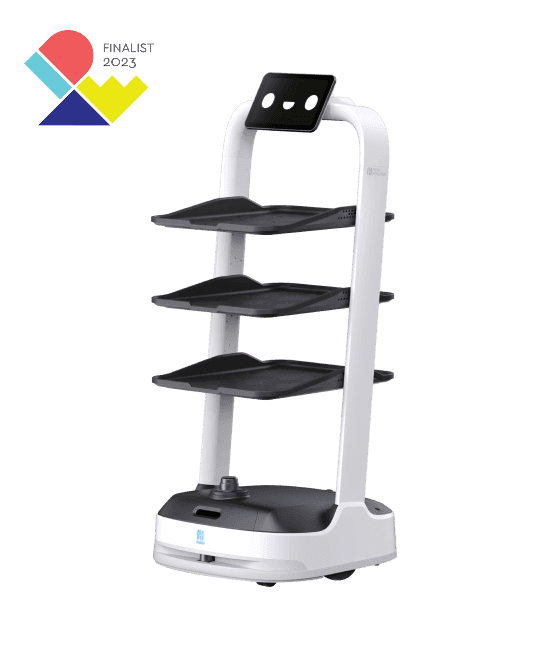
| Service and delivery (restaurant, hotel, hospital) | Pudu service range | Fixed-route and on-call transport; deployed in live venues |
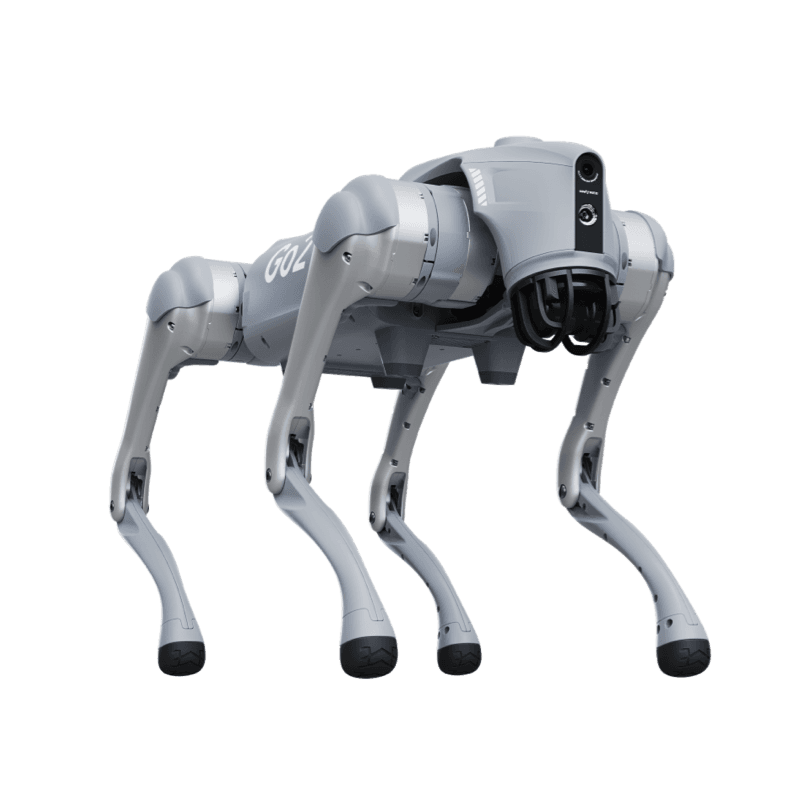
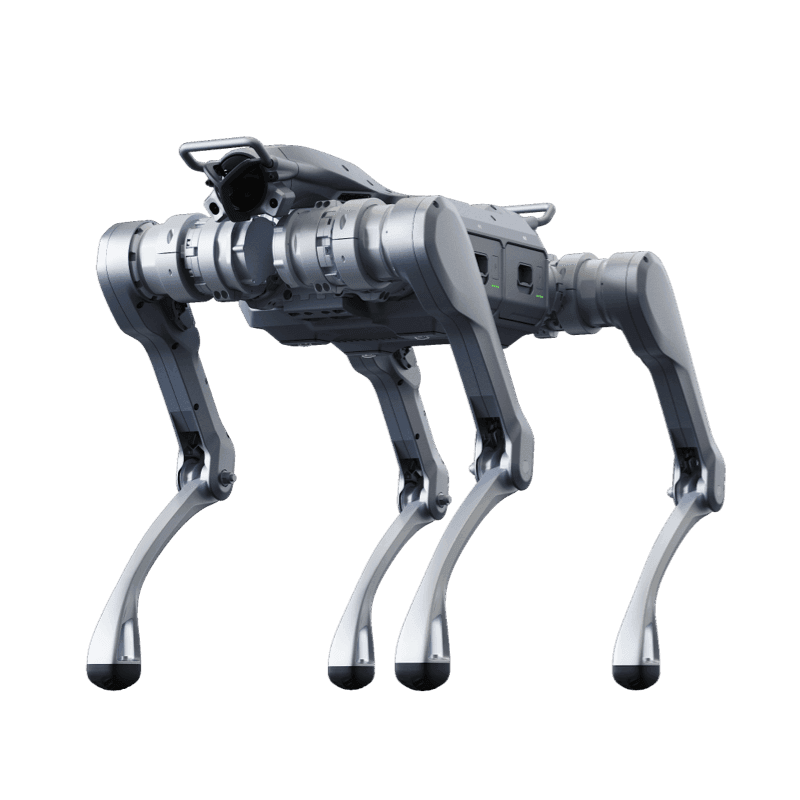
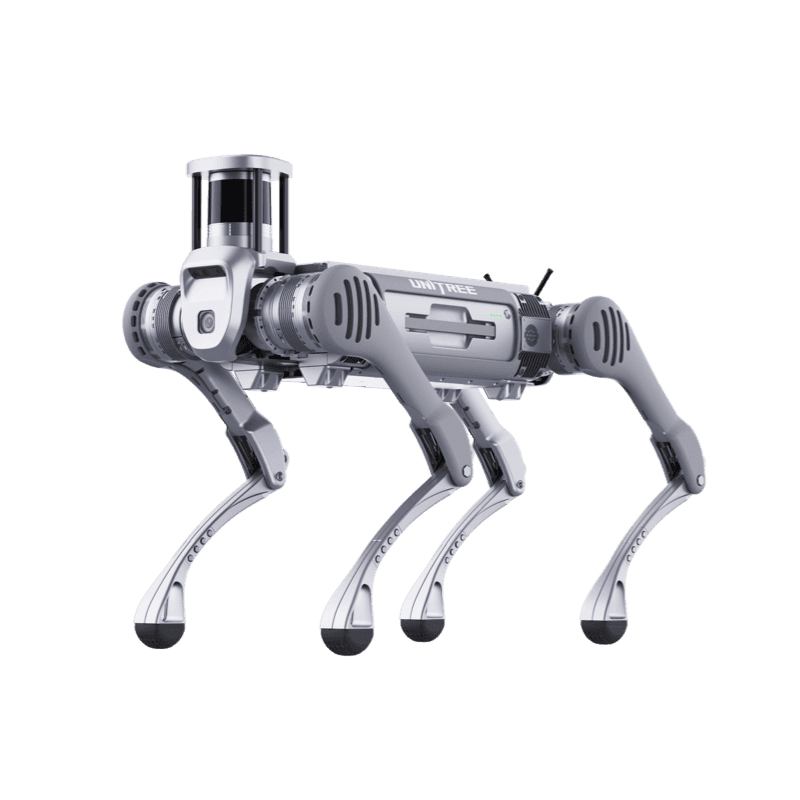
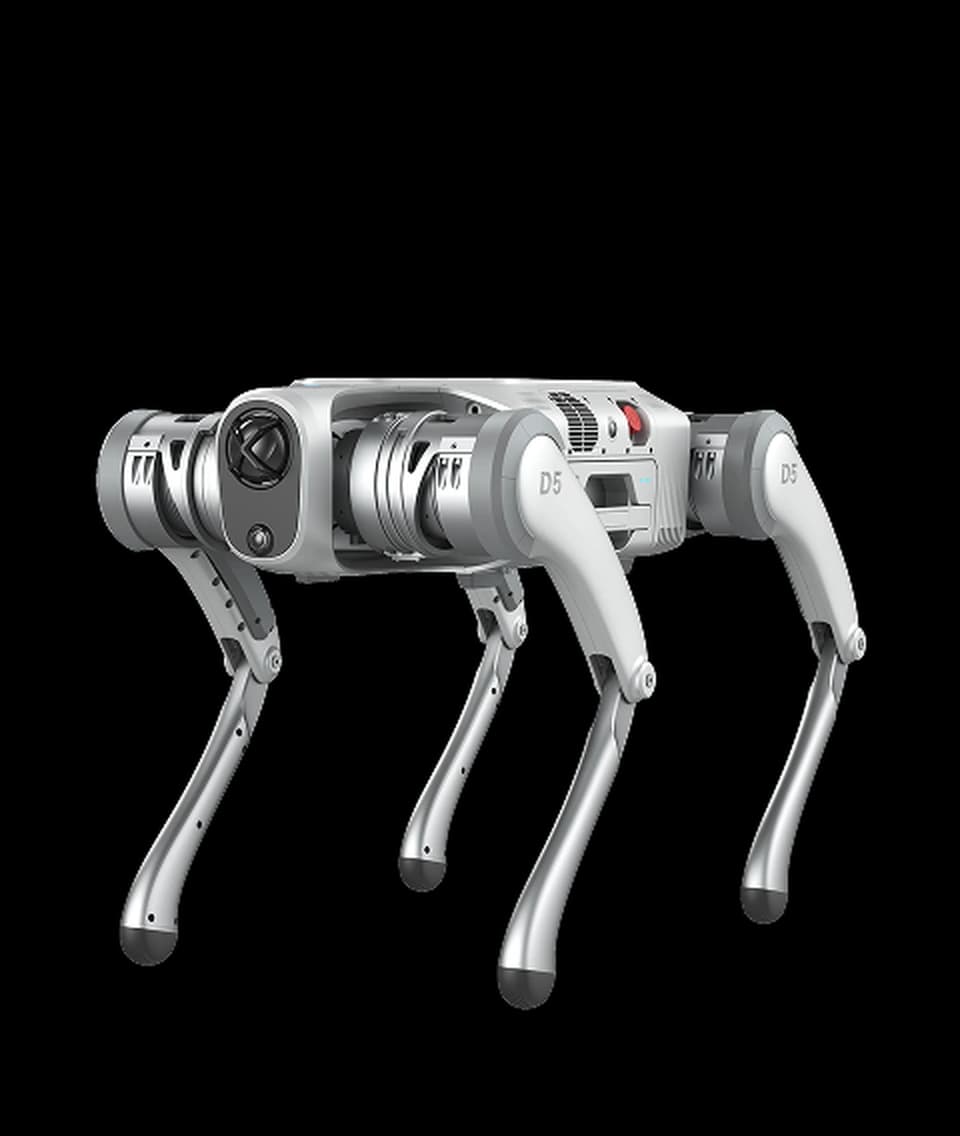
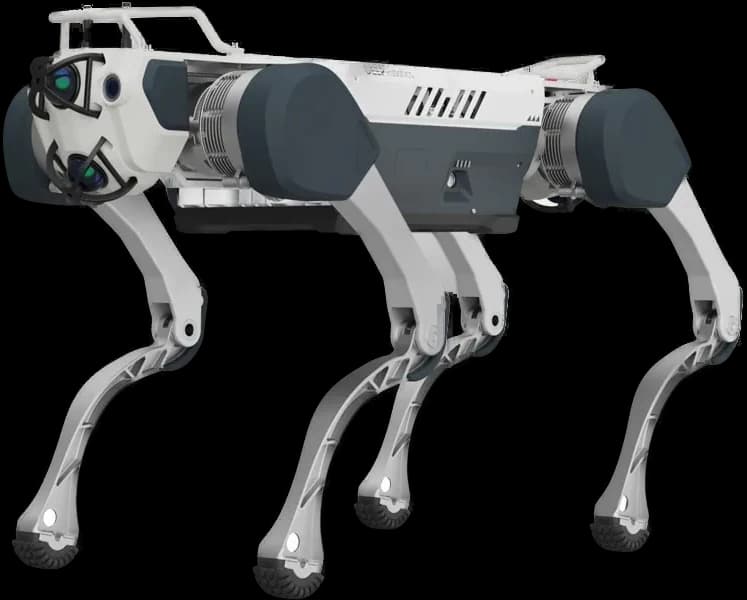
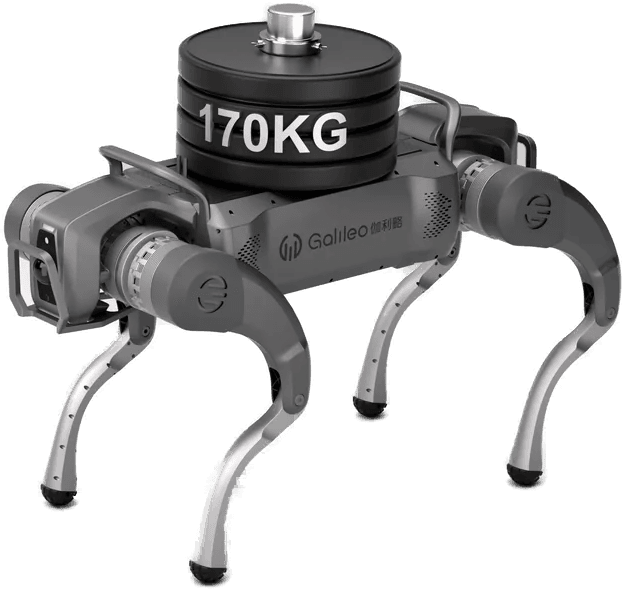
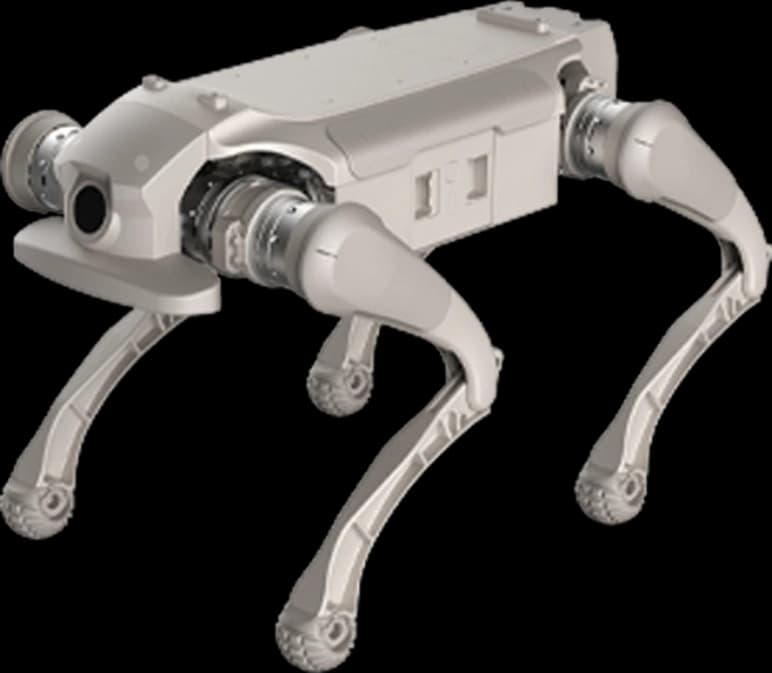
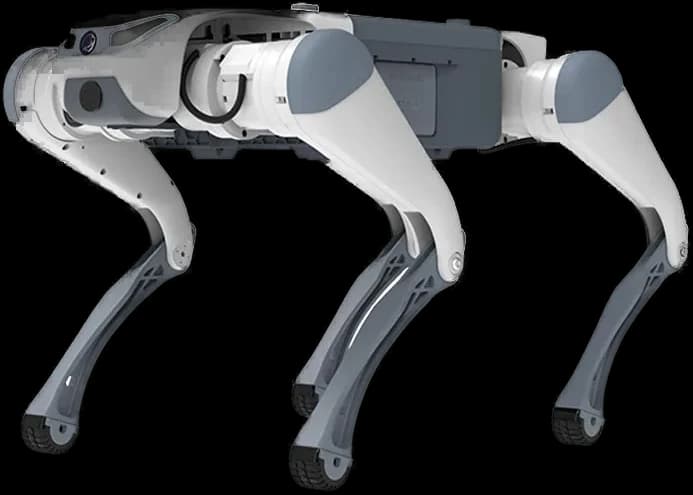
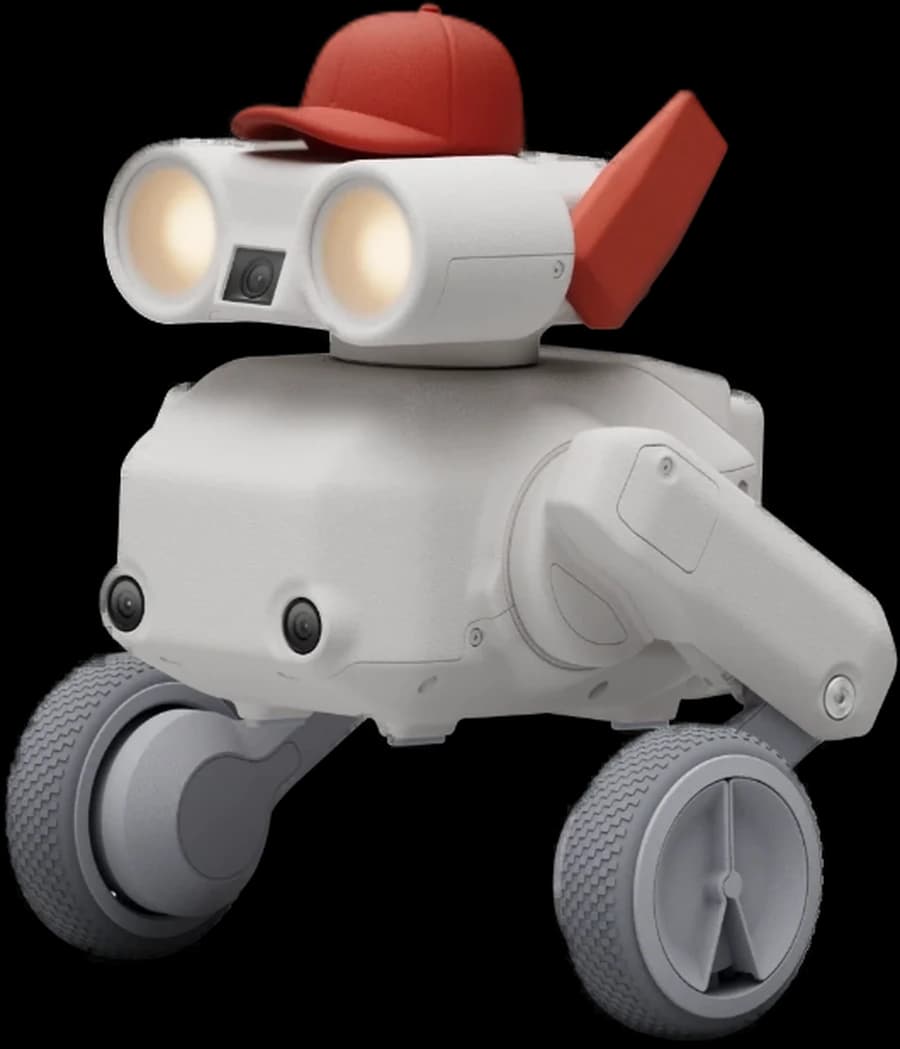
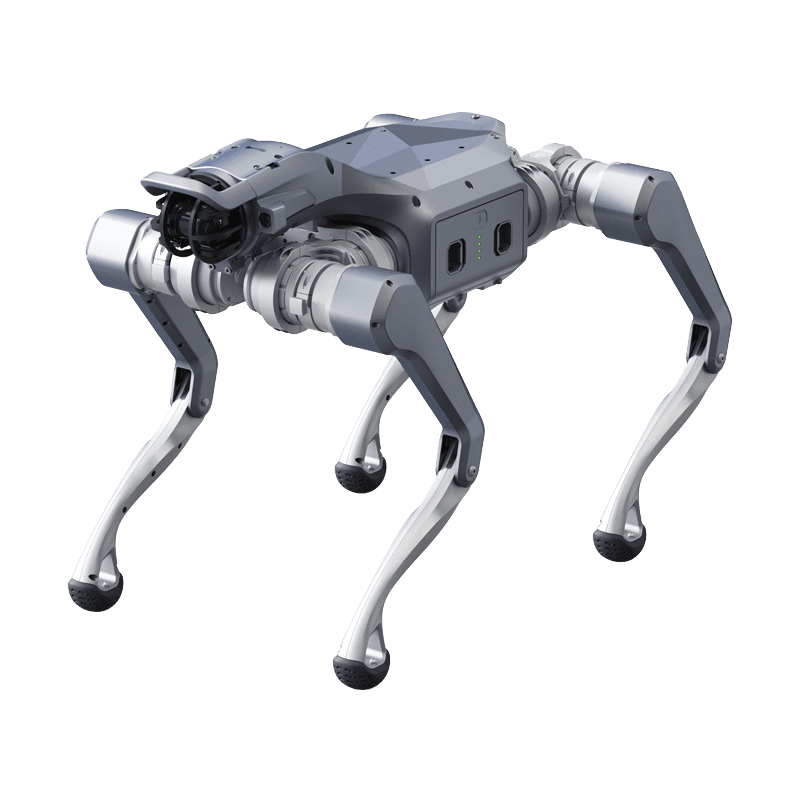
| Site inspection, survey, rough-terrain reconnaissance | Unitree Go2, B2 | Operator-led or route-defined; sensor payload per project |
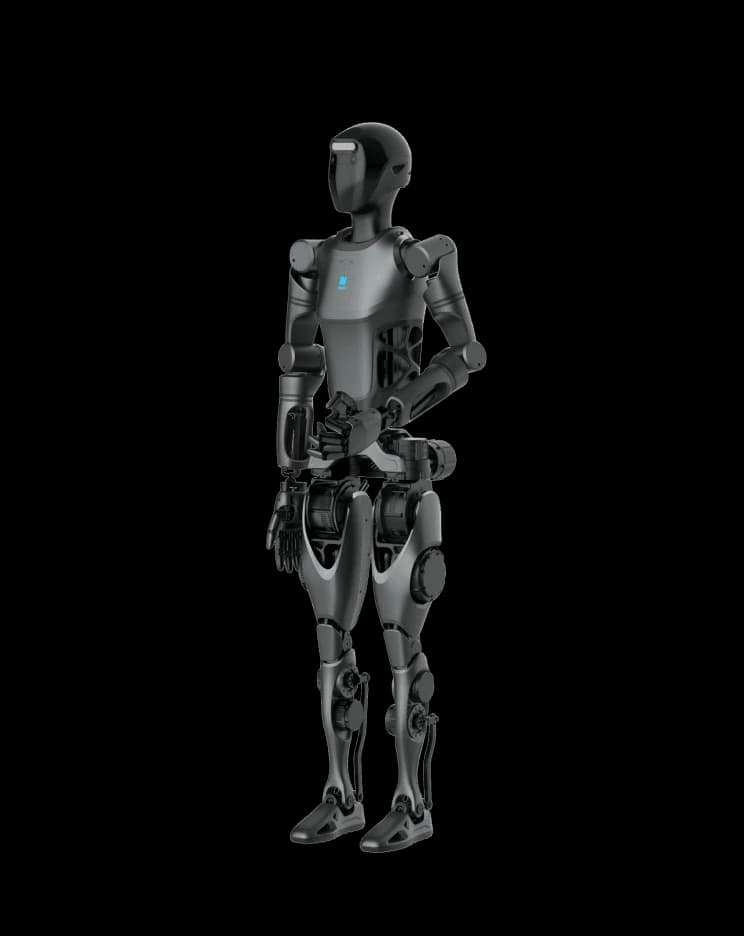
| Research, AI development, humanoid locomotion | Unitree G1, H2 | Development platform; worked through SDK and simulation |
What these four share is that none of them waits for the founder's threshold: the task is defined and the environment is known. For quotations see the humanoid robot category and the full model list.
The Cost of Waiting, in Your Own Numbers
Waiting is also a decision, and it has a cost. That cost should be calculated from your own facility's figures, not an industry average. The four rows below are enough.
| # | What to measure | How to find it |
|---|---|---|
| 1 | Monthly direct cost of the work | Hours on that task × hourly cost × headcount |
| 2 | Consumables and equipment (monthly) | Chemicals, spare parts, maintenance of current machines |
| 3 | Rework | Jobs redone after a complaint or an audit |
| 4 | Work not done at all | Areas skipped or tasks delayed because the shift ran short |
The monthly sum of rows 1 + 2 + 3 is the real cost the robot displaces. Multiply it by the number of months you are considering waiting: that is the price of the wait.
Payback varies by model, floor area and shift pattern, and settles once the configuration is known. Fill in the four rows and send them to us; we will work out the net quote and the payback together.
The Decision Rule
The rule that comes out of the interview fits in two lines:
- If the job is defined, the route repeats and the environment does not change, there is no technical reason to wait. The technology that job needs is working in the field today and can be bought.
- If the robot is expected to handle changing work, in an environment it does not know, from spoken instructions, waiting is the right call. The founder's own estimate for that capability is two to five years.
The difference is not the maturity of the technology but whether the job is defined. Which makes the decisive question this: can you write down the robot's job on a single page?