
The Humanoid Cost Breakdown: A BOM Recipe
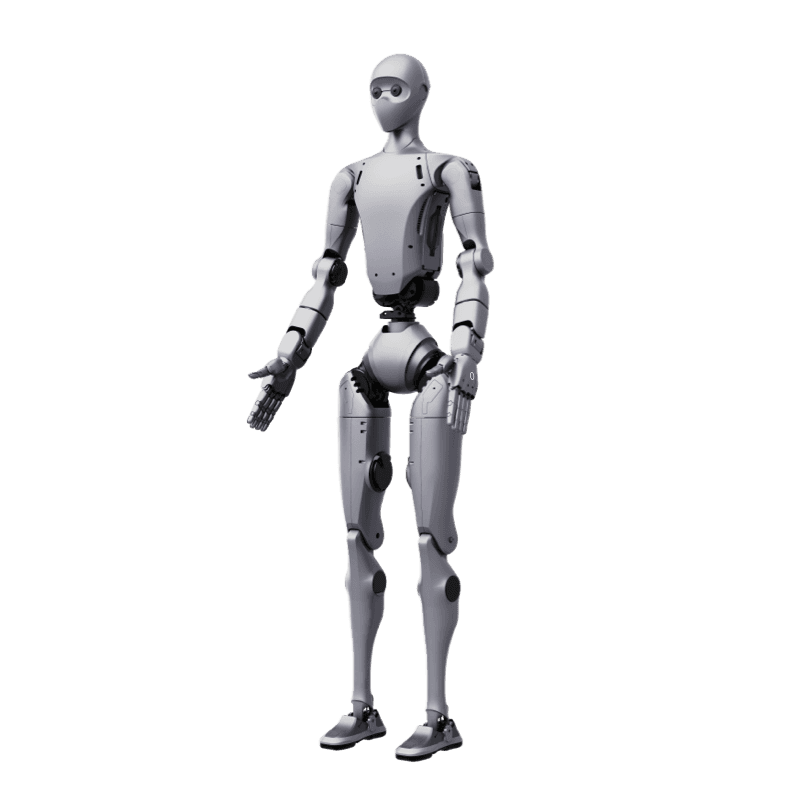
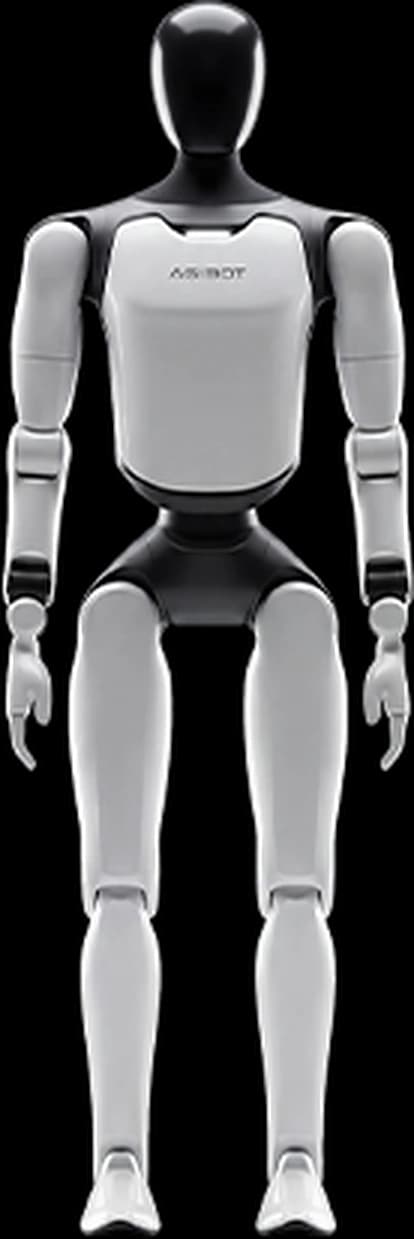
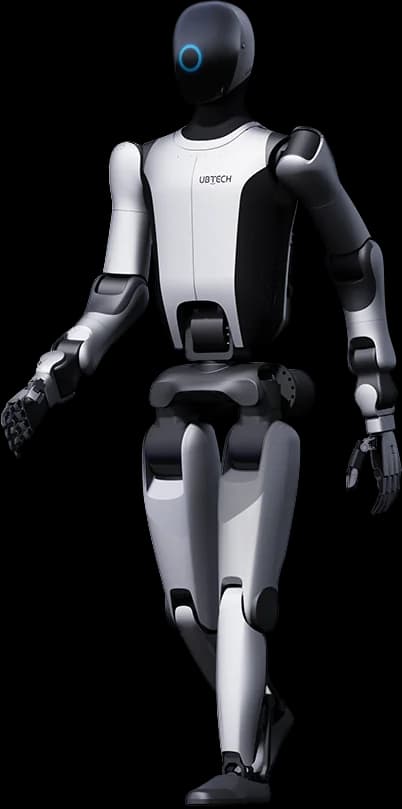
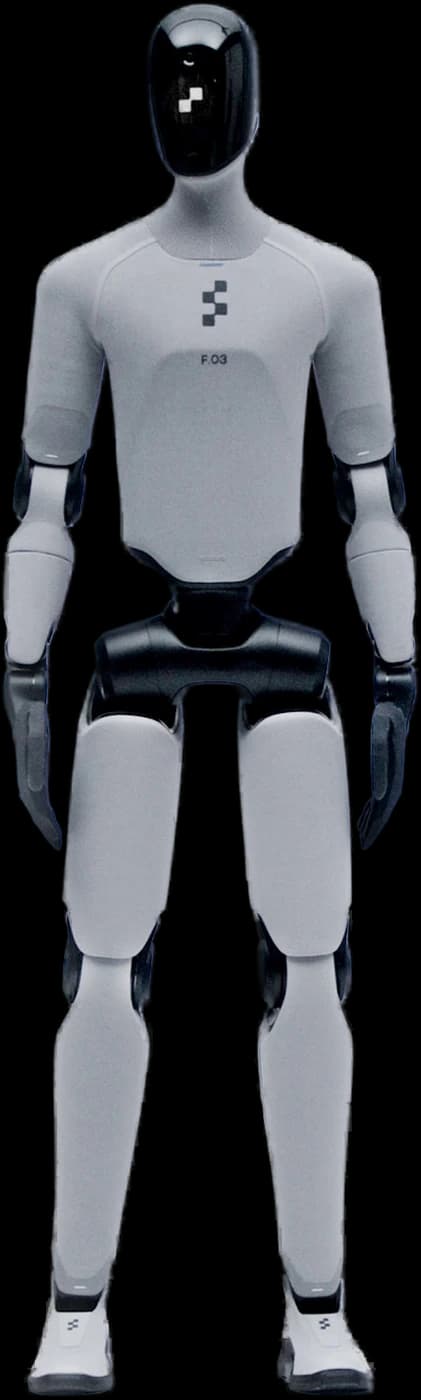
Split a humanoid robot's Bill of Materials into five items and the distribution looks roughly like this:
Linear and rotary actuators plus dexterous hands together account for about 75% of the total. This matches the industry's most trusted teardowns: Morgan Stanley's Tesla Optimus Gen-2 analysis puts total BOM at ~$55,000 with ~$21,000 (38%) in leg actuation and ~$9,500 (17%) in hands, while Bank of America's 2025 China-supply-chain estimate lands in the $35,000-46,000 band with similar ratios. Two independent sources, one conclusion: hardware is still king.
Why Are Actuators So Expensive?
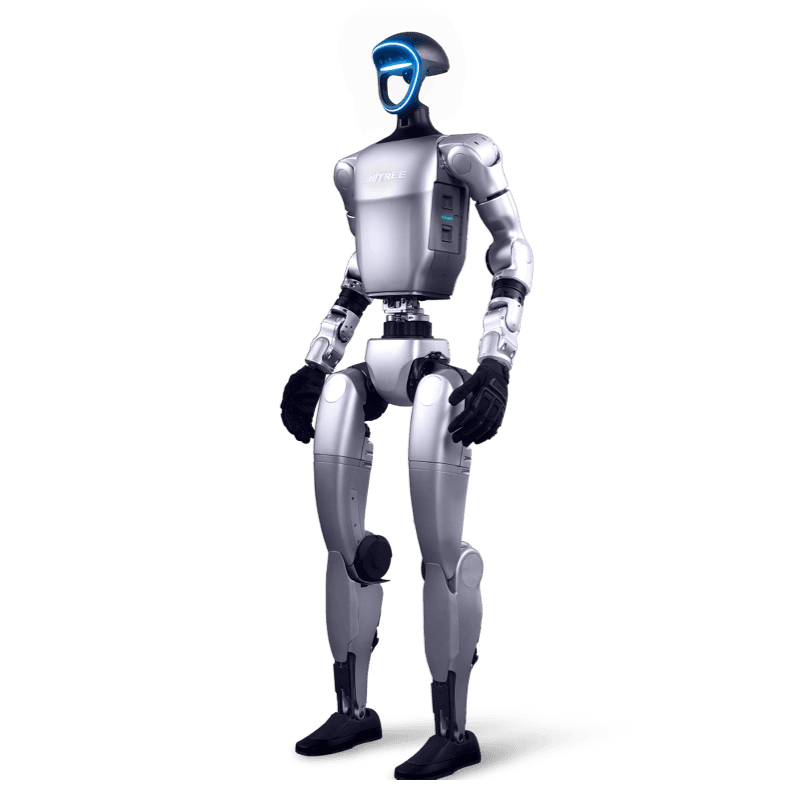
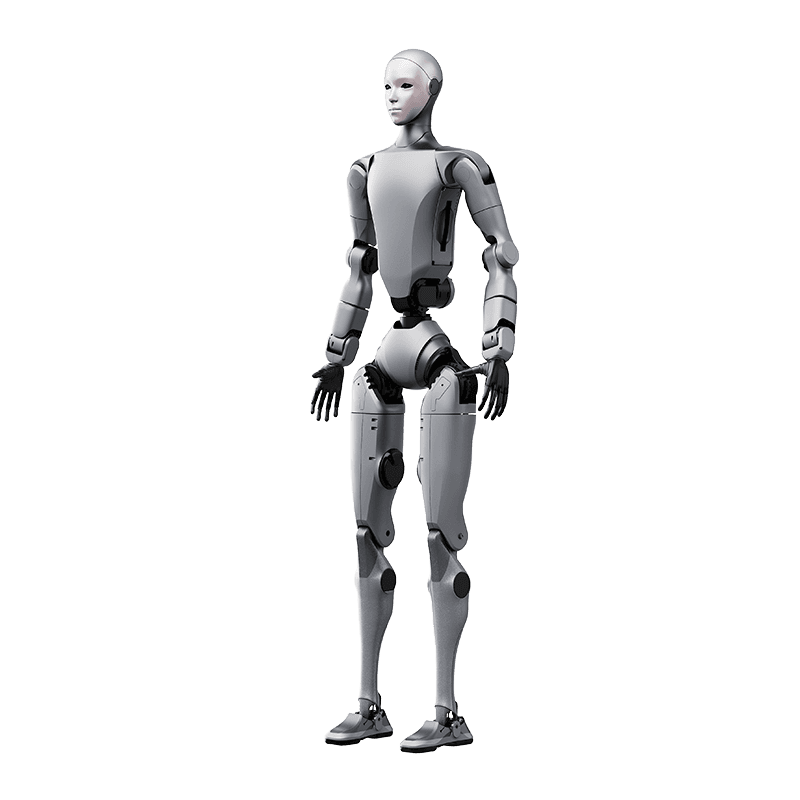
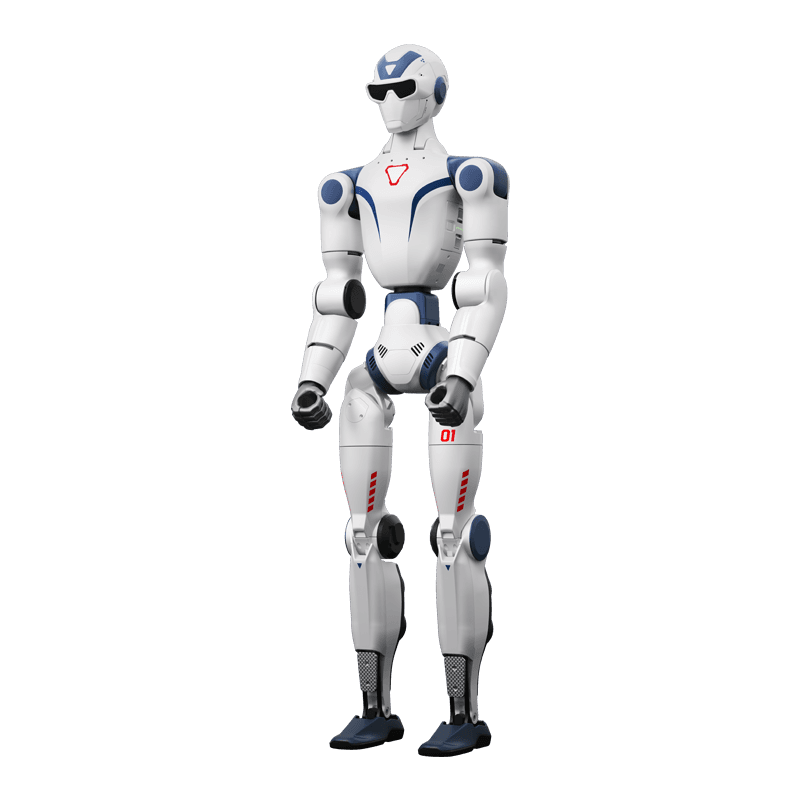
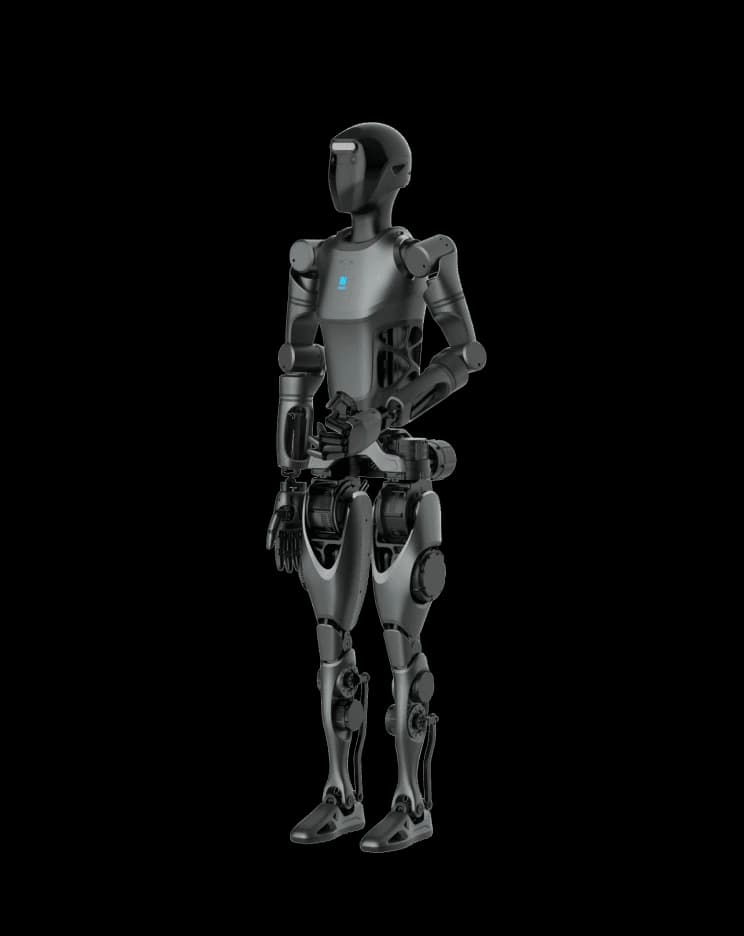
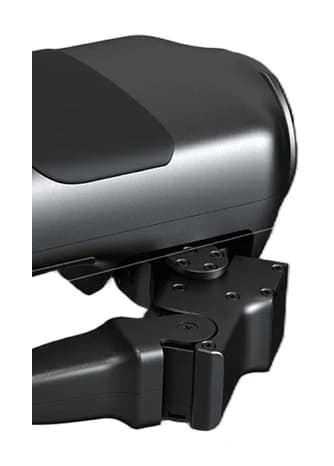
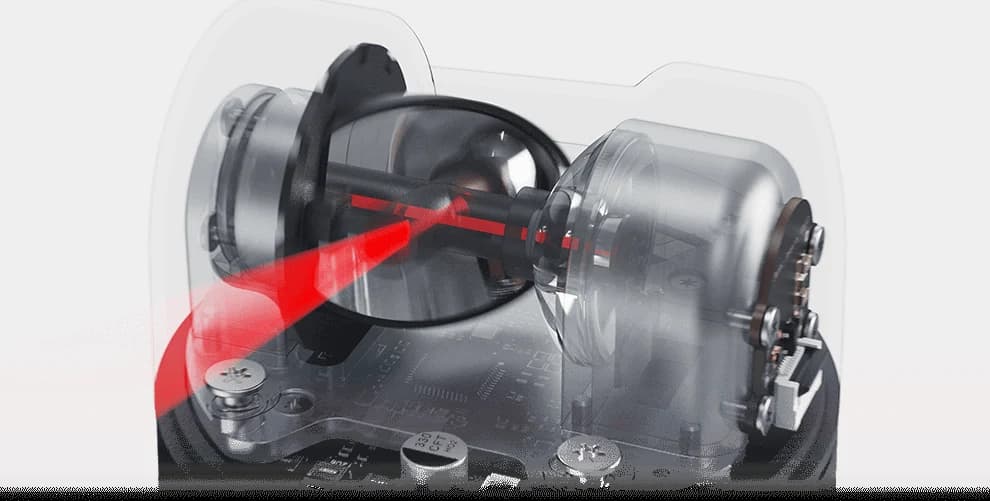
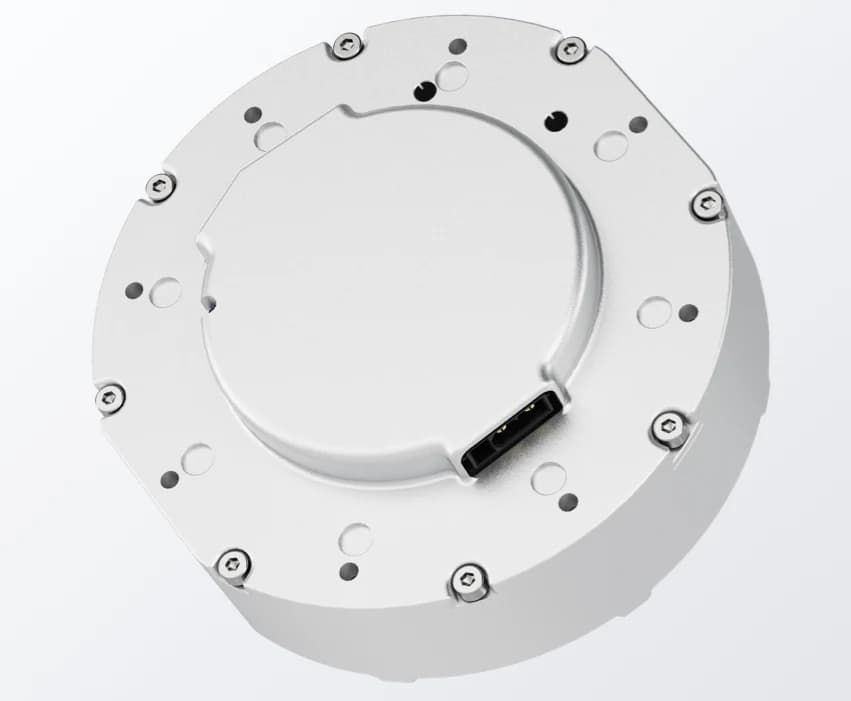
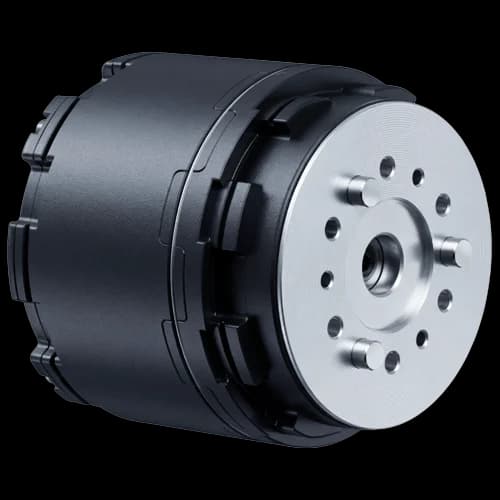
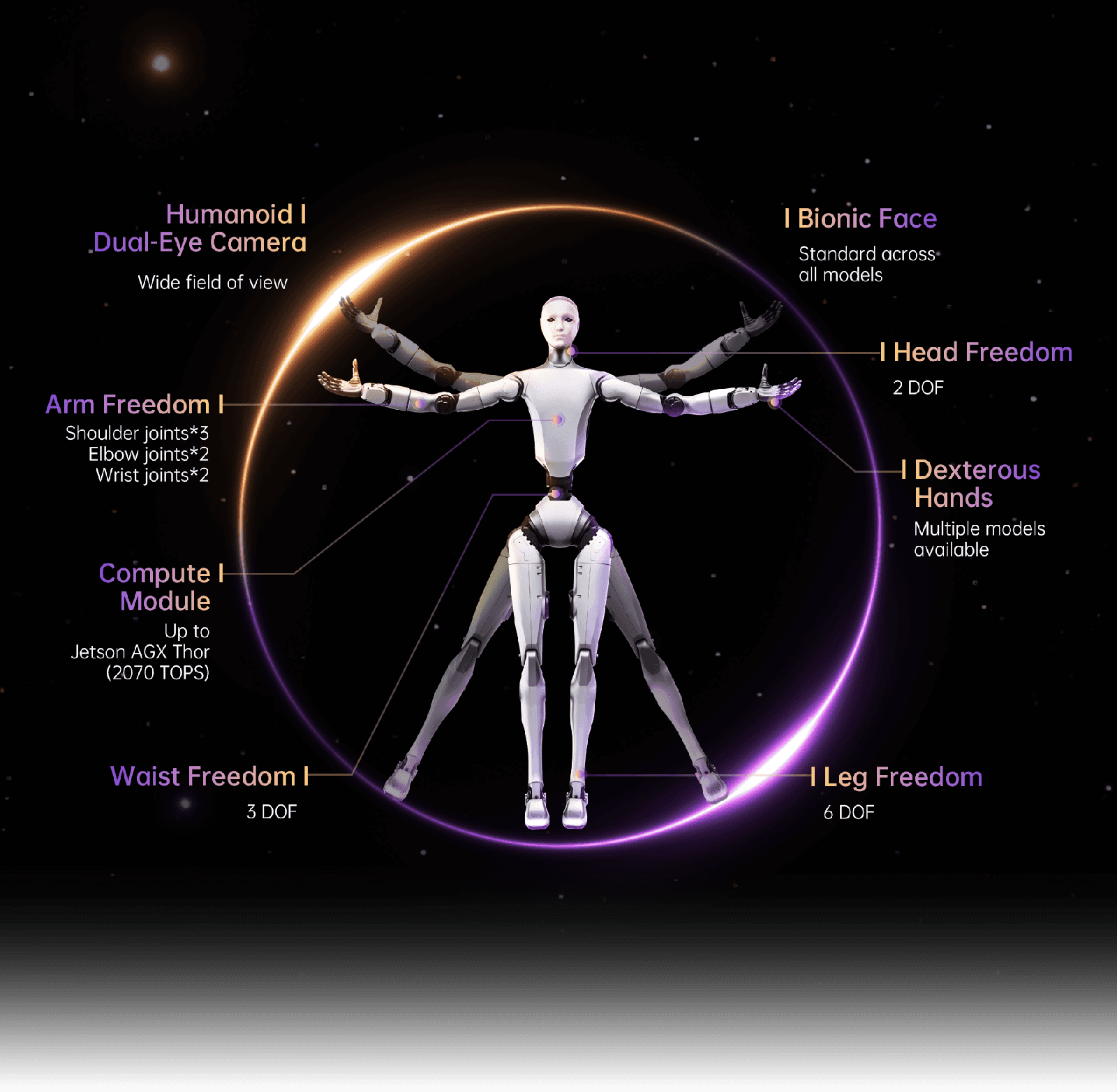
A humanoid carries 20-44 joint actuators in its body and legs: the Unitree G1 has 23 degrees of freedom (43 with hands on the EDU version), the H2 has 31. Each joint is not a simple motor but a package: frameless torque motor + precision reducer (harmonic drive or planetary roller screw) + encoder + torque sensor.
| Joint region | Typical solution | Challenge | Unit cost band* |
|---|---|---|---|
| Hip / knee | High-torque rotary or linear actuator | Impact loads while walking | $500-2,000 |
| Ankle | Linear actuator (planetary roller screw) | Fine balance + durability | $400-1,500 |
| Shoulder / elbow | Mid-torque rotary actuator | Weight-to-power ratio | $300-900 |
| Wrist / neck | Compact rotary module | Volume constraint | $150-500 |
* Global component bands compiled from sector analyses; not end-product pricing.
A handful of makers; Harmonic Drive, Maxon, Faulhaber; control the critical share of this market. China's cost advantage kicks in exactly here: the same robot class can be built at a third of the cost on the Chinese component ecosystem. Unitree's vertical integration of its own actuators, reducers and drivers is the main reason the G1 and R1 are the most accessible platforms in their class.
Dexterous Hands: The Hardest, Priciest Part
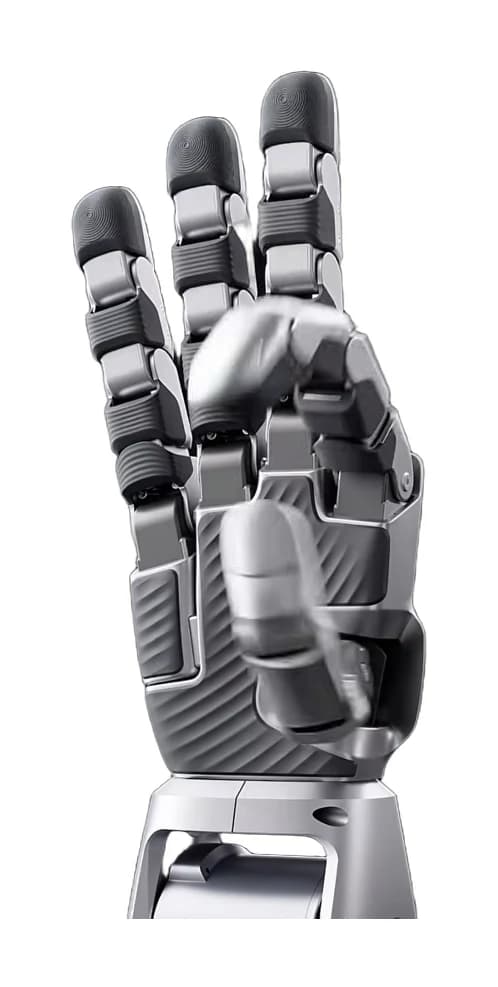
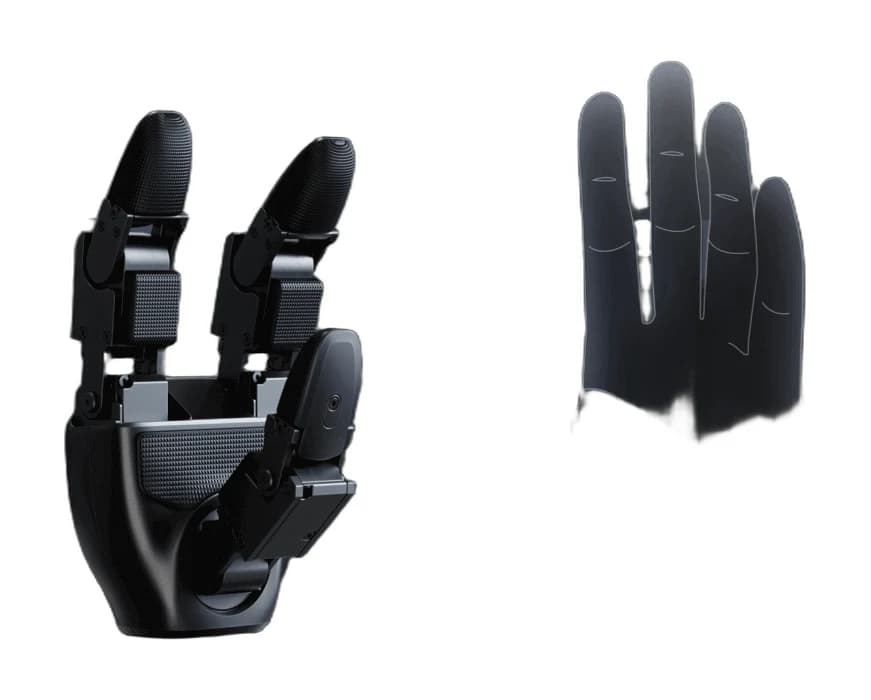
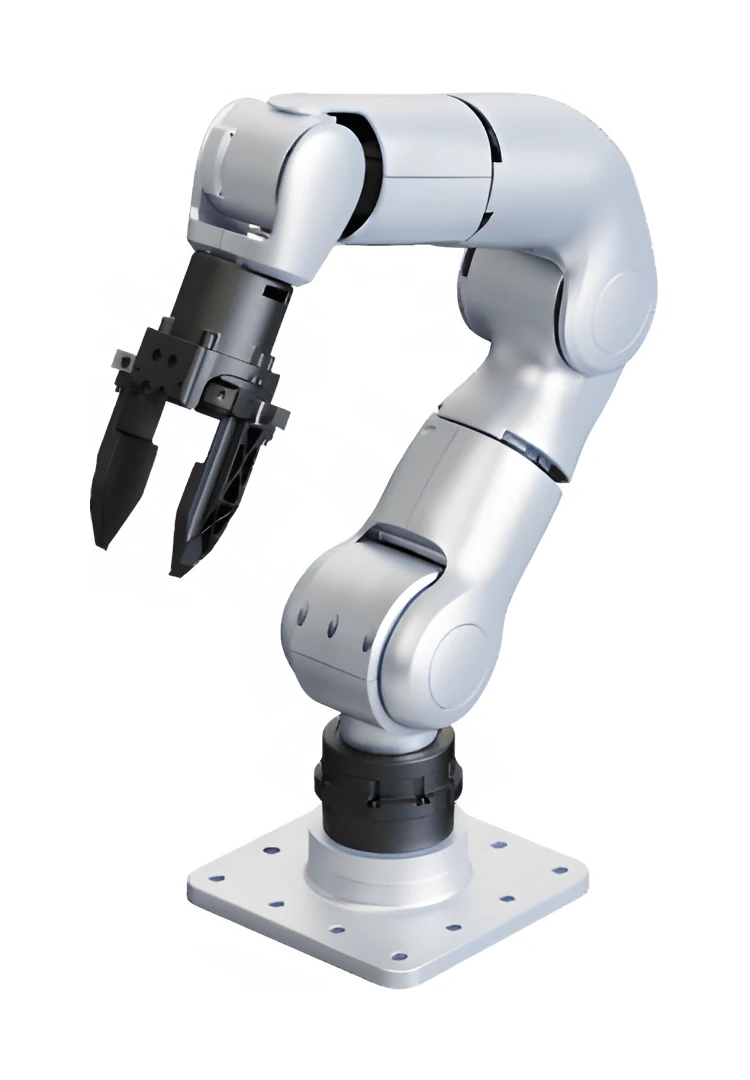
Experts call the hand 'the greatest electromechanical challenge'. A 12-22 DoF dexterous hand needs coreless micro motors, tactile sensors and miniature transmissions. A single pair runs $3,500-9,500: in some robots the hands cost more than the rest of the machine.
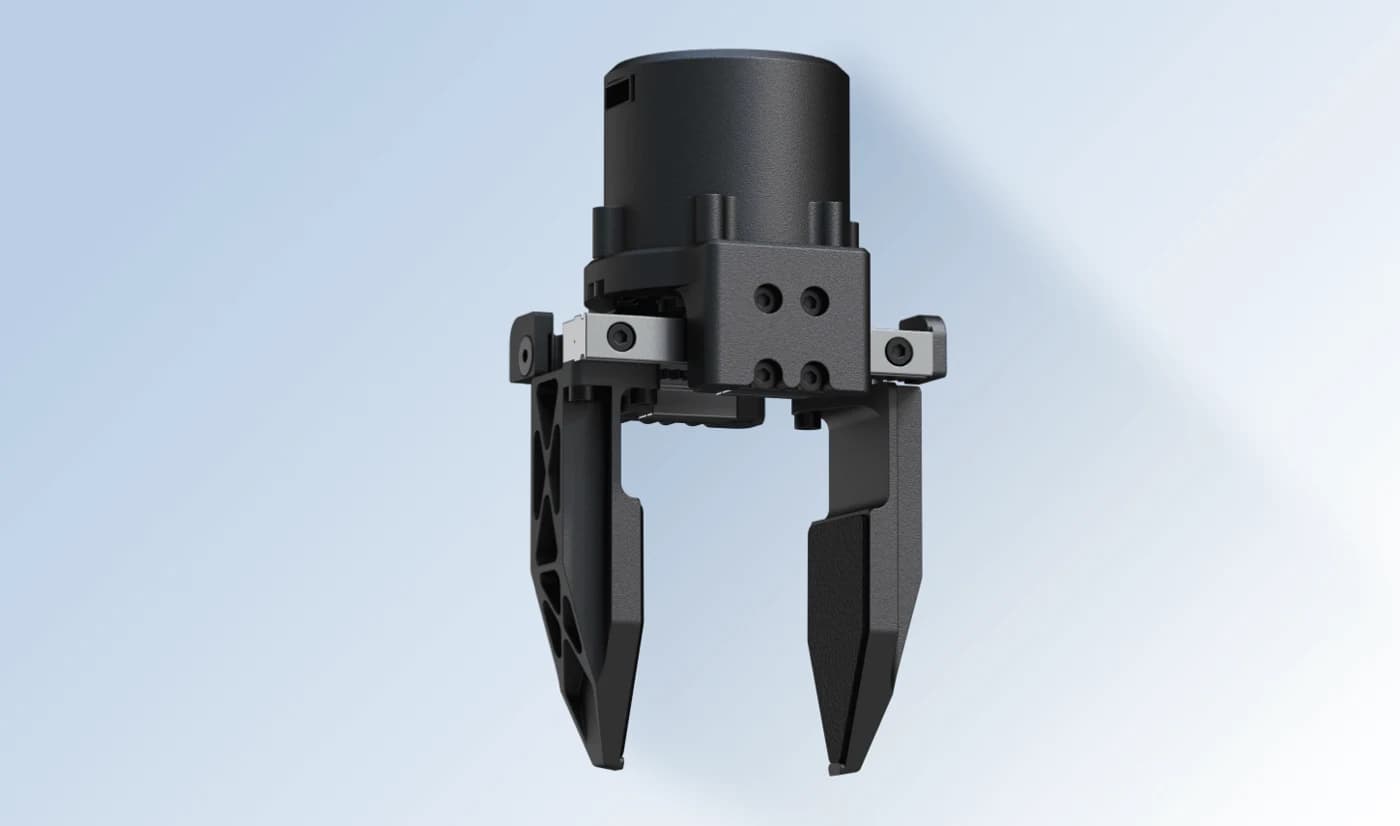
Unitree answers with modularity: the G1 can be bought without hands, then upgraded with the three-finger force-controlled Dex3-1 or the Dex1-1 gripper. A budget-constrained lab can defer the hand and cut its entry cost substantially.
Why Are AI and Battery So 'Cheap'?
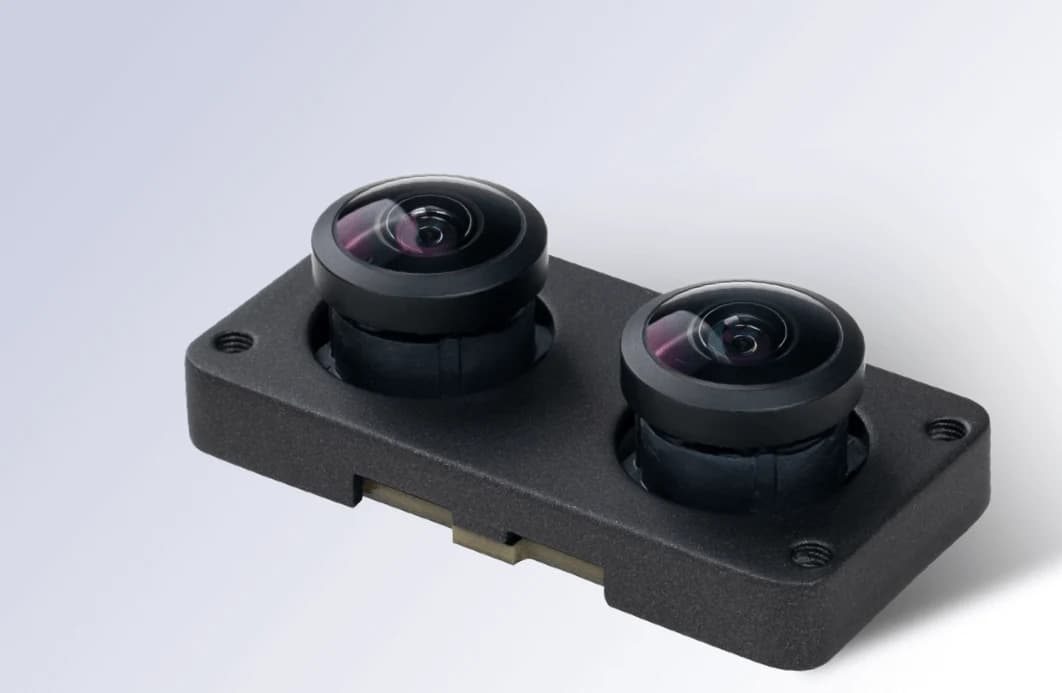
The vision + compute stack (cameras, depth sensors, edge AI processor) is only 10-15% of the total. Batteries have nearly commoditized: a 2-3 kWh pack costs a few hundred dollars, and thermal management is a similarly small line. Even the 100-157 TOPS NVIDIA Jetson Orin module in the G1 is a small share of the recipe.
The conclusion is clear: what makes the robot 'smart' is far cheaper than what makes it 'walk and grasp'. The industry's real bottleneck is not software but precision-mechanics manufacturing capacity, companies that cannot build their own actuators cannot compete on price, however good their software.
How Does This Recipe Translate to Prices in Turkey?
Understanding the BOM makes model selection easier: as degrees of freedom and actuator class rise, price follows the same curve.
| Platform | DoF | Class | Cost driver |
|---|---|---|---|
| Unitree R1 | 26 | Ultra-light entry platform | Compact actuators, modular hand option |
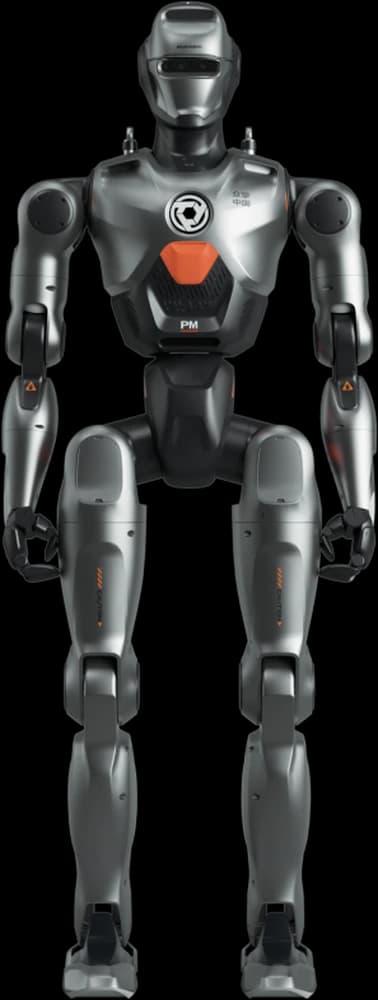
| Unitree G1 | 23-43 (EDU) | The R&D standard | Vertically integrated joints + Jetson Orin |
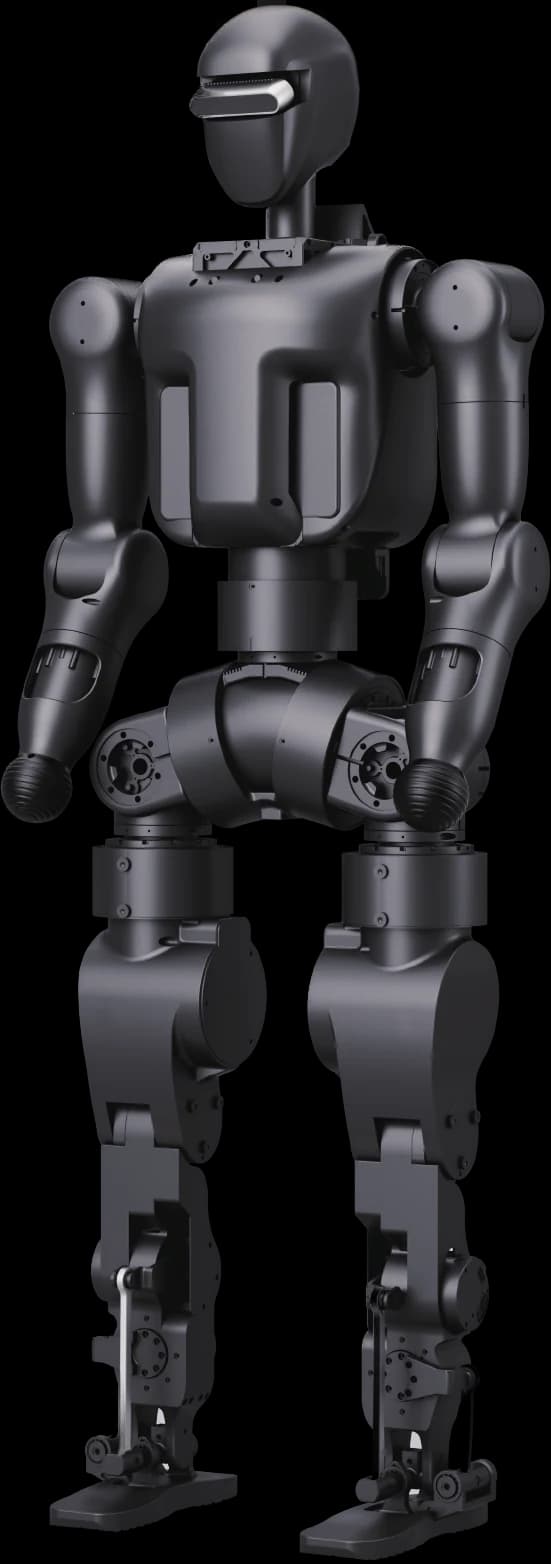
| Unitree H2 | 31 | Full-size flagship | High-torque leg actuation |
For model and variant comparison see the humanoid robot category, or use the configurator for a project-specific build.
When Will Costs Come Down?
With scale and localized production, sector forecasts see full-size humanoid BOMs falling to $13,000-20,000 in the 2030-2035 window:
Three keys to the decline: (1) vertical integration in actuator design, (2) growth of reducer and motor capacity (notably in China), (3) smarter designs doing the same work with fewer degrees of freedom. Unitree is one of the few makers pulling all three levers today: the G1 becoming its class standard is no accident.
The honest snapshot of 2026: the humanoid revolution is a precision-mechanics story before it is an AI story. To pick the right platform and configuration for your project, talk to our engineering team; demos and quotes are free.