

Body and Portability
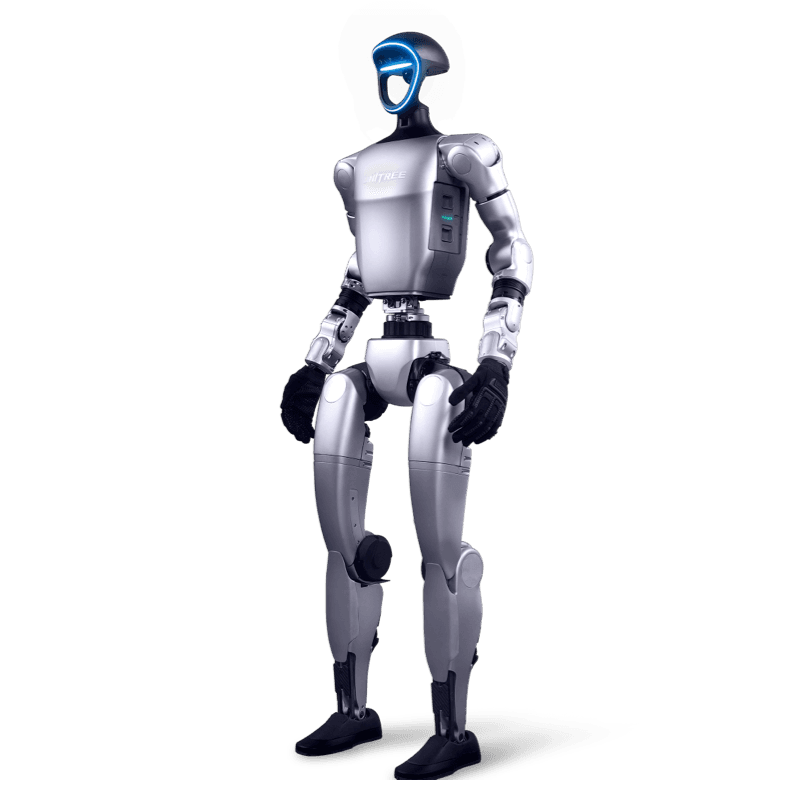
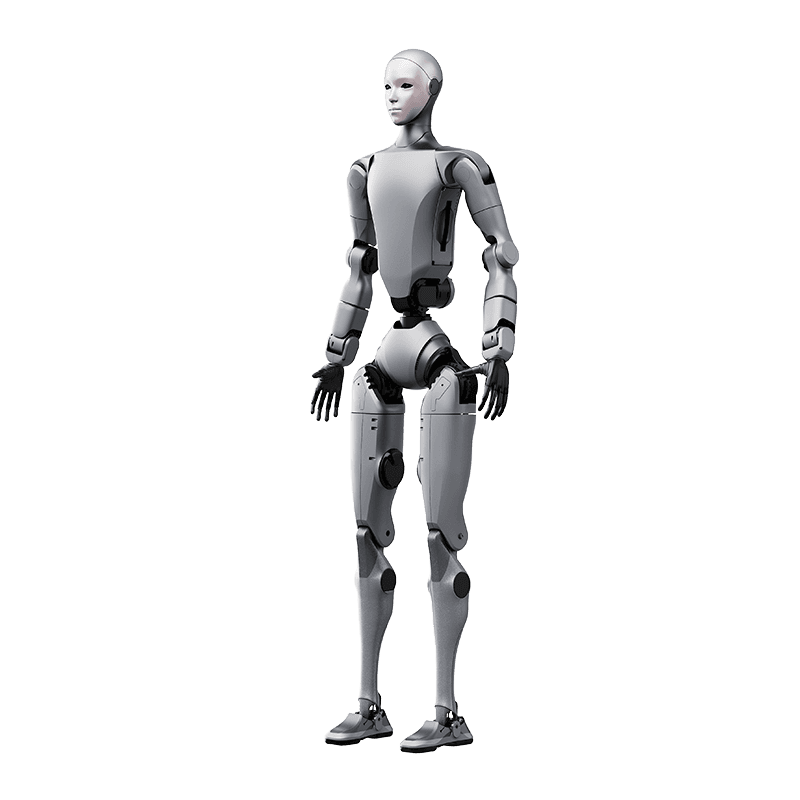
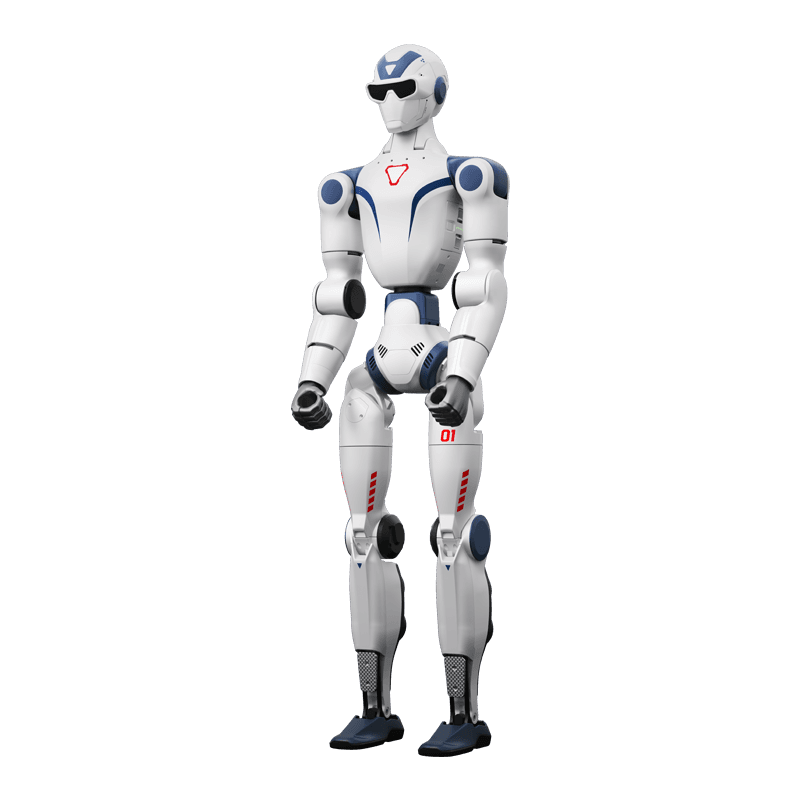
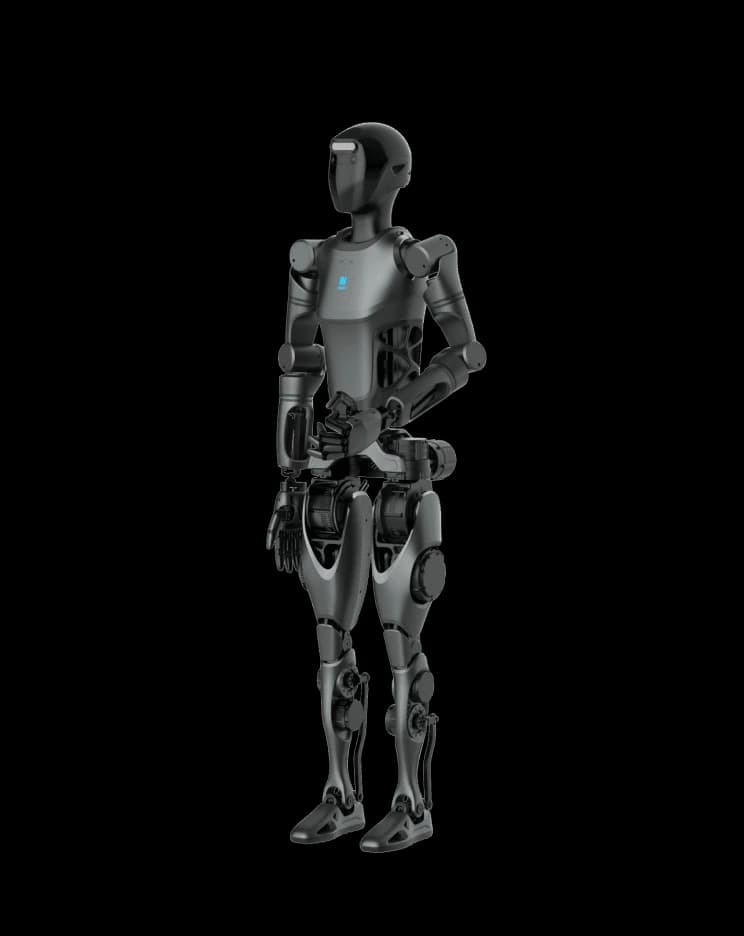
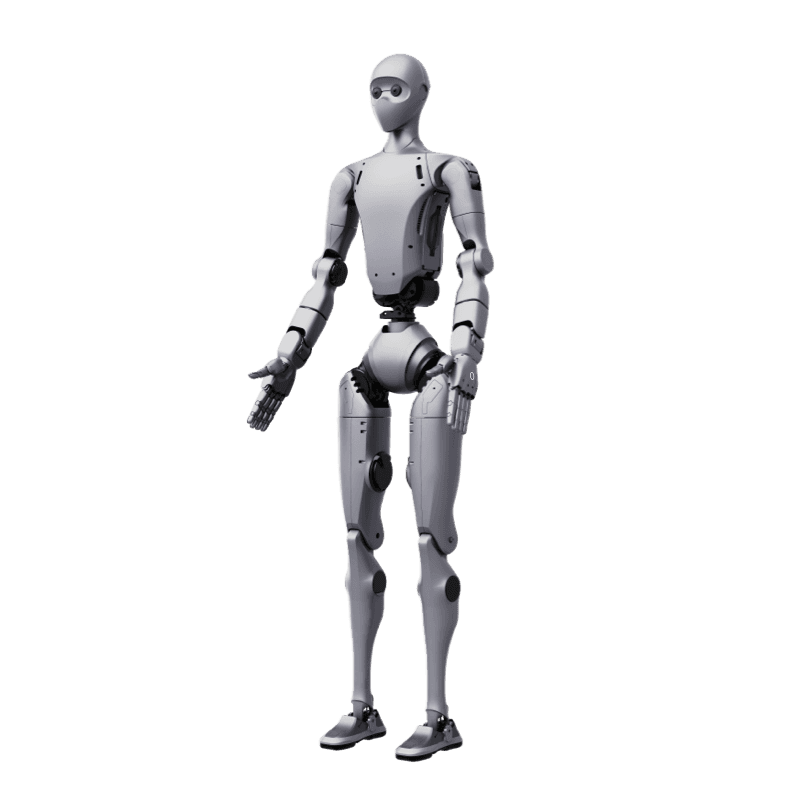
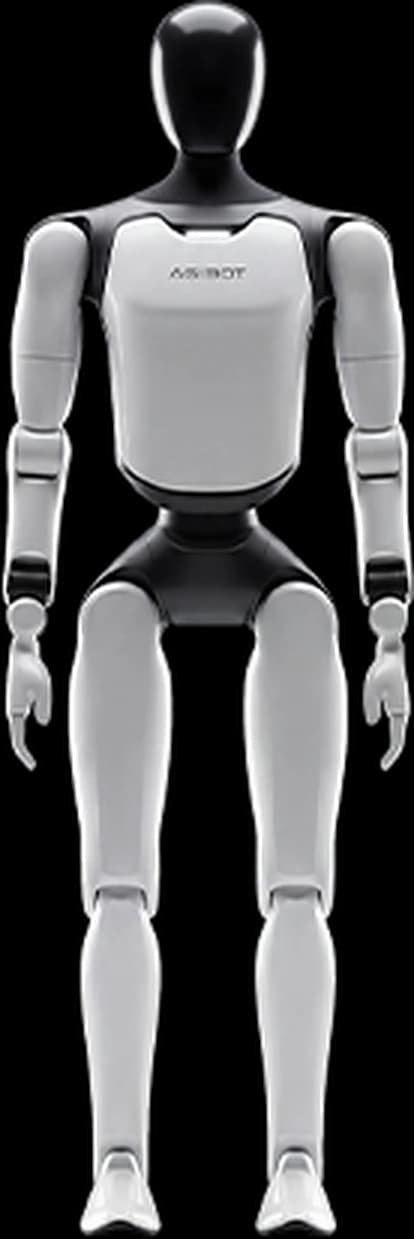
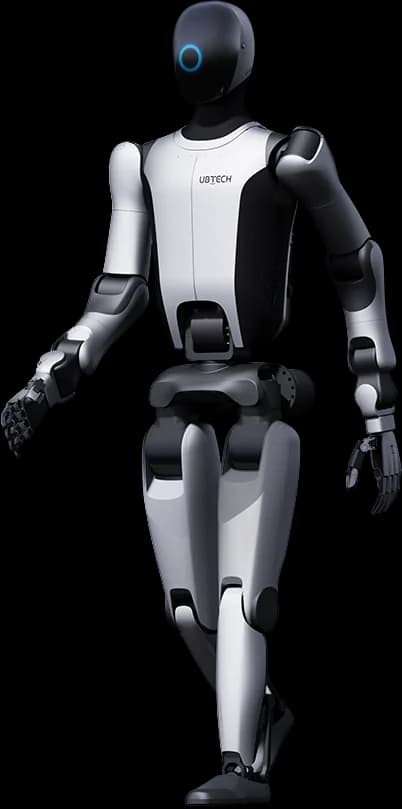
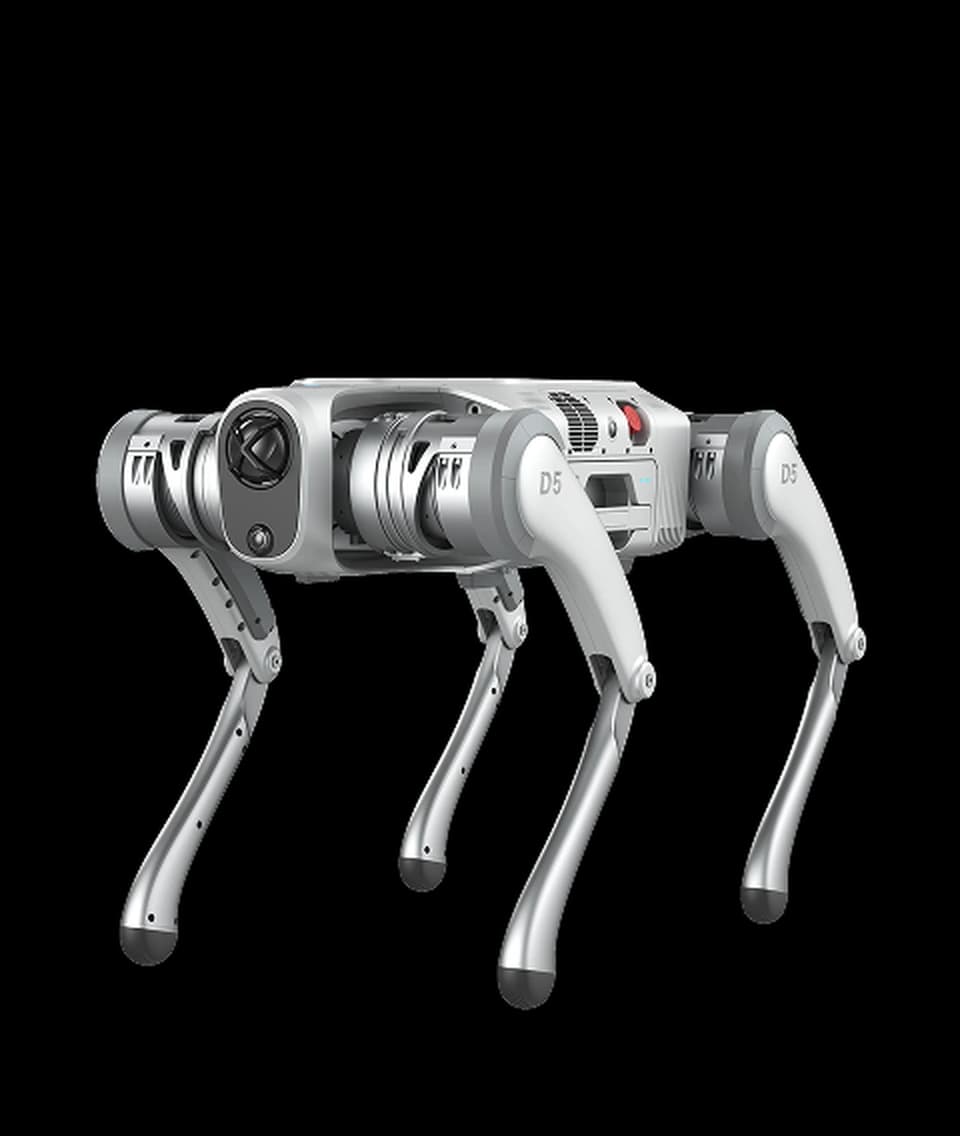
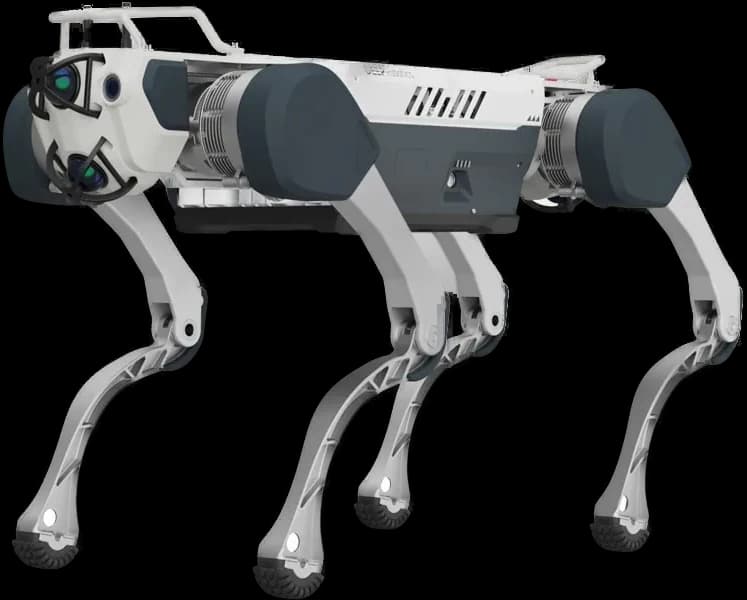
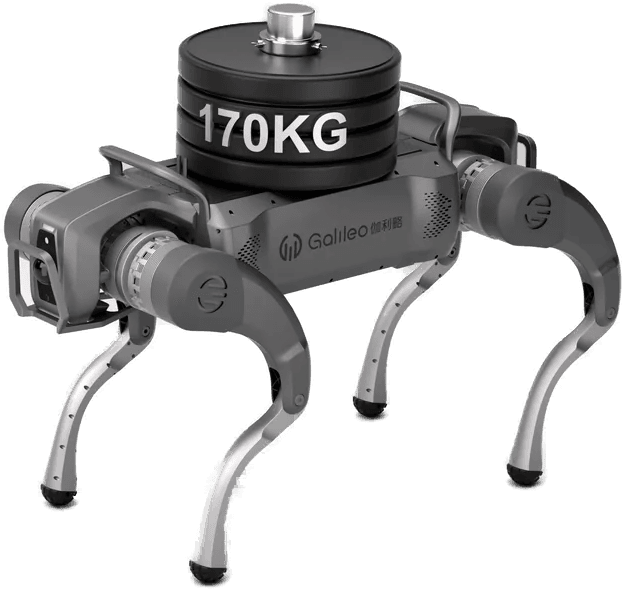
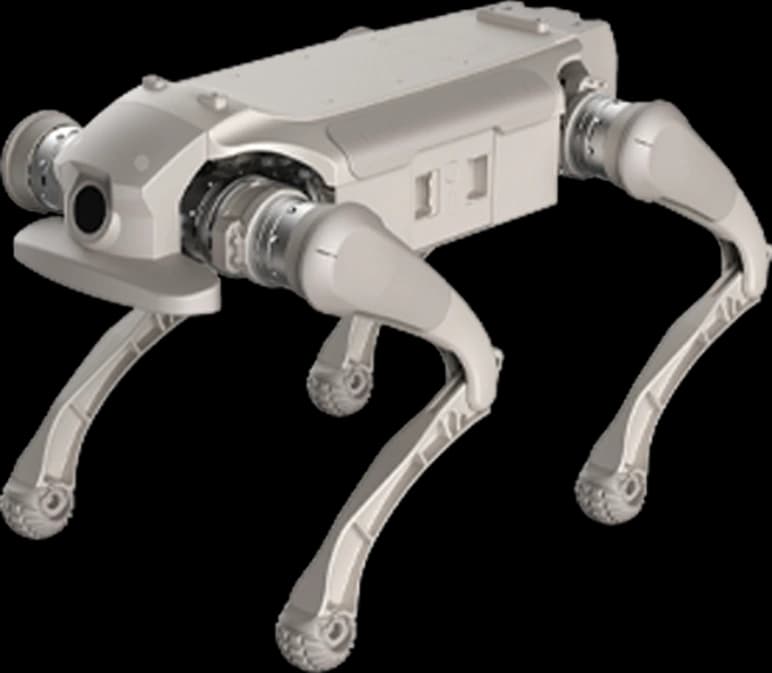
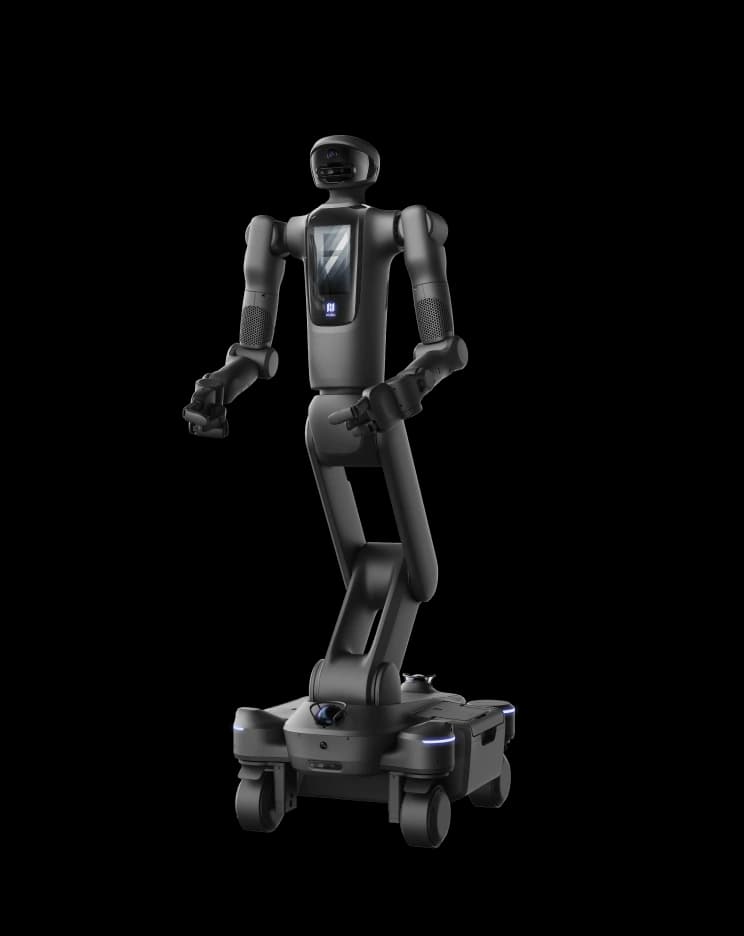
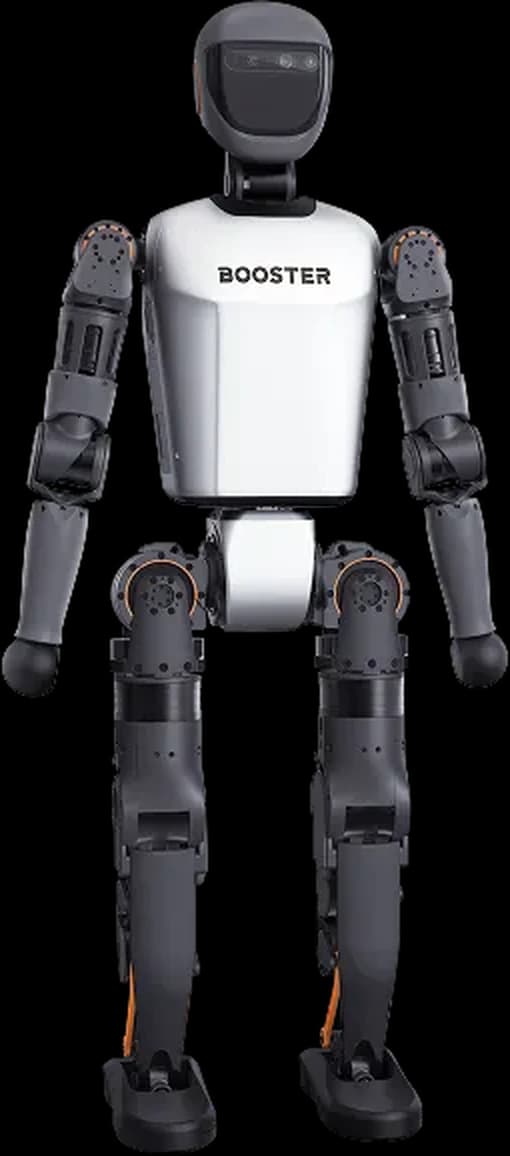
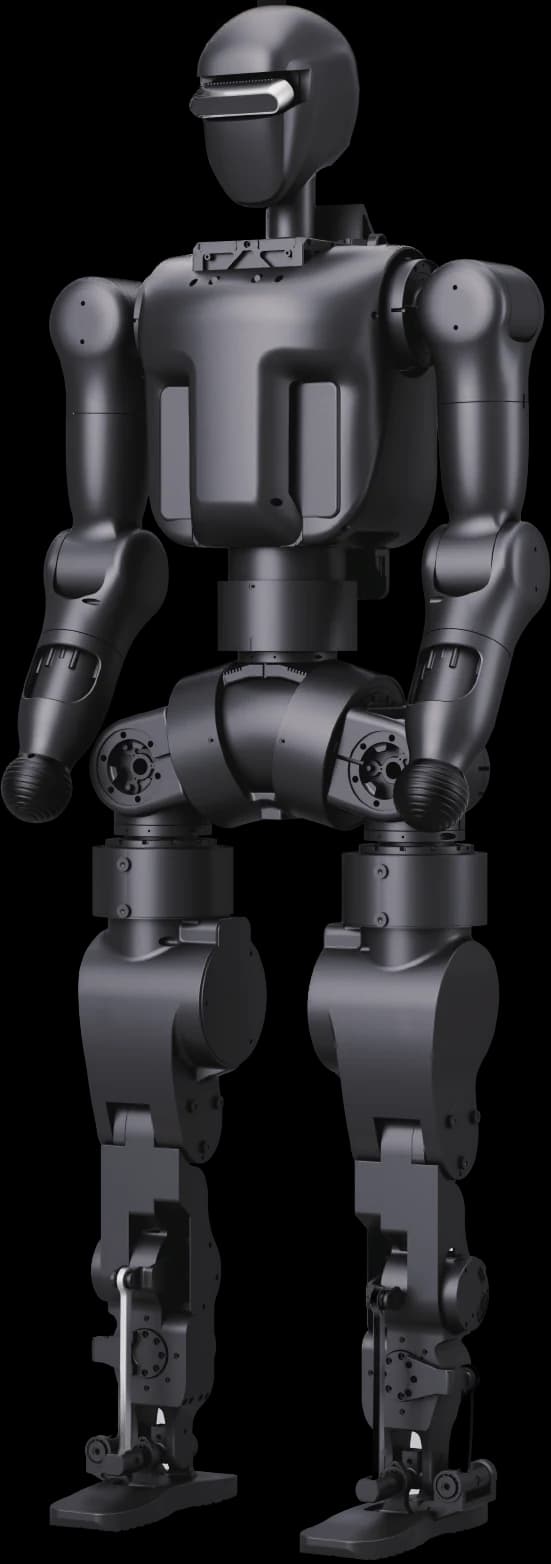
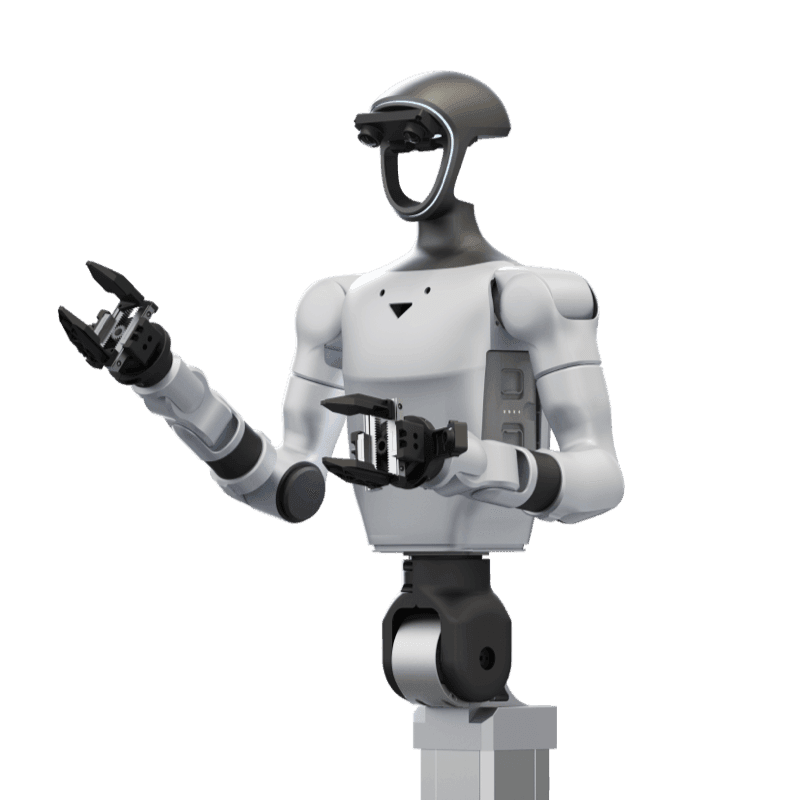
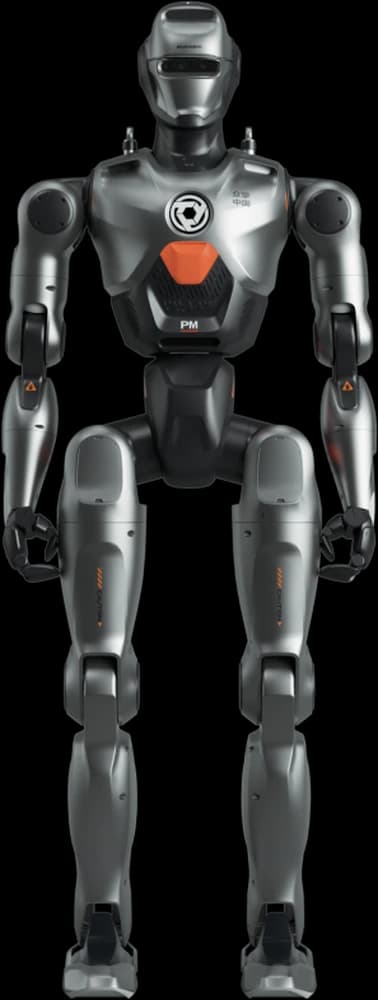
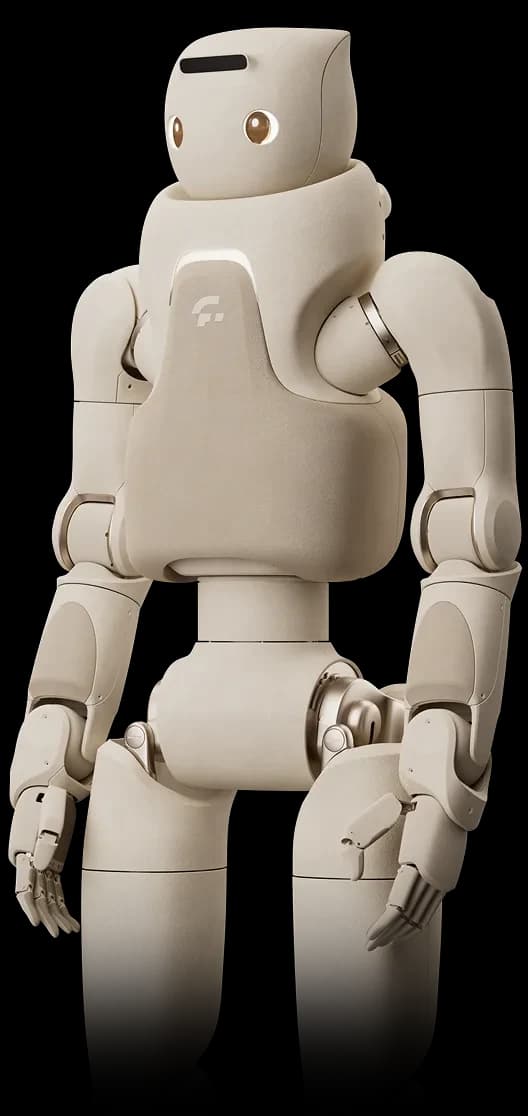
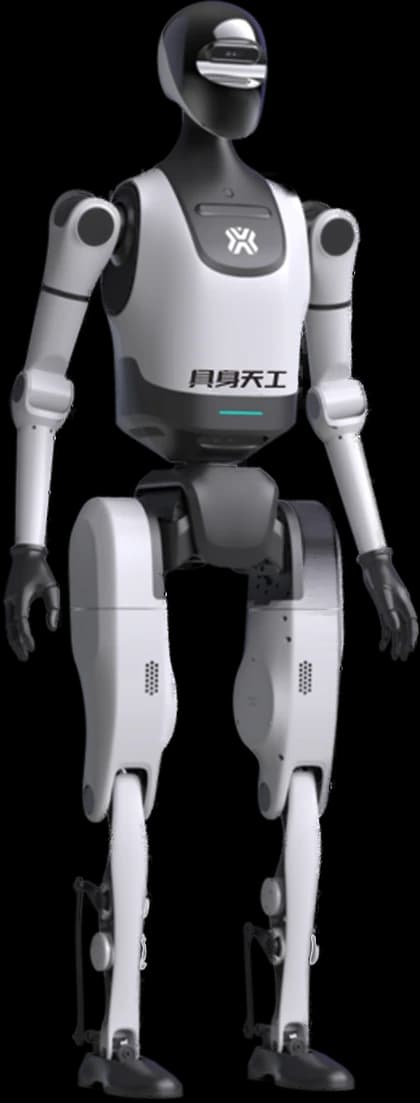
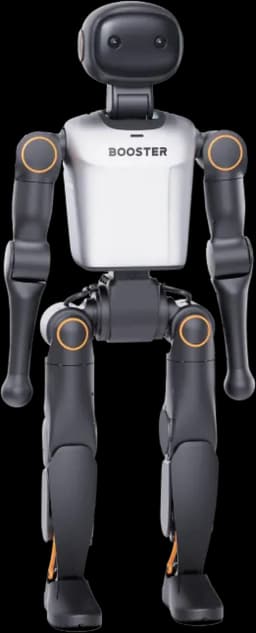
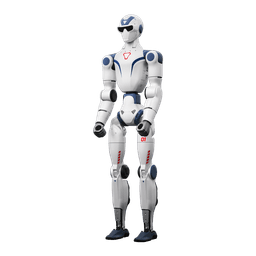
The K1 is about 95 cm tall and 19.5 kg. The R1 measures 1230 × 357 × 190 mm; the R1 AIR weighs about 27 kg and the R1 and R1 EDU about 29 kg. The K1 being 10 kg lighter makes a concrete difference at school: a teacher carries the robot from one class to the next, and the body hits the floor with less energy when it falls. The R1's body, 28 cm taller, gives a more human-scale impression in interaction demos near table and bench height.
| Measure | Booster K1 | Unitree R1 |
|---|---|---|
| Height | About 95 cm | About 123 cm |
| Weight | 19.5 kg | ~27 kg (AIR) / ~29 kg (R1, EDU) |
| Degrees of freedom | 22 | 20 (AIR) / 26 (R1) / 26-40 (EDU, with optional hand) |
| Arm / waist | 4 per arm; no waist joint | 4 per arm (AIR) or 5; waist 2 (none on AIR) |
| Peak torque | 60 N·m | No value published in the product record |
| Compute | 48 TOPS (Geek) / 117 TOPS (Education) / 200 TOPS (Professional) | 8-core CPU; optional Jetson Orin 40-100 TOPS on the R1 EDU |
| Battery and runtime | 2 Ah, ~30 min (Geek) / 5 Ah, ~80 min (Education, Professional); at 0.4 m/s walking | Quick-swap smart battery, about 1 hour |
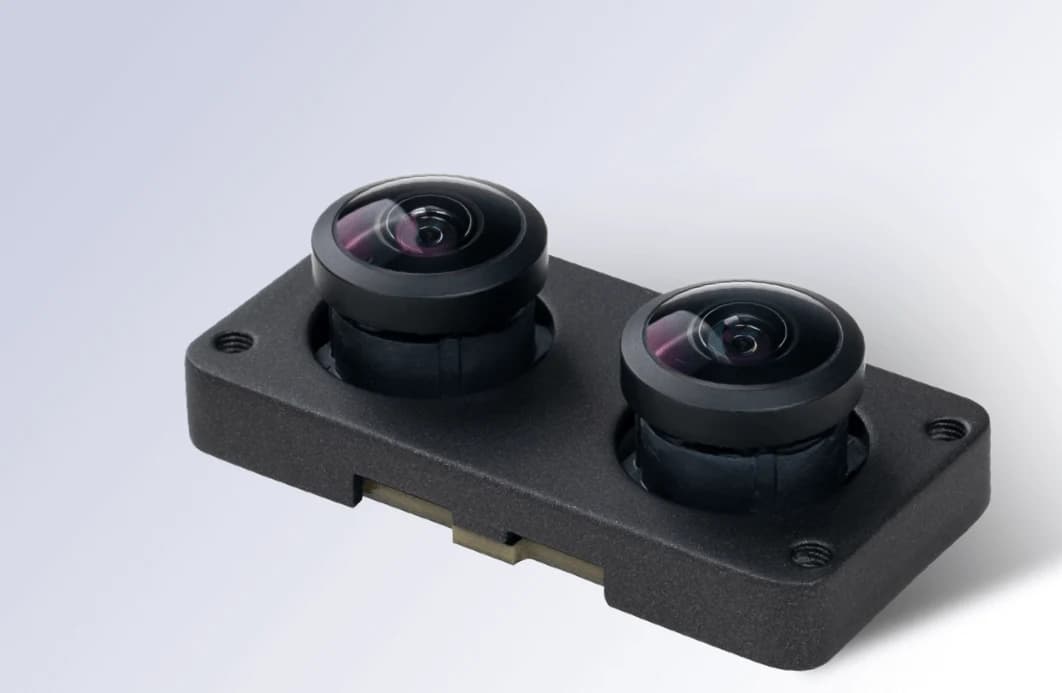
| Perception | Stereo depth camera, 9-axis IMU, 3-microphone array | Binocular camera (monocular on AIR), 4-microphone array, speaker |
| Manufacturer warranty | 3 months (Geek) / 1 year (Education, Professional) | 6 months (AIR) / 8 months (R1) / 12 months (EDU) |
Degrees of Freedom and Torque
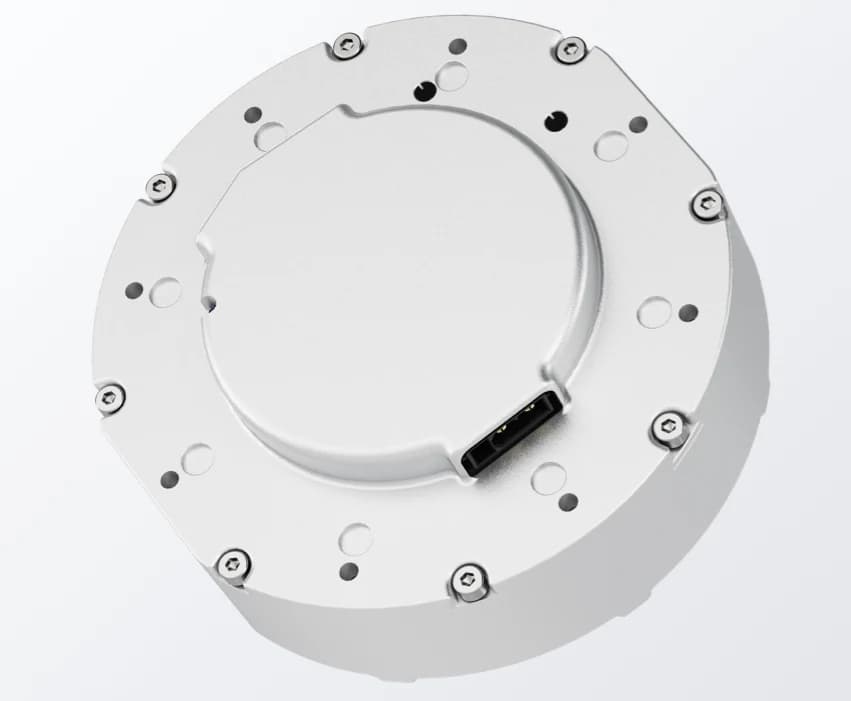
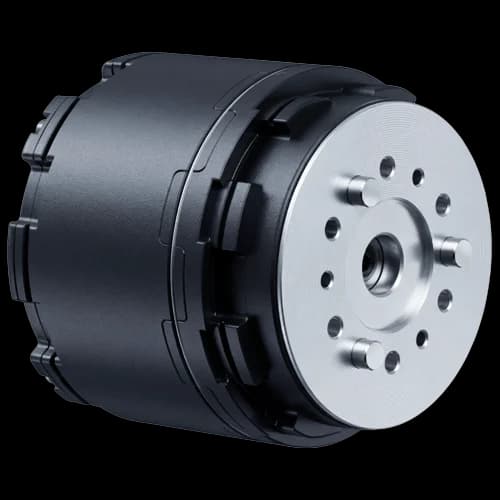
The K1's 22 degrees of freedom are 6 per leg, 4 per arm and 2 in the head; there is no waist joint. The joints produce 60 N·m peak torque and carry dual encoders; for a 19.5 kg body that is a high torque-to-weight ratio, and it is what drives fast weight shifts, turns and kicks.
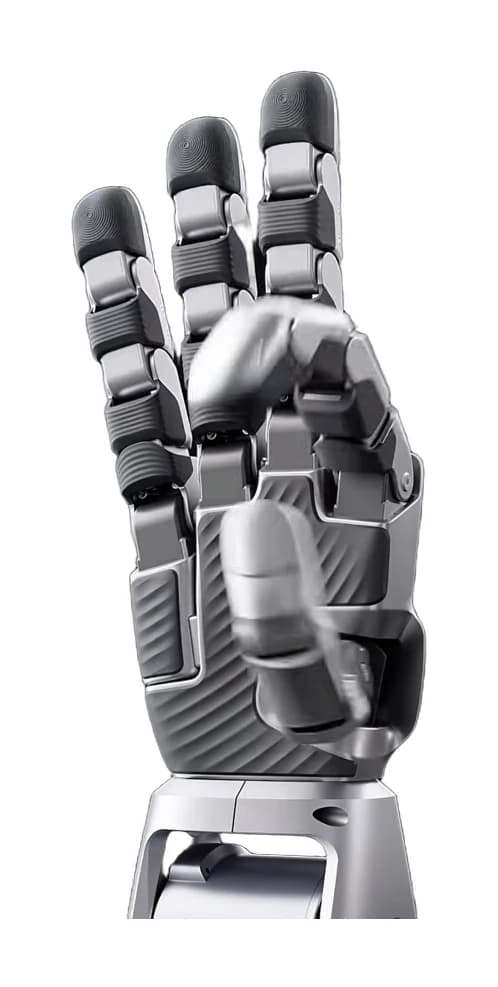
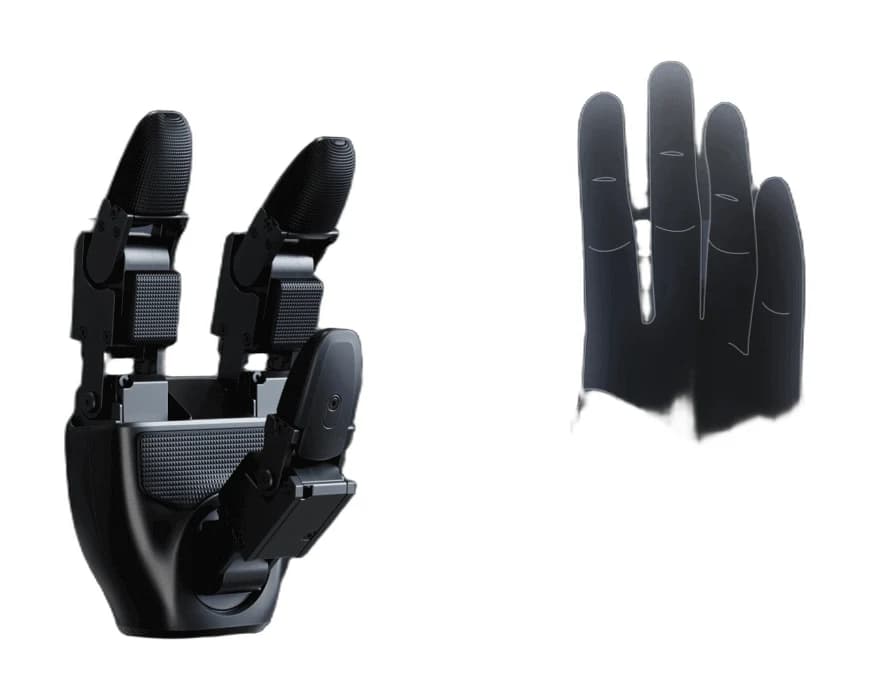
The R1 comes with 20, 26 or 26-40 degrees of freedom depending on edition; the R1 and R1 EDU have 2 waist axes, which let the torso turn independently of the legs. On the hand and arm side, the R1 EDU offers a wider expansion path. The K1's strength is dynamic motion and football; the R1's is torso flexibility and the hand option.
Compute and Development Access
The three K1 editions share the same body, joints and torque; they differ in compute and battery: Geek 48 TOPS, Education 117 TOPS, Professional 200 TOPS. The Booster SDK and Booster Gym are the same software stack on every K1; 48 TOPS is enough to run pre-trained policies, 200 TOPS enough for vision-based inference on the robot.
On the R1, standard compute is an 8-core processor; secondary development is supported on the R1 EDU, which can take an optional NVIDIA Jetson Orin (40-100 TOPS) module. If you plan a course or lab where students run their own code on the robot, compare the K1 Education/Professional against the R1 EDU.
Battery and Lesson Length
The K1 Education and Professional run for about 80 minutes at 0.4 m/s walking on a 5 Ah battery, which covers more than a class period. The Geek edition gets about 30 minutes from 2 Ah. The R1 gives about 1 hour from a quick-swap smart battery, and the swap itself is short; with a spare pack a workshop day can run without a break. On both models runtime drops with the perception and motion load running on top.
Teaching Scenario: Which Lesson Fits Which Robot?
For middle and high school workshops built around visible outcomes, such as walking, dance, football and a first command in Python, the K1's light body and long lesson time are practical advantages; the K1 is also the body used in RoboCup's small and middle-size humanoid categories. For curriculum and edition choice see the Booster K1 educational robot guide.
At university, if voice interaction, multimodal models and hand manipulation trials come first, the R1 EDU's expansion path fits better.
Pricing Pages
Neither manufacturer publishes an open list price; both quote by configuration. We have collected edition differences and quote scope separately on the Booster K1 pricing page and the Unitree R1 pricing page.
Supply in Turkey
Robotlar.org is an authorized distributor of Booster Robotics products in Turkey. The K1 is invoiced in Turkey; the scope covers a proforma including taxes and freight, on-site commissioning, teacher and developer training, a 1-year warranty on the Education and Professional editions and authorized service. Lead time is stated in the quote.
On the R1 side, Robotlar.org, the Unitree Turkey Partner, handles supply and installation.
The Decision
If you want a light body that moves between classrooms, suits dynamic lessons such as football and dance, offers compute that scales by edition and lasts a long lesson, choose the Booster K1. If a taller body, a waist rotation axis and a hand expansion path matter more, choose the R1 EDU. If you are considering a step up in body size, see our Booster K1 and T1 comparison.