
Body and Handling: 19.5 kg and 30 kg
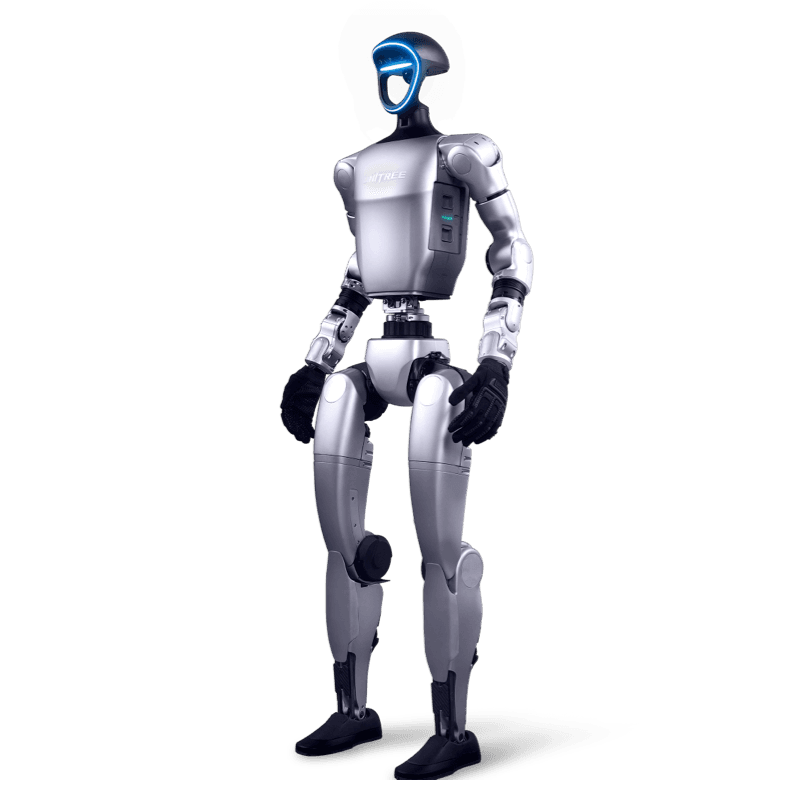
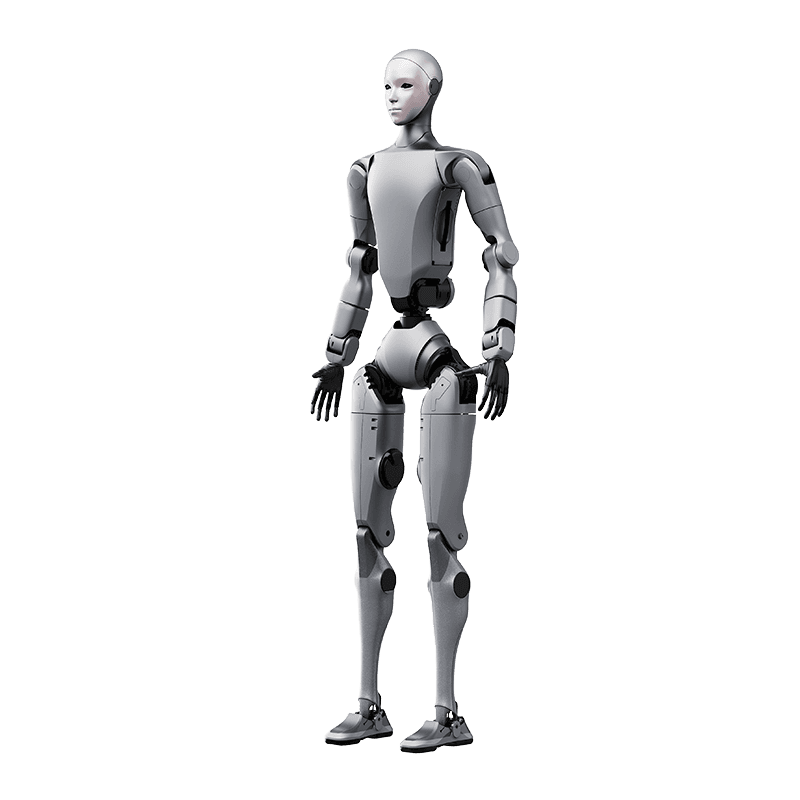
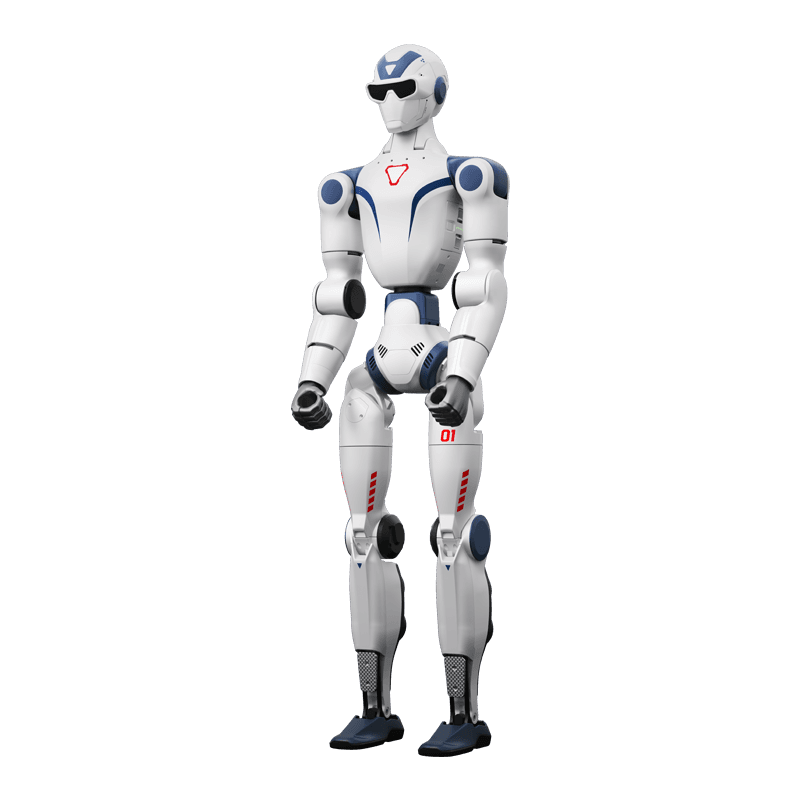
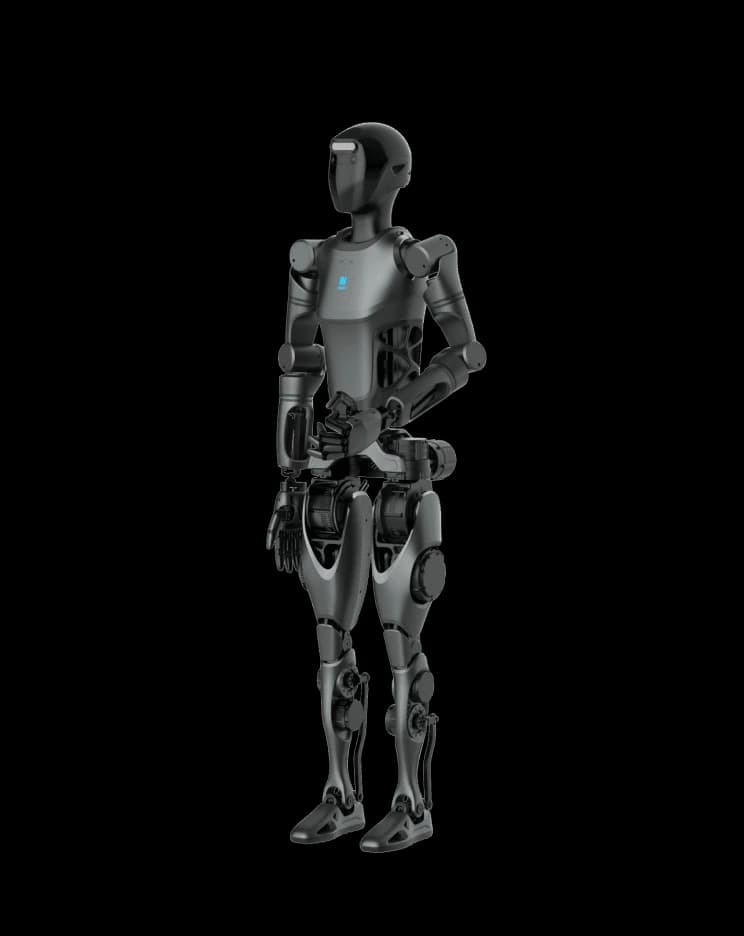
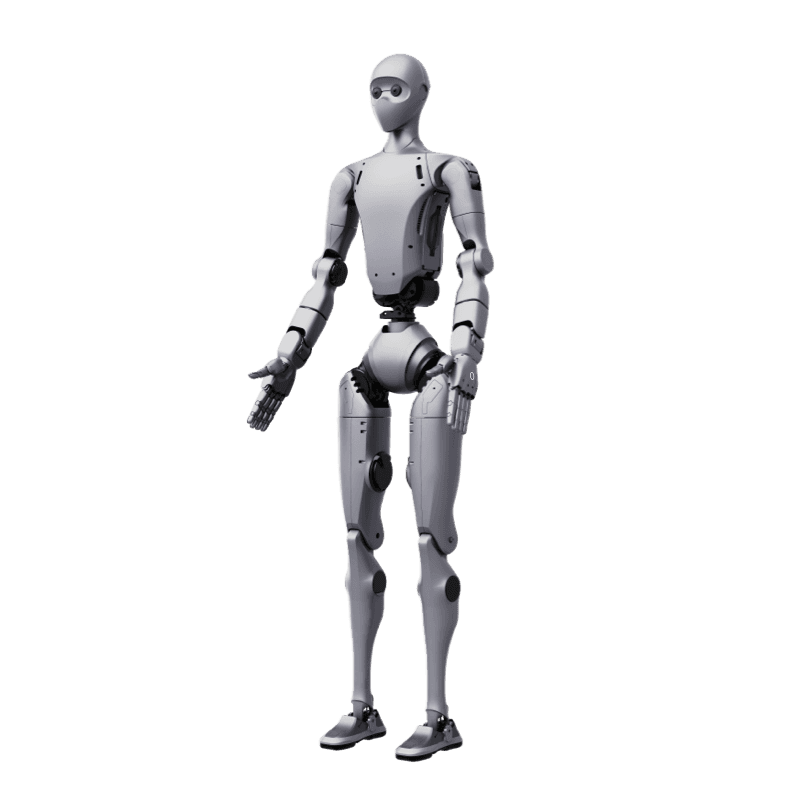
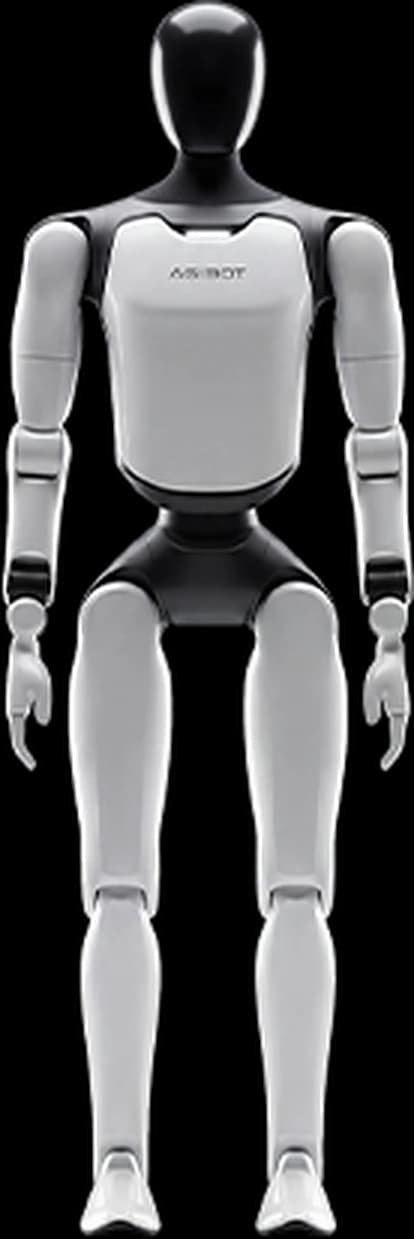
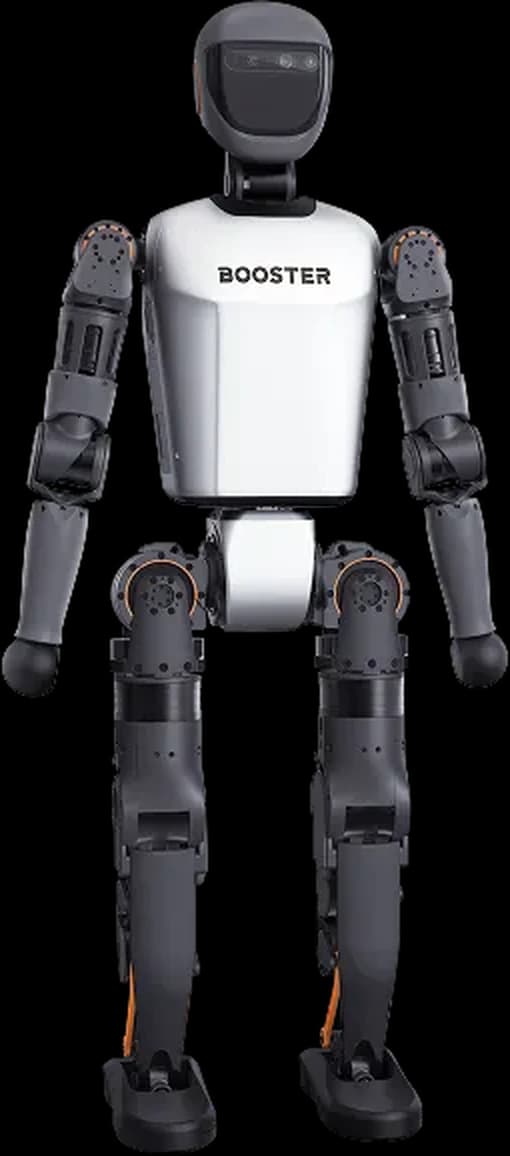
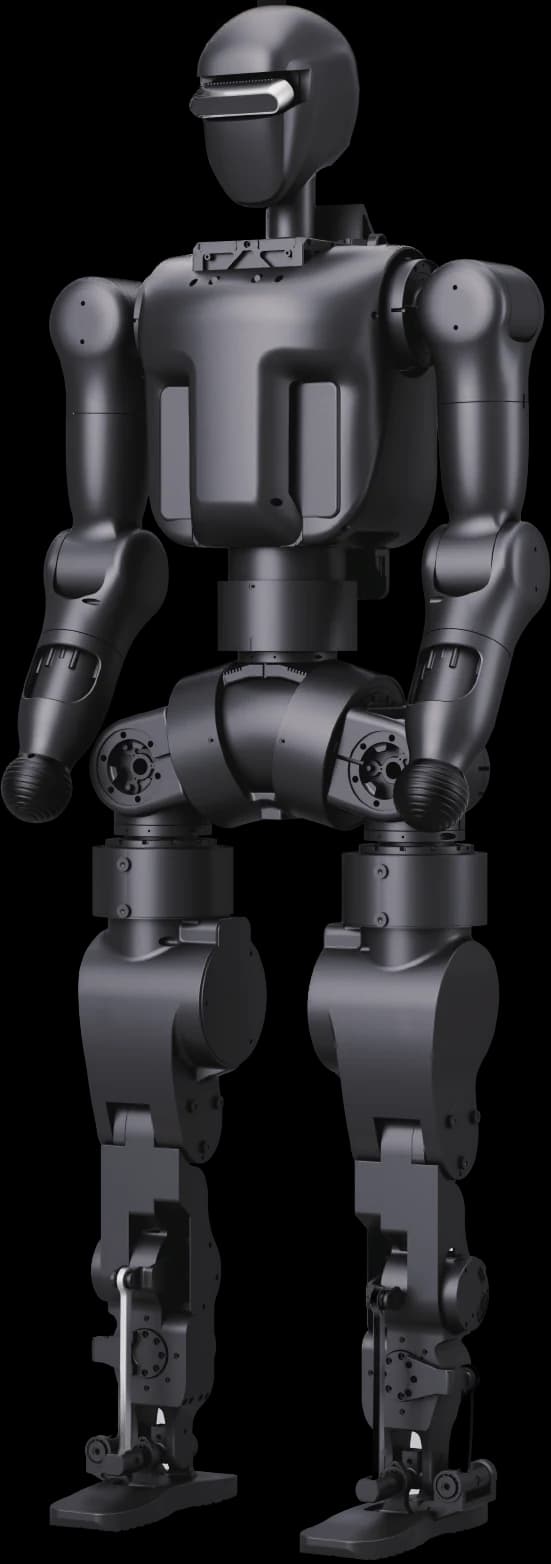
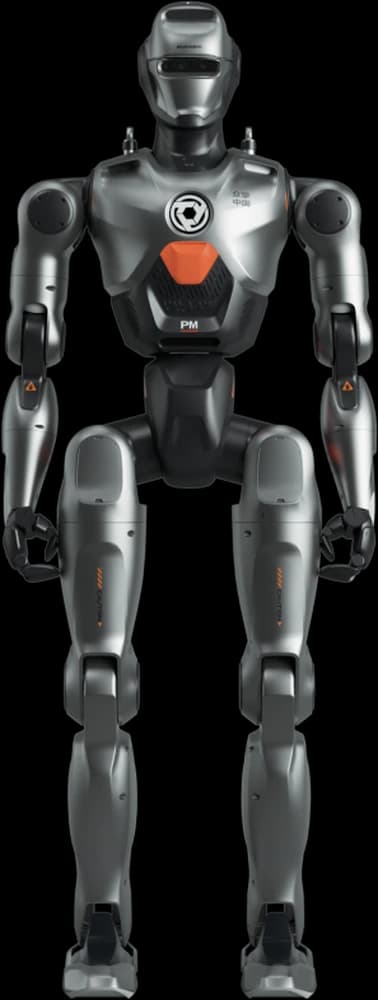
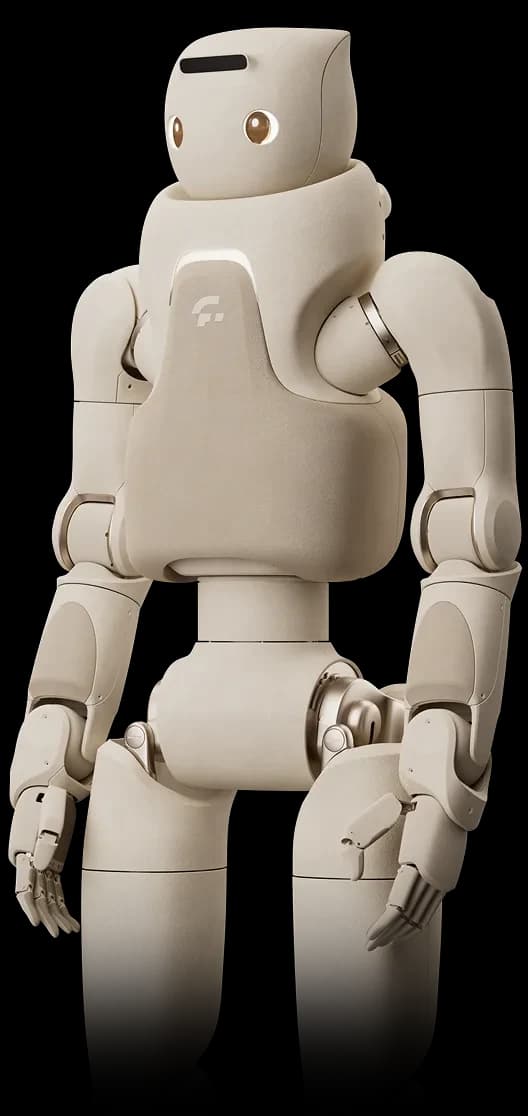
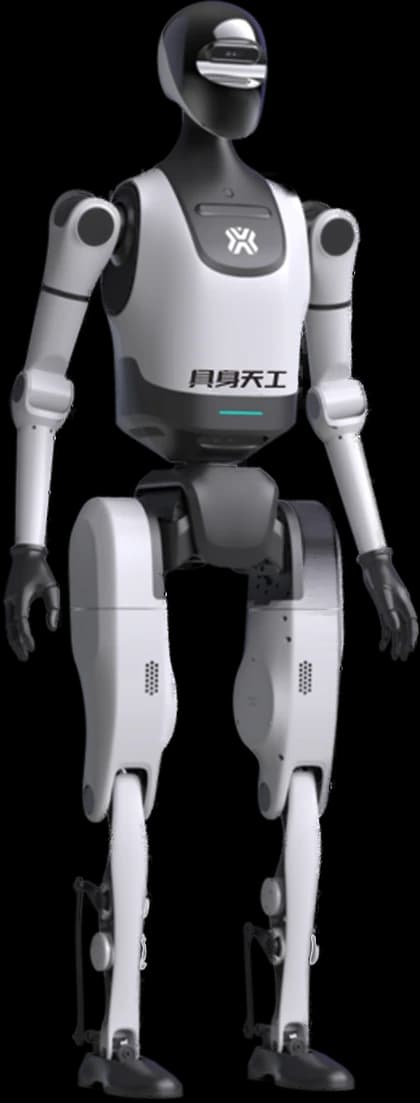
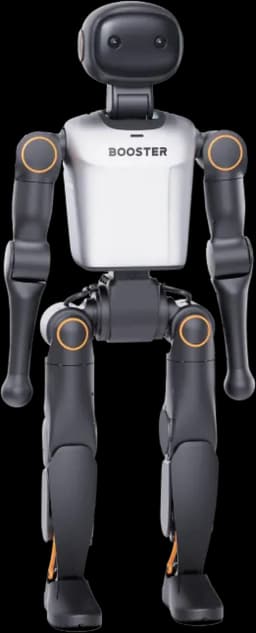
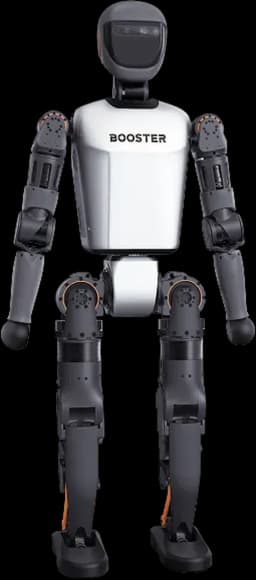
The K1 is about 95 cm and 19.5 kg; a teacher carries it between classrooms alone. The T1 is 118 × 47 × 23 cm and about 30 kg; it is better to plan two people and a stand or gantry for moving and setting it up. Fall energy grows with weight too; in a busy classroom the K1's lightness is also a safety advantage.
| Measure | Booster K1 | Booster T1 |
|---|---|---|
| Height / weight | ~95 cm / 19.5 kg | 118 cm / ~30 kg |
| Degrees of freedom | 22 (leg 6, arm 4, head 2; no waist) | 23 / 31 / 41 (waist 1) |
| Peak torque | 60 N·m | 130 N·m |
| Compute | 48 / 117 / 200 TOPS (Geek / Education / Professional) | AGX Orin 200 TOPS; added Intel i7 1370p on Standard/Customized |
| Battery | 2 Ah ~30 min (Geek) / 5 Ah ~80 min (Education, Professional) | 10.5 Ah; 2 h walking, 4 h standing |
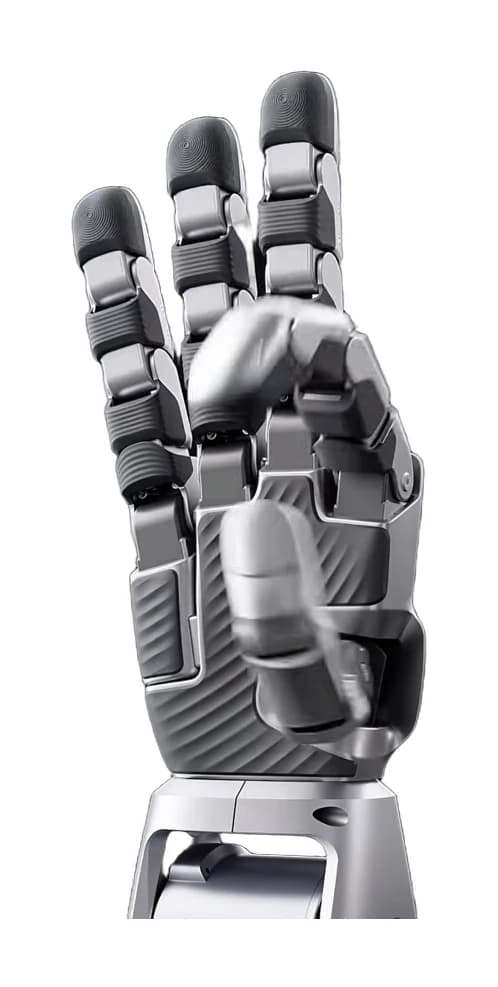
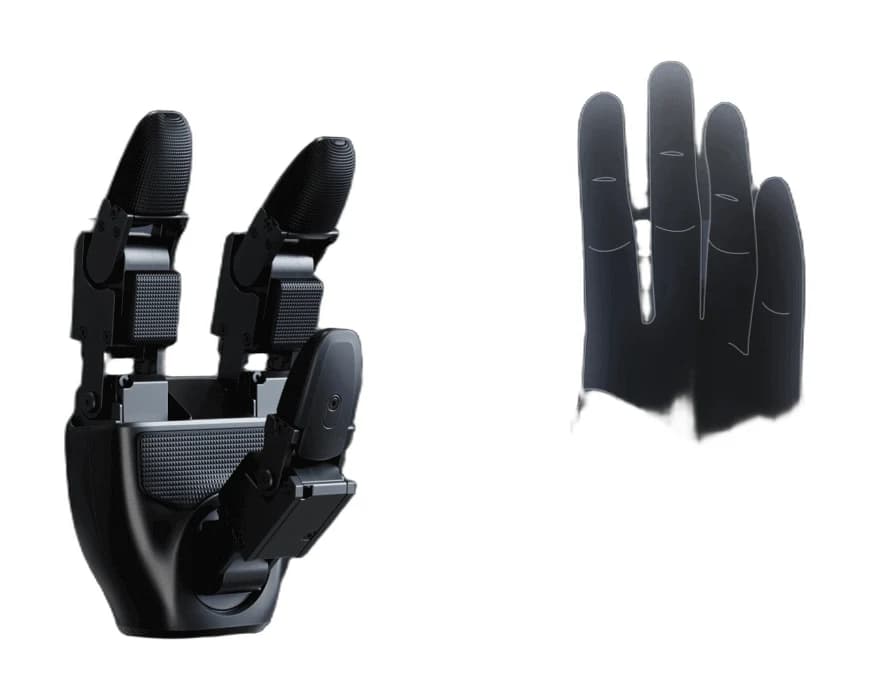
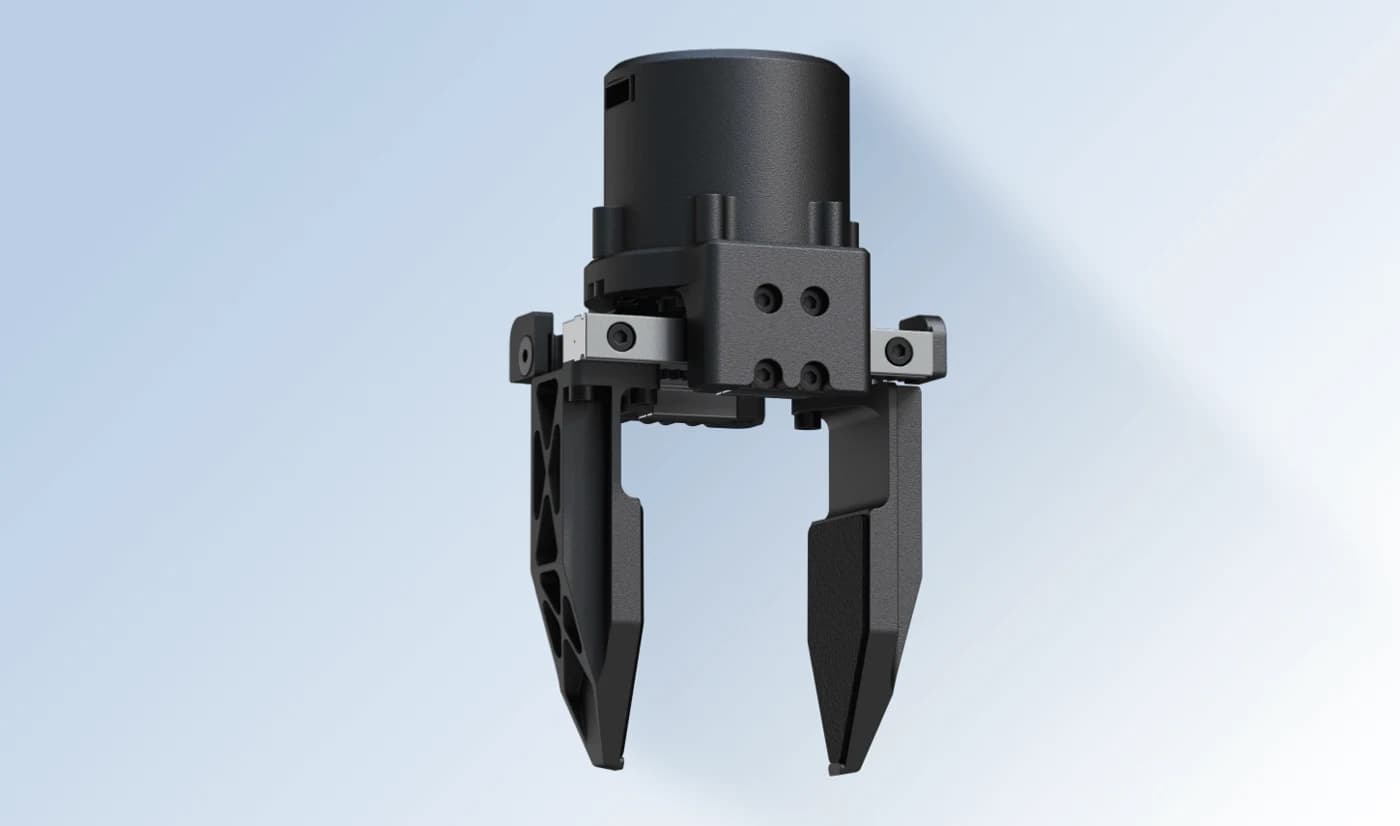
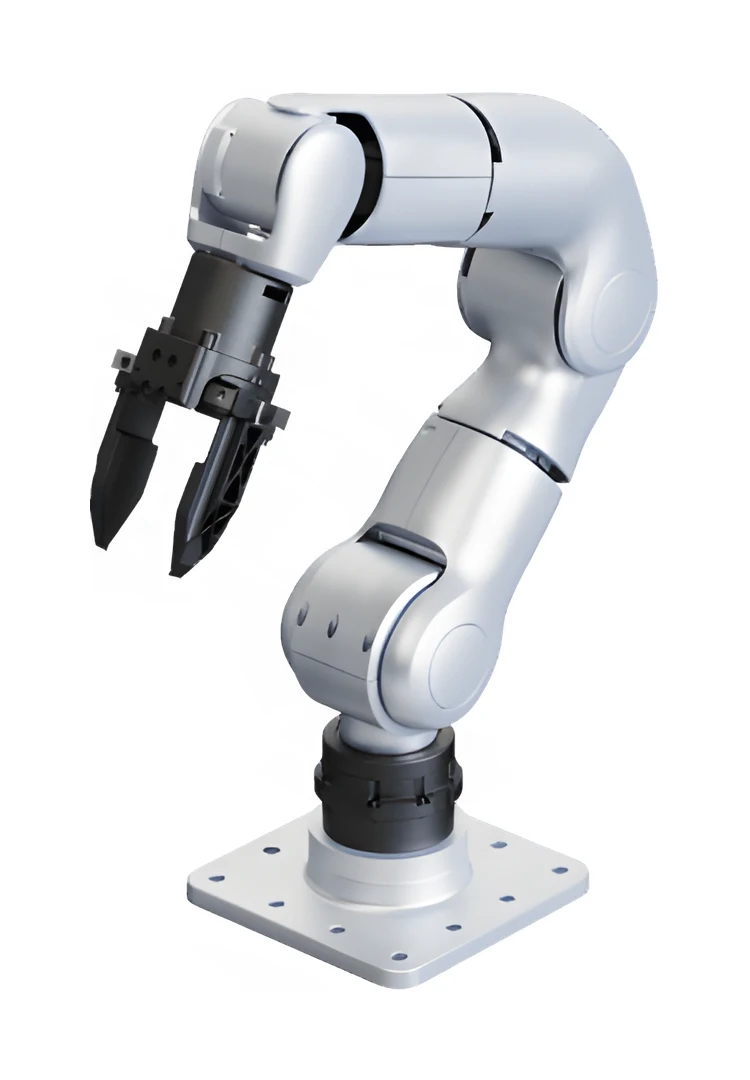
| Hand option | None | Gripper or 6-axis dexterous hand |
| Manufacturer warranty | 3 months (Geek) / 1 year (Education, Professional) | 1 year |
Degrees of Freedom and Torque
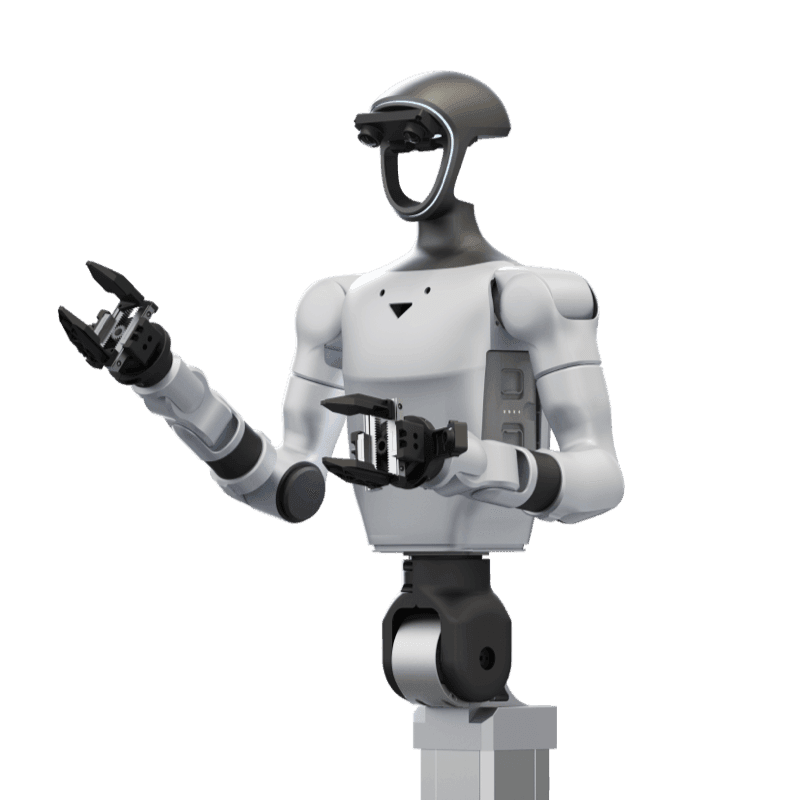
The K1 has 22 degrees of freedom and no waist joint; the T1 base body has 23 and a 1-axis waist. The real difference is the end effector: the T1 rises to 31 with a gripper and 41 with a dexterous hand, while the K1 has no hand option. On torque, the T1's 130 N·m peak is more than twice the K1's 60 N·m; besides carrying the heavier body, that means harder kicks and stronger push recovery.
Compute Tiers
On the K1, compute grows with the edition: Geek 48 TOPS, Education 117 TOPS, Professional 200 TOPS. On the T1, all three editions carry the 200 TOPS AGX Orin; the difference is the Intel i7 1370p added on the Standard and Customized editions. So the K1 Professional and the T1 meet in the same AI performance class; they differ in body, torque and hand option.
Battery and Usage Time
The K1 Education and Professional run about 80 minutes at 0.4 m/s walking on 5 Ah, the Geek about 30 minutes on 2 Ah. The T1 offers about 2 hours of walking and 4 hours standing on 10.5 Ah. For a lesson, 80 minutes is usually enough; long experiment sessions and match days call for the T1's runtime or a spare battery plan.
Which RoboCup Category?
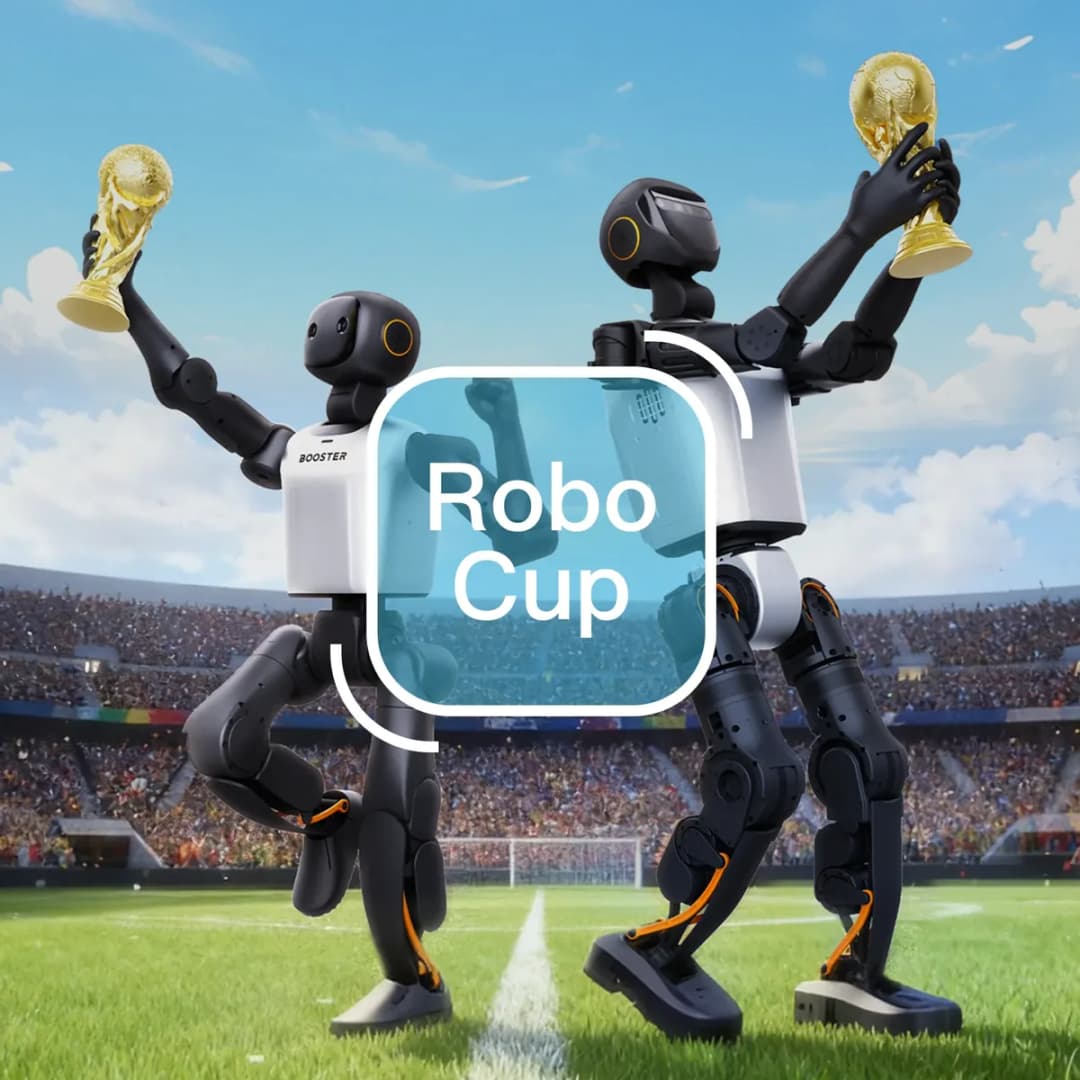
In the RoboCup humanoid league the K1 is used in the small and middle-size categories and the T1 in the large-size category. In 2025 the categories were called KidSize and AdultSize: Tsinghua's Hephaestus won AdultSize with the T1, and according to Booster the top two places in KidSize went to the K1-based HTWK and Tsinghua TH-MOS teams. According to Booster's 9 July 2026 announcement, in 2026 B-Human won the Middle category with the K1 and Tsinghua Hephaestus won the Large category with the T1, while Invic, champion of the Small category, used what Booster calls the K1 Air. Team-building details are in our humanoid football robot guide.
Software: The Same Stack
The K1 and T1 use the same Booster SDK, the same ROS 2 interface package and the same open-source RoboCup match software (robocup_demo); the soccer mode in the SDK (kSoccer) is defined in the header for the K1 and T1. On the reinforcement learning side, Booster Gym ships ready for the T1, and the Isaac Lab based booster_train supports the K1 and T1. A workflow learned on the K1 carries over to the T1; see the SDK guide and the Booster Gym guide.
The Decision
For schools, high school workshops, a first humanoid lab or RoboCup's small and middle categories, choose the Booster K1; for lesson scenarios see the K1 education guide. For university research, large-size RoboCup, hand manipulation and long experiment sessions, choose the Booster T1.
Robotlar.org is an authorized distributor of Booster Robotics products in Turkey; for the K1 and T1, the proforma, commissioning, training, warranty and authorized service are handled in Turkey. Ordering steps are in the buying guide.