
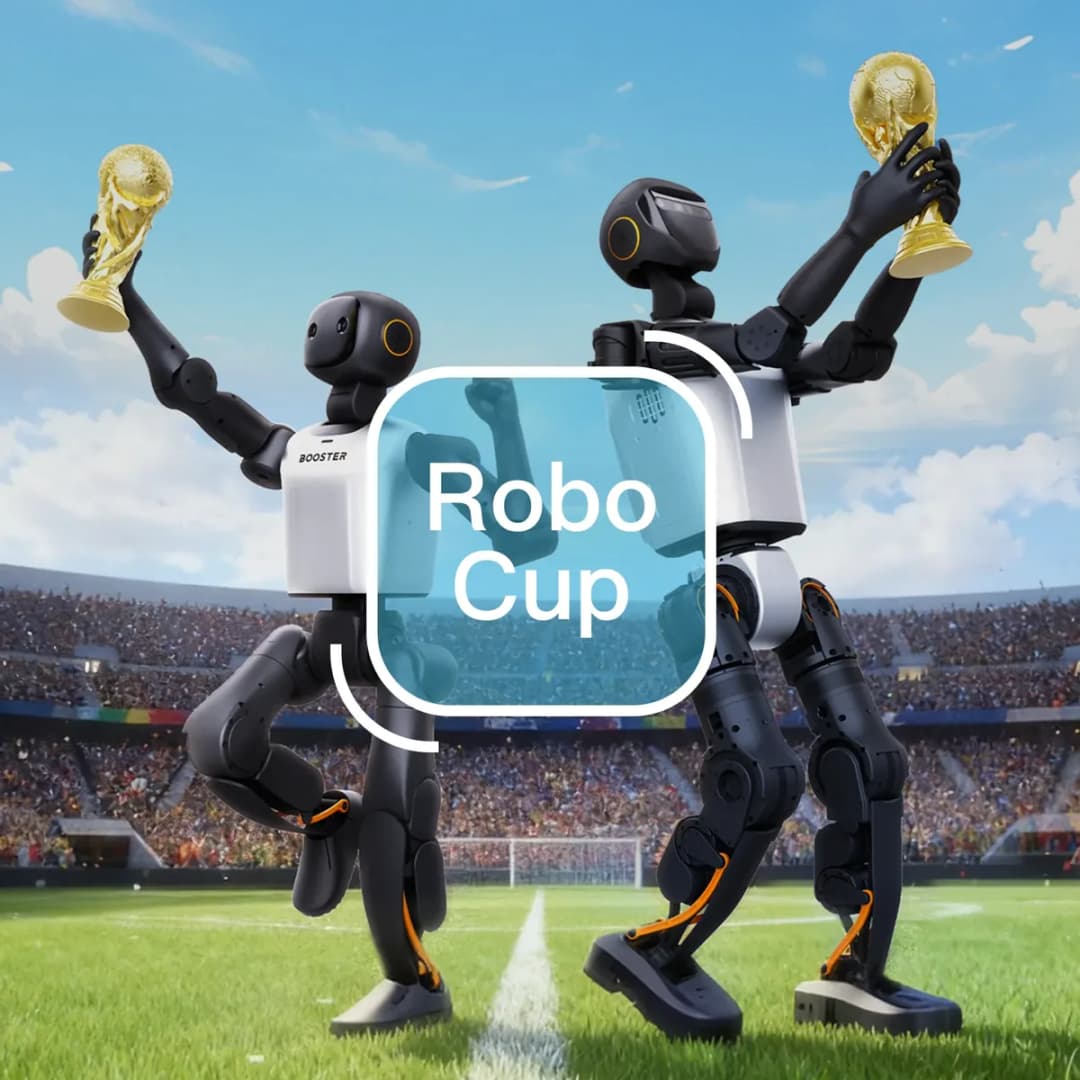

What Is the RoboCup Humanoid League?
RoboCup is an international robotics tournament held since the late 1990s; the Humanoid League is the league where fully autonomous, two-legged robots with human-like bodies play football. There is no human intervention during a match: the robot finds the ball, goals, field and opponents with its own perception, and reads referee decisions from the GameController packets broadcast by the referee computer on the field.
For years the league was played in KidSize and AdultSize categories by robot height. In Booster's 9 July 2026 announcement the 2026 categories are called Small, Middle and Large. Category limits, team size and communication rules are updated every year; the binding document is that year's official rule set.
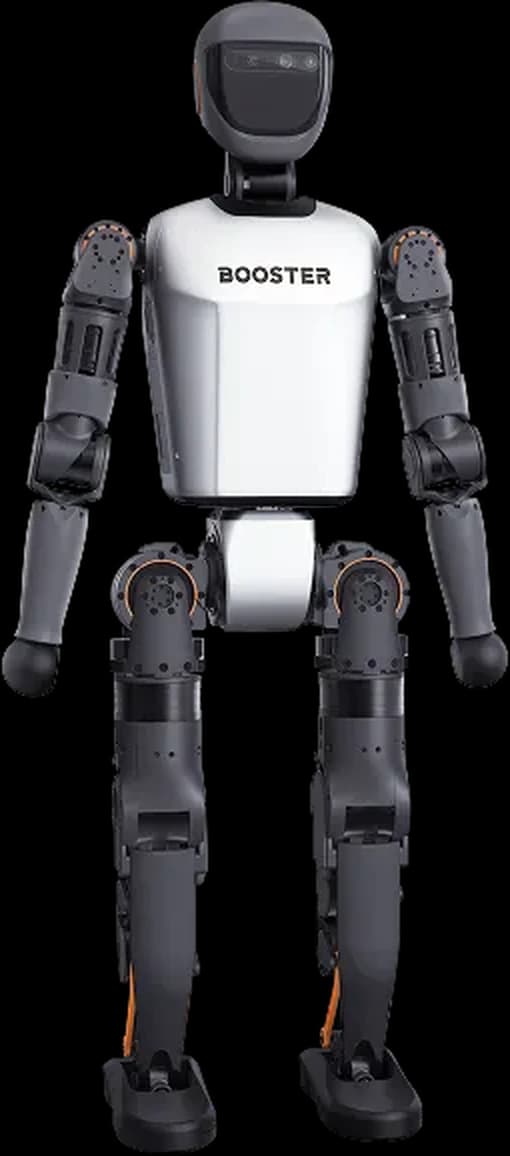
Booster Robotics became an official partner of the RoboCup Federation in December 2024. For a Turkish-language background read, see TÜBİTAK Bilim Teknik's article on humanoid robot sports.
What Should a Humanoid Football Robot Have?
- Falling and getting up: In a match the robot falls, collides and has to get up by itself. The body must withstand impacts and the software needs a reliable get-up motion. The Booster SDK has GetUp and LieDown commands and a separate data channel for fall state (rt/fall_down).
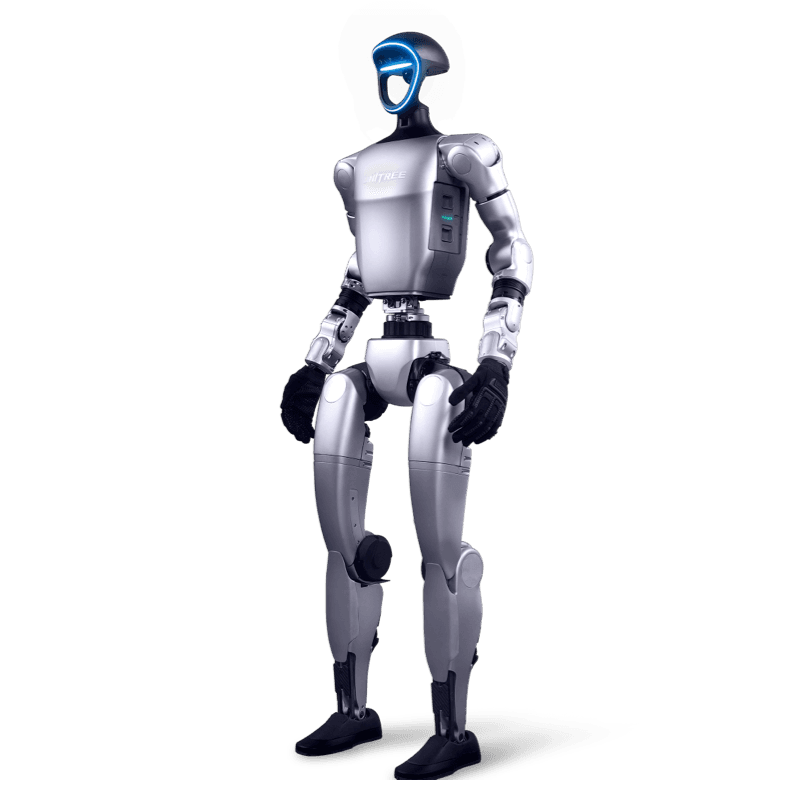
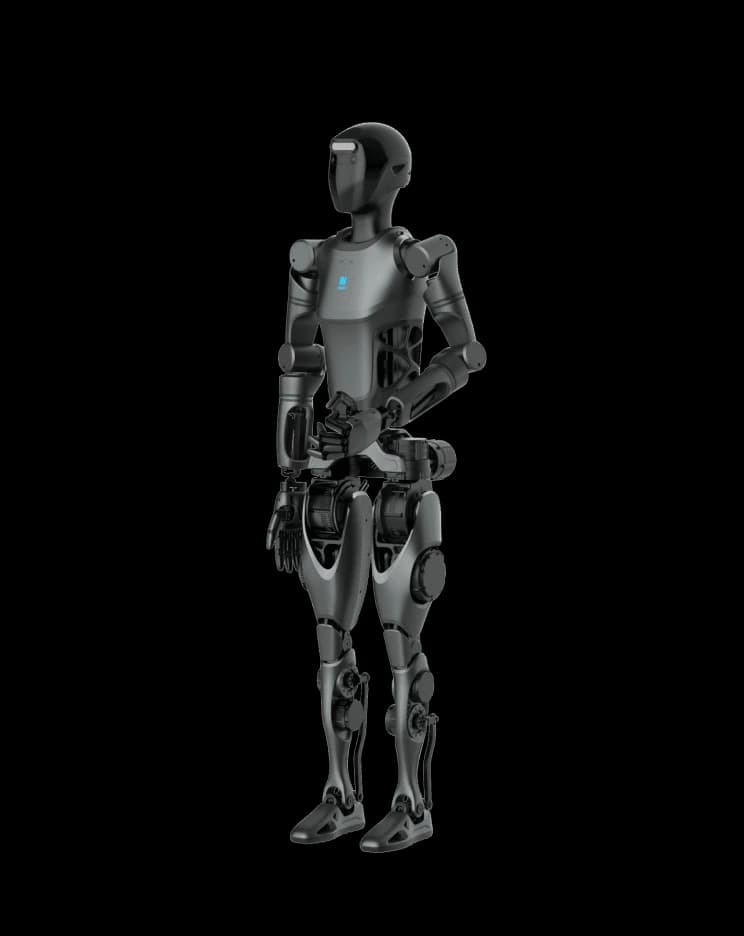
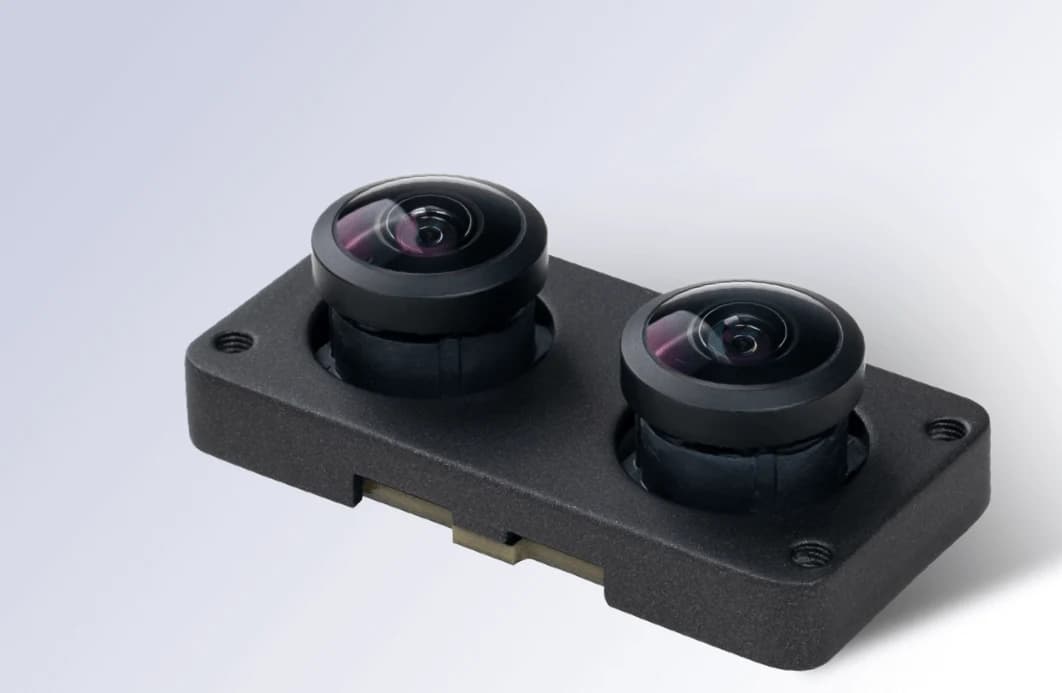
- Vision: The ball, goalposts, field lines and opposing robots must be detected from the camera and placed in the robot's coordinate frame. That takes on-board compute for inference: 200 TOPS from the AGX Orin on the T1, and 48 to 200 TOPS by edition on the K1.
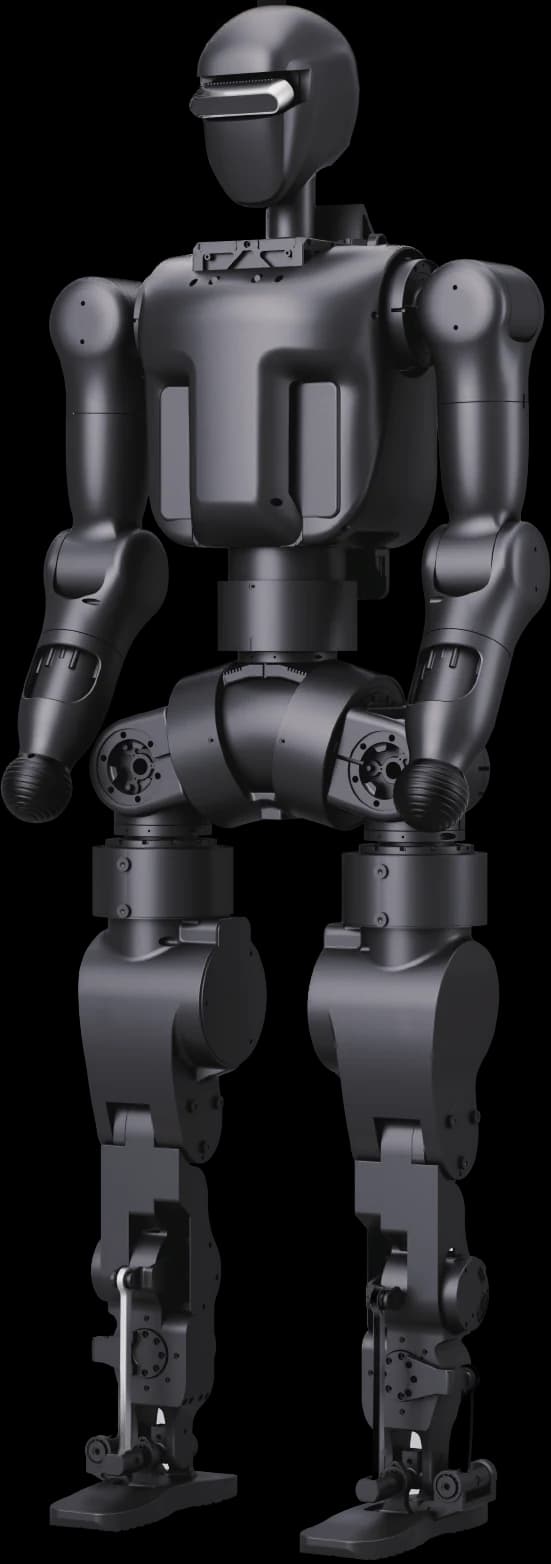
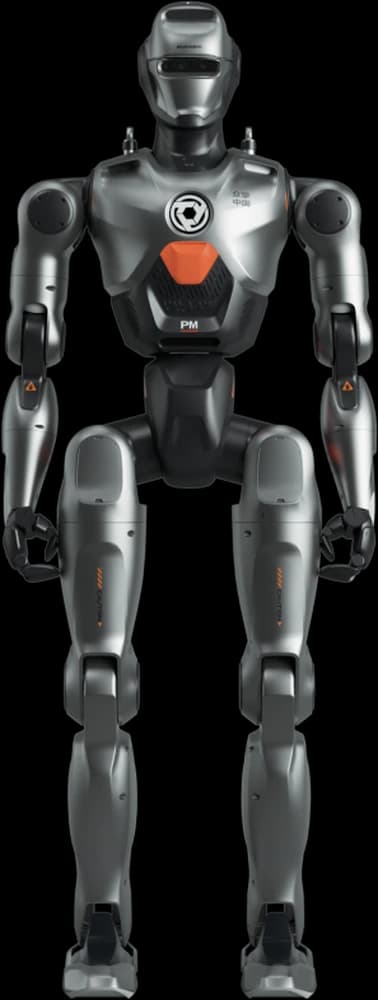
- Torque and agility: Kicks, quick turns and shoulder-to-shoulder duels depend on joint torque. The T1 has 130 N·m and the K1 60 N·m peak torque; for the K1's 19.5 kg body that ratio is high.
- Battery: The robot should finish a half on one battery; spare packs and a quick-swap plan are part of team logistics. The T1 offers about 2 hours of walking, the K1 Education/Professional about 80 minutes.
- Open software: Writing the perception, decision and referee-controller layers from scratch can consume a team's first year. A ready, open-source match stack saves a great deal of time.
RoboCup 2025 and 2026 Results
2025 (Salvador, Brazil): In AdultSize, Tsinghua University's Hephaestus team won with the T1; the runner-up, China Agricultural University's Mountain & Sea team, also used the T1. According to Booster, the top two places in KidSize went to the K1-based HTWK and Tsinghua TH-MOS teams.
2026: According to Booster's 9 July 2026 announcement, in the Large category Tsinghua Hephaestus won, Mountain & Sea came second and BISTU Water third, all on the T1. In the Middle category B-Human won, HTWK Robots came second and Rhoban third, all on the K1. The Small category champion, Invic, used what Booster calls the K1 Air. According to the same announcement, 38 of the 59 teams in the tournament played on Booster bodies.
Team names and placings come from the manufacturer's press release; RoboCup's own publications should be treated as the official results.
Why Did the Booster T1 and K1 Become the Standard?
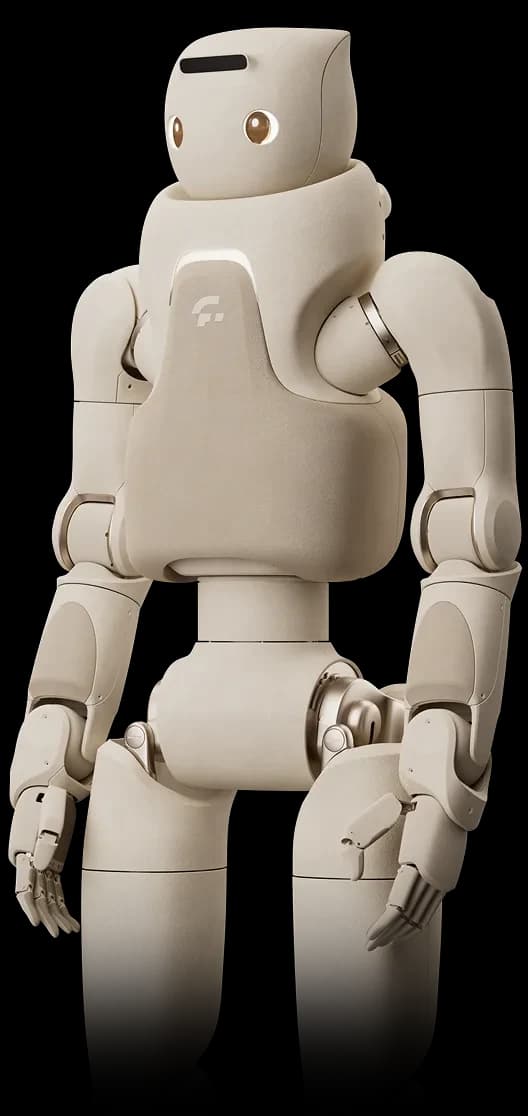
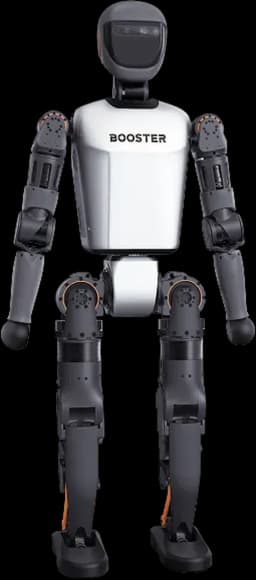
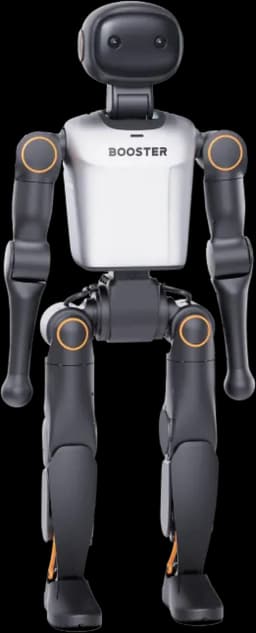
Three reasons stand out. First, the bodies are designed at competition scale: the T1 at 118 cm fits the large-size category, the K1 at 95 cm the small and middle-size categories. Second, the SDK has a dedicated soccer mode (kSoccer) and football-oriented data channels such as kick and match-behaviour status. Third, and perhaps most important, the match software is open source.
Booster's robocup_demo repository on GitHub consists of three programs: vision detects robots, the ball and the field with a YOLOv8-based model and converts their positions into robot coordinates; brain fuses vision and referee data, makes decisions and drives the robot; game_controller converts the packets the referee computer broadcasts on the local network into ROS 2 messages. The demo is written for the K1 and runs on the T1 after changing a few configuration values (robot height, odometry factor, camera topics). The repository also publishes a separate branch for the 2026 rule update with 5-versus-5 game support and whistle detection; according to the README, penalty-kick strategy is not yet in that branch.
An important warning in the README: current rules do not allow unicast communication between robots and limit packet size; the communication layer in the open-source code must be adapted to that rule before competing.
Which robot should you buy for RoboCup?
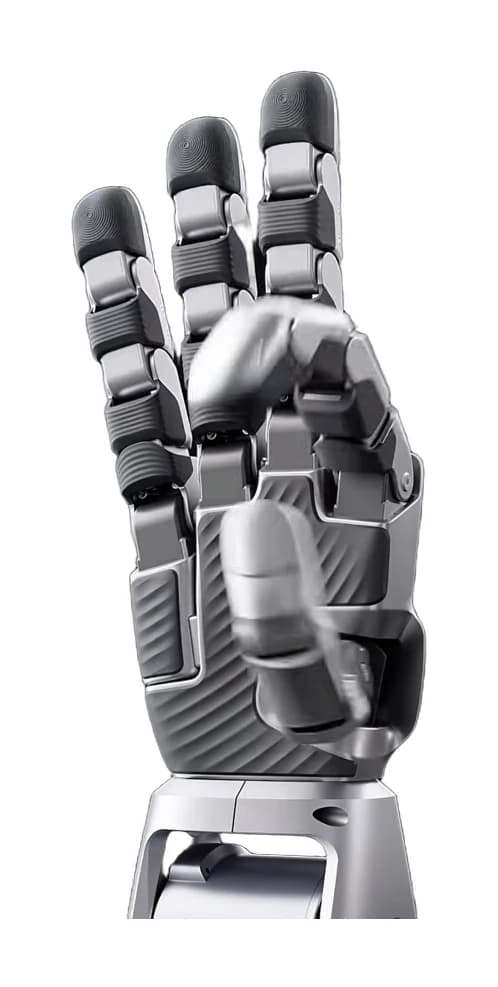
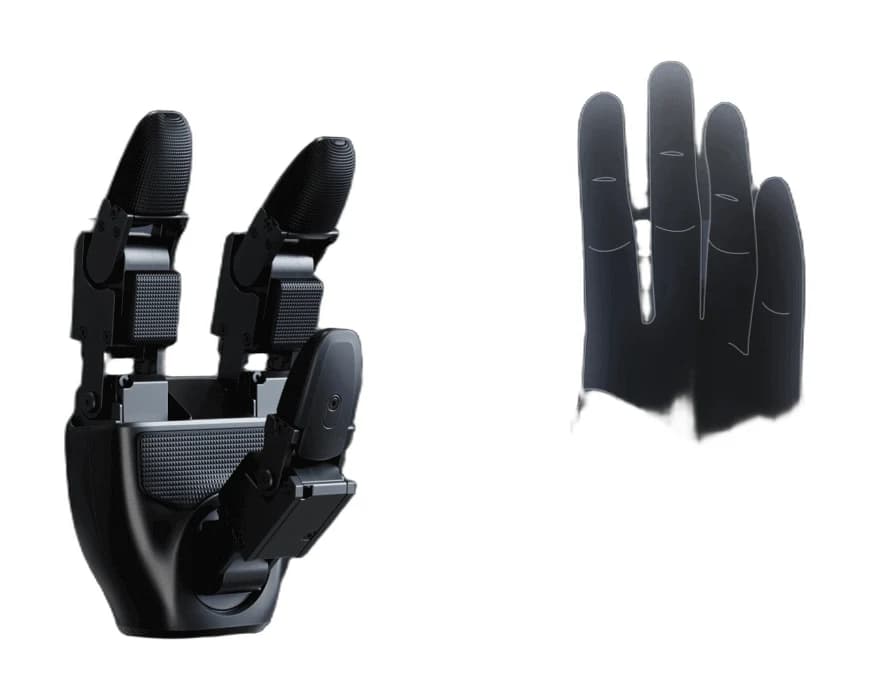
It depends on the category. If you are aiming at the large-size category (AdultSize in 2025, Large in 2026), choose the Booster T1; for the small and middle-size categories, the Booster K1. For a university team in its first year, the K1 means a lower budget, easier transport and a faster iteration loop; the T1 offers more torque, longer battery life and hand options. We list the differences in our K1 and T1 comparison.
How many robots does a robot football team need?
The number of players on the field changes by category and year, so rather than give a fixed number we suggest checking the current rule set. As a pointer, Booster's robocup_demo repository states that 5-versus-5 game support was added for the 2026 rule update. On top of the field players, planning at least one spare robot, a spare battery for each robot and a separate body for testing keeps a broken robot from leaving the team short during tournament week.
Building a Team from Turkey: Hardware, Software and Budget Items
- Robots: field players, a spare robot and a development body.
- Power: a spare battery per robot and charging infrastructure.
- Development computer: an NVIDIA GPU workstation for vision model and reinforcement learning training (see the Booster Gym guide).
- Practice area: part of a field, a goal and a ball; data collection to retrain the vision model under your own lighting.
- Training and support: SDK, ROS 2 and robocup_demo setup, team training, spare parts.
- Tournament logistics: transport cases, travel and registration.
For the quote structure on the robot side see the Booster T1 pricing page and the K1 pricing page.
Robotlar.org is an authorized distributor of Booster Robotics products in Turkey. The T1 and K1 are invoiced in Turkey; a proforma including taxes and freight, on-site commissioning, SDK and robocup_demo setup training, a 1-year warranty and authorized service are delivered in Turkey. We support university purchases with specifications and the research-fund (BAP) process; ordering steps are in the Booster buying guide.
Alternative Platforms
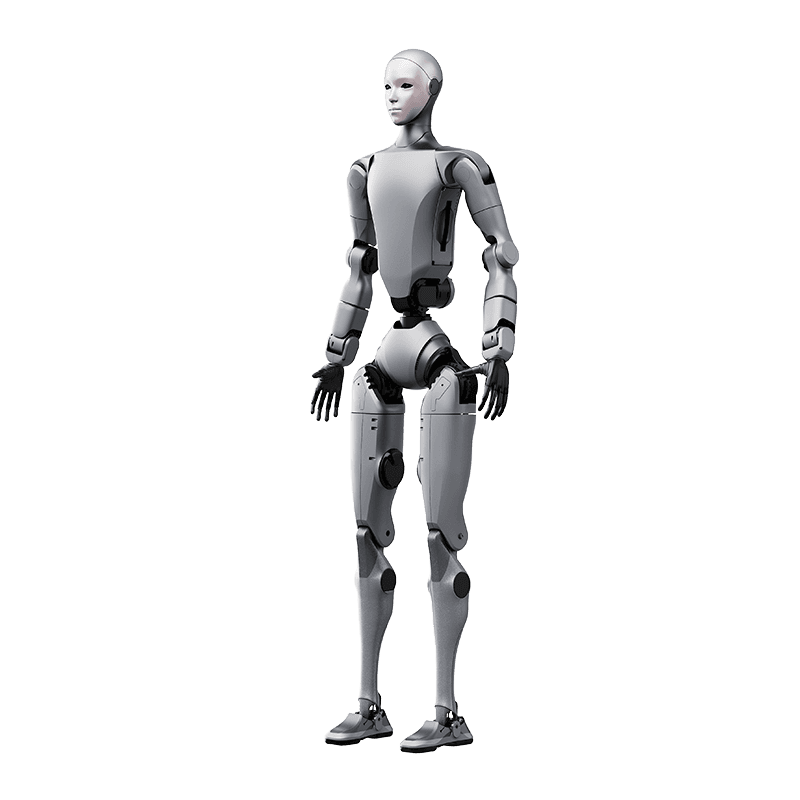
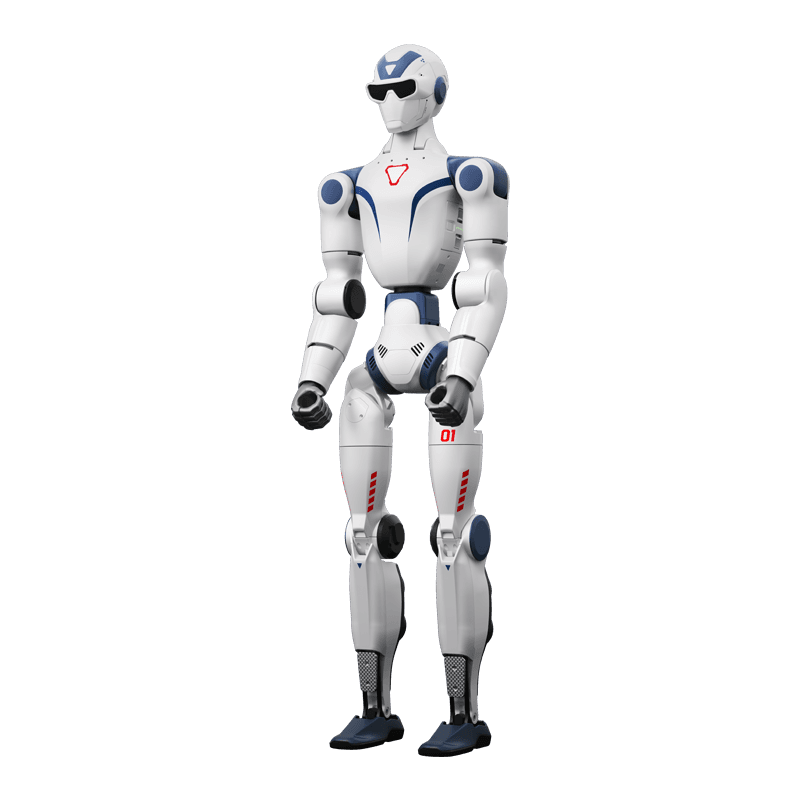
Football demos and biped locomotion research can be done on other bodies too. The Unitree G1 and R1 are two frequently asked options; we put the G1 next to the T1 in our Booster T1 and Unitree G1 comparison and the R1 next to the K1 in our Booster K1 and Unitree R1 comparison.
When choosing a platform, factor this in: Booster publishes its match software as open source; a team starting on another body may have to build most of the perception, decision and referee-controller layers itself.