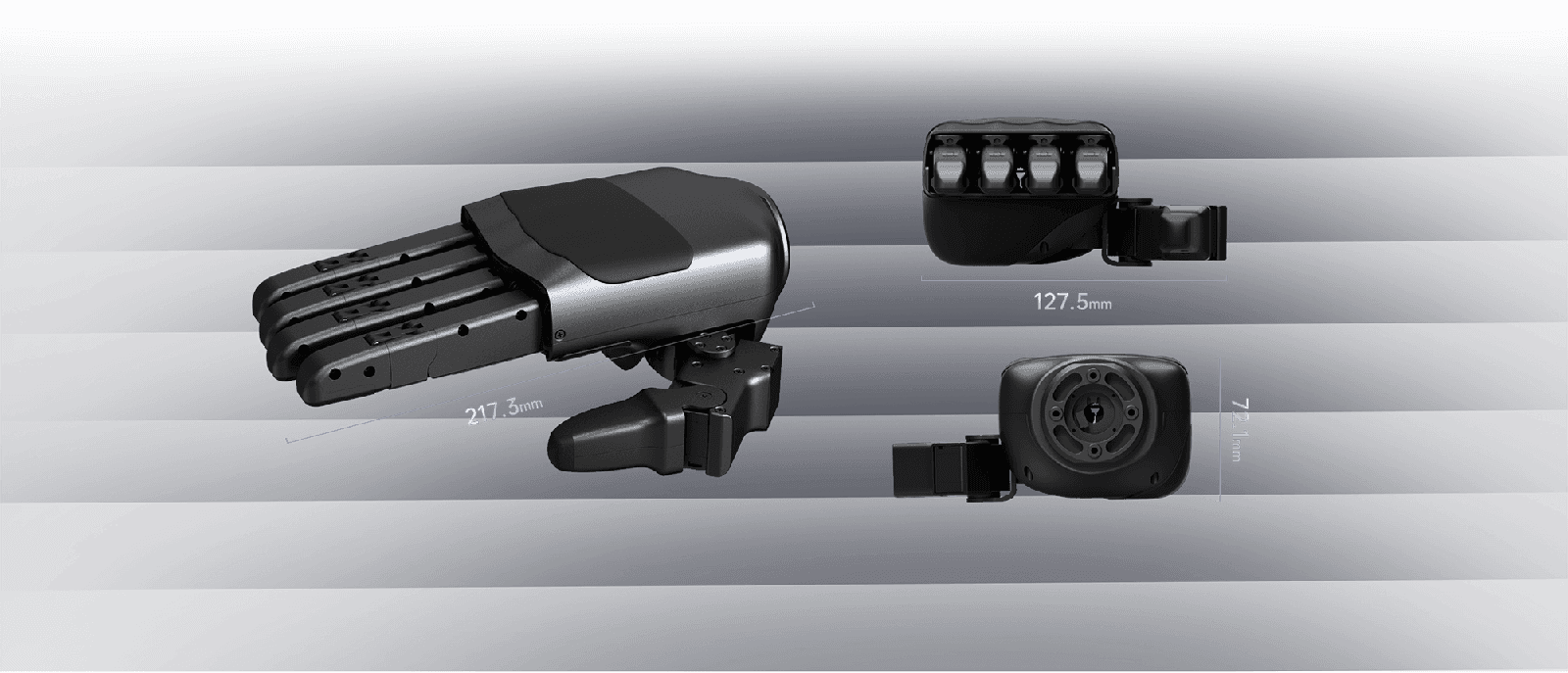
What Is the Dex5-1?
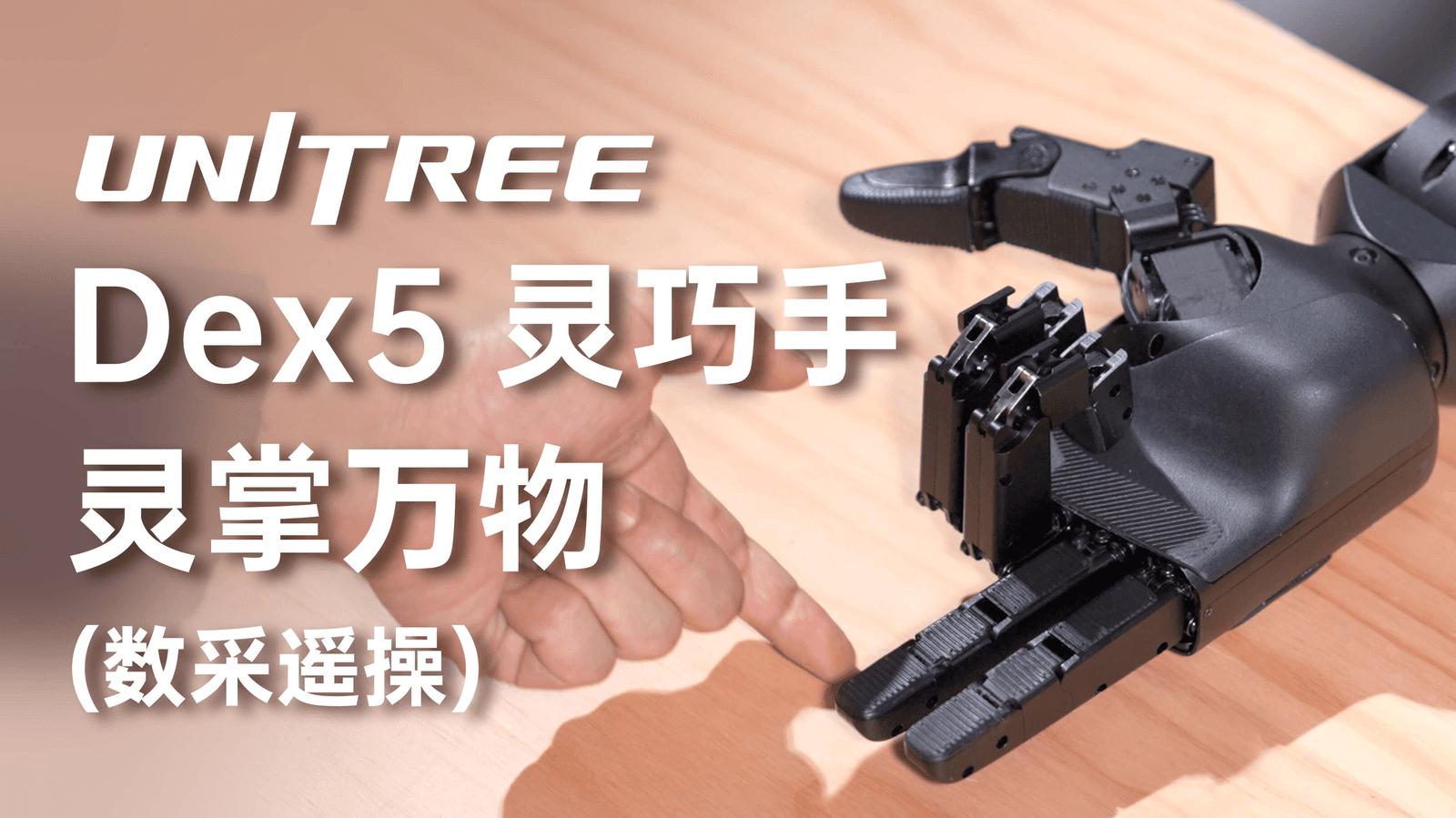
The Dex5-1 is the five-finger dexterous hand Unitree built for its humanoid ecosystem: 20 degrees of freedom per hand, 4 in the thumb and 3 active joints in each of the other four fingers (16 active total) plus 4 coupled joints. It measures 217.3 × 127.5 × 72.1 mm and weighs 1,100 g. Each of the five fingers is independently replaceable: a single damaged finger in the field doesn't send the whole hand to service. It is the hardware for tasks where the two-jaw gripper class (e.g. the Dex1-1) isn't enough and human-like grasping is required.
The Real Differentiator: Backdrivable Joints
The design decision the manufacturer highlights: every finger joint supports smooth backdrivability, apply external force and the joints yield instead of resisting. That eliminates the "stiff hand" problem: contact softens, grasping becomes fluid, and most importantly reinforcement-learning policies can be trained directly on the real hardware. High-power-density coreless motors, precision-encoder drivers and low-damping small-backlash reducers make it possible; the micro-gap joint design also keeps objects from jamming into joint corners.
Two Editions: Dex5-1 and the Tactile Dex5-1P
The standard Dex5-1 and the tactile Dex5-1P share the same mechanics; the difference is sensing. The Dex5-1P carries 94 pressure sensors in 12 arrays per hand: 2×5 in the palm, 2×3 on each of five fingertips and five finger pads, and 2×3 at four finger bases. Sensing range is 10 g - 2,500 g; the sensors withstand up to 20 kg without damage. Tactile algorithms are open to secondary development, for teams working on slip detection, force-controlled grasping and visuo-tactile fusion, the P edition is the real target.
Mechanical and Electrical Summary
Headline official figures: 10 mm minimum grasp diameter, ±1 mm fingertip repeatability, 10 N fingertip force, ±22° four-finger side swing. Thumb joint ranges are -33.5°…39° / 0-100° / 0-110° / 0-92°; four-finger joints 0-90° / 0-95° with a coupled distal joint of 0-81°. Load figures are condition-specific: with a 5 cm rigid cylinder, up to 3.5 kg palm-down and 4.5 kg palm-sideways. Supply is 24-60 V, static draw 0.2 A at 58 V, peak 4 A; interface USB 2.0; operating range -20…60 °C. The manufacturer's footnotes state clearly that all values depend on measurement conditions.
Control Architecture: Full State at 1000 Hz
The control loop runs at 1000 Hz; the command set covers joint mode, position, velocity, torque, stiffness and damping coefficients. Feedback is rich: joint position/velocity/torque/temperature, voltage-current and IMU data; the P edition adds sensor pressure and temperature values. A notable manufacturer detail: 12 proprietary micro force-controlled composite joints provide body-borne force perception (proprioception) even without tactile sensors, which is why even the standard edition can operate force-aware.
Who It's For: RL and Imitation-Learning Research
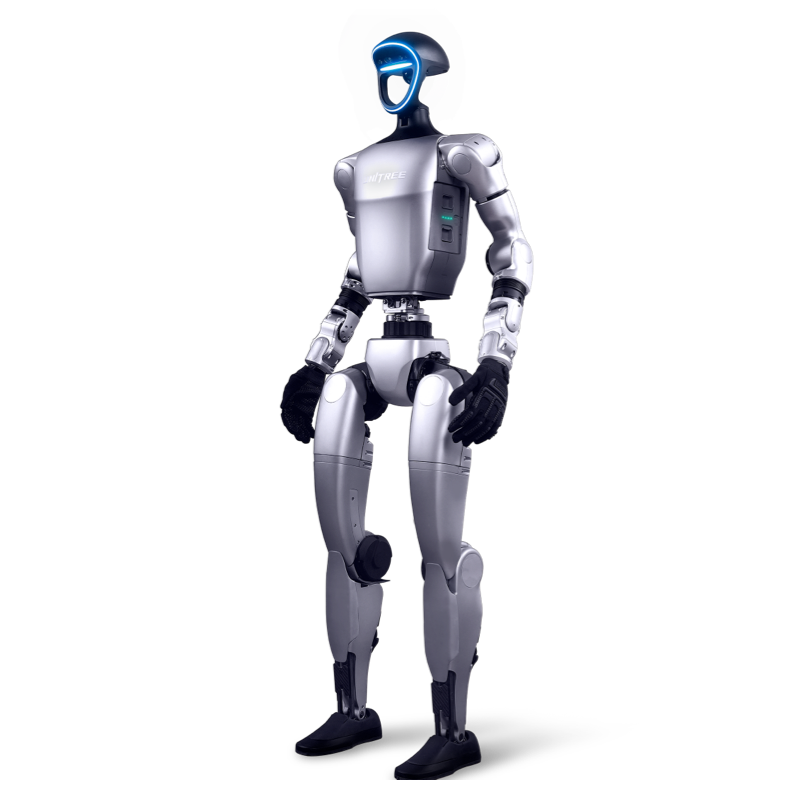
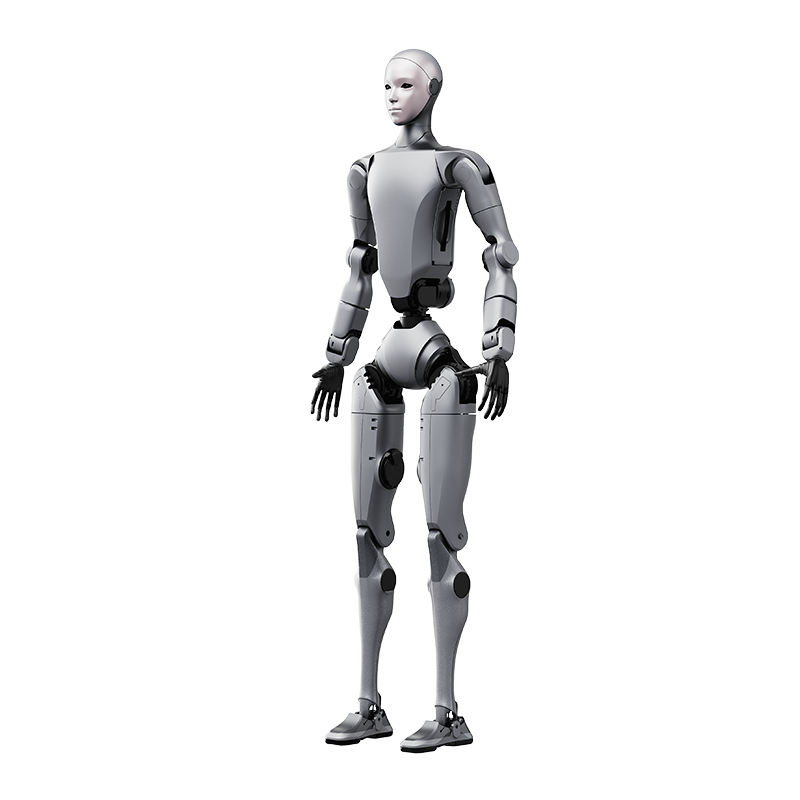
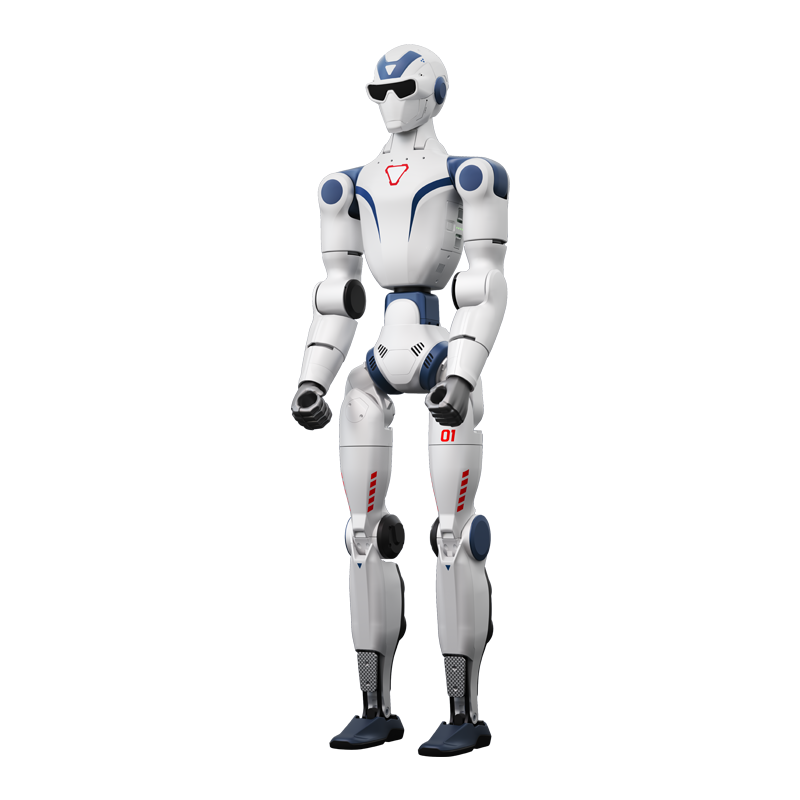
Backdrivability + tactile arrays + 1000 Hz control are the three hardware prerequisites of learning-based manipulation, and the Dex5-1 packs all three. It is exactly the hand for the task class targeted by work like loco-manipulation research and UnifoLM-WMA. On the humanoid side, the hand configuration for G1 and H2 projects is finalized together at order time.
Dex1-1 or Dex5-1? Supply in Turkey
The rule is simple: for box handling, sorting and repetitive industrial grasping, the Dex1-1 gripper is tougher and more economical; for human-like skill, tool use or manipulation research, the Dex5-1 (Dex5-1P for tactile work) is the right hardware. We supply both, standalone or configured with the humanoids, as the authorized Turkey partner; current pricing is quoted per configuration; reach us via the accessories page or the quote form.