











The Same Body, Different Capacity
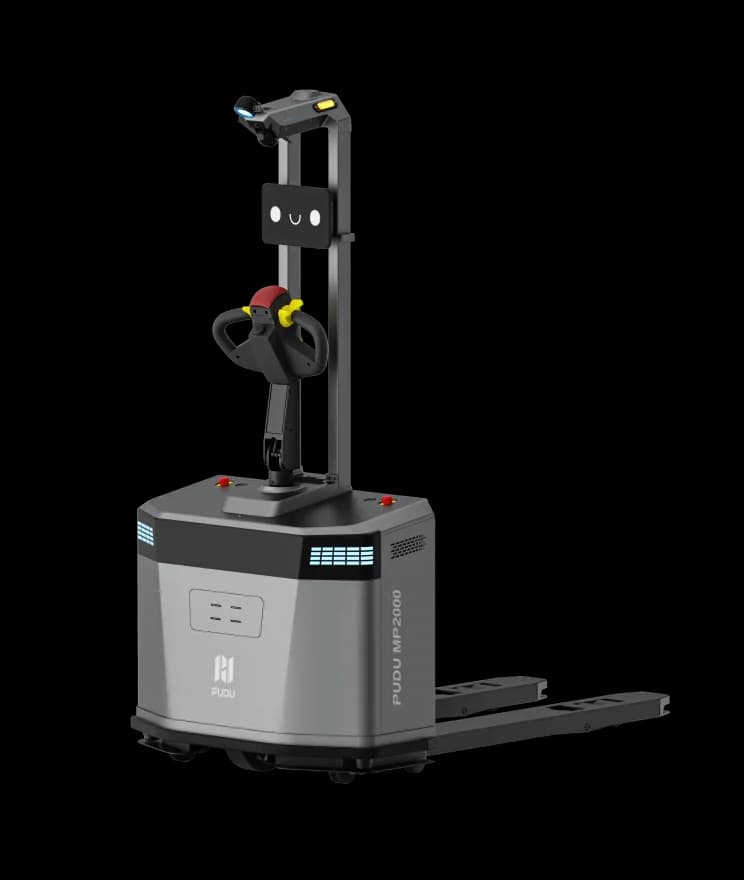
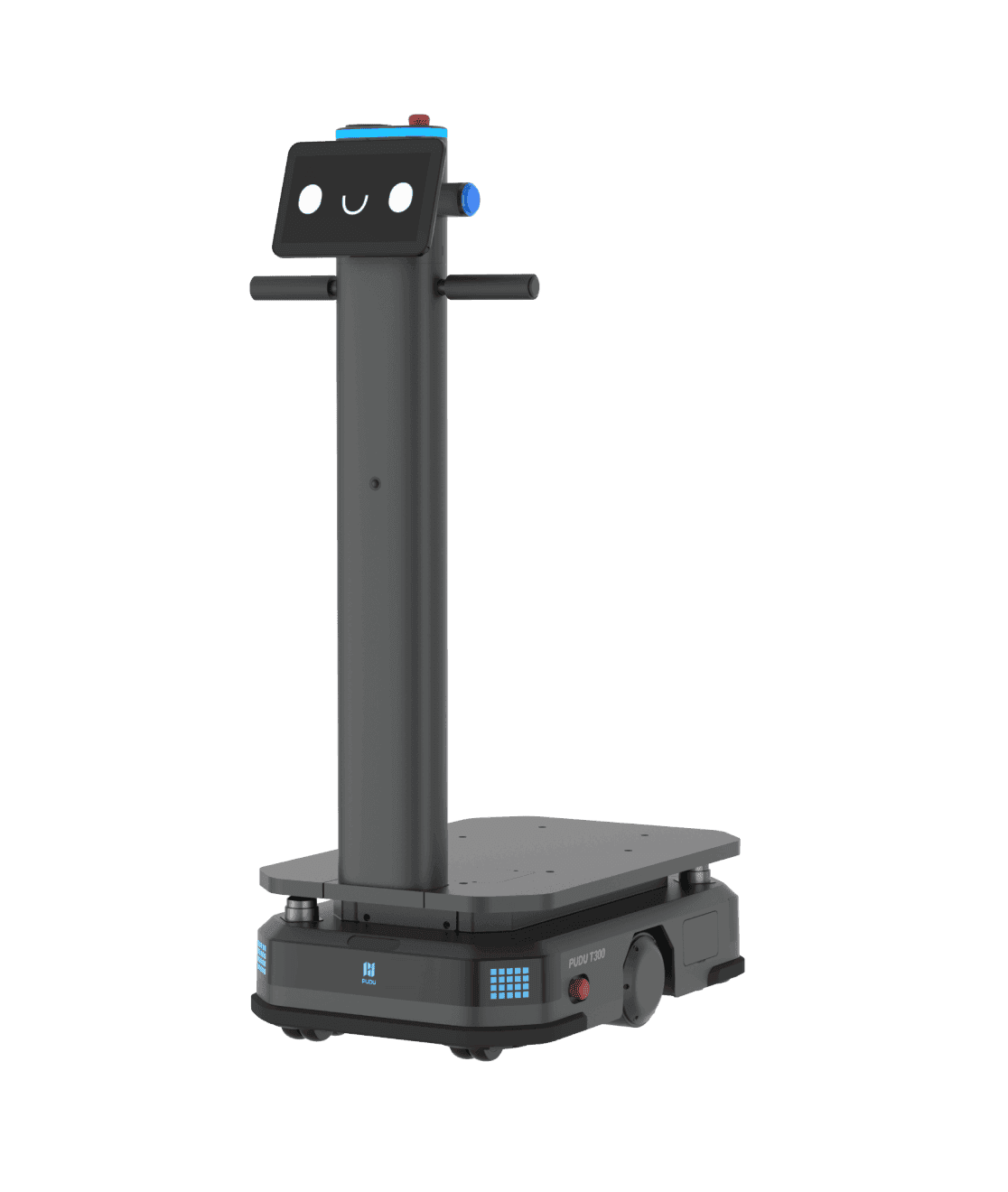
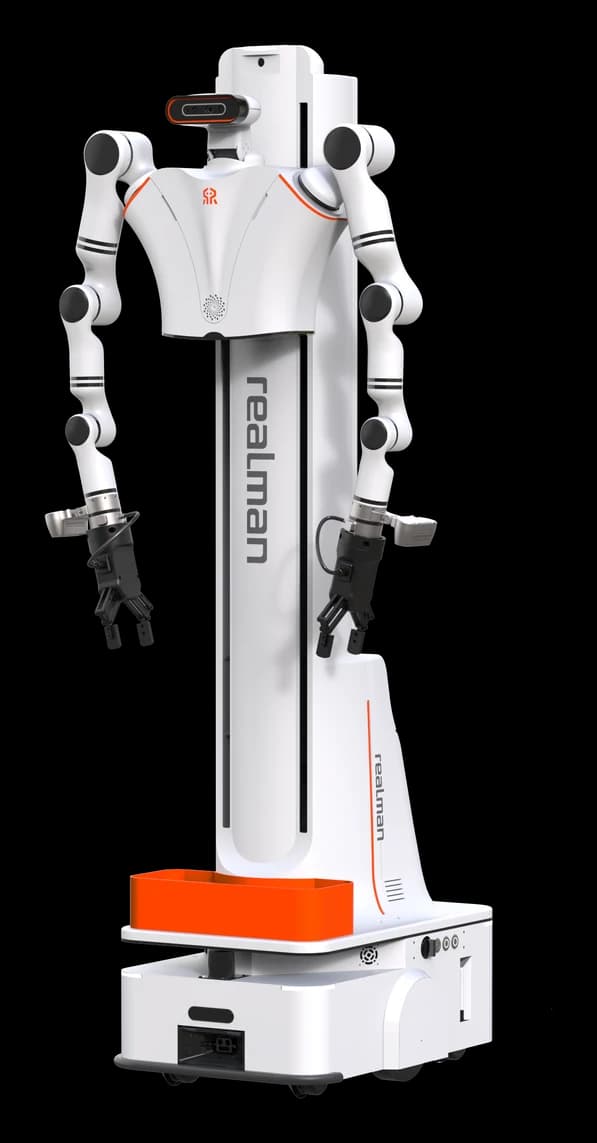
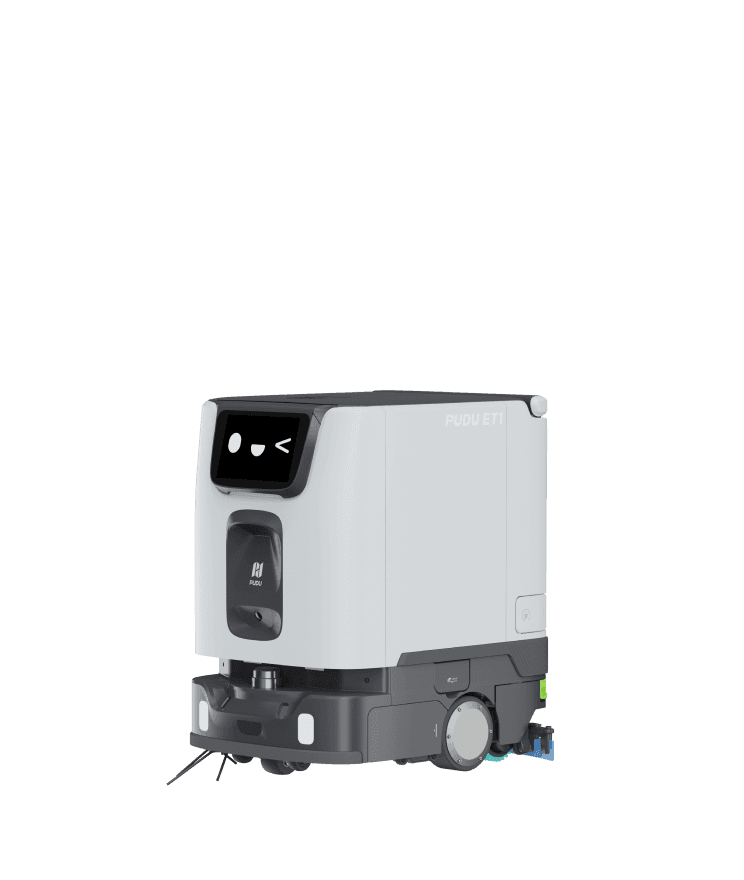
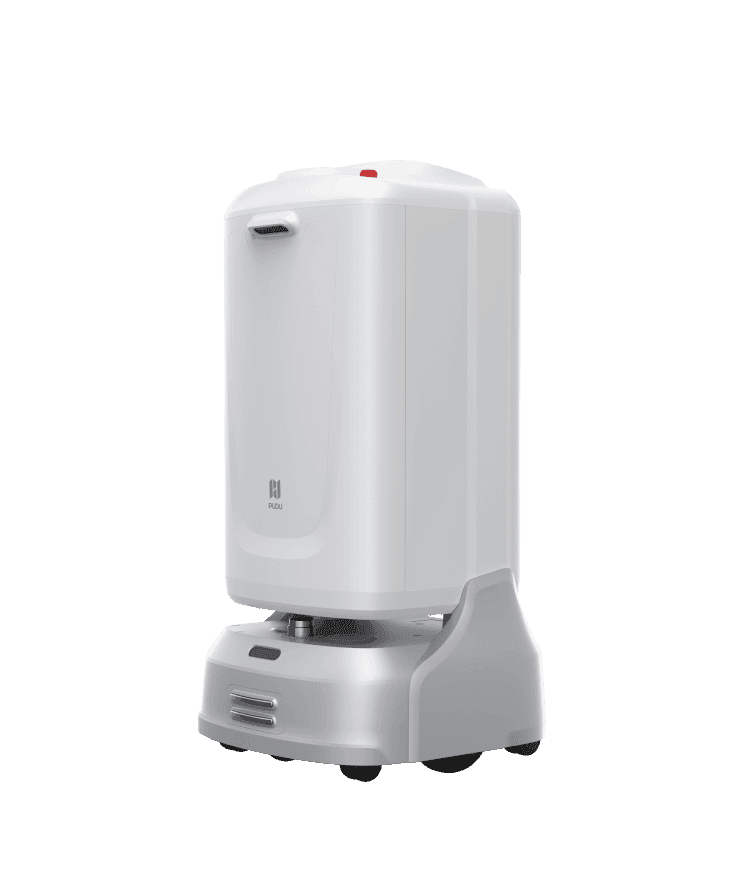
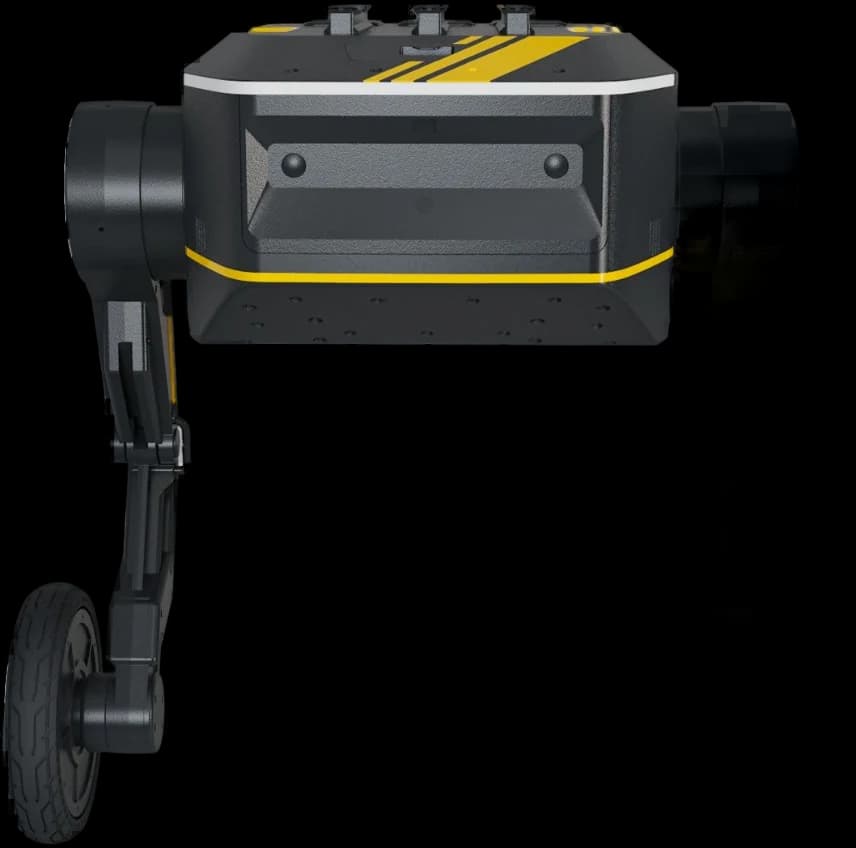
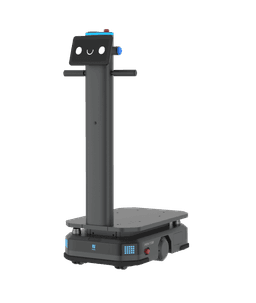
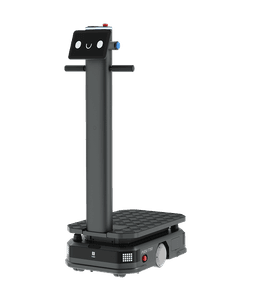
The most commonly misunderstood thing about these two models is the assumption that they differ in size. They do not: the T150 and the T300 share exactly the same body at 835 × 500 × 1350 mm and 65 kg. Minimum passage width is 60 cm on both, the speed range is 0.2-1.2 m/s and the battery is 30 Ah. The split comes down to a single number: 150 kg of payload against 300 kg. So the choice is not about fitting into tight spaces but about capacity and cost. If you have narrow aisles, both models pass through them identically.
Choose Capacity by Peak Load, Not Average Load
The most common mistake in the field is picking capacity from the daily average. The right reference is the heaviest transport of the shift: a pallet of material, a group of full crates, or the pile-up during end-of-month dispatch. Even if your average is 90 kg, a peak of 160 kg rules the T150 out on that run and hands the job back to an operator. The reverse is waste: if your peak never passes 120 kg, the T300's extra 150 kg stays a budget line you never use. Logging load weights for a week and looking at the peak settles this decision on its own.
Where Both Models Hit the Same Wall
The T series is designed for indoor use on flat floors, and that applies to both models. The documented limits on the T300 side are a 20 mm step and a 35 mm channel or gap crossing. In practice that means raised door thresholds, drainage channel grates, the level difference between a lift and the floor, and ramped transitions all have to be handled individually in route planning. Increasing capacity does not solve this constraint, because the constraint comes from the floor. The first thing to measure during a site survey is the highest threshold on the route.
Energy and Shift Planning
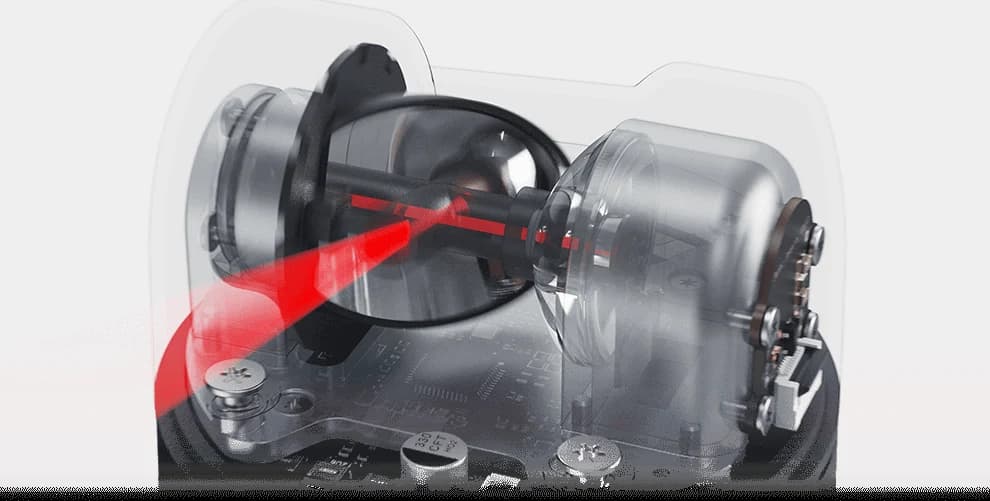
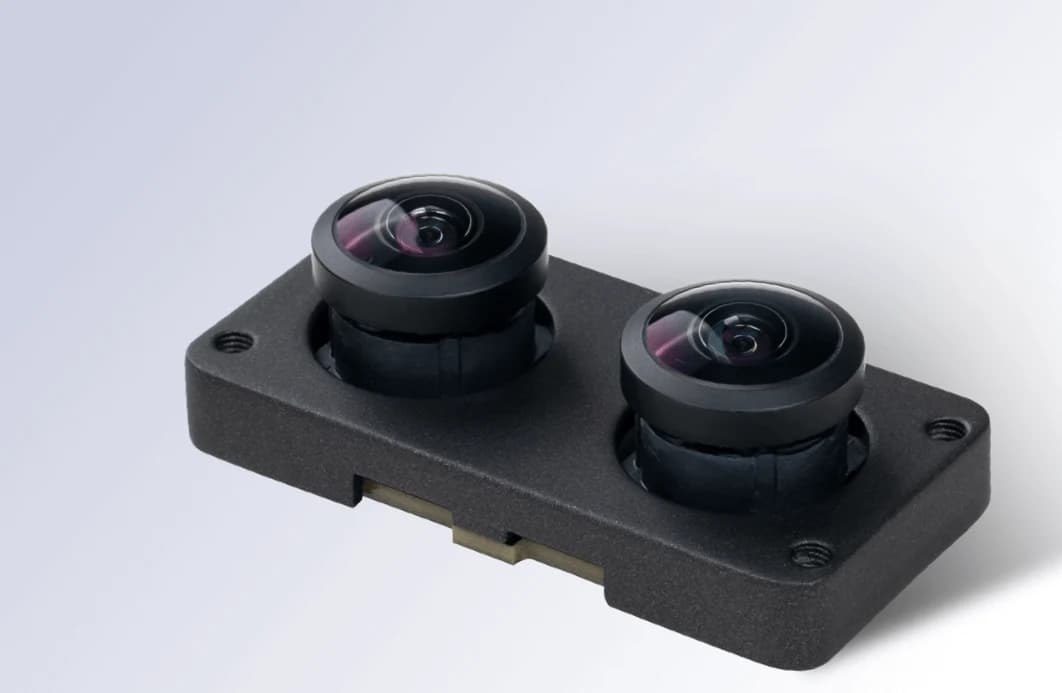
Both models carry a 30 Ah battery with 12 hours of unloaded endurance. The difference appears under load: the T300 gives 6 hours at full load, so the figure halves on a heavily worked shift. Charging takes 2 hours from 0 to 90 percent. In a single-shift operation either covers the day; in a two-shift, continuously loaded flow you need to fit the charging window between shifts or add a second robot. On navigation, VSLAM and LiDAR SLAM work together, and the map is relearned when the line changes.
The Decision
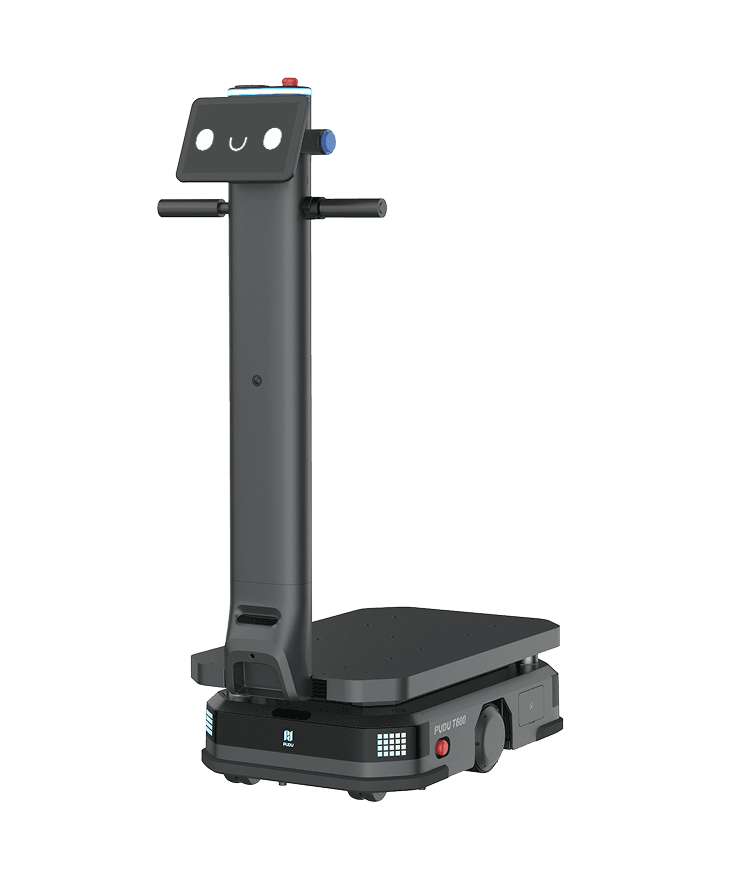
If your peak load stays below 150 kg and you do not expect it to grow, the T150 is the right pick: you get the same body at a lower cost. If the peak passes 150 kg, or you know your line load will rise over the next two years, choose the T300. If 300 kg is not enough either, the next step up is the T600, though aisle width and floor tolerance both tighten there. Ask for a free site survey to assess your route and peak load together.