
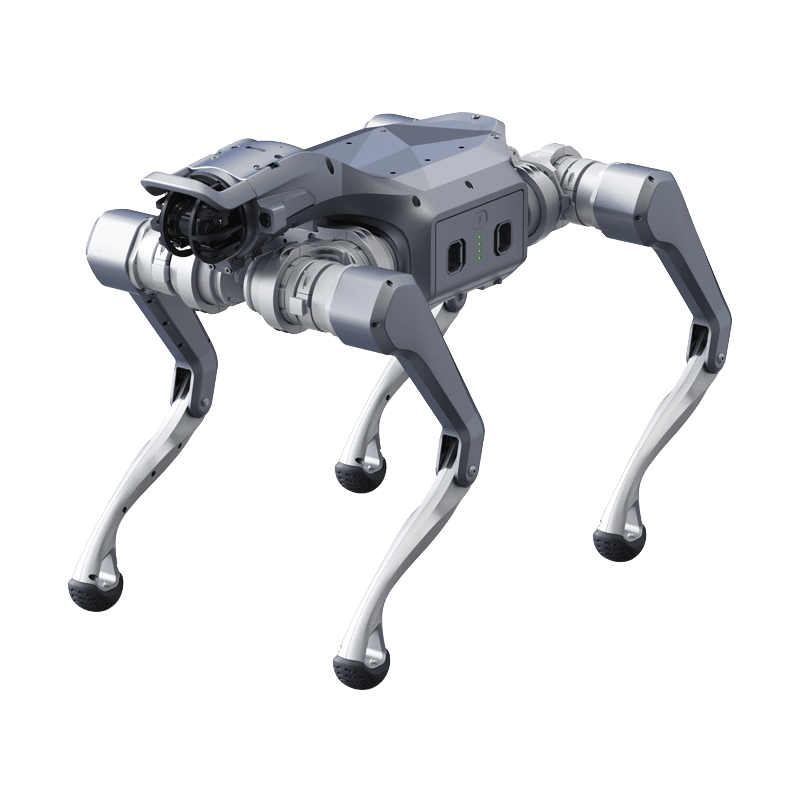
Wind Turbine (RES) Foundation and Anchor Control
Scenario record: it defines the environment, the mission flow and a proposed hardware and software configuration. The list below is a configuration proposal, not an installation inventory. Field projects lists deployed systems and their measurements.
- Environment
- Outdoor field
- Operating mode
- Supervised autonomy
- Proposed robot
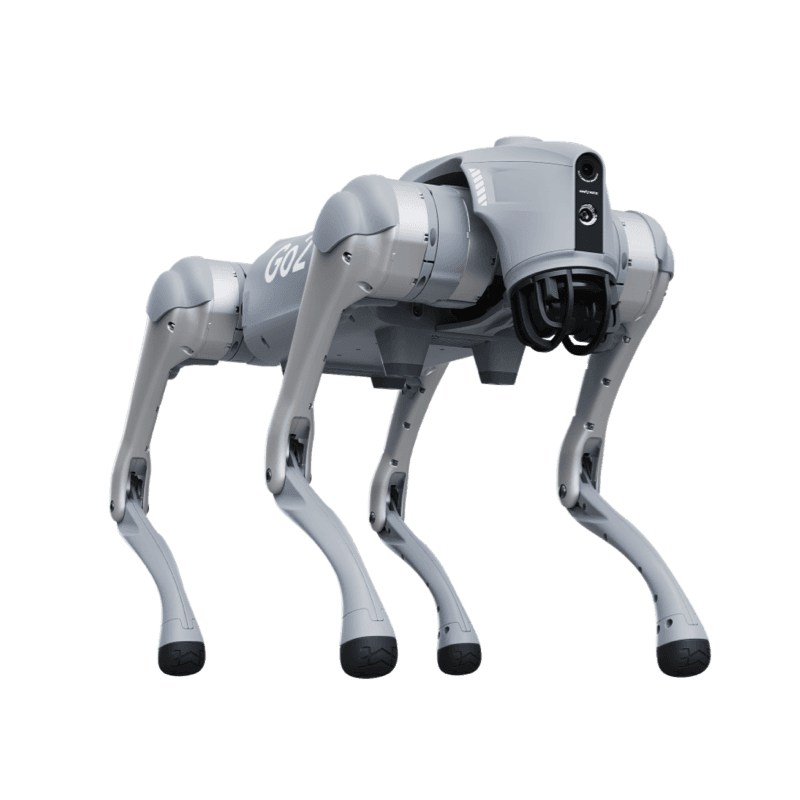
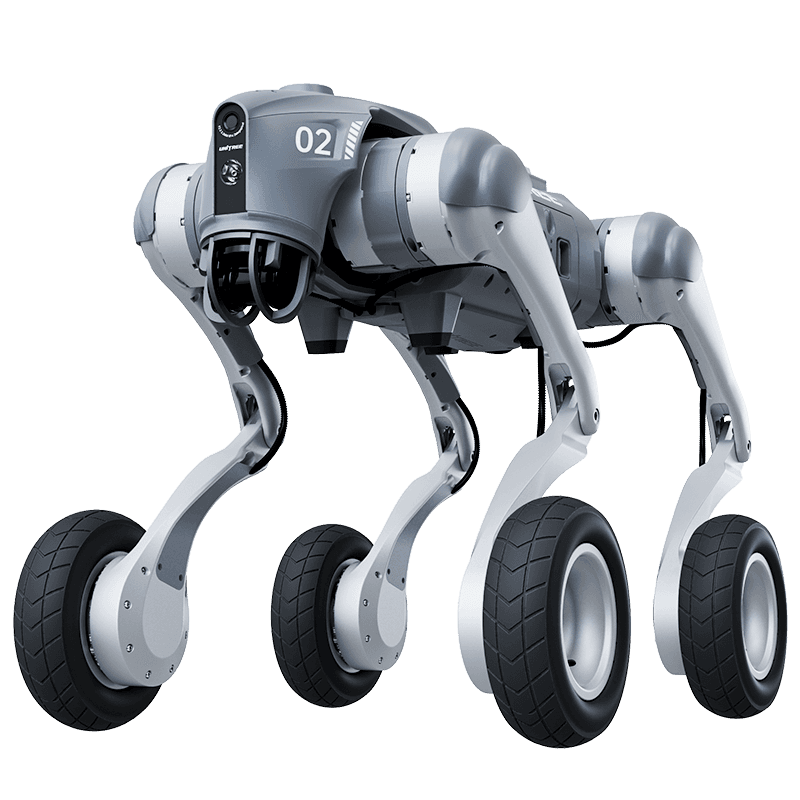
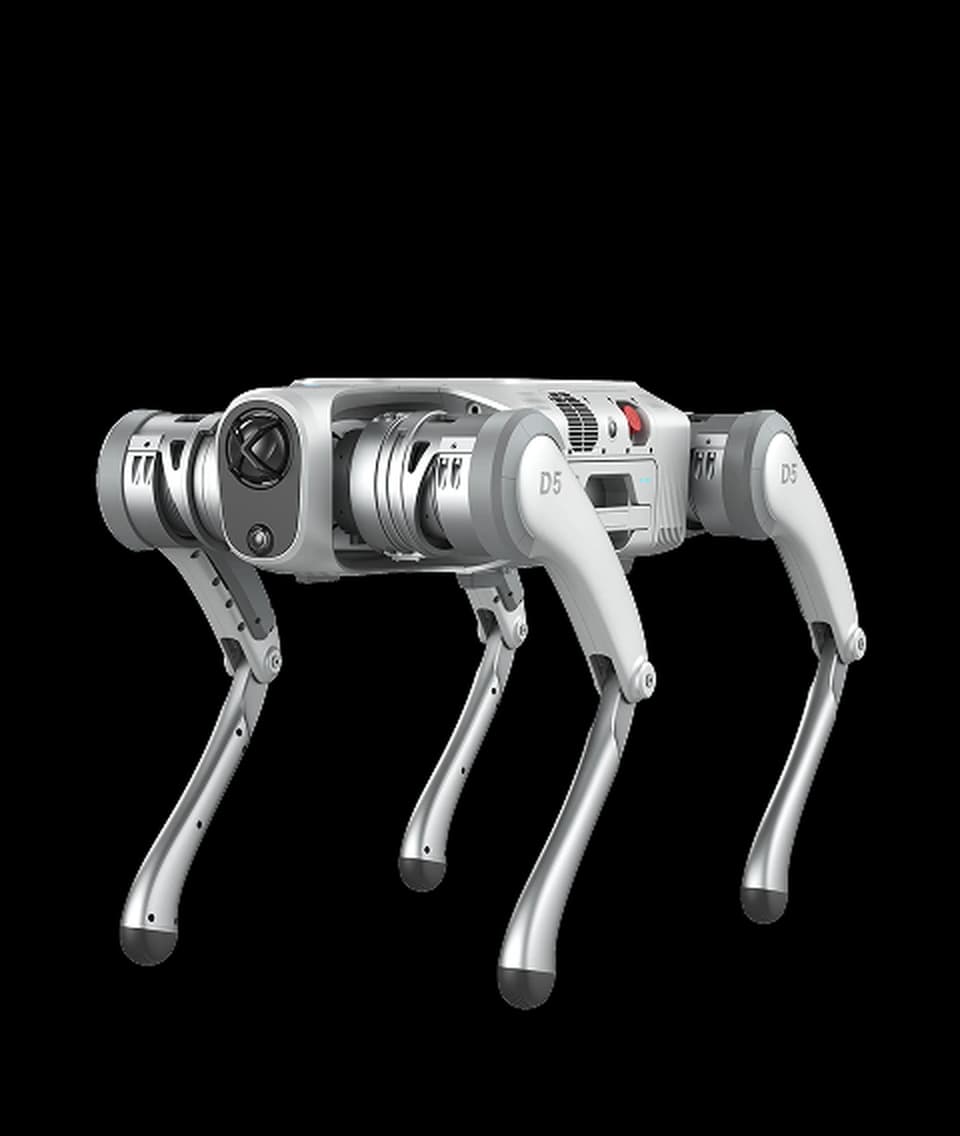
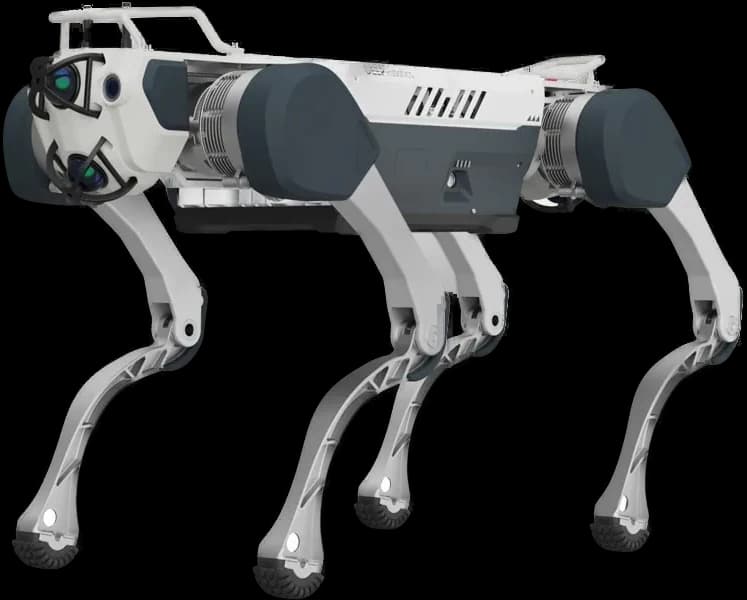
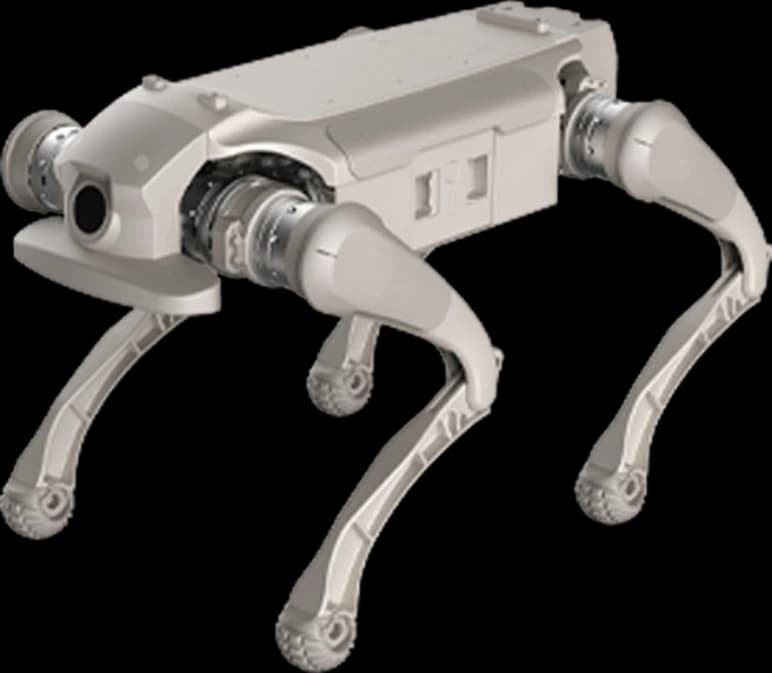
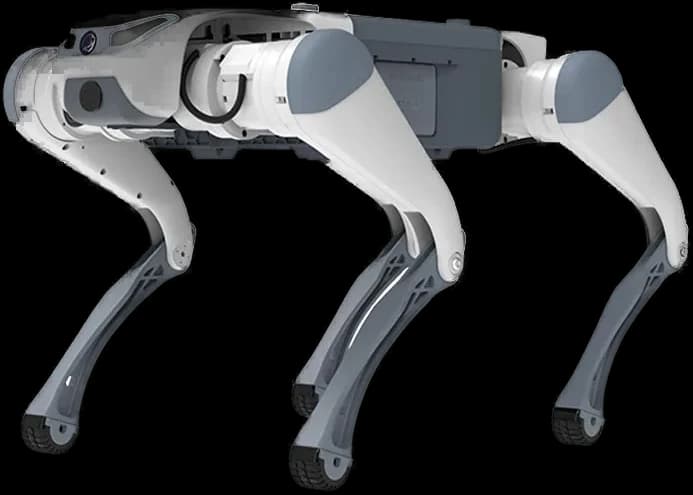
- Unitree A2
The problem addressed
Detection of concrete fatigue and bolt loosening that are difficult to see with the naked eye.
Draft mission flow
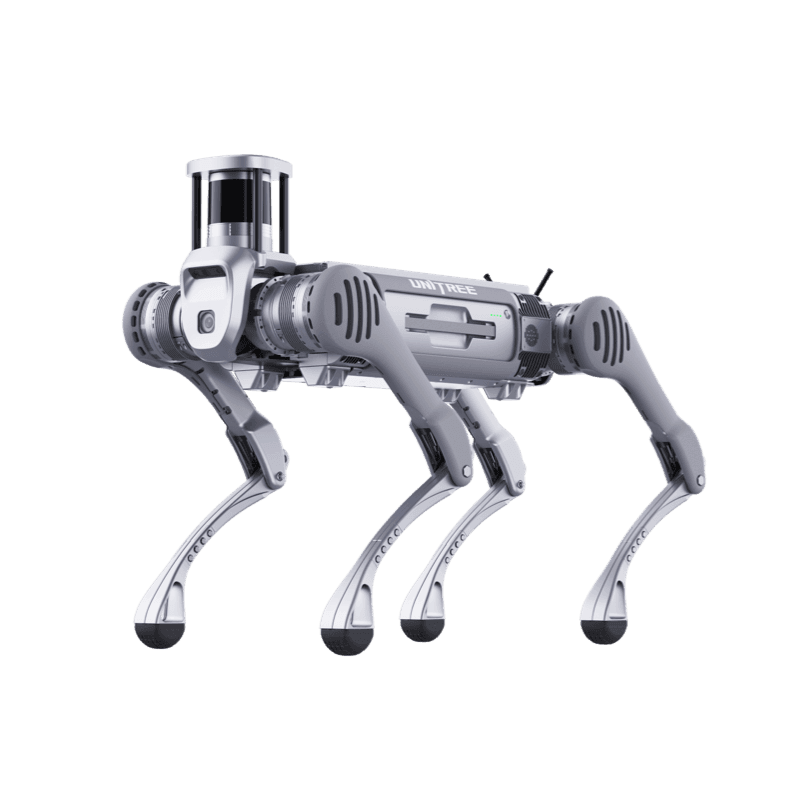
- 1In harsh terrain conditions, the B2 robot transitions to the turbine tower bases.
- 2It optically scans millimetric structural cracks in the tower concrete and anchor bolts.
- 3Reports static fatigue analysis by comparing with historical data.
Proposed hardware
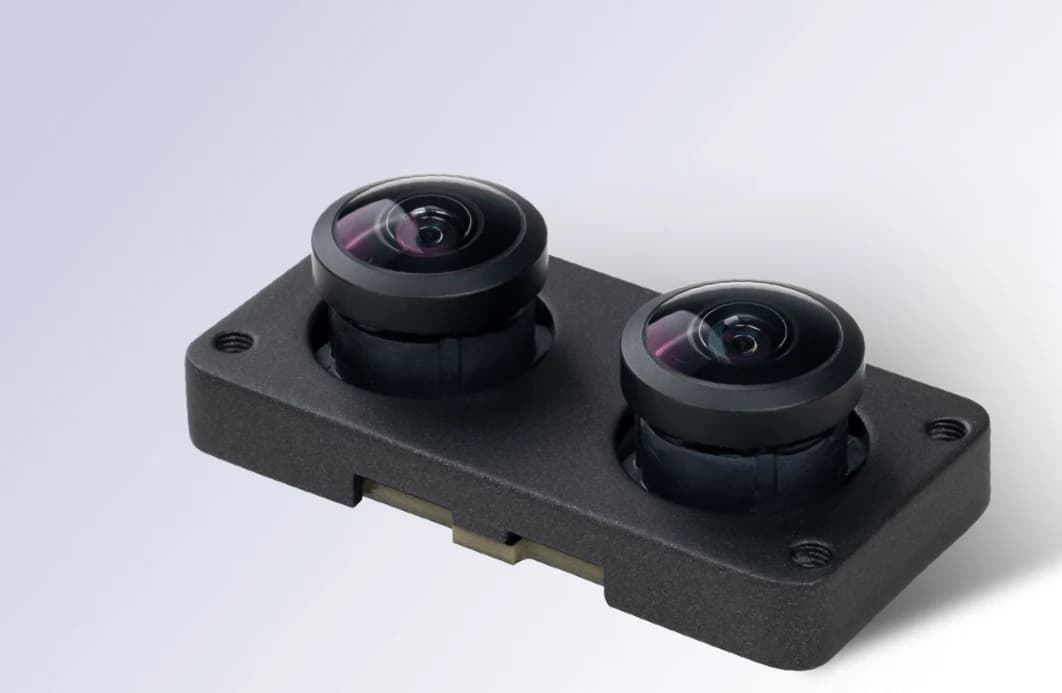
- Ultra HD Surface Crack Camera
- Acoustic Listening Module
- NVIDIA Orin NX
Proposed software
- Navigation
- Circular SLAM route around the turbine base
- Model
- Micro-Crack Pattern Recognition (Computer Vision)
- Integration
- RES Central Monitoring Network
The robot's real operating limits
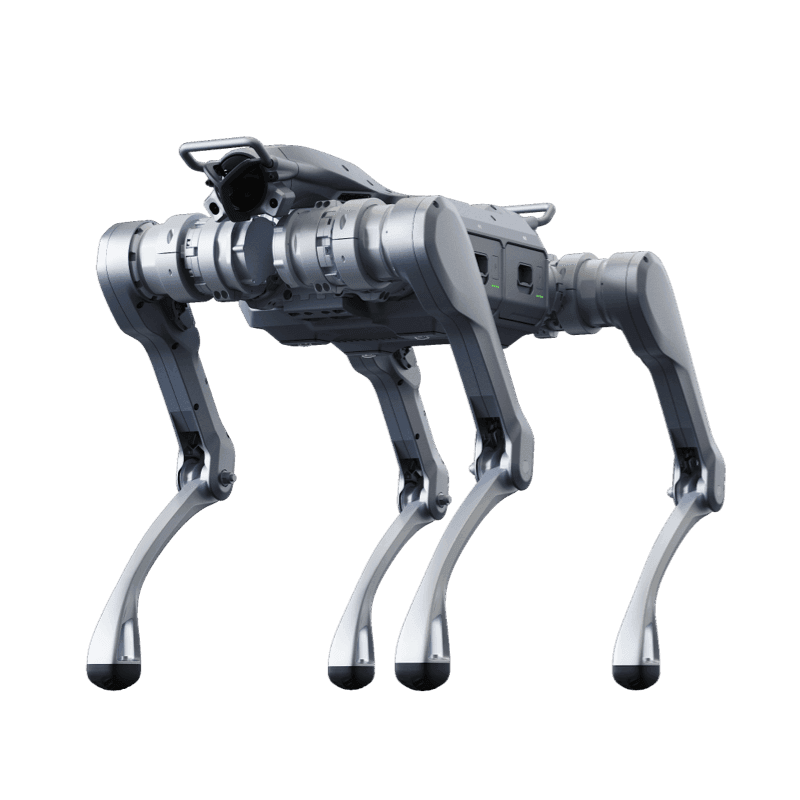
Unitree A2
Industrial Class Legged Robot
Product page- Ingress rating
- IP56-IP67
- Runtime
- >5 hours (No load) / >3 hours (25kg Load)
- Operating temperature
- -20°C to 55°C
- Payload
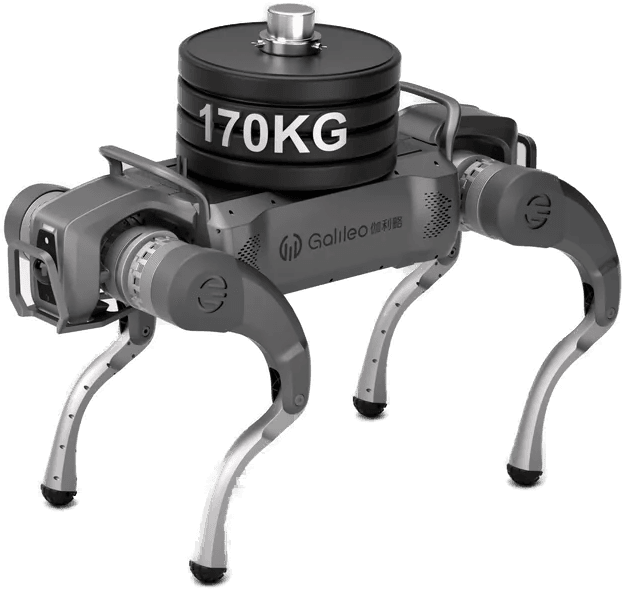
- 100 kg
- Max speed
- 5 m/s
- Climb
- 45°
Values are manufacturer data. Scenario fit is determined by comparing these limits with site conditions.
From scenario to installation
Feasibility is determined by the site survey: floor and route, network coverage, the charging point, intervention responsibilities and the conditions under which the robot must stop. The survey report defines the scope, the constraints and the commissioning steps.