Why the Hushan Farm Needed More Patrols
The Hushan farm covers 1,100 mu (approximately 73 hectares). According to the announcement, the inspection workload grew as the herd expanded. Monitoring cattle health, managing barn conditions and checking facilities relied heavily on staff making rounds. Indicators such as leftover feed, the proportion of cattle at the feed bunk and the proportion lying down were often estimated by eye.
The company also pointed to the limits of fixed cameras. They stay tied to their mounting point, and fences and moving animals block their view. The temperature and humidity meters hung around the barn are read by hand and each measures a single spot in the building. DEEP Robotics describes the Hushan deployment as a way to close these gaps through frequent, consistent observation.
How the Lynx M20 Robot Dog Monitors Cattle
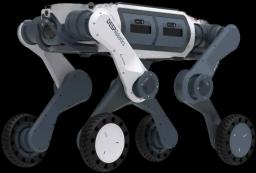
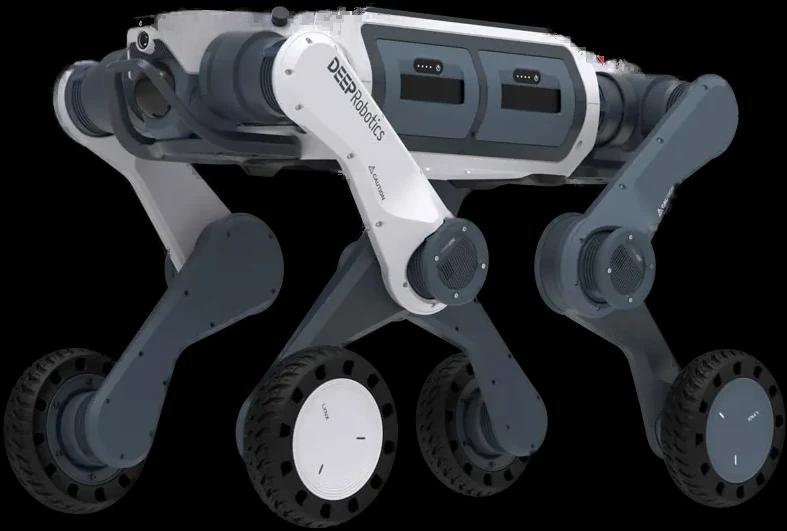
According to DEEP Robotics, the Lynx M20 carries a pan-tilt visible-light camera, a thermal imaging sensor and multimodal sensing equipment for this work. As it moves along the aisles, it adjusts its camera position and pace when cattle move or change posture. The company lists these tasks:
- Counts cattle pen by pen and separates feeding, lying and standing animals to calculate the lying rate.
- Picks up small changes in stride and weight bearing before lameness becomes obvious and locates the animal concerned.
- Recognizes rumination at close range and counts chewing movements.
- Sends an alert when fighting breaks out in the herd.
- Scans each animal's body temperature pattern with the thermal camera and passes abnormal readings to the management side immediately.
The company says these measurements turn behavioral changes into indicators that can be compared and tracked. A problem caught early lowers treatment costs and reduces losses from selling animals before the end of the finishing period.
A veterinarian at the farm said staff used to inspect the pens by eye and, with more than 20 pens, some problems were spotted late. The veterinarian said the robot now monitors the proportion of cattle at the feed bunk, feeding, lying behavior, fighting and body temperature.
Barn Air, Feed Bunks and Fence Checks
The announcement notes that barn conditions directly affect cattle growth and reproduction. High temperature and humidity can cause heat stress in summer. Poor ventilation in winter can let harmful gases build up. According to the company, poorly ventilated corners and areas where manure collects are the hottest spots in the barn and the ones with the most ammonia.
DEEP Robotics says that during its patrol the Lynx M20 collects readings and maps temperature, humidity and ammonia concentration across the barn. These maps show ventilation gaps and localized pollution. The robot also estimates the share of feed left in the bunks and flags empty ones. It raises an alert for an unlocked barn door and photographs and reports damaged fencing. All data flow in real time to the farm's smart inspection platform, where abnormal conditions trigger automatic alarms.
A manager at the farm said the robot patrols on its own around the clock, collects images and data continuously and reports problems remotely in real time. According to the manager, this has eased the load on frontline staff.
Around-the-Clock Patrols and Connected Farm Data
The robot follows a predefined route. It visits designated points along the aisles, beside the feed bunks and between pens. When its battery runs low it returns to its charging station by itself and resumes patrolling once charged. DEEP Robotics says this cycle keeps the farm under watch 24 hours a day, seven days a week.
Every problem found on patrol is recorded with a time-stamped photo. These records are linked with data from smart ear tags, AI-enabled fixed cameras, environmental sensors and the production management system. According to the company, this builds an up-to-date record at barn, pen and individual-animal level. The management platform can trace a problem from detection and task assignment through corrective action to final review. Staff who hand routine rounds over to the robot can spend more time on feeding management, disease response and other work that needs human judgment.
Beyond livestock farming, DEEP Robotics works in energy, emergency response and firefighting, security patrol, industrial maintenance, public services, and education and research. In November the company also announced its place on China's AI+ energy pilot list and a cooperation agreement with China Tower's Beijing branch.
DEEP Robotics Lynx M20 for Beef and Dairy Farms in Turkey
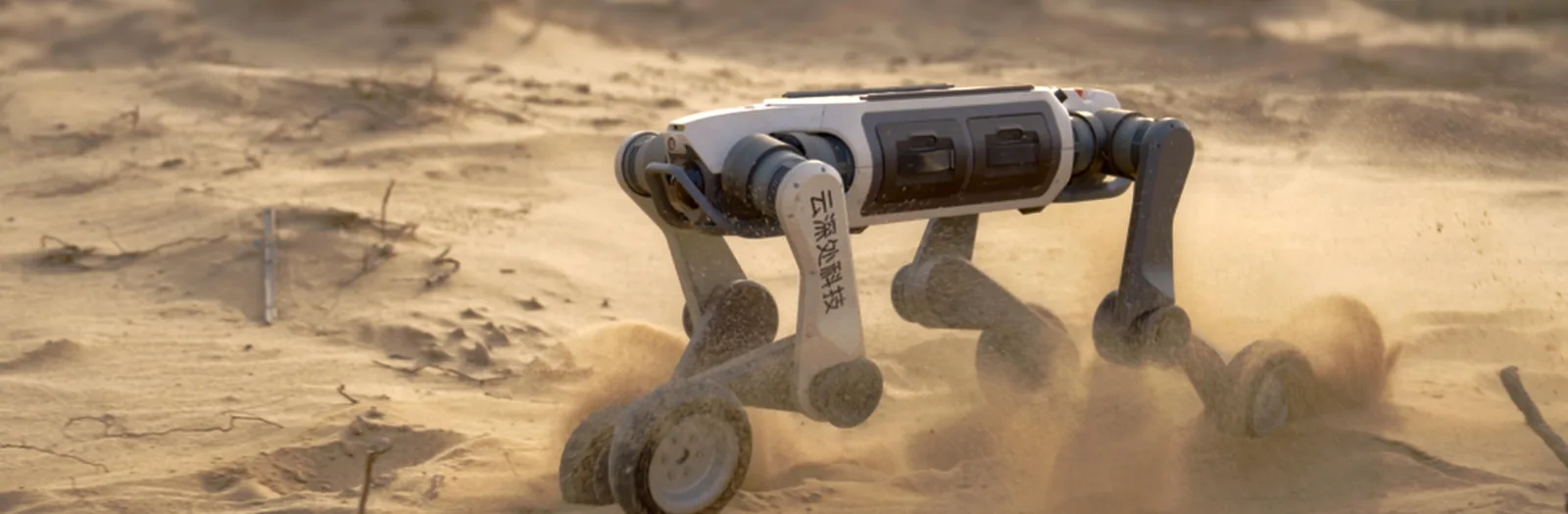
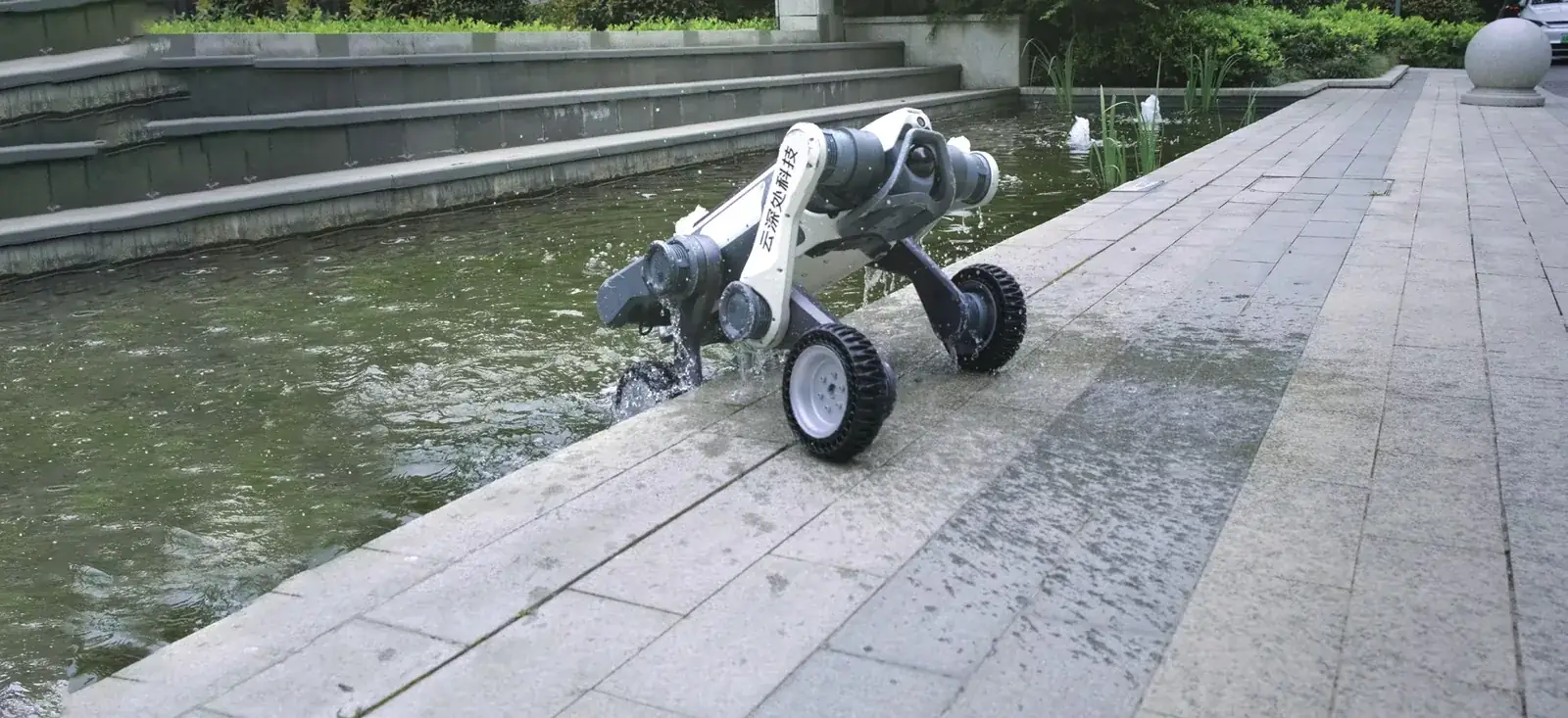
Robotlar.org sells DEEP Robotics products in Turkey and works in direct contact with the manufacturer. The Hushan case shows a wheel-legged robot dog in regular patrol use in a cattle barn. The manufacturer lists an IP66 protection rating, an operating temperature of -20 to 55 °C, continuous climbing of 25 cm stairs and passage through 50 cm narrow gaps for the Lynx M20. All technical values are on the Lynx M20 product page.
On a beef or dairy farm, the robot's route, the location of the charging station, wireless coverage in the barn and data exchange with existing ear tags, cameras or herd management software are topics to discuss at the start. We settle these with you during the site survey.
Pricing depends on the chosen configuration and is given in the quotation. For sourcing details, see the Lynx M20 price and sourcing page. To request a demo, technical information or a quotation, fill in the quotation form or reach our team through the contact page. Other DEEP Robotics models are listed on the DEEP Robotics brand page.