

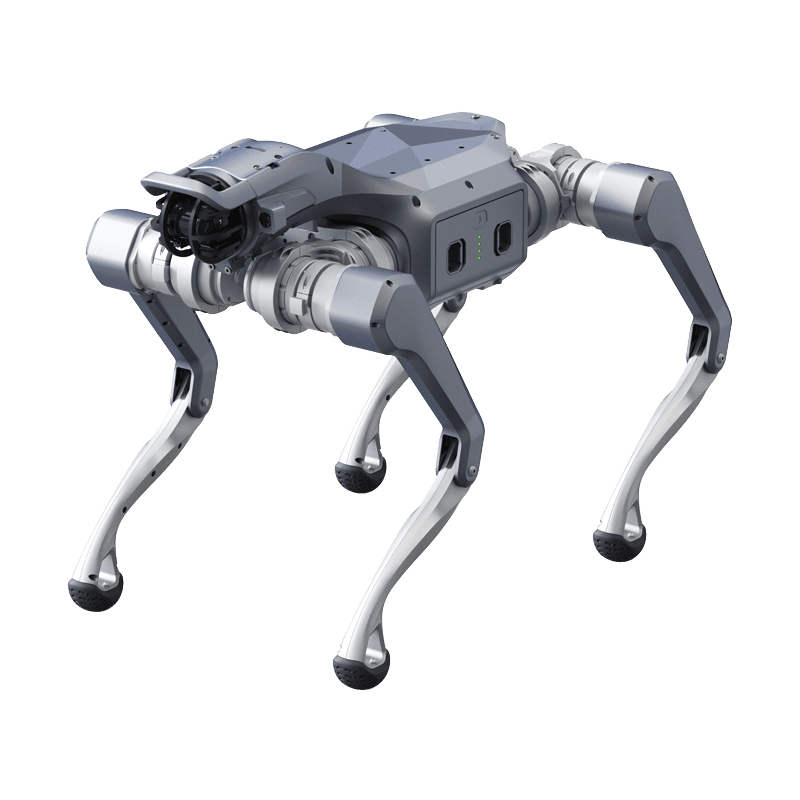
Municipal Playground Equipment Safety and Hygiene Inspection
Scenario record: it defines the environment, the mission flow and a proposed hardware and software configuration. The list below is a configuration proposal, not an installation inventory. Field projects lists deployed systems and their measurements.
- Environment
- Indoor, public area
- Operating mode
- Supervised autonomy
- Proposed robot
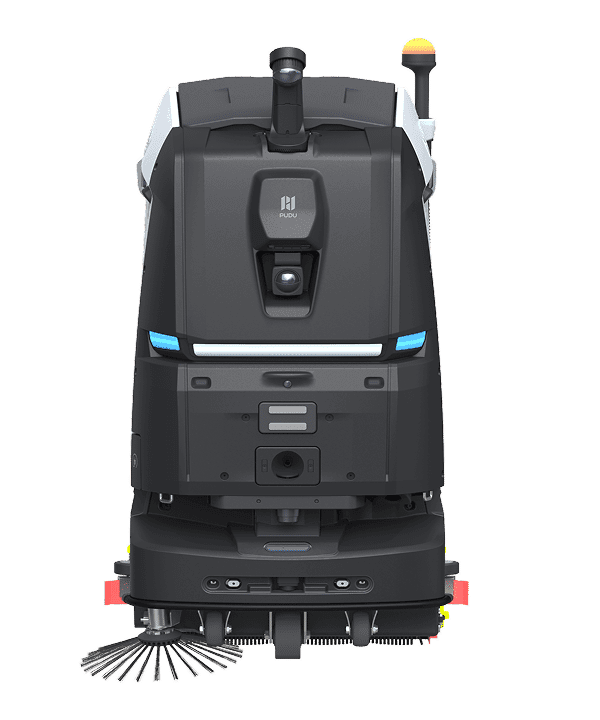
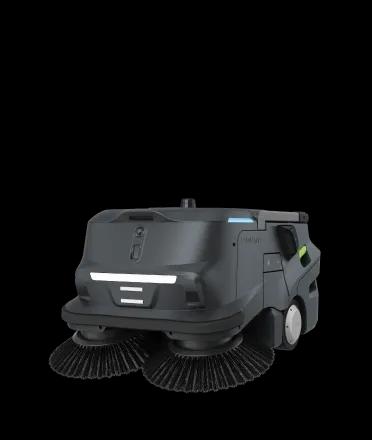
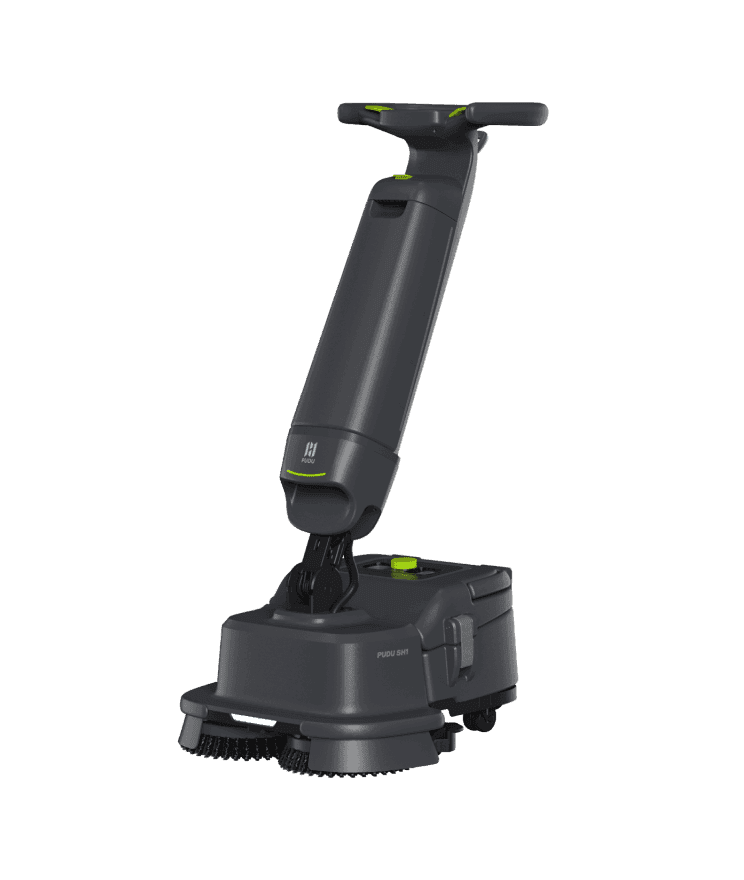
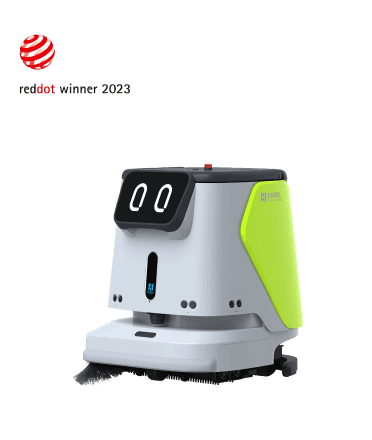
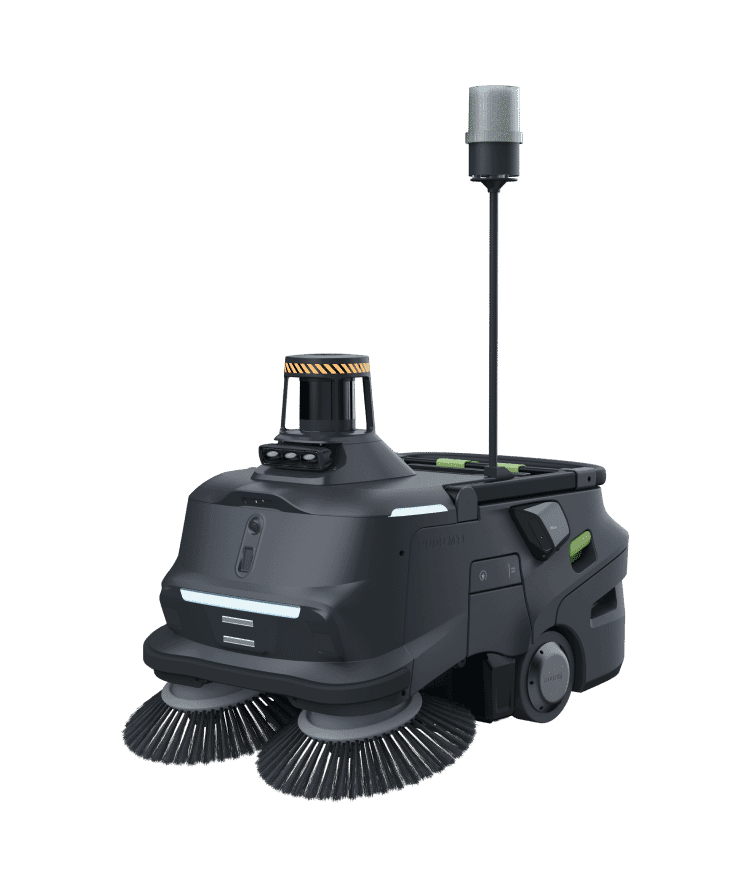
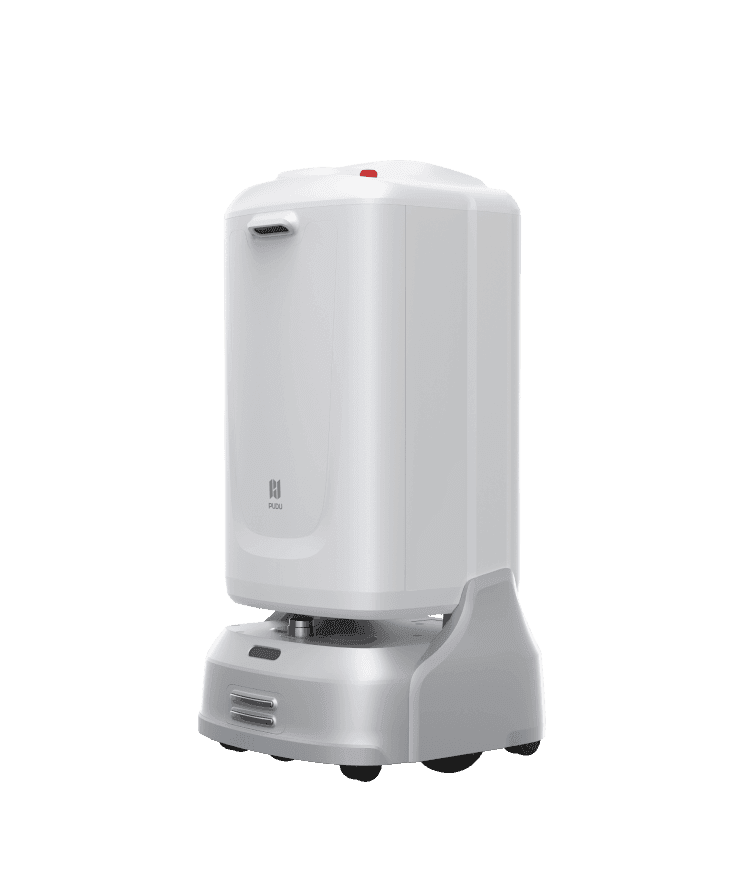
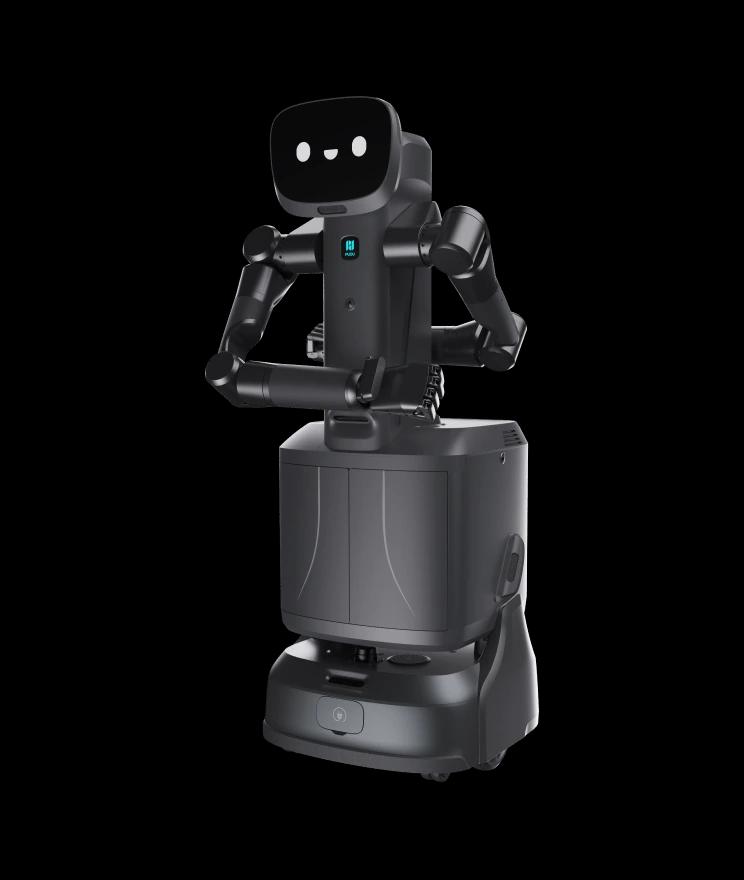
- PUDU CC1 Pro
The problem addressed
Child injuries and municipal liability lawsuits due to late detection of playground equipment defects.
Draft mission flow
- 1Robot circulates municipal playgrounds early morning scanning swings, slides, and climbing equipment with camera and LiDAR.
- 2Broken plastic parts, sharp metal edges, loosening screws, and cracking paint detected; child injury risk evaluated.
- 3Ground rubber cover wear and embedded foreign objects like glass/metal reported.
- 4Weekly park safety scorecard generated and priority work orders assigned to municipal maintenance teams.
Proposed hardware
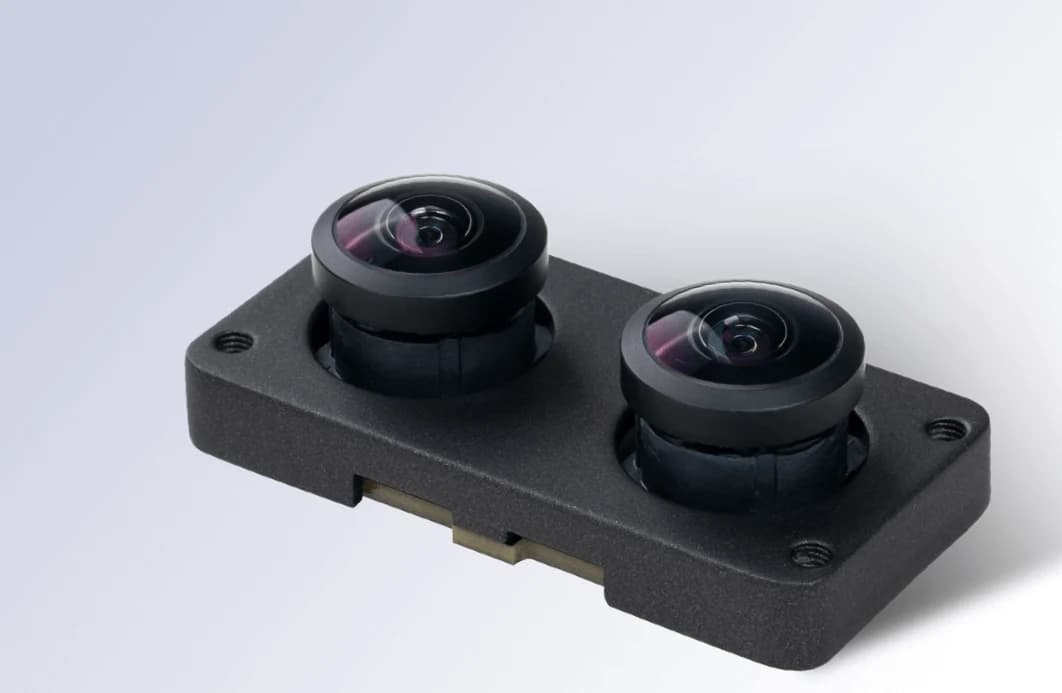
- HD Camera
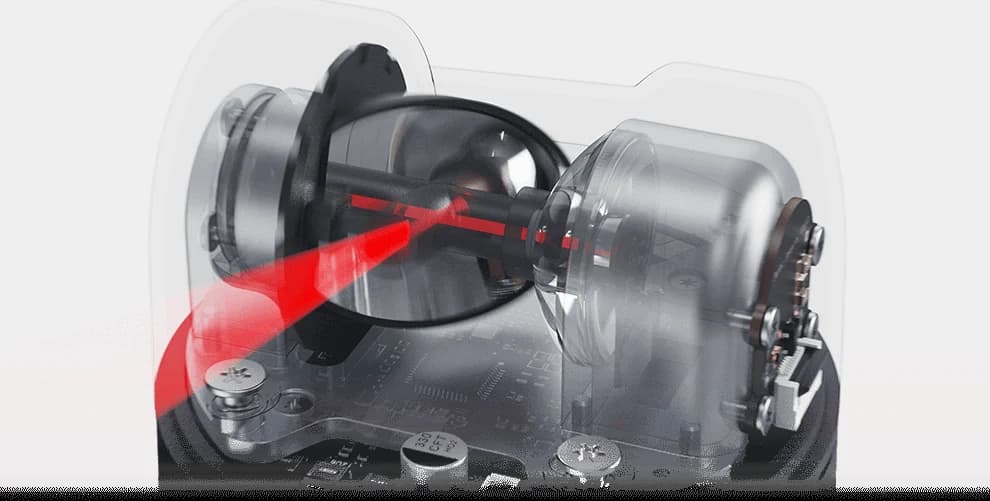
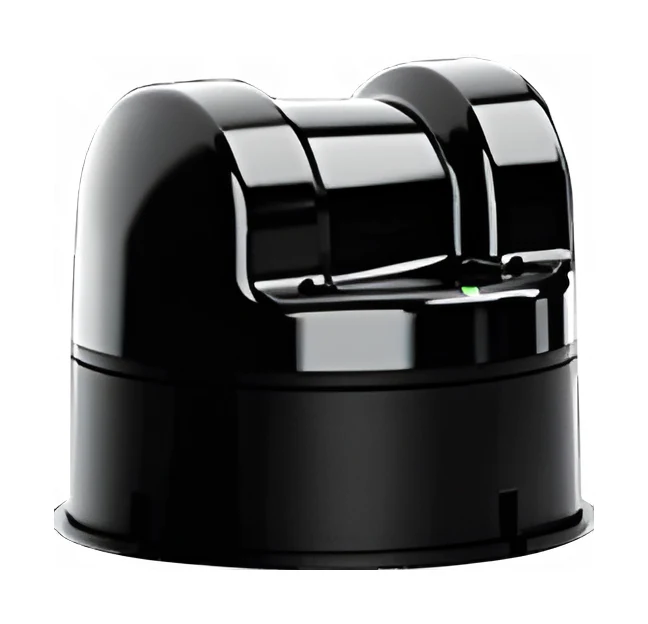
- 3D LiDAR
- Thermal Camera
- UV Fluorescent Lights
- Humidity/Temperature Sensor
Proposed software
- Navigation
- Autonomous scanning route with obstacle avoidance between playground equipment in park areas
- Model
- Playground Equipment Break/Crack Detection, Ground Cover Wear Analysis, and Hygiene Level UV Scoring
- Integration
- Municipal Parks and Gardens Directorate Maintenance System and Citizen Complaint Platform
The robot's real operating limits
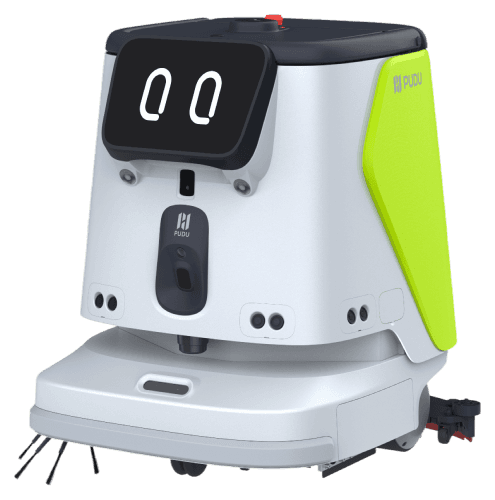
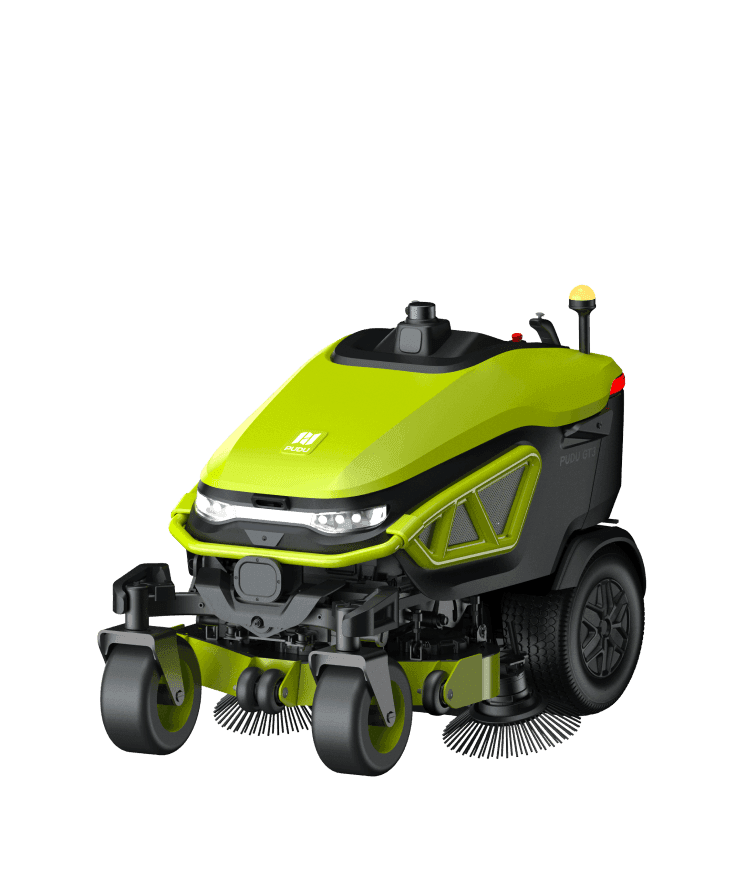
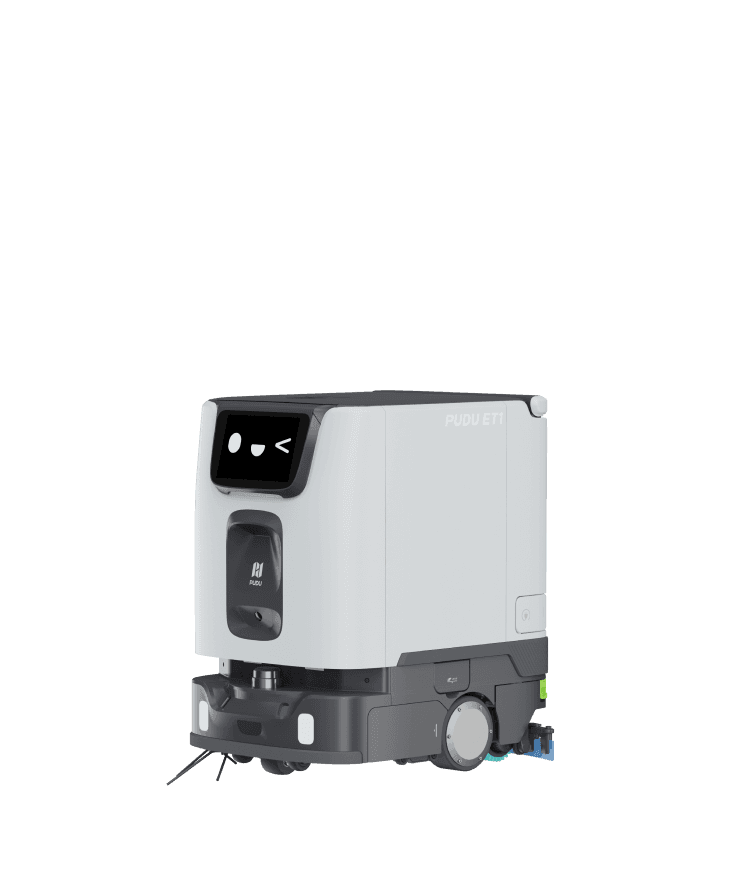
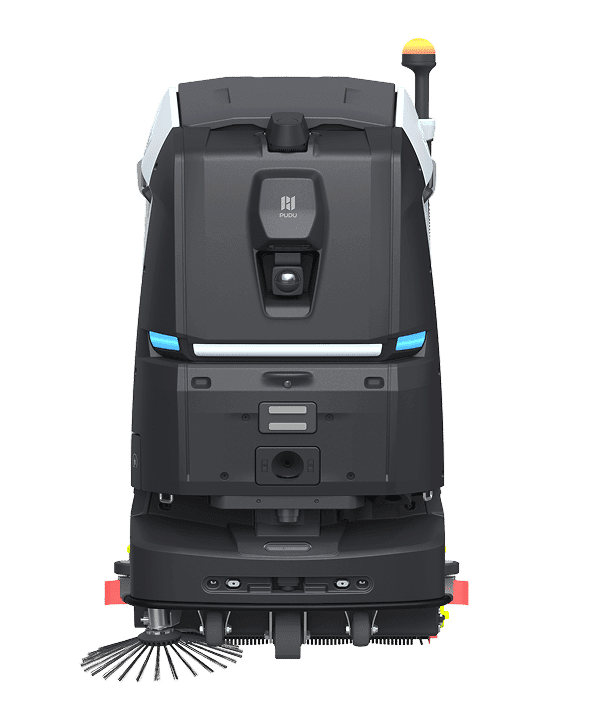
PUDU CC1 Pro
Otonom Temizlik Robotu
Product page- Runtime
- Washing: 5h, Sweeping: 5h, Carpet: 4h, Mop: 9h
- Payload
- 15L Clean / 15L Dirty Water Capacity
- Max speed
- 0.2 m/s ~ 1.2 m/s (Adjustable)
- Weight
- 75
Values are manufacturer data. Scenario fit is determined by comparing these limits with site conditions.
From scenario to installation
Feasibility is determined by the site survey: floor and route, network coverage, the charging point, intervention responsibilities and the conditions under which the robot must stop. The survey report defines the scope, the constraints and the commissioning steps.