Concept scenario
Scent Management & Air Fragrance Effectiveness Monitoring
Scenario record: it defines the environment, the mission flow and a proposed hardware and software configuration. The list below is a configuration proposal, not an installation inventory. Field projects lists deployed systems and their measurements.
- Environment
- Indoor, public area
- Operating mode
- Supervised autonomy
- Proposed robot
- Unitree AS2
The problem addressed
Bad odor (sewage, grease, trash) and insufficient/excessive scenting complaints in malls.
Draft mission flow
- 1Robot measures scent intensity in different mall zones with multi-sensor array; creates scent map.
- 2Unpleasant odors (sewage, trash, grease) detected with their source and reported to maintenance team.
- 3Fragrance device effective range and intensity verified; inefficient devices reported.
- 4Zone-based scent profile and customer comfort correlation analyzed to optimize scenting strategy.
Proposed hardware
- Multi-Odor Sensor Array
- Humidity Sensor
- Airflow Sensor
- Temperature Sensor
- LED Display
Proposed software
- Navigation
- Scent measurement route covering mall common areas and fragrance distribution points
- Model
- Scent Intensity Mapping, Unpleasant Odor Source Detection, and Fragrance Distribution Efficiency
- Integration
- Mall Scenting HVAC System and Ambiance Management Platform
The robot's real operating limits
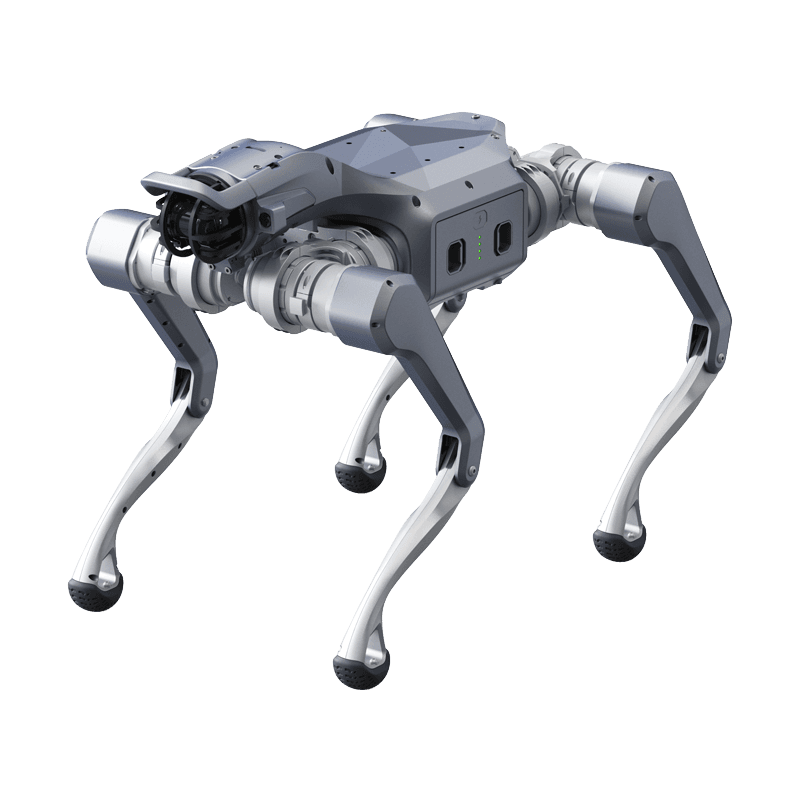
Unitree AS2
Compact industrial robot dog
Product page- Ingress rating
- IP54
- Runtime
- >4 hours (No load)
- Operating temperature
- -20°C to 50°C
- Payload
- Up to 65 kg
- Max speed
- >5 m/s
- Climb
- 40°
Values are manufacturer data. Scenario fit is determined by comparing these limits with site conditions.
From scenario to installation
Feasibility is determined by the site survey: floor and route, network coverage, the charging point, intervention responsibilities and the conditions under which the robot must stop. The survey report defines the scope, the constraints and the commissioning steps.