
Store Music & TV Sound Bleed Control
Scenario record: it defines the environment, the mission flow and a proposed hardware and software configuration. The list below is a configuration proposal, not an installation inventory. Field projects lists deployed systems and their measurements.
- Environment
- Indoor, public area
- Operating mode
- Supervised autonomy
- Proposed robot
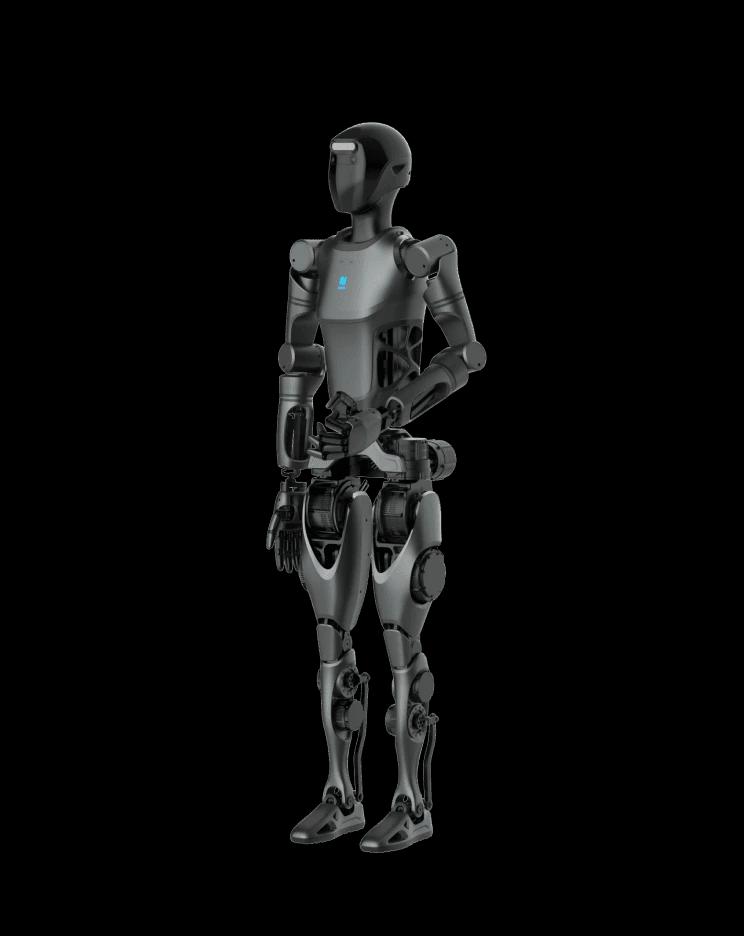
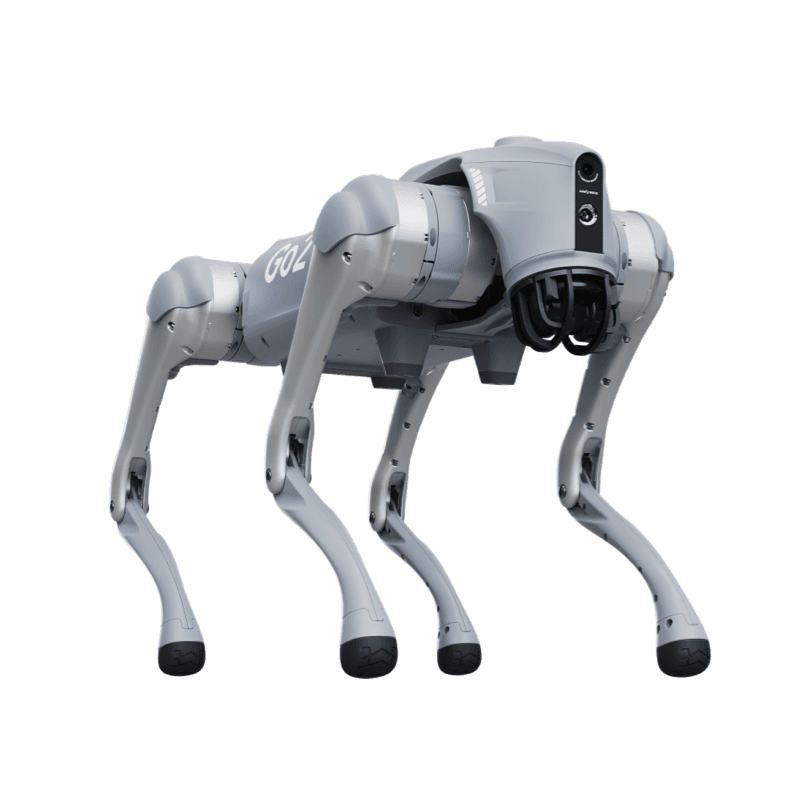
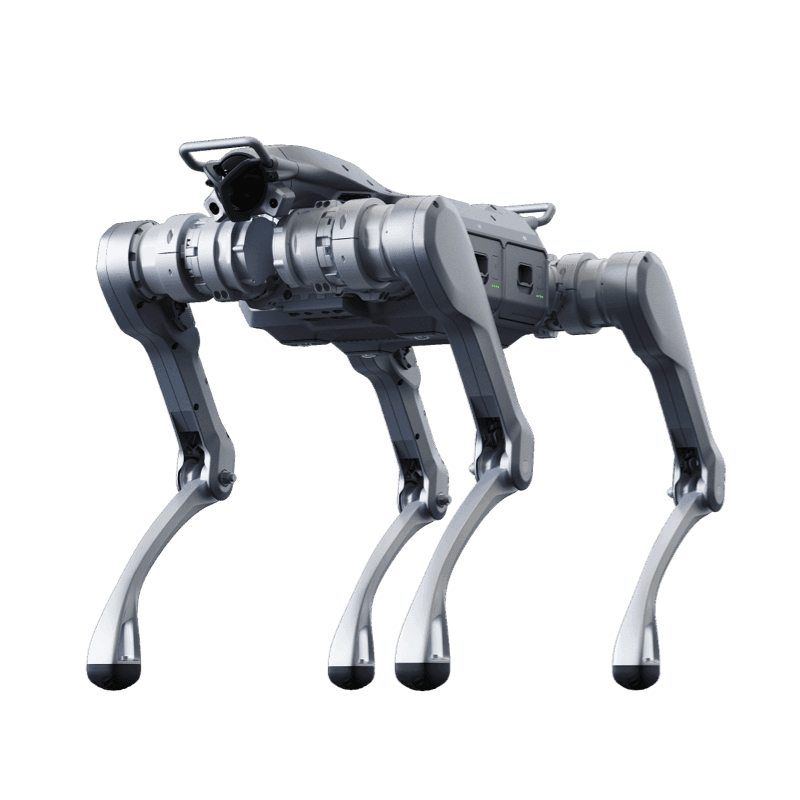
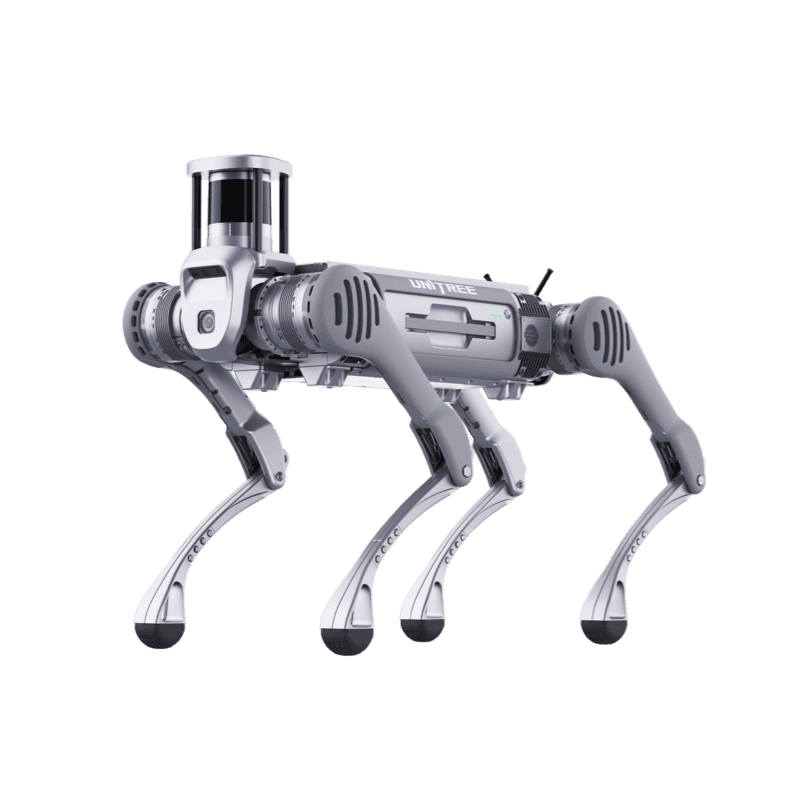
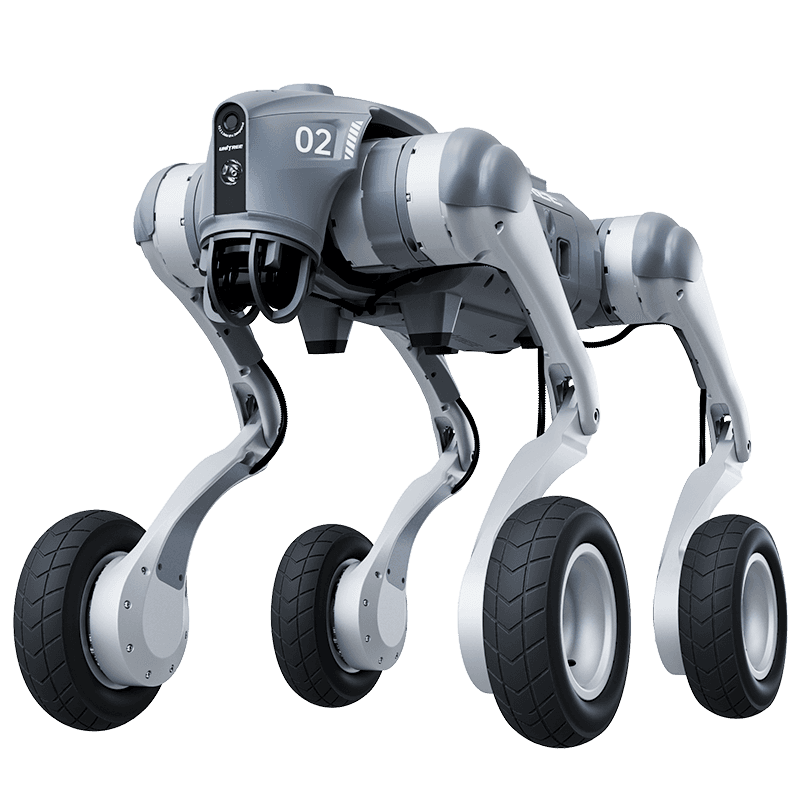
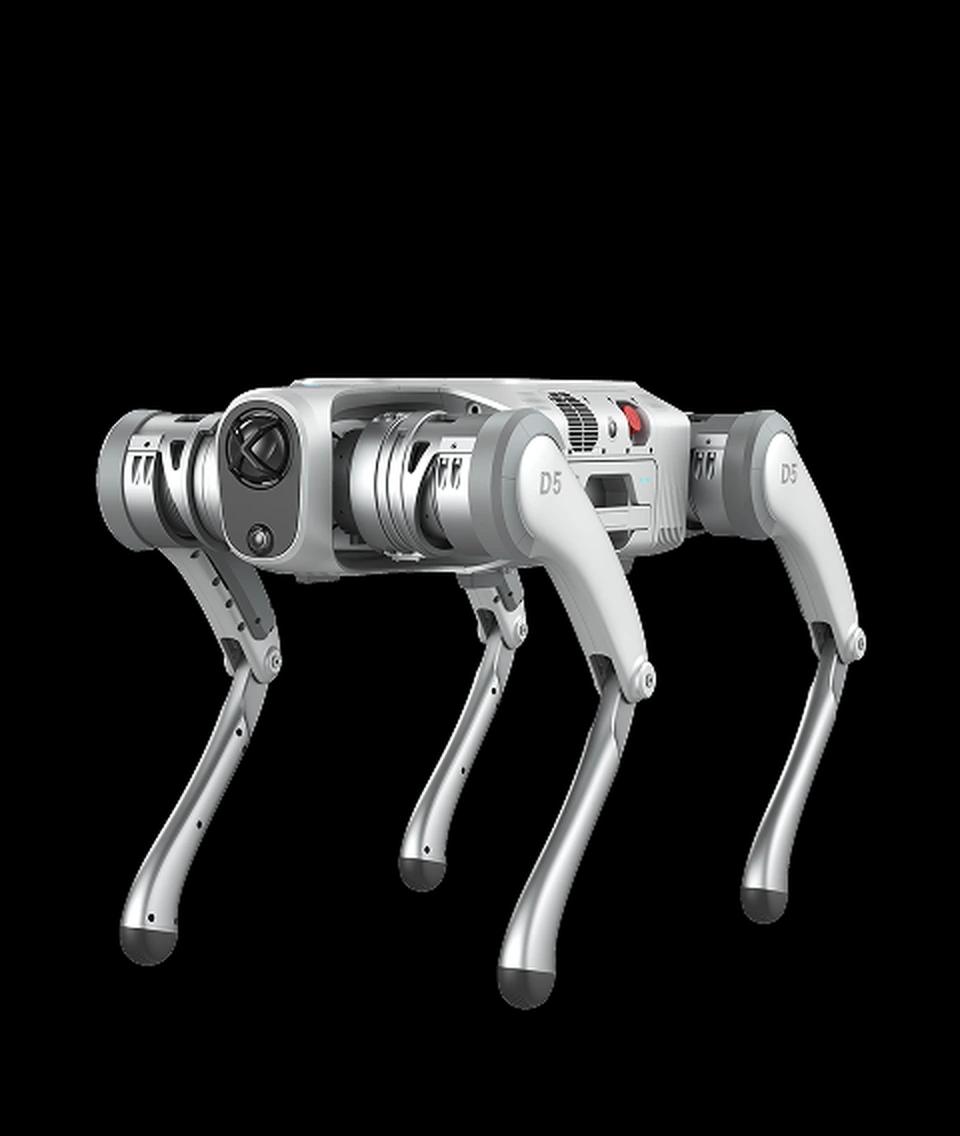
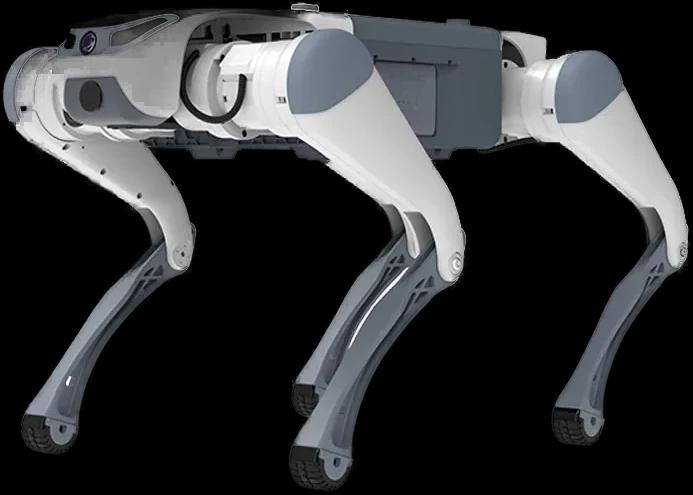
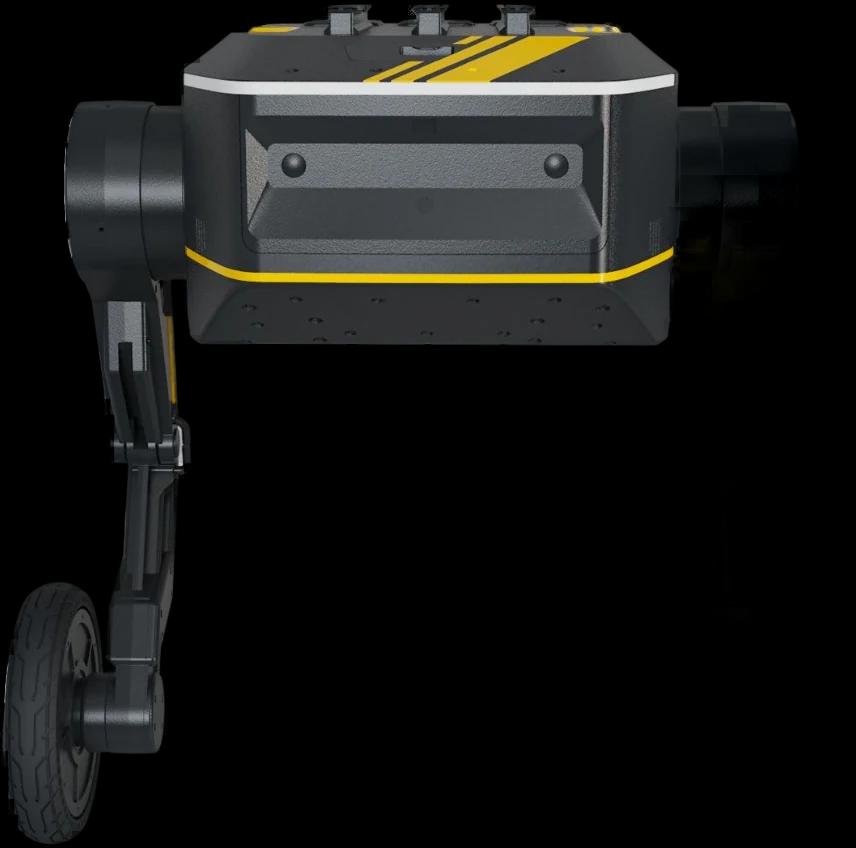
- Unitree AS2
The problem addressed
Stores playing excessively loud music disturbing neighboring stores and corridor customers.
Draft mission flow
- 1Robot moves along store fronts measuring outward sound level of each store with directional microphones.
- 2Stores exceeding tenant contract sound limit (typically 65dB) detected and automatic warning sent.
- 3Sound overlap between adjacent stores analyzed; customer discomfort potential reported.
- 4Weekly sound compliance report identifies most frequently violating hours and stores.
Proposed hardware
- Directional Microphone Array
- Decibel Meter
- HD Camera
- LED Info Display
- WiFi Module
Proposed software
- Navigation
- Slow pass and sound measurement route along mall store fronts
- Model
- Store Sound Bleed Localization, Content Classification (Music/Ad/TV), and Neighbor Impact Analysis
- Integration
- Mall Tenant Management Portal and Sound Policy Compliance System
The robot's real operating limits
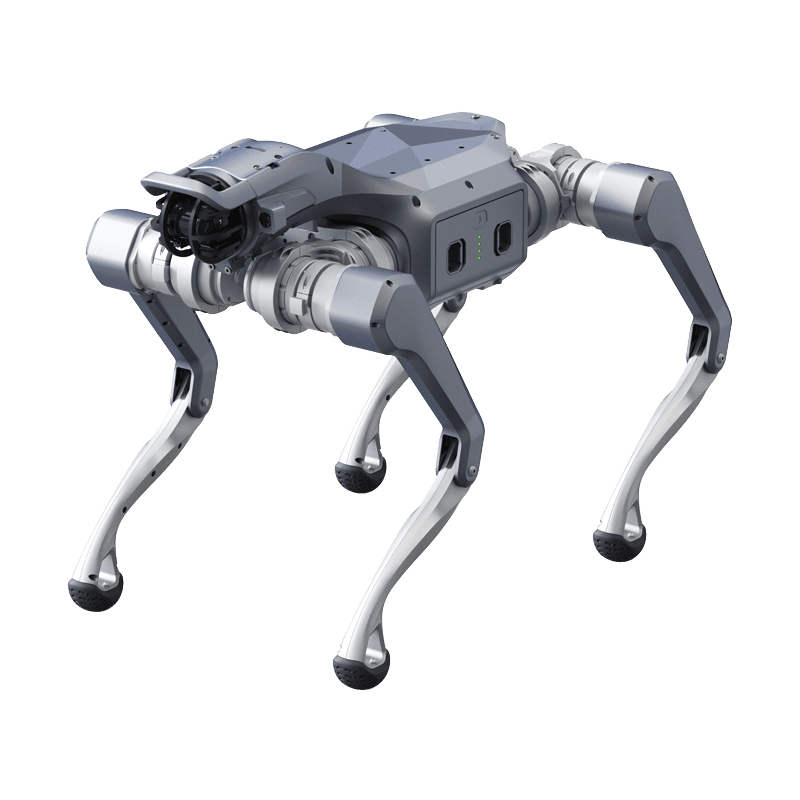
Unitree AS2
Industrial Capacity in a Compact Chassis
Product page- Ingress rating
- IP54
- Runtime
- >4 hours (No load)
- Operating temperature
- -20°C to 50°C
- Payload
- Up to 65 kg
- Max speed
- >5 m/s
- Climb
- 40°
Values are manufacturer data. Scenario fit is determined by comparing these limits with site conditions.
From scenario to installation
Feasibility is determined by the site survey: floor and route, network coverage, the charging point, intervention responsibilities and the conditions under which the robot must stop. The survey report defines the scope, the constraints and the commissioning steps.