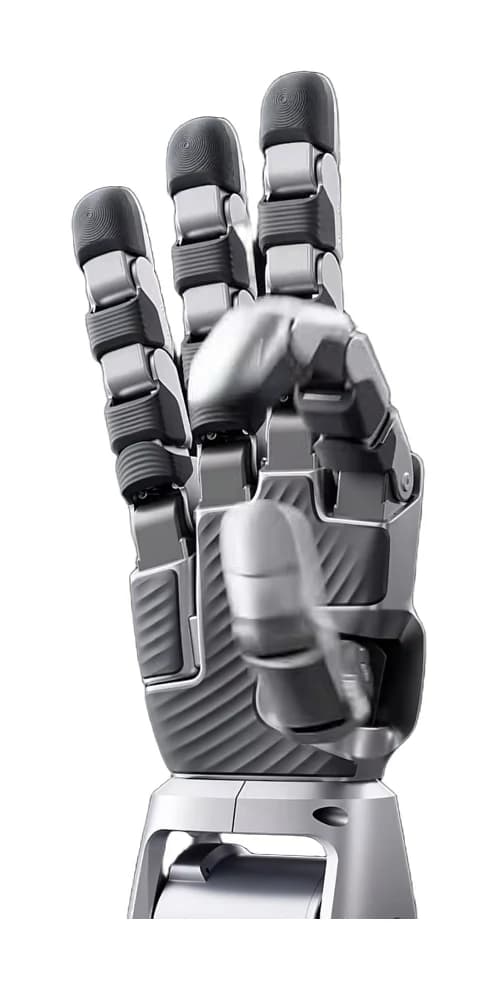
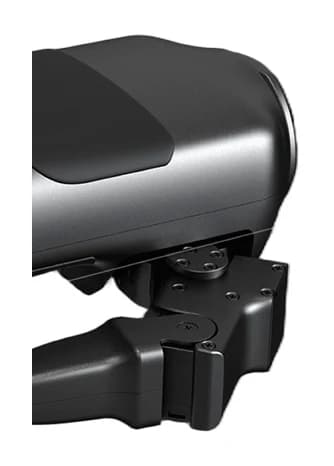
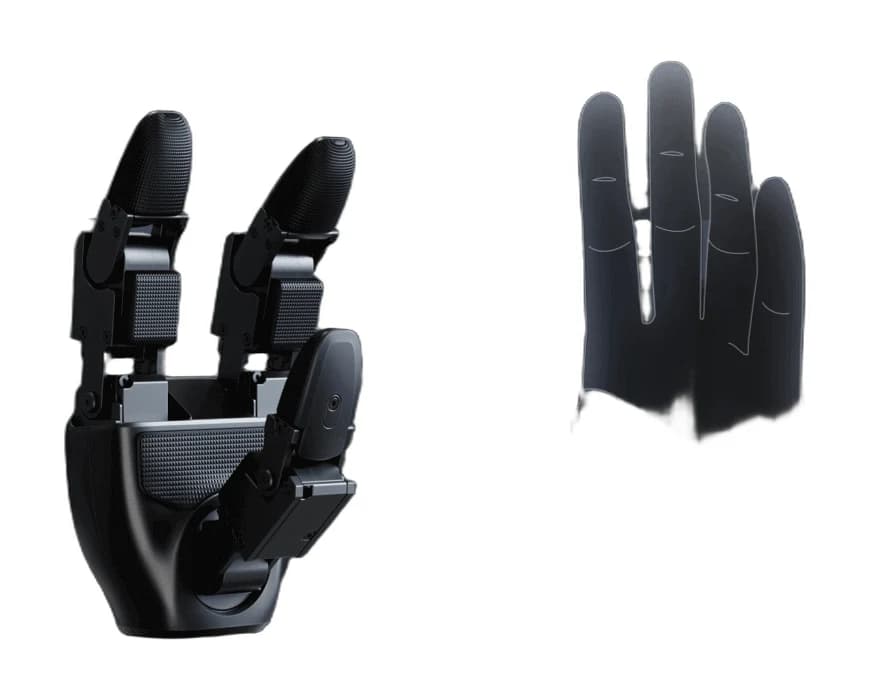
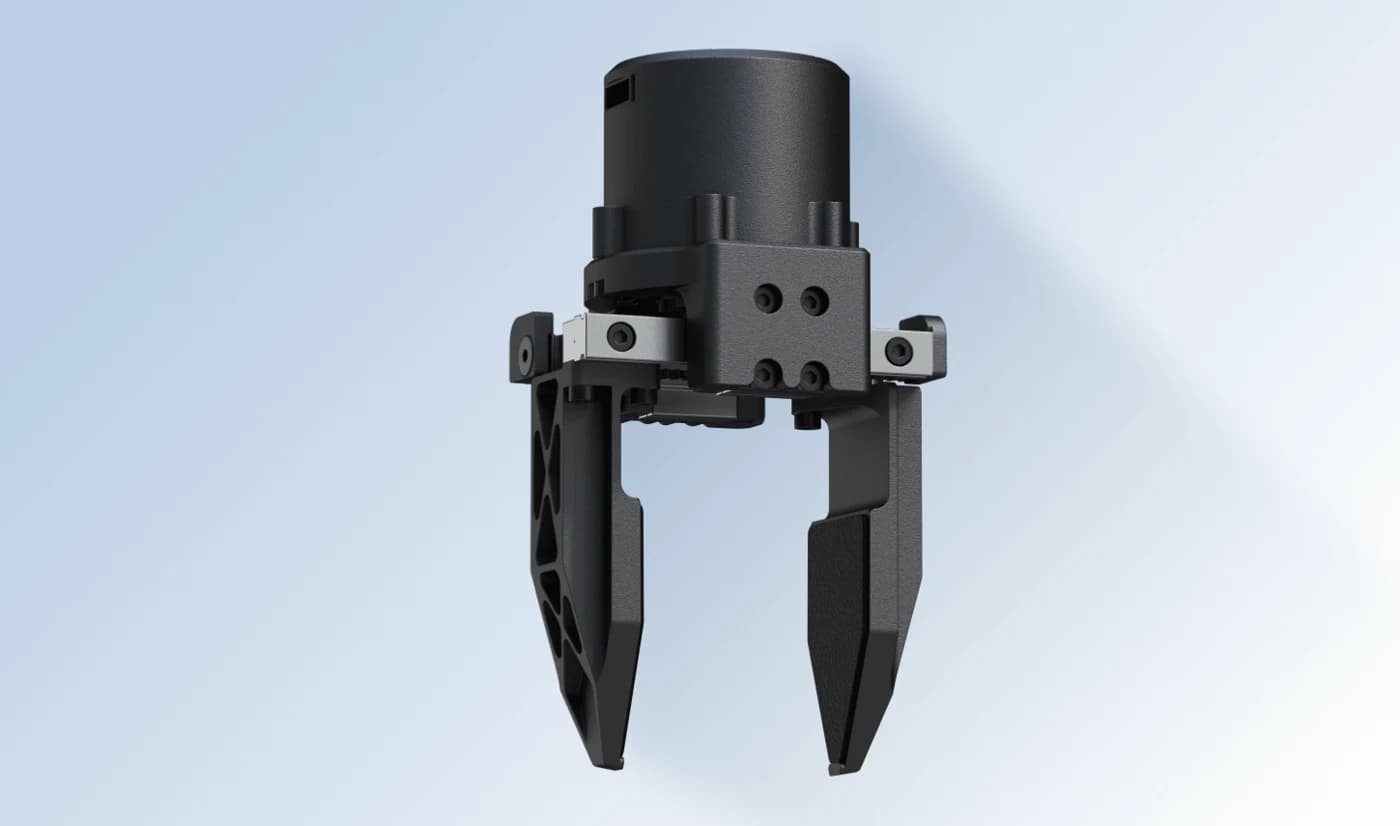

The Market Picture in 2026
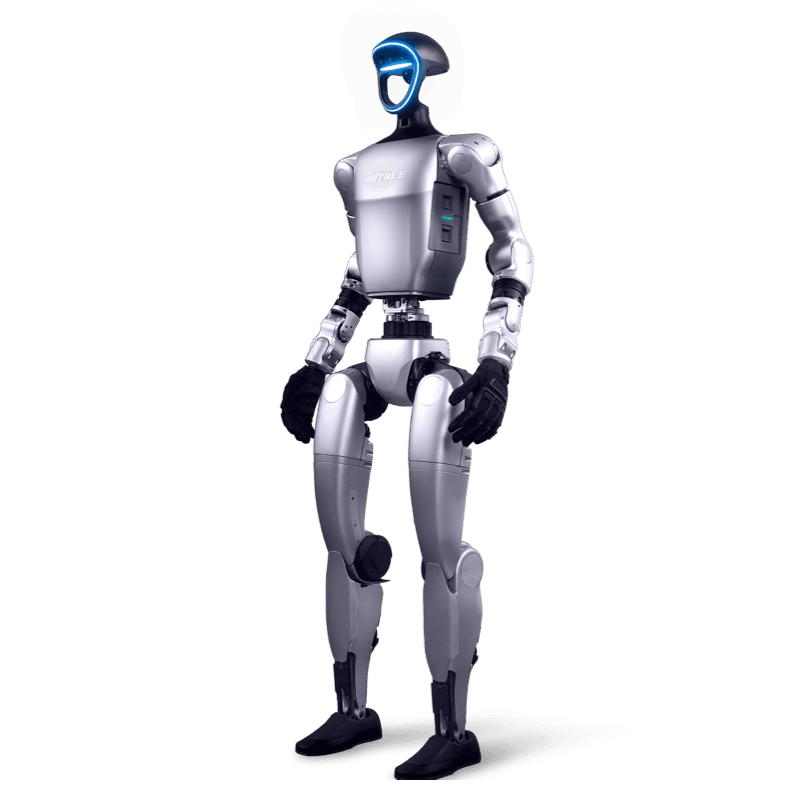
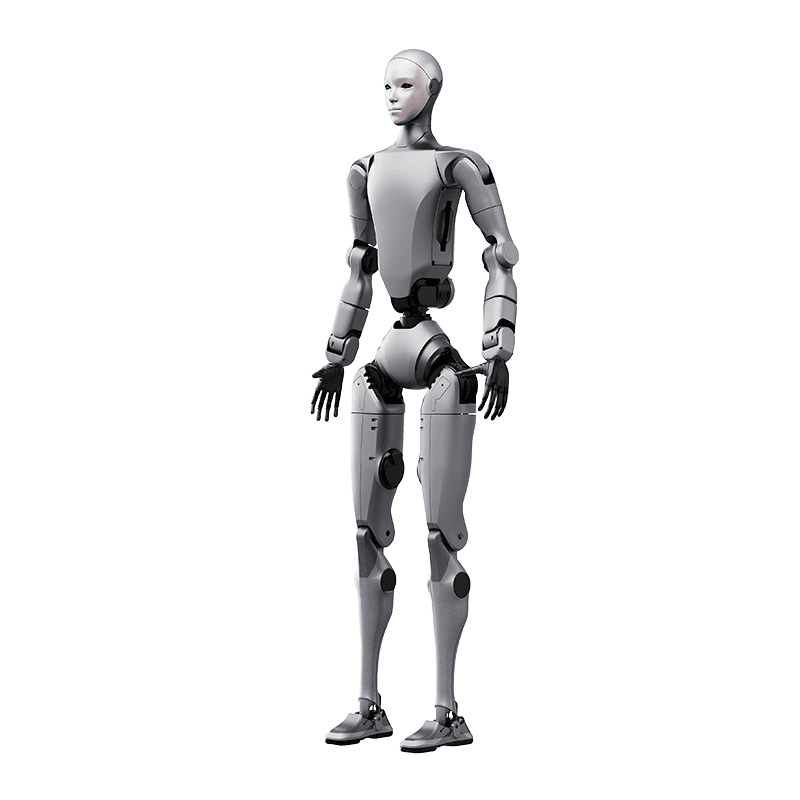
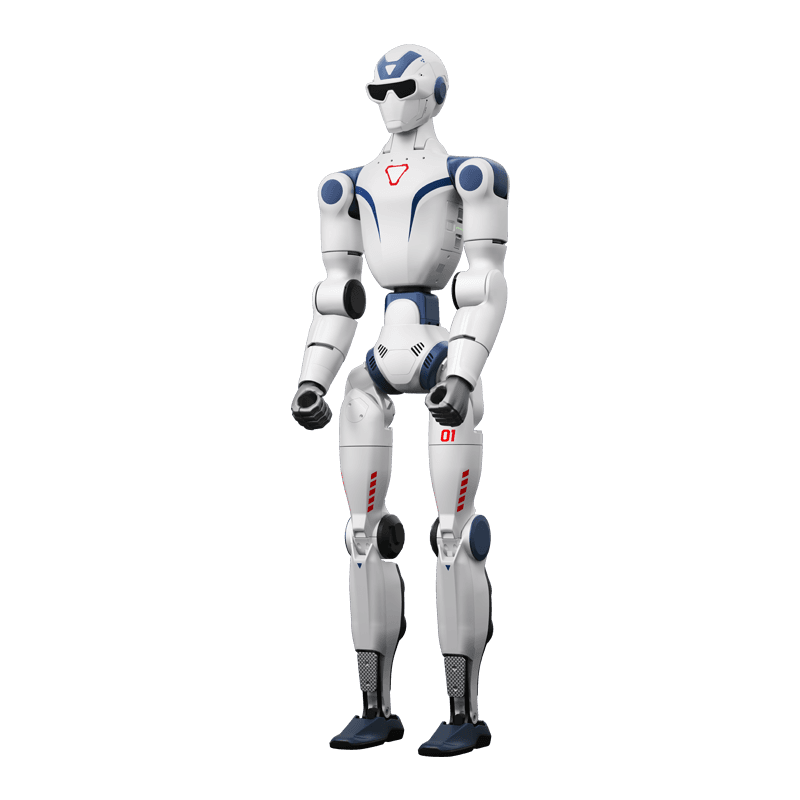
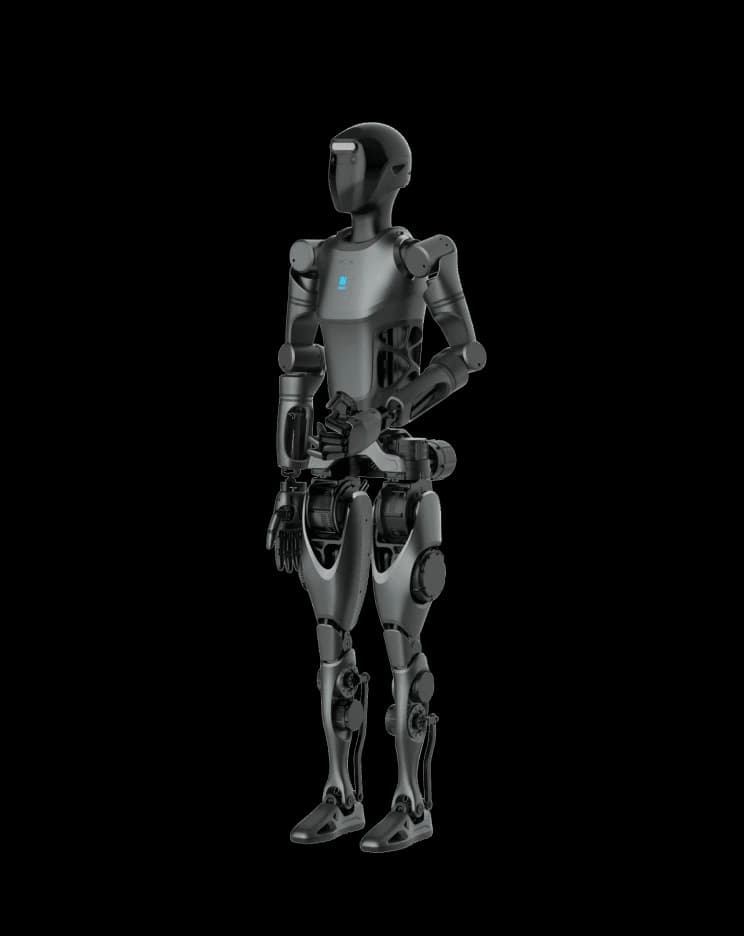
Unitree closed 2025 as the shipment leader with 5,500 units; according to TIME, the company reached a $6 billion valuation in its IPO filing. The first half of 2026 changed the picture: per Smart Analytics Global, global shipments rose 272 percent year over year to 19,100 units and AgiBot took the lead with a 44 percent share; Unitree is second at 31 percent. China's MIIT projects 2026 output above 100,000 units. In short, this is no longer a prototype race but a mass-production race.
Shipment Leaders: The AgiBot and Unitree Duopoly
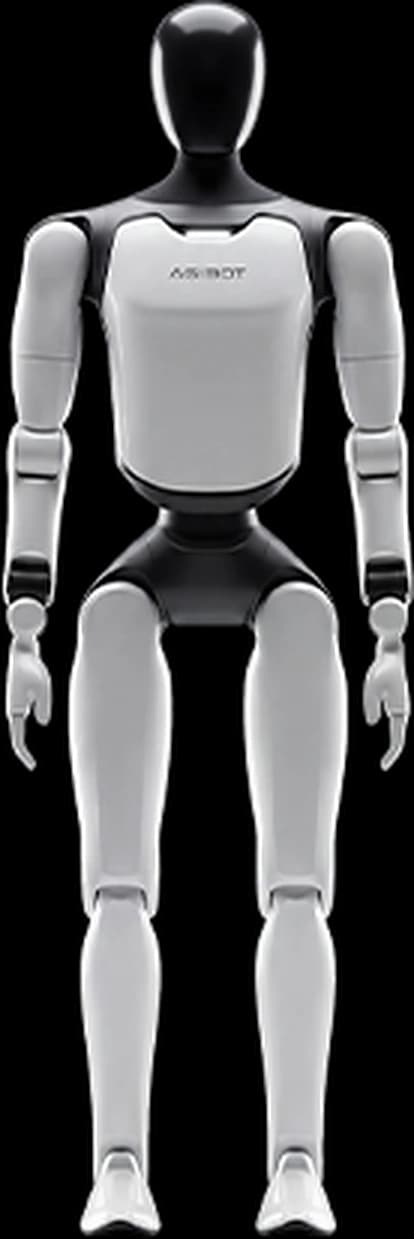
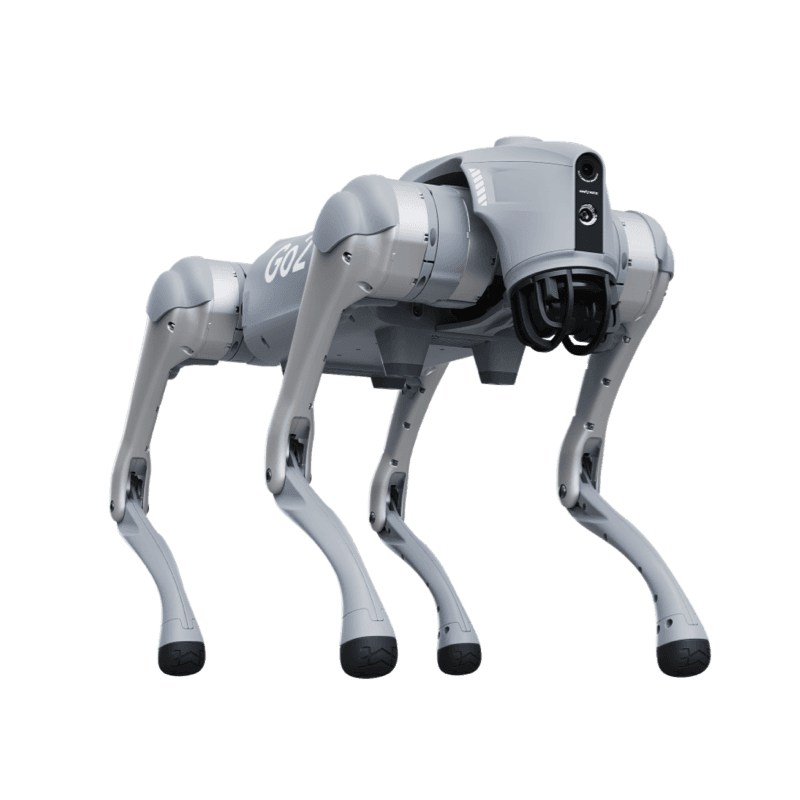
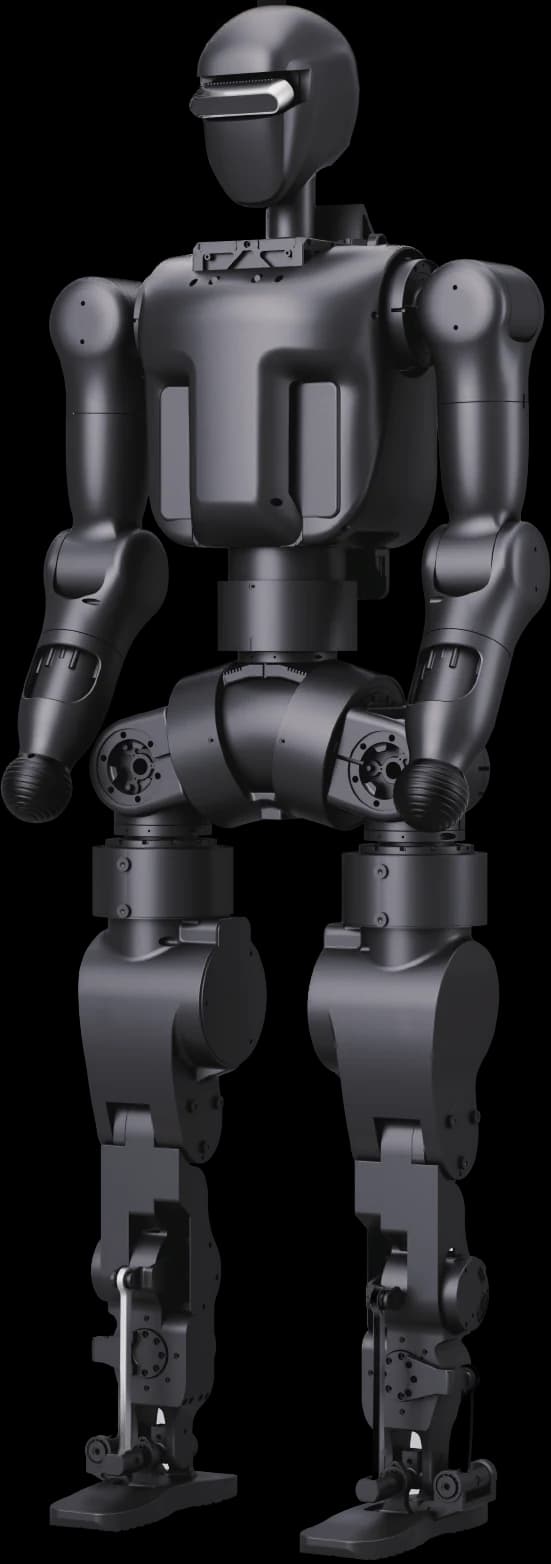
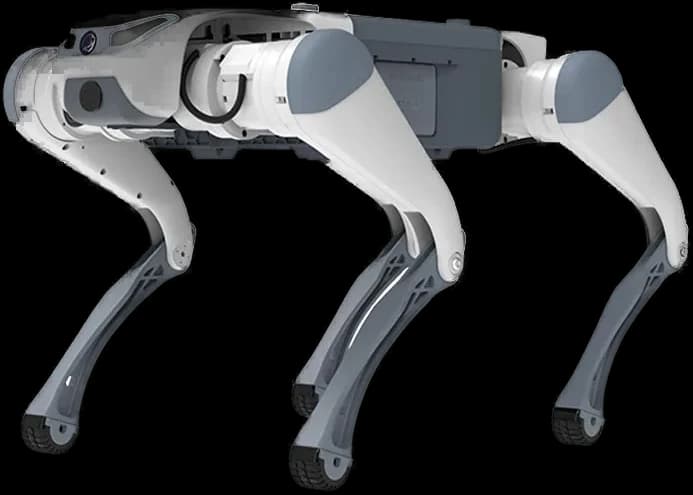
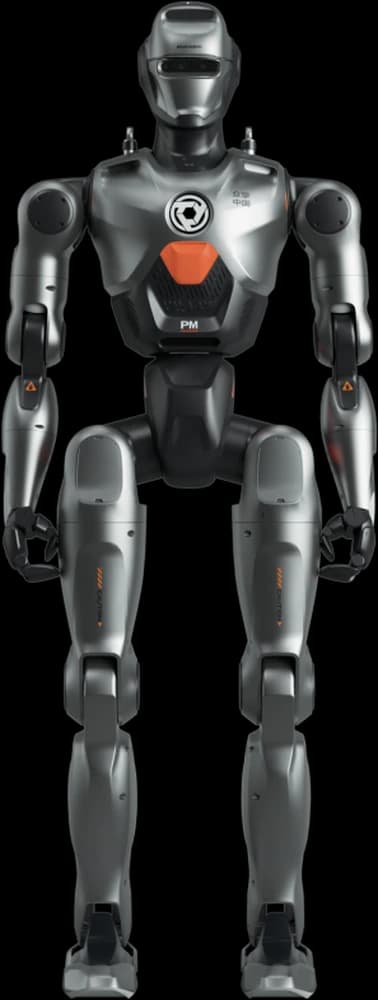
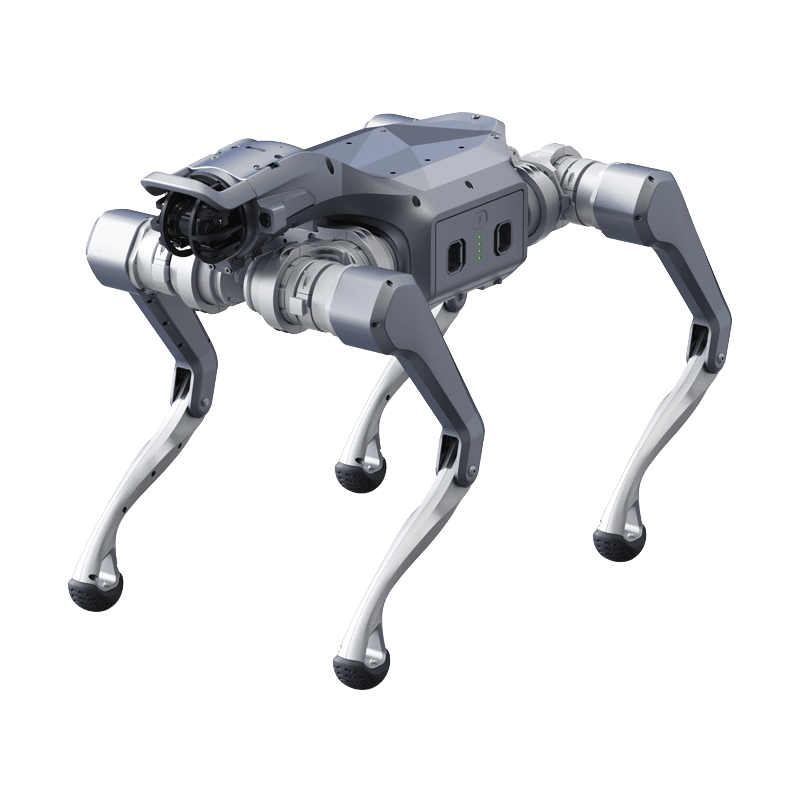
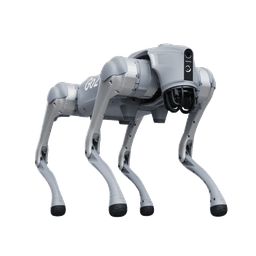
AgiBot (Zhiyuan Robotics) shipped roughly 8,400 humanoids in the first half of 2026, up 562 percent year over year. On the Unitree side, CEO Wang Xingxing forecasts 10,000 to 20,000 deliveries in 2026. Their strengths differ: AgiBot leads on volume and data infrastructure, while Unitree leads on price/accessibility and product family breadth. Unitree's range runs from quadrupeds (Go2) to the compact humanoid (G1) and the full-size industrial humanoid (H2); combined with a single SDK umbrella, that breadth lowers the cost of moving from research to the field.
Who Has the Biggest GitHub Support?
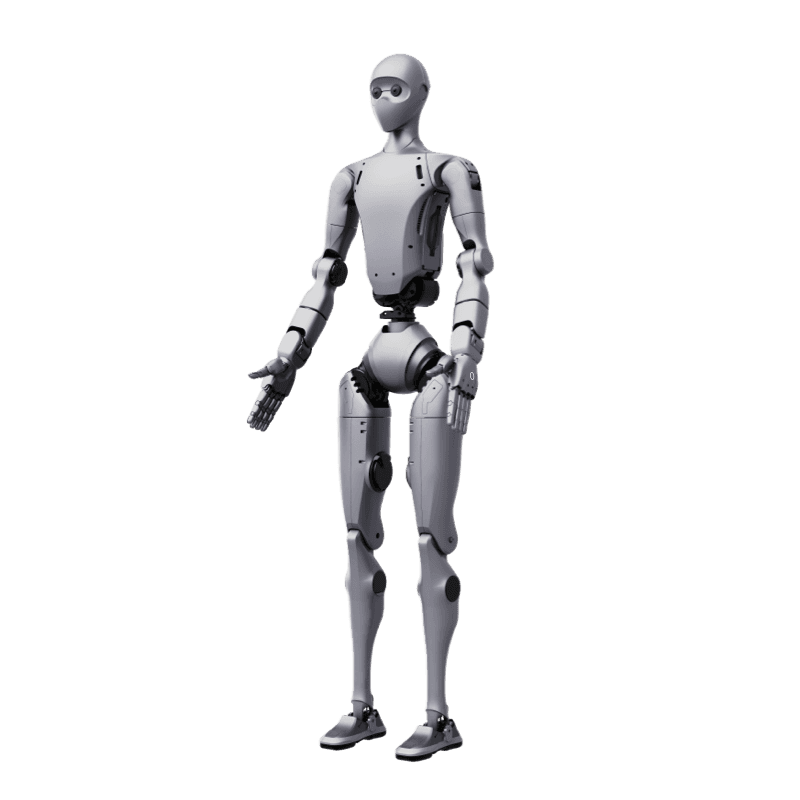
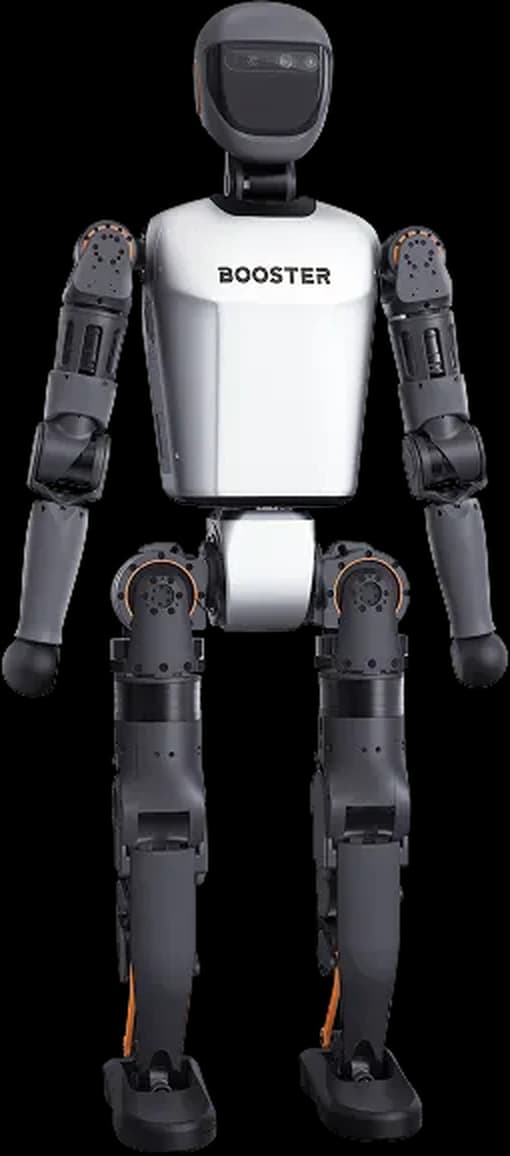
There are four distinct openness strategies. Unitree offers the broadest practical ecosystem with 46+ public repositories: SDK2, ROS2 packages, RL training environments, XR teleoperation and LeRobot integration; we map it on our open source page and in the G1 GitHub repository map. Fourier open-sourced the N1 humanoid down to the hardware: BOM, CAD files, actuator specs and control code are on GitHub; the most radical open-hardware move in the field. AgiBot opens data rather than code: AgiBot World is the field's largest open manipulation dataset with over 1 million real-robot trajectories and an IROS 2025 best paper finalist. Booster owns the education niche: the T1 is the platform of the RoboCup 2025 AdultSize championship, with an open SDK and simulation environment. Players like EngineAI also open SDKs and model files, but their ecosystems are still small.
Who Is in the Factories? UBTech and the Automotive Front
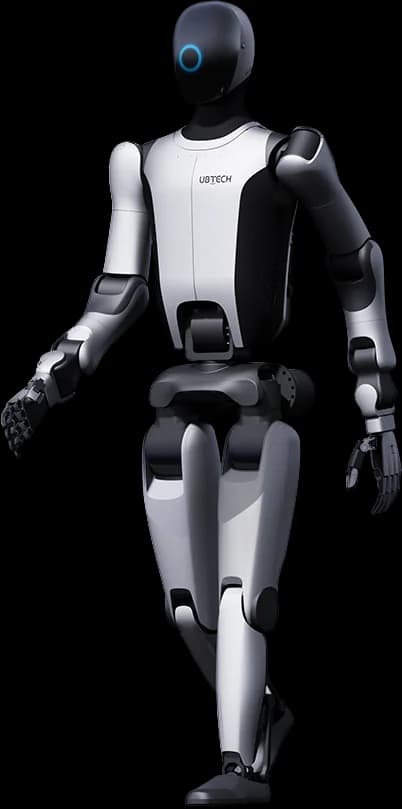
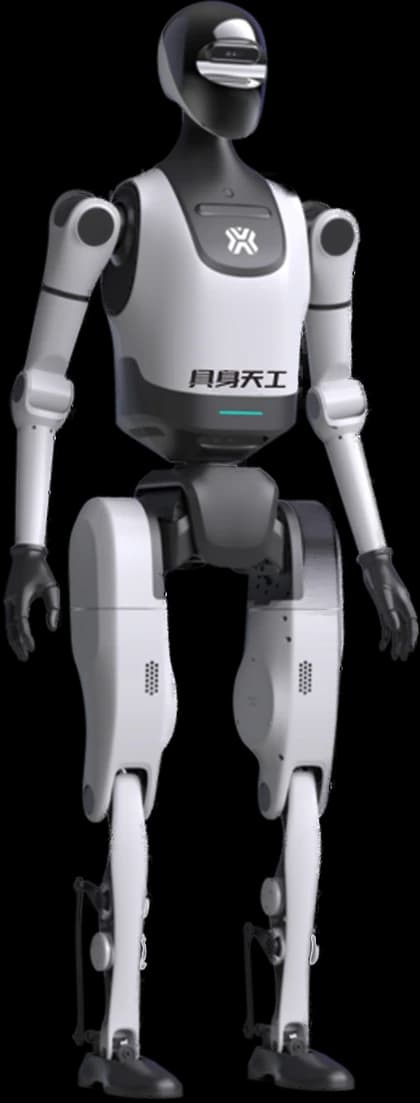
Fourth by unit count, UBTech was 2025's revenue leader at roughly RMB 2 billion. The Walker S2 entered real production lines with 1,079 units shipped in 2025 and over 800 million yuan in orders: it works at BYD, Foxconn, Geely, FAW-Volkswagen, Audi FAW and SF Express sites, with Airbus joining in January 2026. Capacity targets are 5,000 units in 2026 and 10,000 in 2027. A separate wave is manufacturers building their own humanoids: automotive and electronics giants like Xiaomi (CyberOne) and GAC are developing robots for their own factories. We compare which robot class fits factory scenarios in the humanoid robot category.
The Model That Works in Retail: Galbot
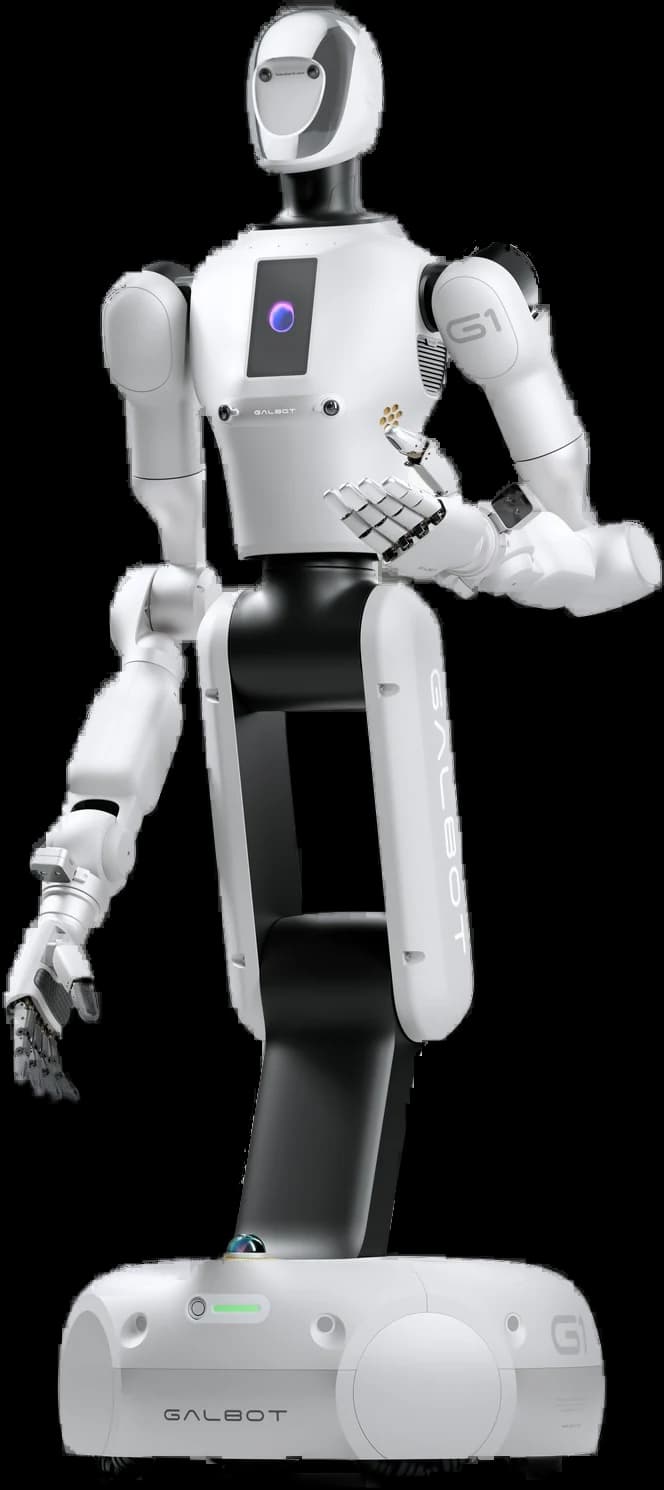
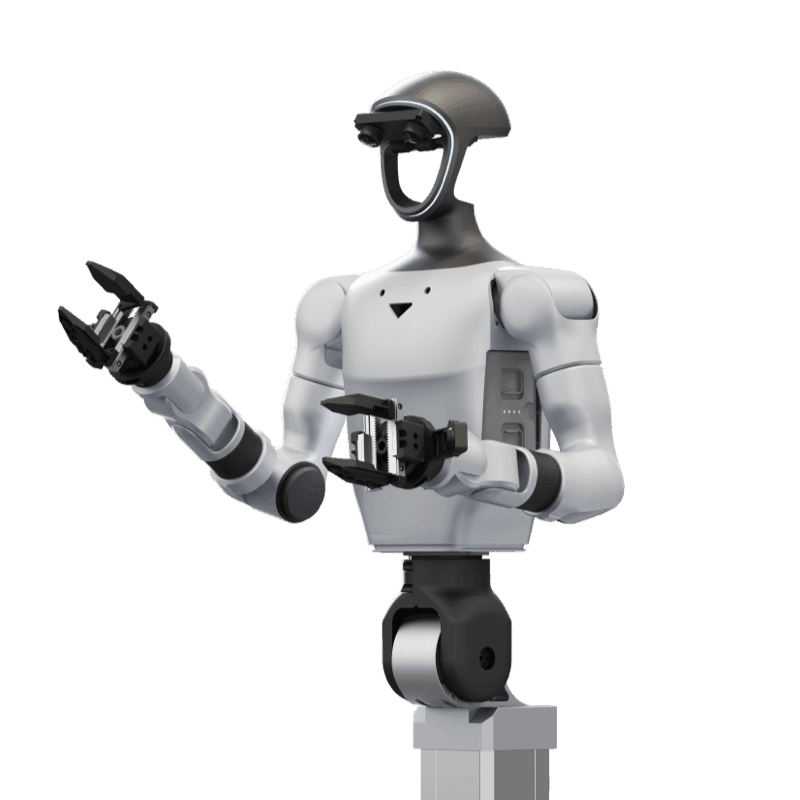
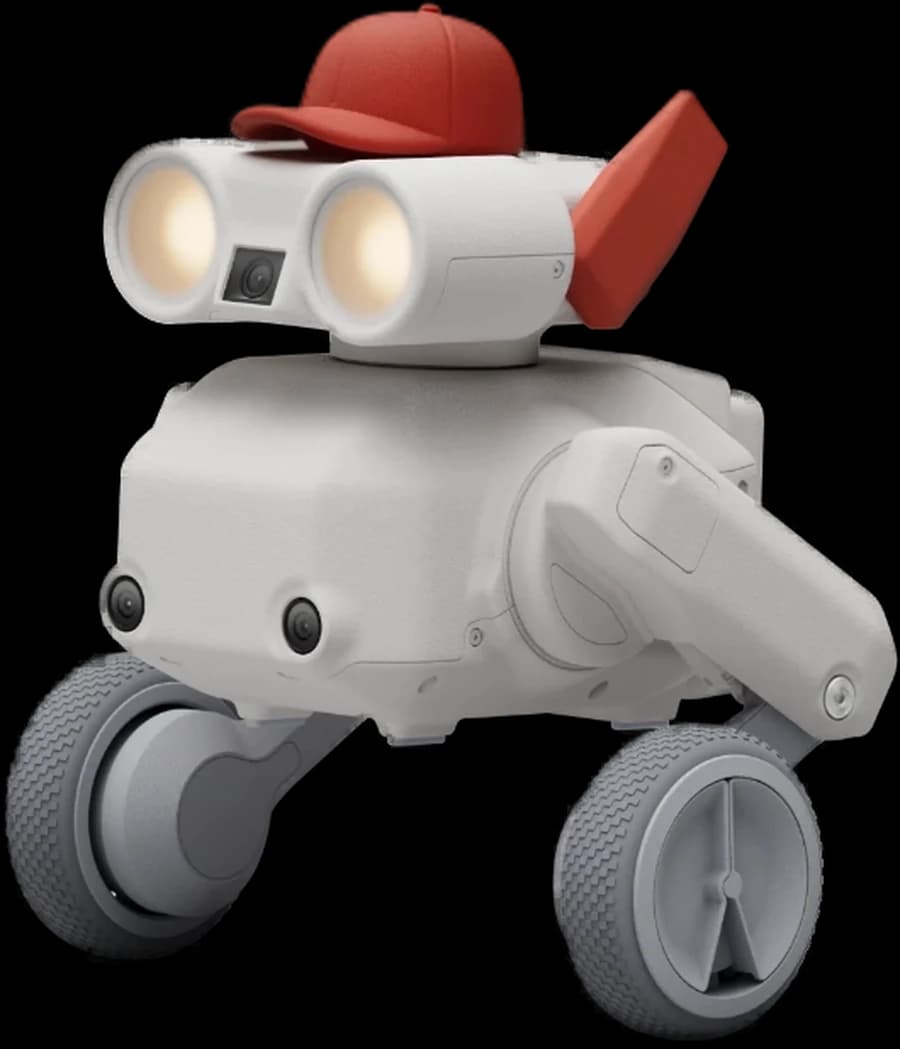
Galbot runs one of the most concrete money-making humanoid business models today: its wheeled G1 humanoid (47 degrees of freedom, 10-hour battery, zero-shot grasping across 5,000+ object types) operates fully autonomous stores. As of mid-2026 more than 170 autonomous retail units are live across 40+ cities, and the company raised $300 million to scale, with pilots at CATL, Bosch, Toyota and Hyundai. The wheeled-base choice is an important lesson: when the task lives on flat floors, wheels instead of legs are the shortcut to productizing autonomy today.
Which Company for Which Job?
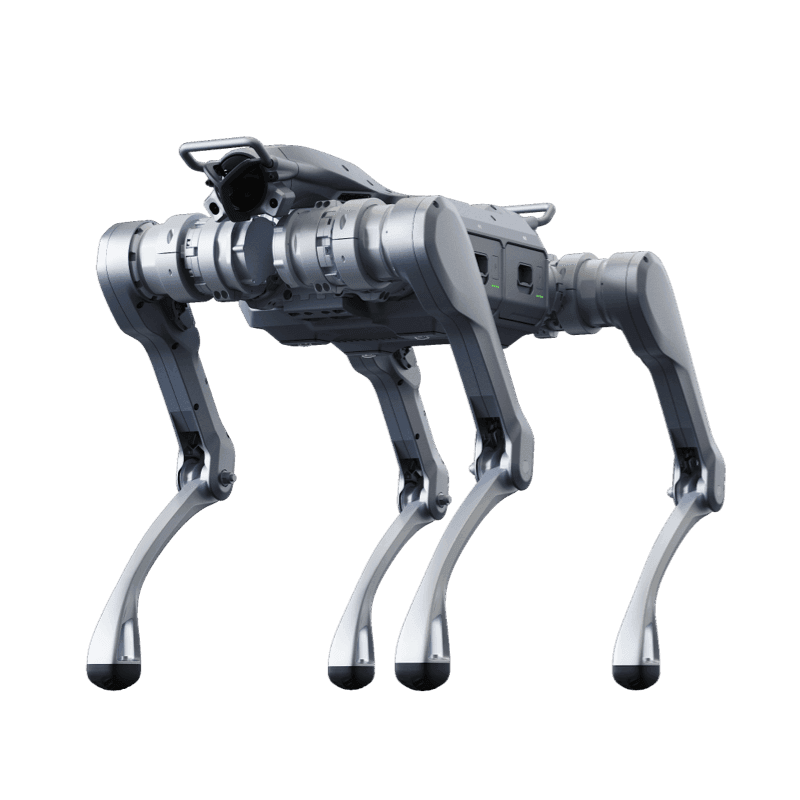
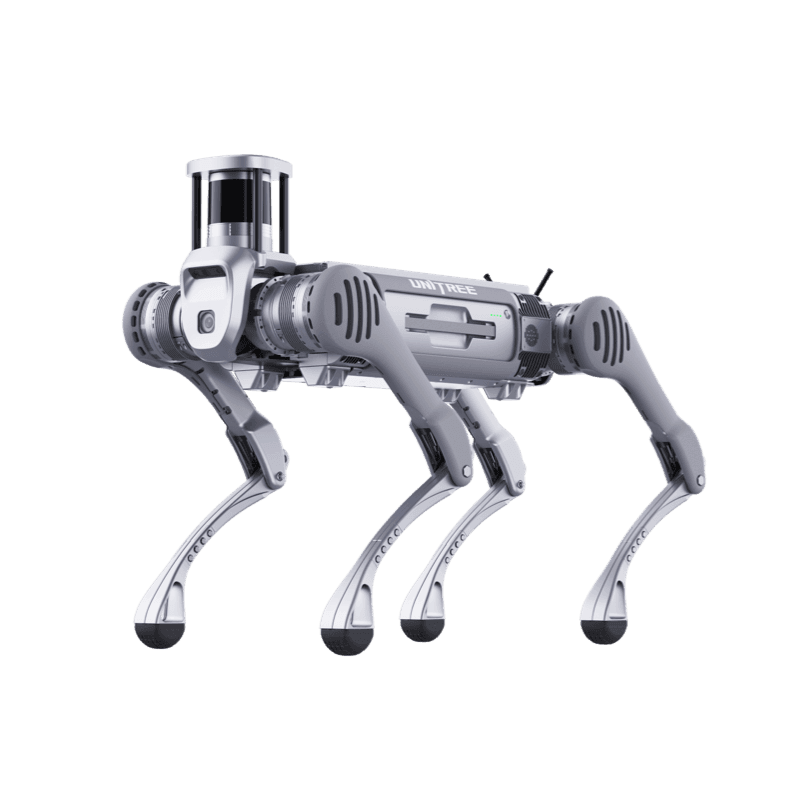
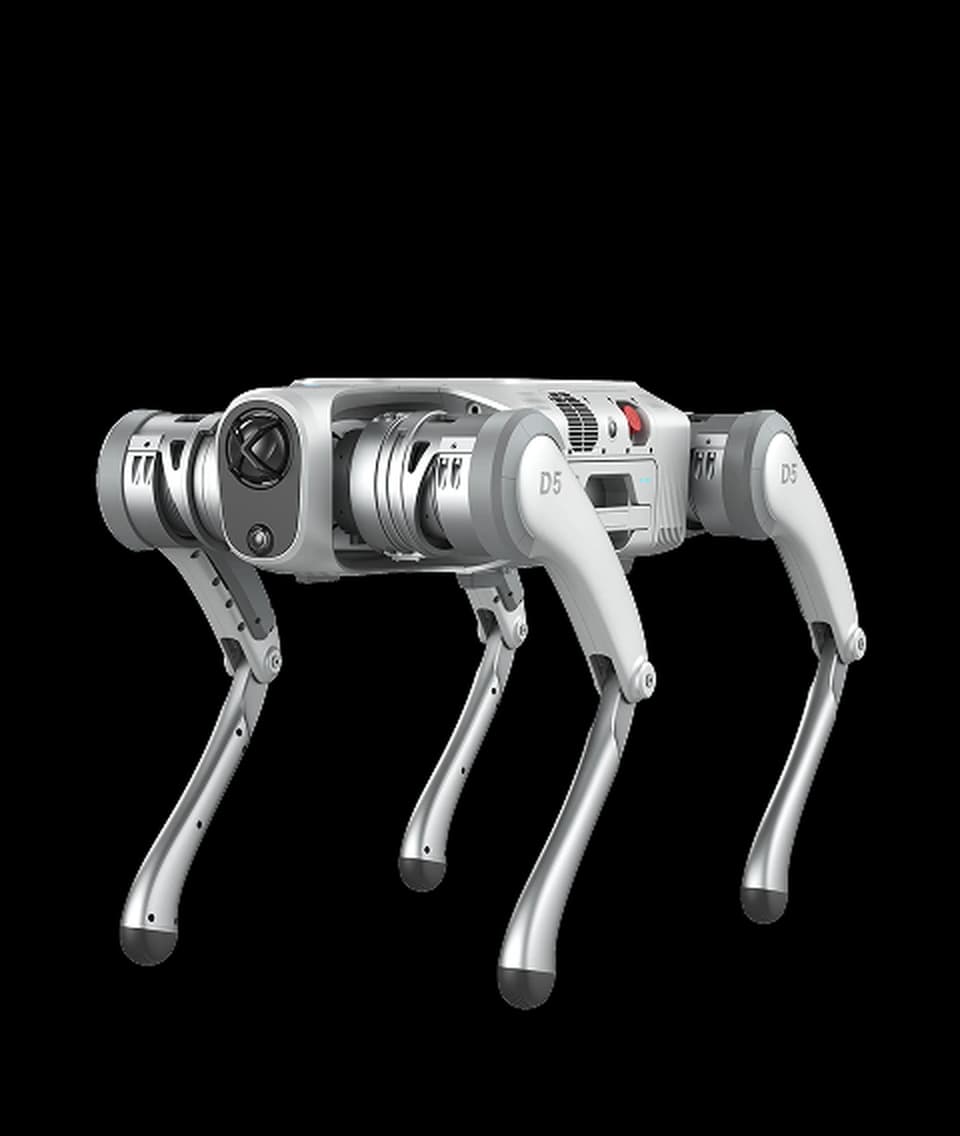
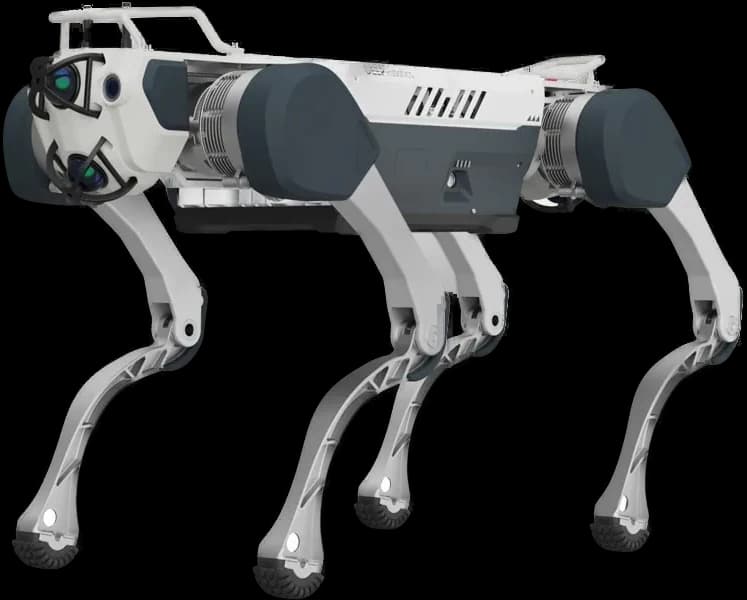
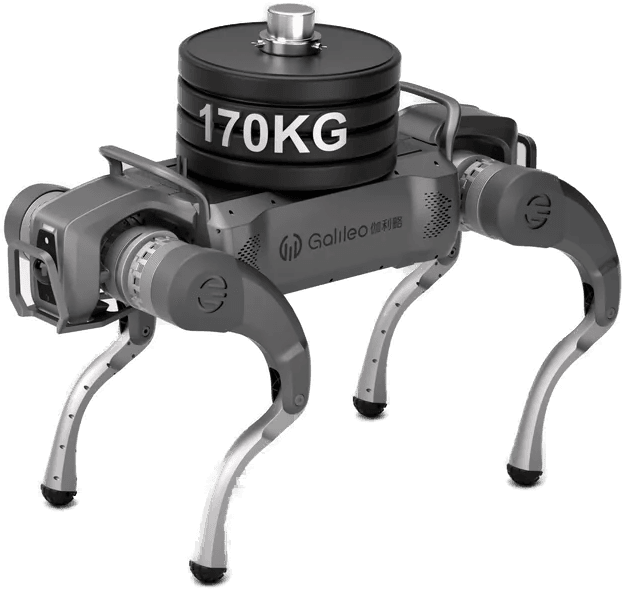
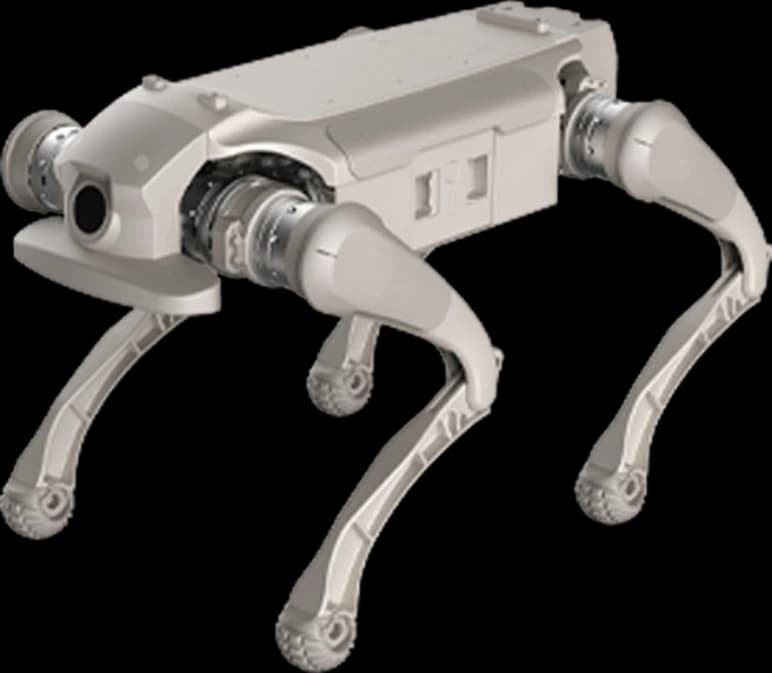
A real humanoid on a research and education budget: the Unitree G1, or the Booster T1 for RoboCup and schools. A full-size industrial platform: the Unitree H2 or the Walker S2 class. Data for manipulation and VLA model training: AgiBot World. Actuator and control research on open hardware: the Fourier N1. Inspection, patrol and field tasks: Go2/B2-class quadrupeds instead of a humanoid; that is the class already proven in production. For the Western comparison, our G1 vs Tesla Optimus comparison makes the distinction clear: one is a product you can buy today, the other is still a target.
The View from Turkey and Availability
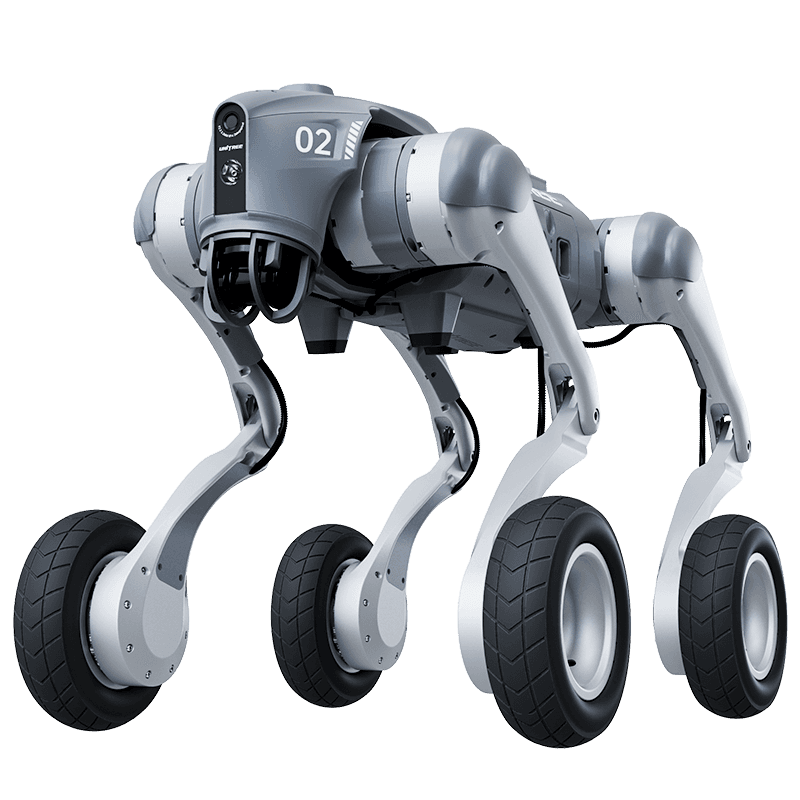
The lesson for buyers in Turkey: when you pick a platform you are buying an ecosystem, not just hardware; SDK maturity, open data, community and the spare-parts channel affect total cost of ownership more than the sticker price. The family available in Turkey through the official partner channel today is Unitree: the G1 and H2 humanoids, Go2/Go2-W and the industrial quadrupeds, with installation, training, central service and a remote/on-site technical support protocol (SLA). To work through model and configuration selection for your project, reach us via the contact form.