Full-Body Humanoid Robot Teleoperation
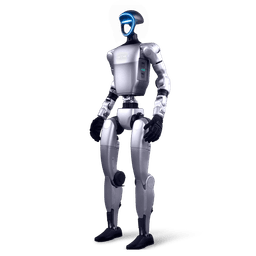
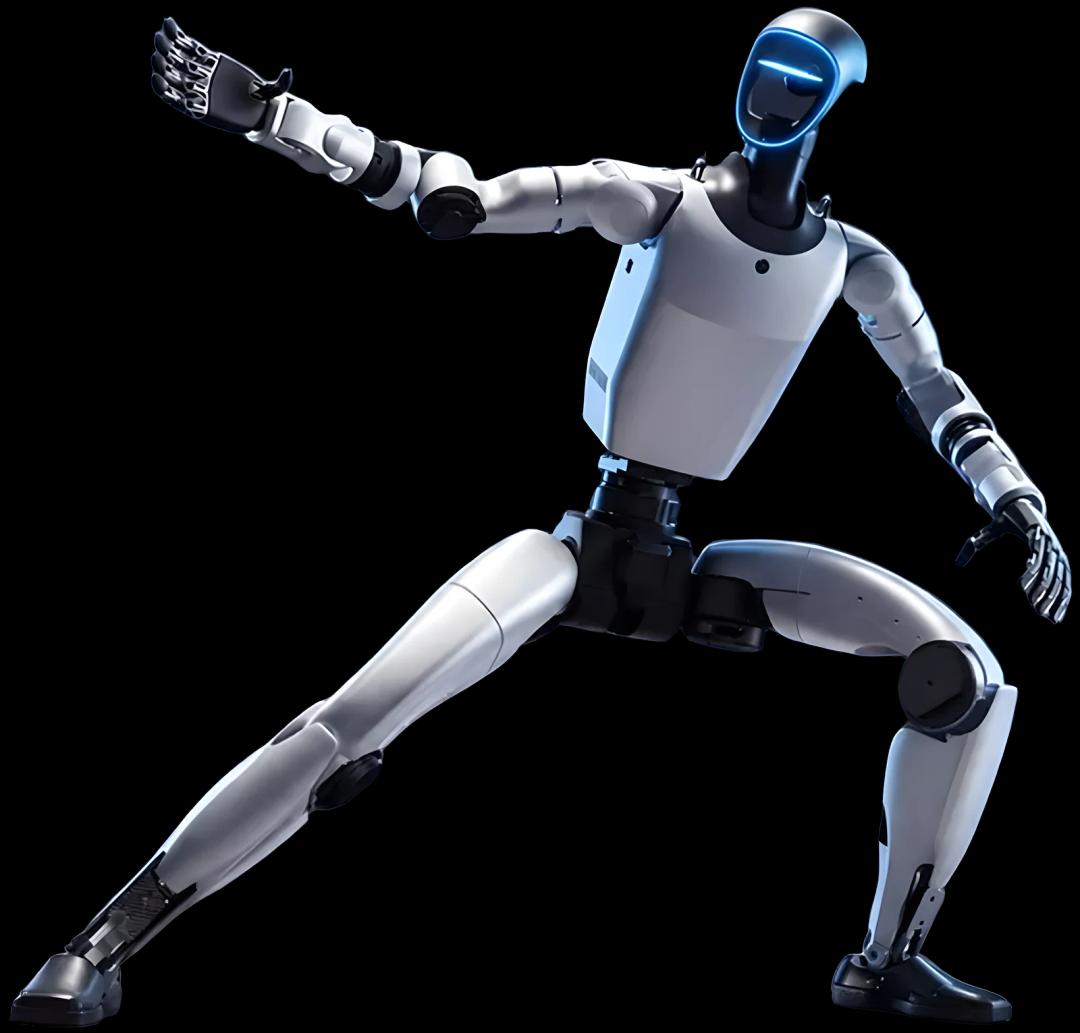
Embodied Avatar is Unitree's teleoperation platform for humanoid robots. The operator wears a motion-capture rig and drives the robot with their own body movements. All joints are mirrored to the robot simultaneously. The robot copies the operator's posture and motion in real time.
The goal of full-body teleoperation is to transfer the operator's motor skills directly to the robot. While the operator performs a complex task with their own body, the robot repeats the same movement in real time. This method makes it possible to leverage a human expert's physical skill directly. Human reflexes step in where the robot's own software would otherwise be in control.
V3.0 Guardian and Earlier Demonstrations
V3.0 Guardian is the third generation of the Embodied Avatar platform. In earlier Embodied Avatar demonstrations, G1 robots performed soccer drills and martial-arts moves. In one demonstration two G1 units sparred in a boxing match. V3.0 Guardian builds on that body of work.
With V3.0, Unitree shared synchronization and latency performance figures. The system is designed to control the G1 humanoid robot through full-body teleoperation.
Synchronization and Latency Figures
According to the company, V3.0 Guardian reaches a peak motion synchronization of 99.8 percent between operator and robot. Minimum total latency is 80 ms. Both figures represent best-case measurements.
The synchronization rate describes the percentage of the operator's joint positions that the robot reproduces. Latency covers the time from the operator's movement to the robot's response. Low latency makes it easier for the operator to feel they are controlling the robot directly. In real-world conditions, network architecture and environmental factors may affect these values.
Remote Operation and Data Collection
Unitree designates remote operation and data collection as V3.0 Guardian's primary use cases. In remote operation, an operator drives the robot from a safe location. Inspection tasks in hazardous areas are a natural use case. The operator directs the robot without being on site, while the robot carries out the task in its environment.
In data-collection mode the operator's movements are recorded. Unitree says the system can be used for data collection alongside autonomous operation. The recorded motion data can serve as training input for the robot's autonomous behavior. According to Unitree, an expert's physical skill thereby provides training input for the robot's autonomous behavior.
Teleoperation with the Unitree G1 Humanoid Robot in Turkey
Embodied Avatar V3.0 Guardian gives research labs and R&D teams a ready way to drive the Unitree G1 humanoid robot with human motion. Motion data gathered through teleoperation can be used to teach the robot new skills in a lab setting. At demonstrations and events, an operator can drive the G1 live.
Robotlar.org is the official distributor of Unitree Robotics in Turkey. Hardware details are on the Unitree G1 page, and R&D use cases are covered on the G1 research platform page. You can request a demo, technical information or a quote for your lab or project. We work out the robot configuration and use-case scenarios with you during the discovery phase.