PRICE
Project quote
Configuration, delivery schedule and investment figure are set by project scope. From your specification we prepare the supply plan from the manufacturer line and the integration scope.
Enterprise supply · specification support · integration engineering
Overview
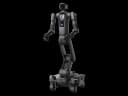
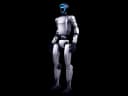
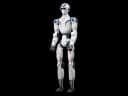
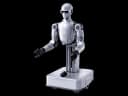
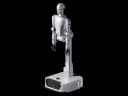
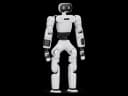
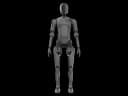
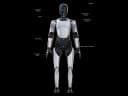
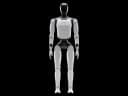
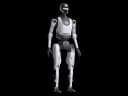
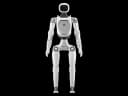
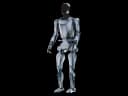
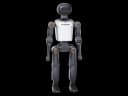
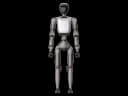
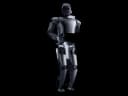
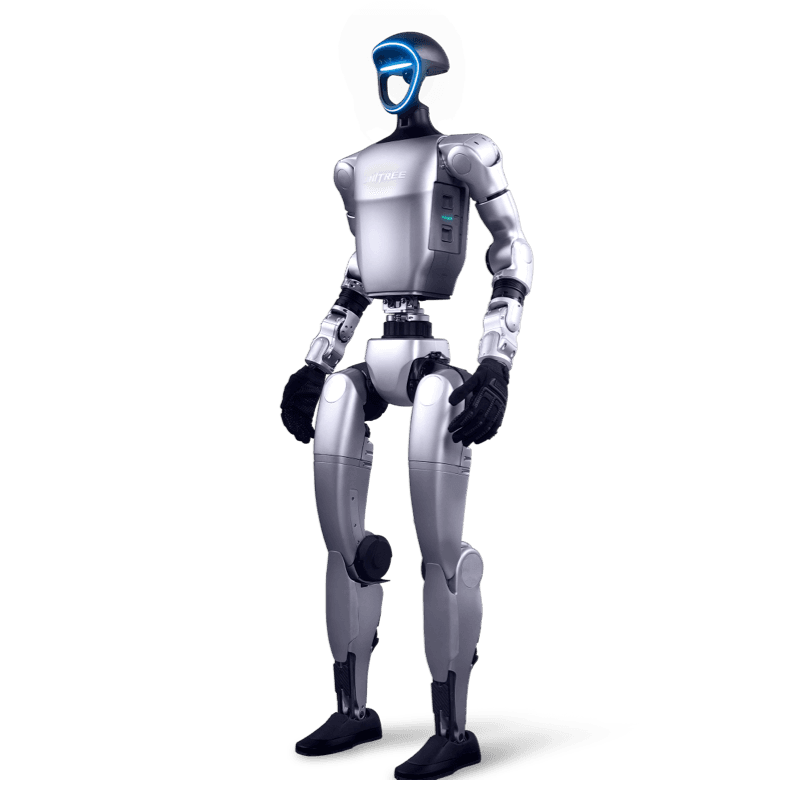
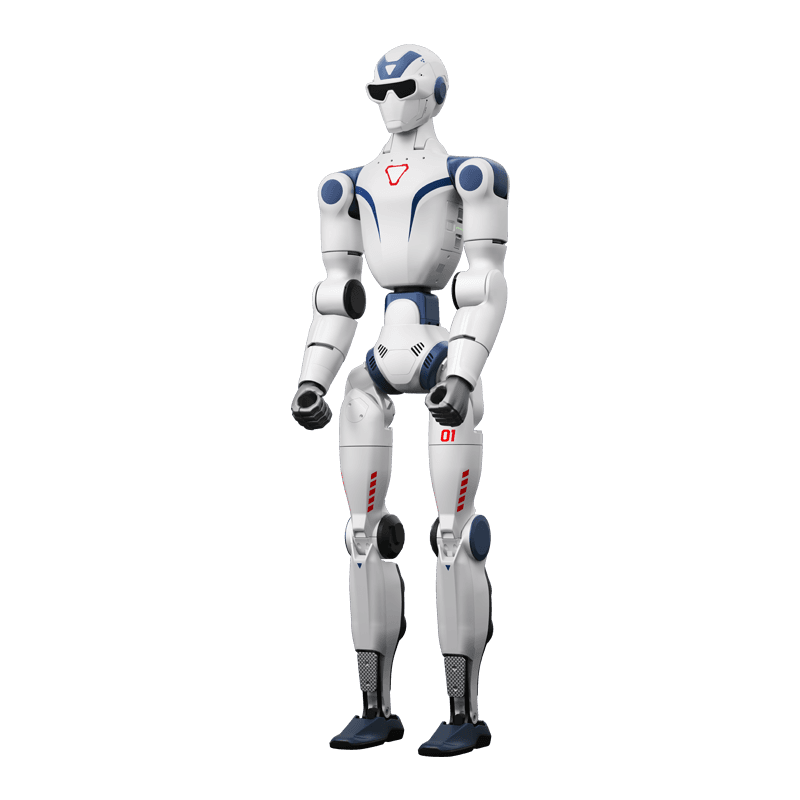
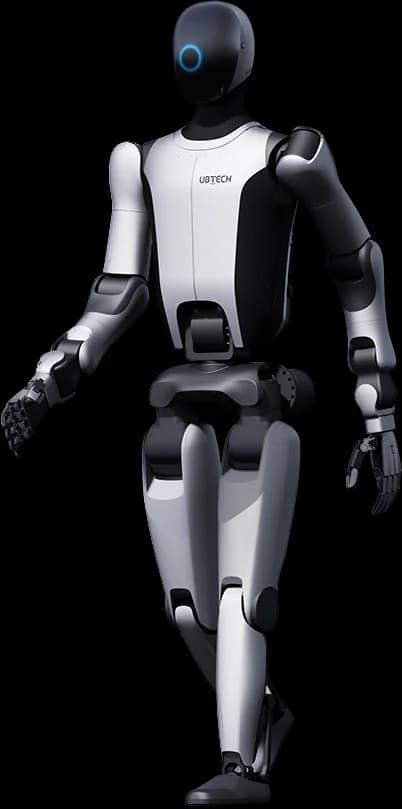
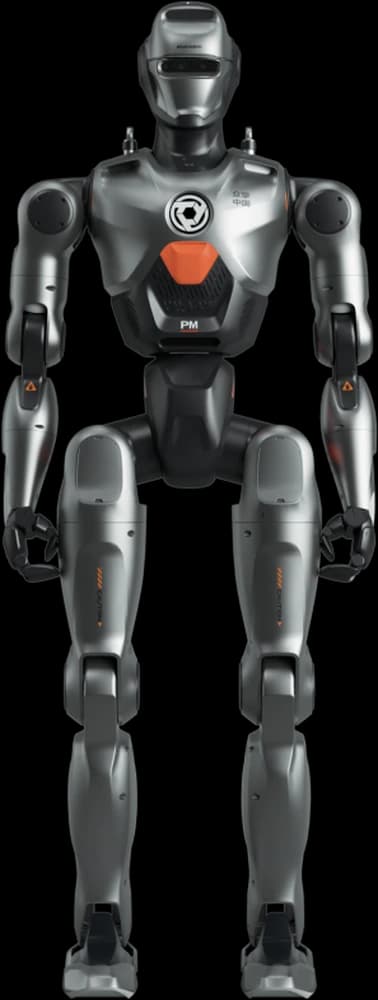
The XPeng IRON is a bipedal full-size humanoid robot developed by the electric vehicle maker XPeng. The model is pre-production; we run corporate evaluation and sourcing planning against the announced timeline. XPeng has stated it aims to begin mass production by the end of 2026 and to make its first commercial deployment in the first quarter of 2027, with the robot acting as a sales assistant in its own stores; no price, ordering channel or plan for Turkey has been announced.
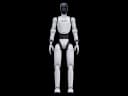
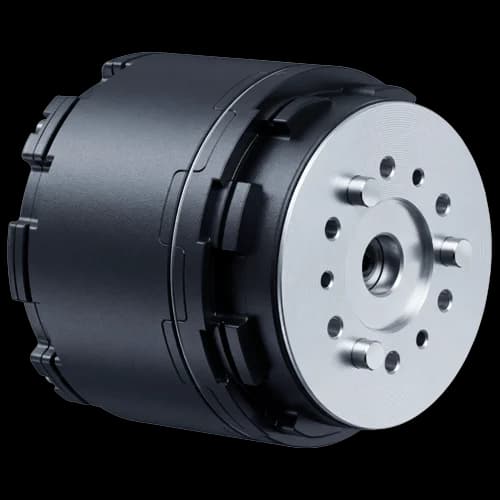
The published dimensions are 178 cm and 70 kg. On degrees of freedom the manufacturer gives only one number: 22 per hand. Independent robot trackers report 62 active joints, though they themselves note their data is aggregated from public sources and that some fields are estimates. The hand joints are said to use what the manufacturer calls the industry's smallest harmonic joint.
Compute comes from three XPeng Turing AI chips with a stated effective total of 2250 TOPS. A physical-world foundation model billed as a second-generation VLA runs on the robot, and autonomous interaction and task execution are framed through it. The figure sits clearly above the models compared in the same class and is consistent with XPeng's automotive background, since the Turing chip comes from the company's own autonomous driving stack.
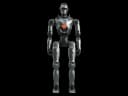
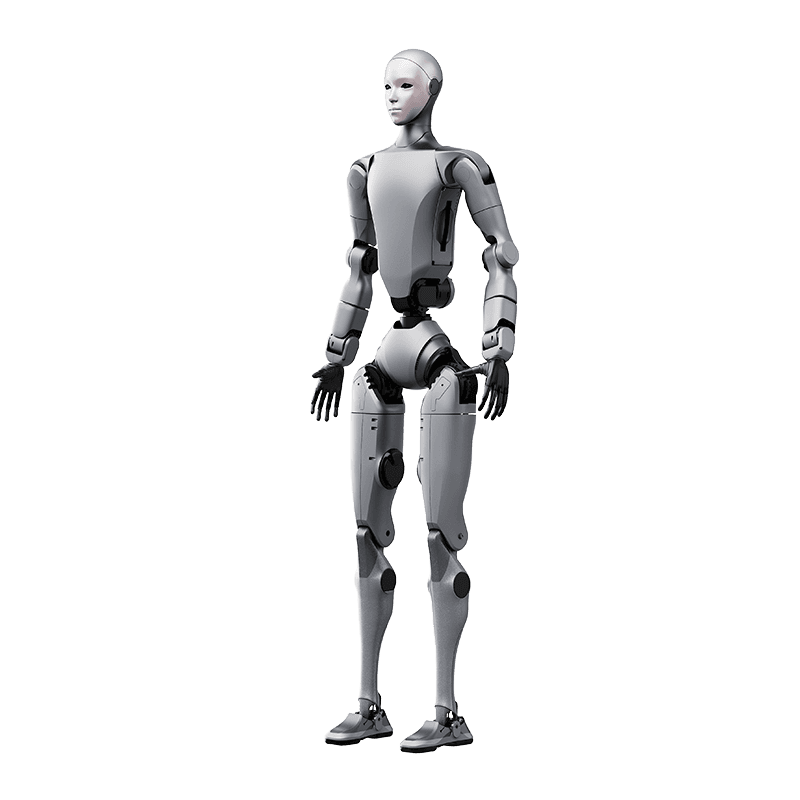
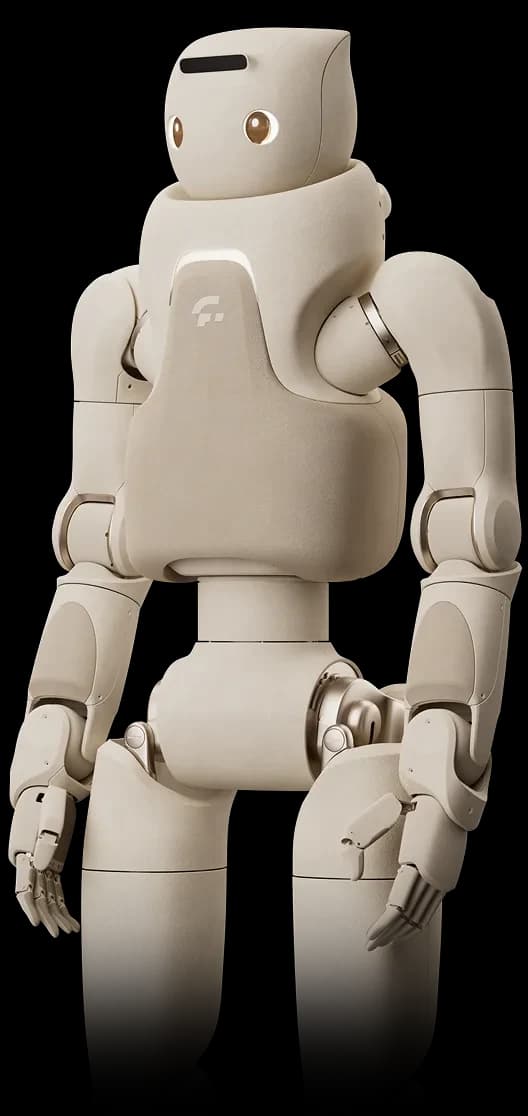
The design is described around a structure imitating the human skeleton, a bionic muscle layer over it, flexible skin on the outside, a humanoid spine and a 3D curved display in the head. Degrees of freedom in the spine let the torso sway in response to the rhythm of each step. The manufacturer also states it is the first robot to use all-solid-state batteries; neither the capacity nor the runtime it delivers has been disclosed.
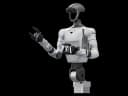
The use scenarios the manufacturer shows are personal shopping guidance, exhibition hall guiding, and reception with tour guiding. XPeng being a car manufacturer explains that choice: it has already announced that first deployment will happen in its own stores.
Most of the figures that determine what a robot can do in the field are on that list.
For organizations needing a full-size humanoid today we assess the orderable options (the Unitree H2 and G1); for IRON, what can be done is to watch the timeline.
Seri üretim öncesi; üretici 2026 sonunda seri üretim, 2027 ilk çeyrekte ilk konuşlandırma bildirdi, tedarik planlaması bu takvim üzerinden
Pre-production; the manufacturer has stated mass production by the end of 2026 and first deployment in Q1 2027, sourcing planned against that timeline
Launch Video
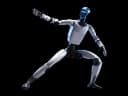
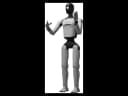
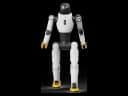
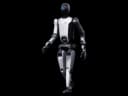
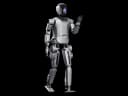
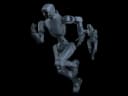
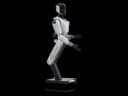
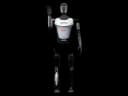
The forty-one second video shows IRON walking and interacting. The manufacturer highlights its human-like gait; a height of 178 cm and a weight of 70 kg place it at adult proportions within the full-size humanoid class.
Skeleton, Muscle and Skin Layers
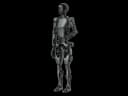
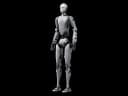
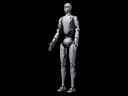
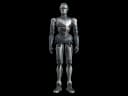
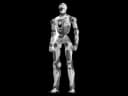
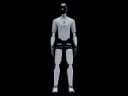
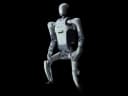
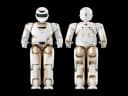
The image shows the body in three layers: an inner skeleton, a bionic muscle layer over it and flexible skin on the outside. The approach aims to conceal actuation and structure and give the body an outline close to a human silhouette. For comparison, most robots in this class carry actuation and cabling under a hard shell; a flexible skin layer adds a separate design and maintenance problem.

Hand Degrees of Freedom
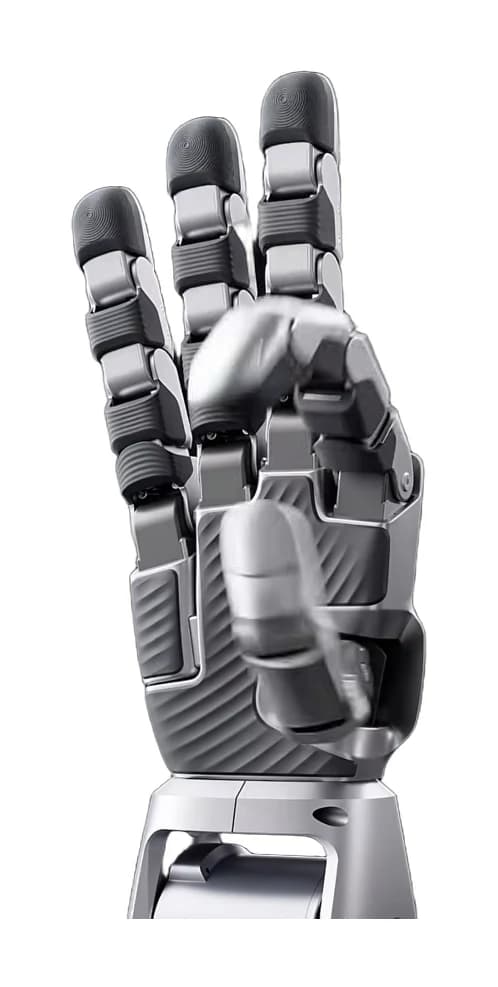
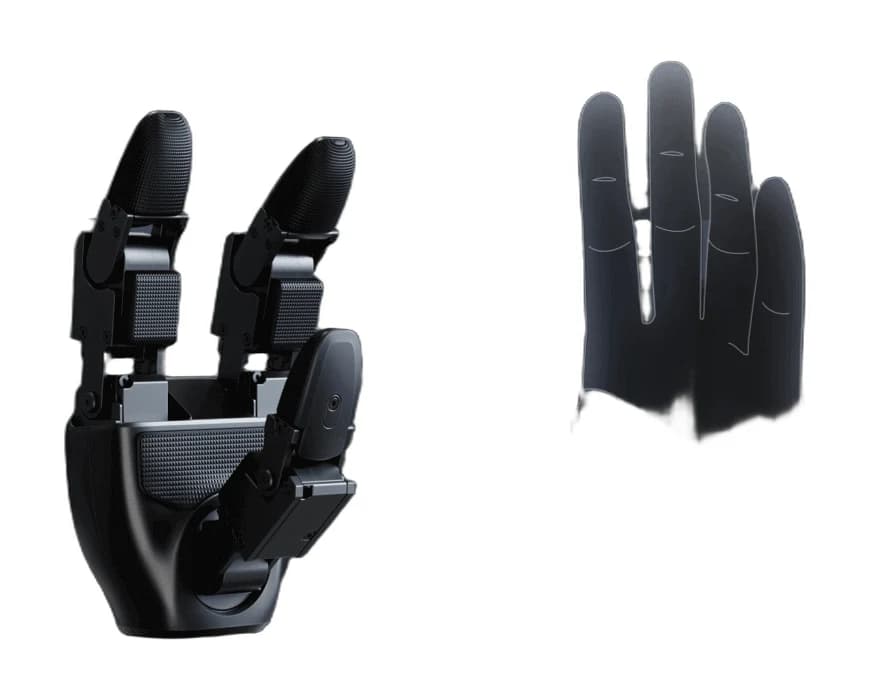
There are 22 degrees of freedom per hand and the hand joints use what it calls the industry's smallest harmonic joint. Twenty-two joints per hand is a high figure in this class: for comparison, the optional dexterous hand on the Fourier GR-3 has 12 and the Booster T1's has 6.

Gait
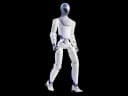
The manufacturer presents gait as one of its headline points and ties it to the humanoid spine structure. Having degrees of freedom in the spine means the torso can sway in response to the stride during walking; on a rigid-torso humanoid that compensation falls to the hip and ankle joints alone and the gait looks mechanical.

Exhibition Hall Guiding
One of the scenarios shown on the manufacturer's page is guiding in a museum or exhibition hall. That work requires visual perception and speech to operate together and the robot to move alongside a visitor. The page presents these scenarios visually; no field installation, runtime or certification information is given.

Showroom and Reception
The other two scenarios are shopping guidance in a car showroom and reception at a building entrance. XPeng being a car manufacturer explains that choice: its own retail points are the natural environment in which the robot would first be deployed and from which the development loop would be fed.

IRON; Live Demonstration
Technical Analysis of a Humanoid Preparing for Mass Production
Timeline First: Pre-Production Status
Any assessment of IRON has to start with the timeline. XPeng has stated mass production by the end of 2026 and first commercial deployment in the first quarter of 2027; we plan evaluation and sourcing against that timeline. The company has, however, stated a schedule: mass production is targeted to begin by the end of 2026, with first commercial deployment in the first quarter of 2027, the robot acting as a sales assistant in XPeng's own stores. So IRON is not a demonstration without a target, but neither is it a product that can be bought today, and nothing has been announced for Turkey. Corporate evaluation and sourcing planning run per project.
2250 TOPS and the On-Device Model
The reason is a design choice: XPeng is a car manufacturer and the Turing chip comes from its own autonomous driving stack, so the robot uses a compute architecture the company already had. The significance of that headroom is that the physical-world foundation model can run on the robot without tethering to an external computer.
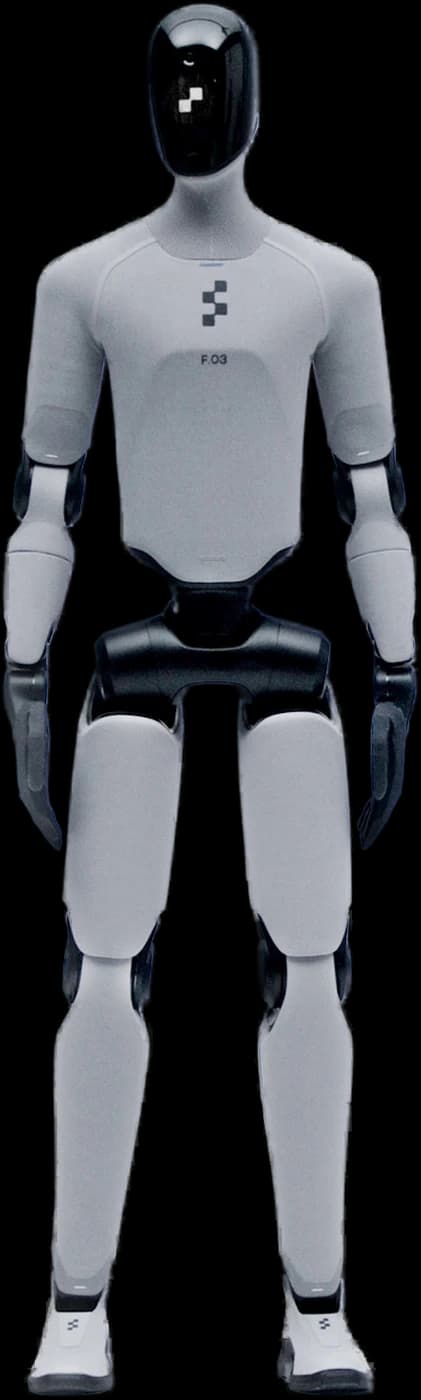
IRON Versus Full-Size Humanoids Deliverable Today
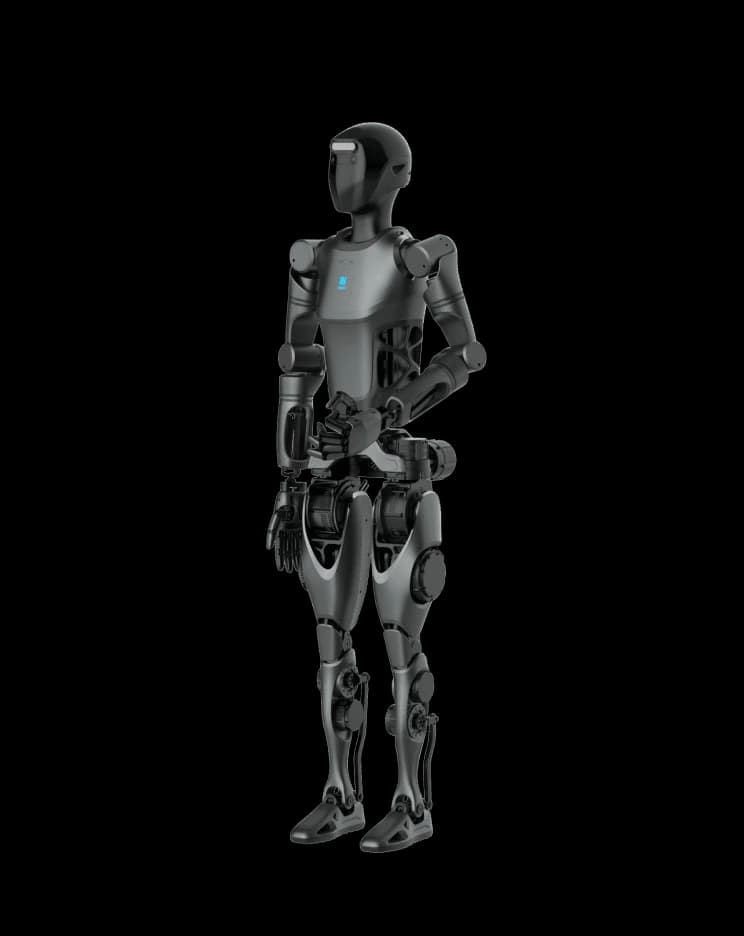
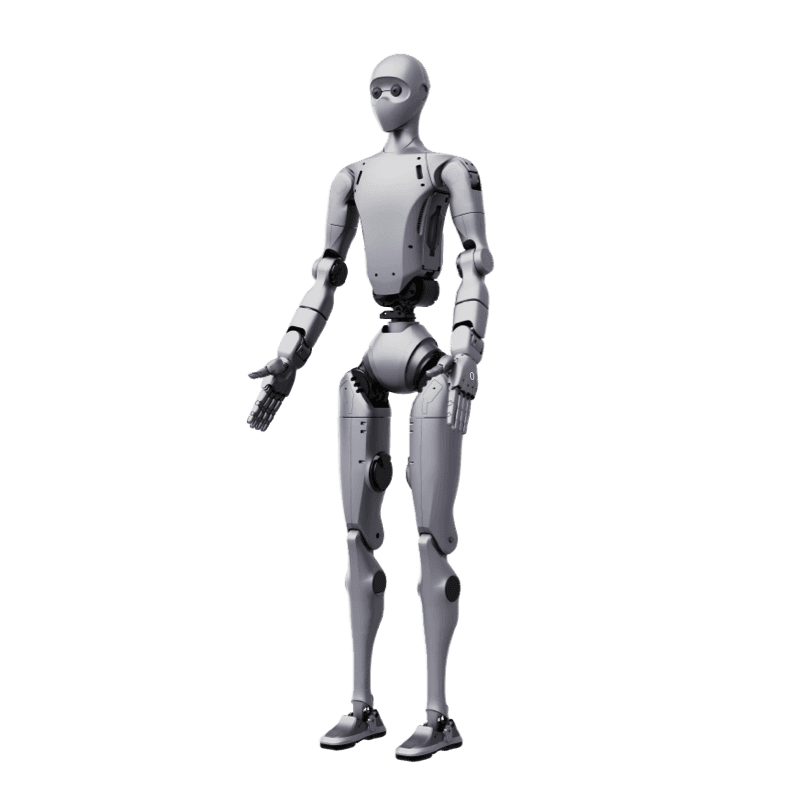
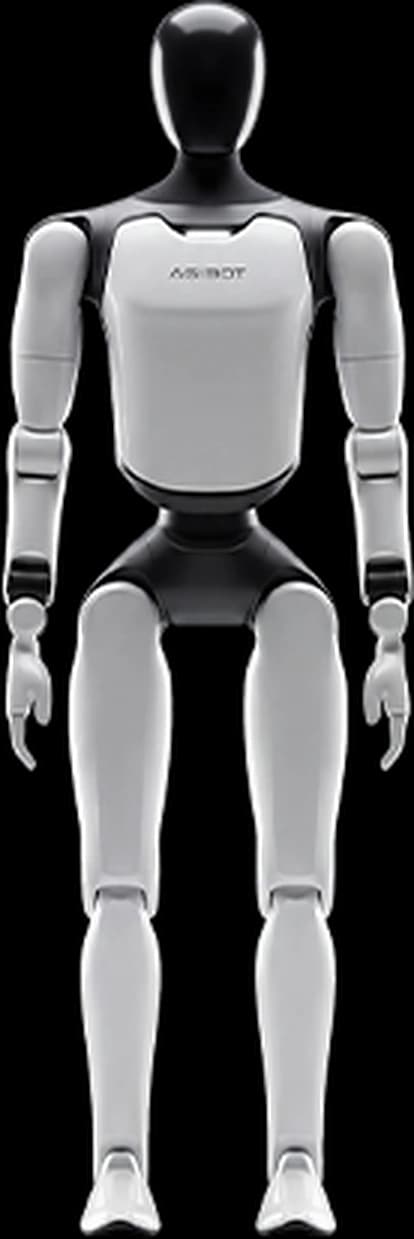
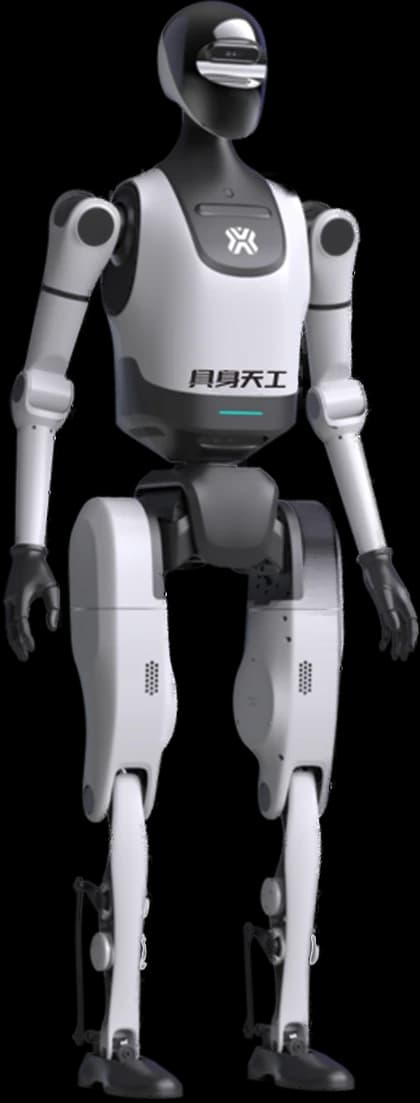
| Feature | XPeng IRON | Unitree H2 | AgiBot A2 Ultra |
|---|---|---|---|
| Height | 178 cm | 182 cm | 169 cm |
| Weight | 70 kg | 70 kg | 69 kg |
| Degrees of freedom | 22 per hand | 31 | 40 |
| Compute | 2250 TOPS, three Turing chips | Intel Core i5 + development PCs | Jetson Orin 64 GB |
| Runtime | - | Approximately 3 hours | 3 hours standing |
| Payload | - | 7 kg rated, 15 kg peak | - |
| Stage | Demonstration, not for sale | Orderable | 1000+ units deployed |
Engineering Assessment
Two of IRON's published figures genuinely stand out: 22 degrees of freedom per hand and 2250 TOPS of compute. The design built from skeleton, bionic muscle and flexible skin layers is also an uncommon direction in this class. Compute alone is not a measure of capability; without knowing which tasks the model completes and at what success rate, 2250 TOPS remains a statement of capacity. Most decisive is the stage: IRON is a demonstration platform that has not been offered for sale, and the manufacturer's own page marks it that way. If an organization needs a full-size humanoid today, the Unitree H2 can be ordered; what can be done about IRON is to follow its development.
Details & Performance Parameters.
Physical Architecture
Dynamic Performance
Energy & Protection
Computing & Intelligence
Three XPeng Turing AI chips; a stated effective total of 2250 TOPS
A physical-world foundation model running across three Turing chips; a second-generation VLA (vision-language-action) model and frames autonomous interaction and task execution through it
Mechanical Components
Independent robot trackers report 62 active joints, but those sites state themselves that their data is aggregated from public sources and that some fields are estimates
178 cm and 70 kg; a structure imitating the human skeleton with a bionic muscle layer and flexible skin
A harmonic joint in the hand joints described as the industry's smallest
Hardware & Materials
A structure imitating the human skeleton, a bionic muscle layer, flexible skin and a humanoid spine
The New Intelligence of Operation.
Start your IRON project with our experts now.
Get a IRON Quote
There is no single list price; the investment depends on configuration and use case. Fill in the form and we will return with a clear, tailored quote.
- Supply plan and delivery schedule from the manufacturer line
- Technical feasibility against your project requirements
- Integration scope and engineering support
- Specification and documentation support for corporate procurement
Prefer to talk now: 0850 532 6 777
About the XPeng IRON
IRON Frequently Asked Questions
The most commonly asked questions and answers about IRON.
Not today. XPeng has stated mass production by the end of 2026 and first commercial deployment in the first quarter of 2027. We plan evaluation and sourcing against that timeline. The stated schedule is this: mass production is targeted to begin by the end of 2026, with first commercial deployment in the first quarter of 2027 in XPeng's own stores. Nothing has been announced for Turkey. If you have a full-size humanoid requirement, you can assess the options deliverable today with Robotlar.org.
It stands 178 cm and weighs 70 kg. Compute is given as three XPeng Turing AI chips with an effective 2250 TOPS, and a physical-world foundation model described as a second-generation VLA runs on the robot. The design is described around a structure imitating the human skeleton, a bionic muscle layer, flexible skin, a humanoid spine and a 3D curved display in the head; the first robot to use all-solid-state batteries.
The reason is a design choice: XPeng is a car manufacturer and the Turing chip comes from its own autonomous driving stack. In practice it means the physical-world foundation model can run on the robot without tethering to an external computer.
It is a high figure for this class. For comparison, the Fourier GR-3's optional dexterous hand has 12 and the Booster T1's has 6. High hand mobility means a grasp can be adjusted at finger level and carries a claim about fine manipulation. The manufacturer also states the hand joints use what it calls the industry's smallest harmonic joint. Such a claim is measured by grip force, repeatability and a list of completed tasks, none of which are published.
Yes. The Unitree H2 (182 cm, 70 kg, 31 degrees of freedom, 7 kg rated arm payload, approximately three hours of runtime) can be ordered in Turkey today, with 4-6 week delivery, a 1-year official warranty, on-site commissioning and engineering support across Turkey. If a more compact body suffices, the Unitree G1 (132 cm, 35 kg) is worth evaluating. Pricing is set by quote per configuration.